

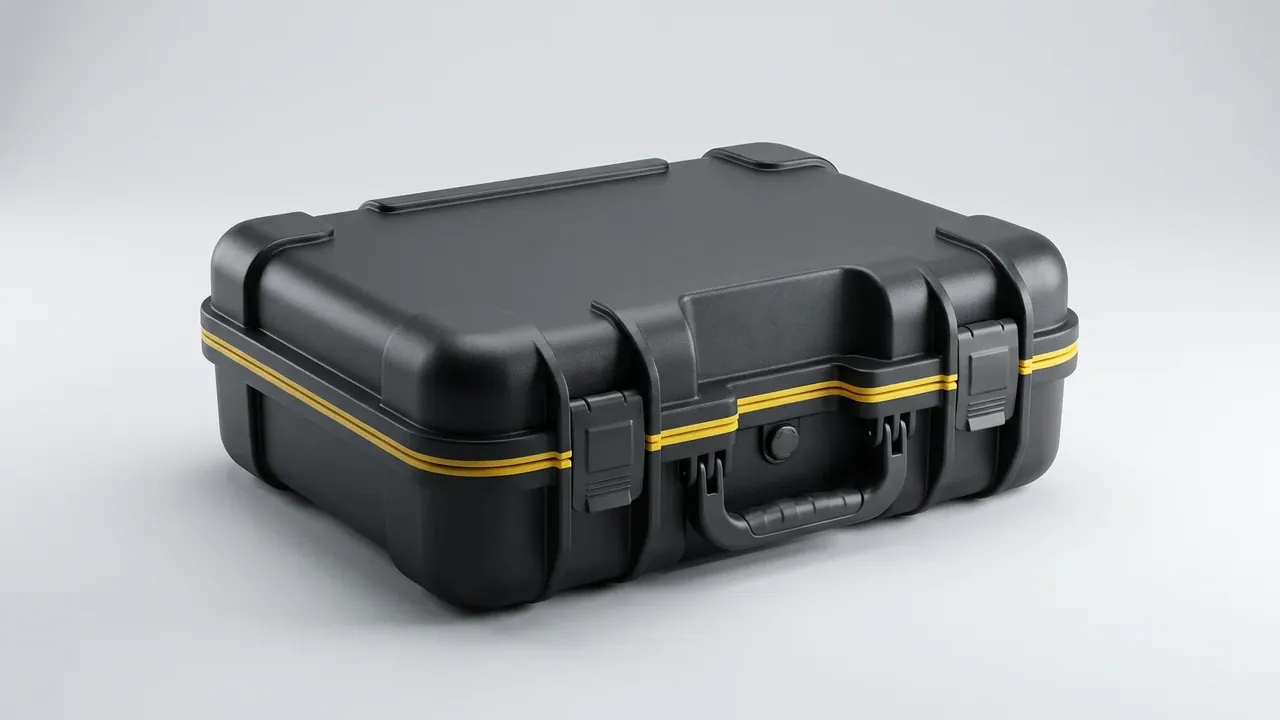
Quick answer: An OEM plastic container factory prices work in four blocks: material, machine time, secondary operations, and packing with freight. MOQ falls out of cavity count and resin lot size, and lead time splits into a production slot plus process days.
Table of contents
- What Sits Behind an OEM Plastic Container Factory Quote
- Tooling Cost and Who Owns the Mould
- Minimum Order from Cavities and Resin Lots
- Lead Time: Slot Plus Process Time
- Factory Audit and Claims
- FAQ
1. What Sits Behind an OEM Plastic Container Factory Quote
An OEM plastic container factory rarely quotes one number. Four blocks sit behind it: material, machine time, secondary operations, and packing with freight. Material is billed on part weight plus 3 percent scrap: PP copolymer at 9.5 RMB per kilogram on a 1.6 kg part gives 15.7 RMB. Name the grade and regrind ratio: 20 percent regrind cuts 1.2 RMB and takes drop performance with it. Machine time runs by the hour: 180 RMB on a 550 tonne press at a 62 second cycle puts 3.1 RMB into each part.
| Item | Basis | This example |
|---|---|---|
| Material | Weight plus 3 percent | 15.7 RMB |
| Machine time | Hourly rate per shot | 3.1 RMB |
| Packing | Per pallet | 1.9 RMB |
2. Tooling Cost and Who Owns the Mould
Tooling is an amortisation base, not a cost line. A single-cavity tool runs 38,000 RMB and a two-cavity 62,000 RMB, both rated for 300,000 shots. On 30,000 parts the single-cavity tool adds 1.3 RMB each; on 5,000 parts it adds 7.6 RMB. That 6.3 RMB spread is what MOQ talks are really about.
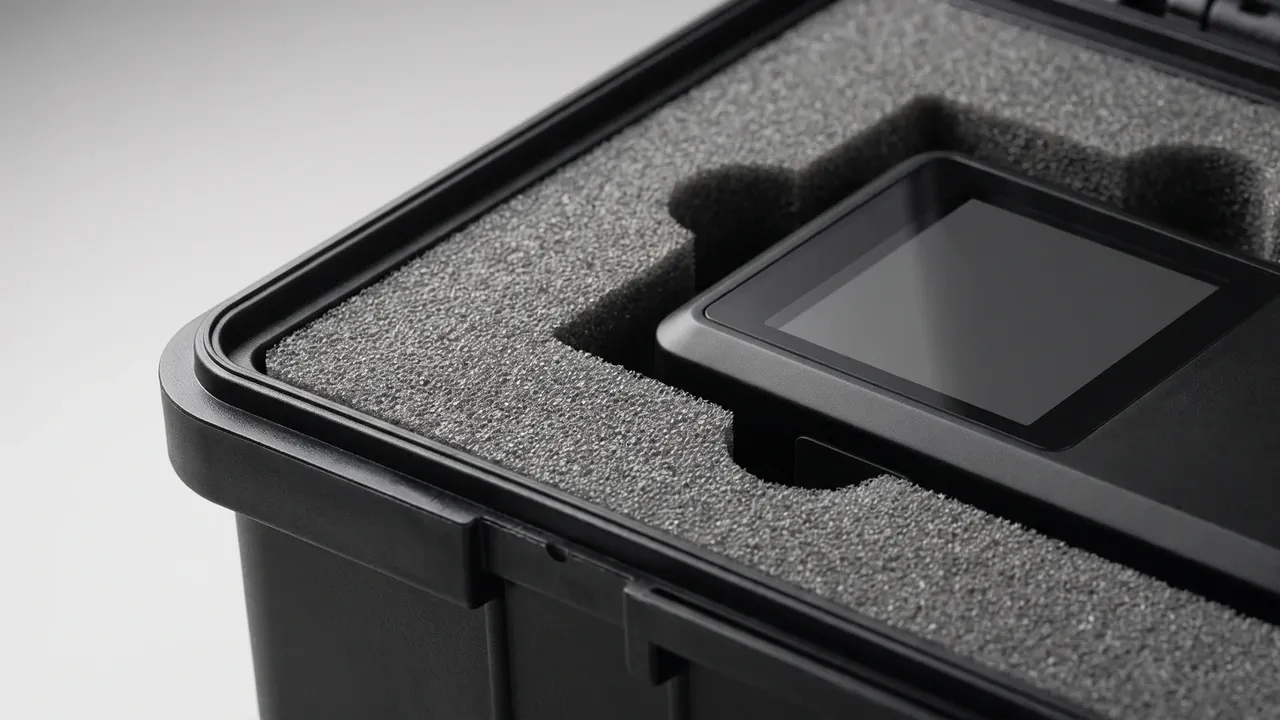
Ownership is written tighter than price. The usual trade is that tooling transfers once paid while the mould stays on the factory floor. Three clauses cover it: the mould number engraved on the bolster, trial reports and steel certificates handed over with the tool, and removal terms. Spares stay with the tool, hot-runner pins included.
3. Minimum Order from Cavities and Resin Lots
MOQ is the larger of two constraints: cavity count and resin lot. A single-cavity tool supports 300 pieces, a two-cavity 500; below that, setup time spread across the run lifts unit price by a third. Resin lots are harder: 500 kg is the smallest a compounder will book.
Setup scrap counts separately: 3 percent for first-off tuning, so a 500 piece order carries 15 pieces that never ship. Purging from natural to black takes 200 kg, so an OEM plastic container factory prices each colour as its own MOQ.
| Cavities | MOQ | Unit price |
|---|---|---|
| Single | 300 | 26 to 31 RMB |
| Two | 500 | 23 to 27 RMB |
4. Lead Time: Slot Plus Process Time
Lead time has two halves: the slot, when the order reaches a press, and the process days after. A plant with eight presses and 40 tonnes a month quotes 15 day slots in peak season and three in a quiet one. Ask for total lead time alone and you get process days.
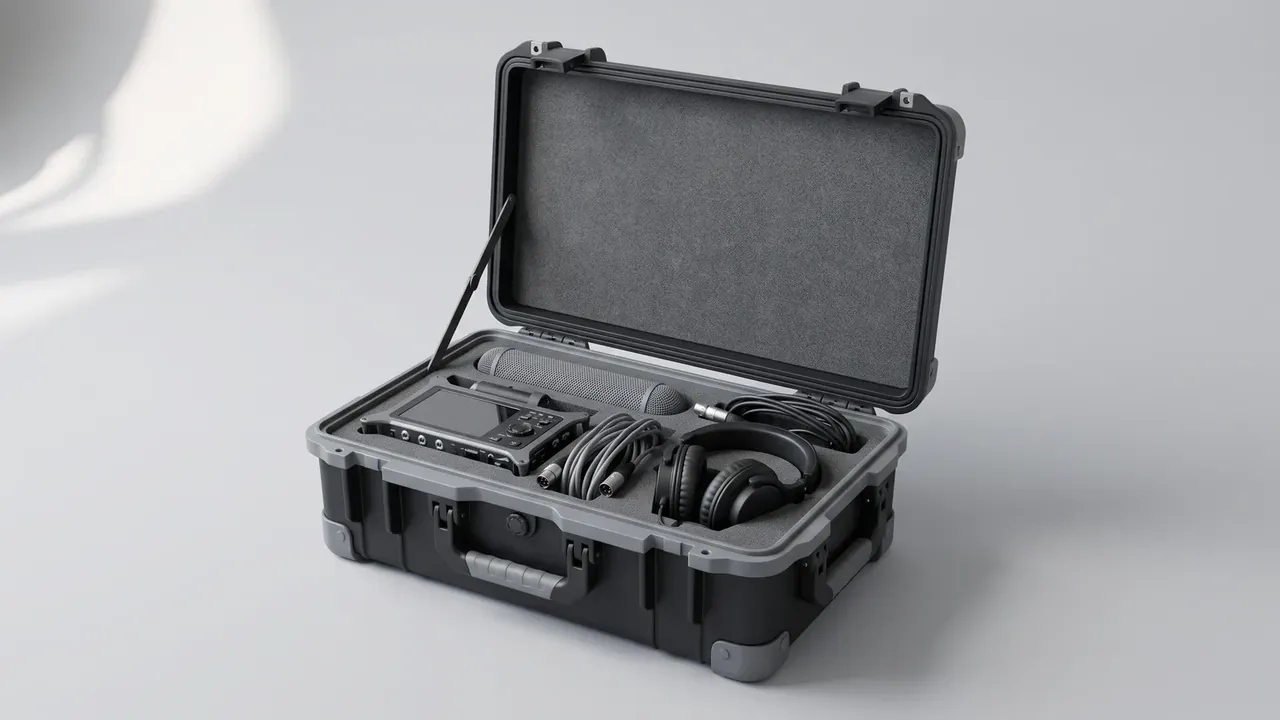
Process days check stage by stage: 12 for samples, 3 for first-article approval, 22 for production, 2 for inspection, 28 by sea — 67 working days plus the slot. Every date needs a trigger: the slot starts when the deposit clears, production when the sheet returns signed.
| Stage | Days | Trigger |
|---|---|---|
| Sample | 12 | Drawing and colour approved |
| First article | 3 | Samples dispatched |
| Production | 22 | Sheet signed |
| Sea freight | 28 | Inspection released |
5. Factory Audit and Claims
Skip the showroom and check four numbers: press tonnage, mould count, monthly tonnage and inspector headcount. An inspector-to-press ratio below one in three makes full inspection fiction.
Claims need a method: three parts are measured fully at first article, production runs to AQL 1.0 with zero tolerance on critical defects, and reject lots are reworked or accepted at a 15 percent discount. Payment runs 30 percent deposit, 70 percent against the bill of lading copy, 5 percent retained 90 days.
Conclusion
Sourcing from an OEM plastic container factory is less about price than about splitting four quote blocks, two MOQ constraints and two lead-time halves. Material on weight plus scrap, machine time by the hour, tooling amortised over volume, lead time as slot plus process days — align those four and quotes become comparable. Chosen on that basis, an OEM plastic container factory keeps quote, MOQ and lead time on paper.
This article discusses only the container (case body) side of specifications and design intent, and does not cover any handling, loading or use of the contents.
Related Reading
- Custom moulds and brand ownership
- How to shortlist an OEM protective case
- What to ask on a factory tour
- Where OEM protective cases are used
Related Products
- 8 Series — Gun Cases; Military Equipment Cases; Camera Equipment Cases; Drone Cases; Watch Cases; Knife Cases; First Aid Cases; Electronics Equipment Cases
- WL8-2812 PP Gun Case — model WL8-2812
- All protective cases and toolboxes: 7 series, 158 models