

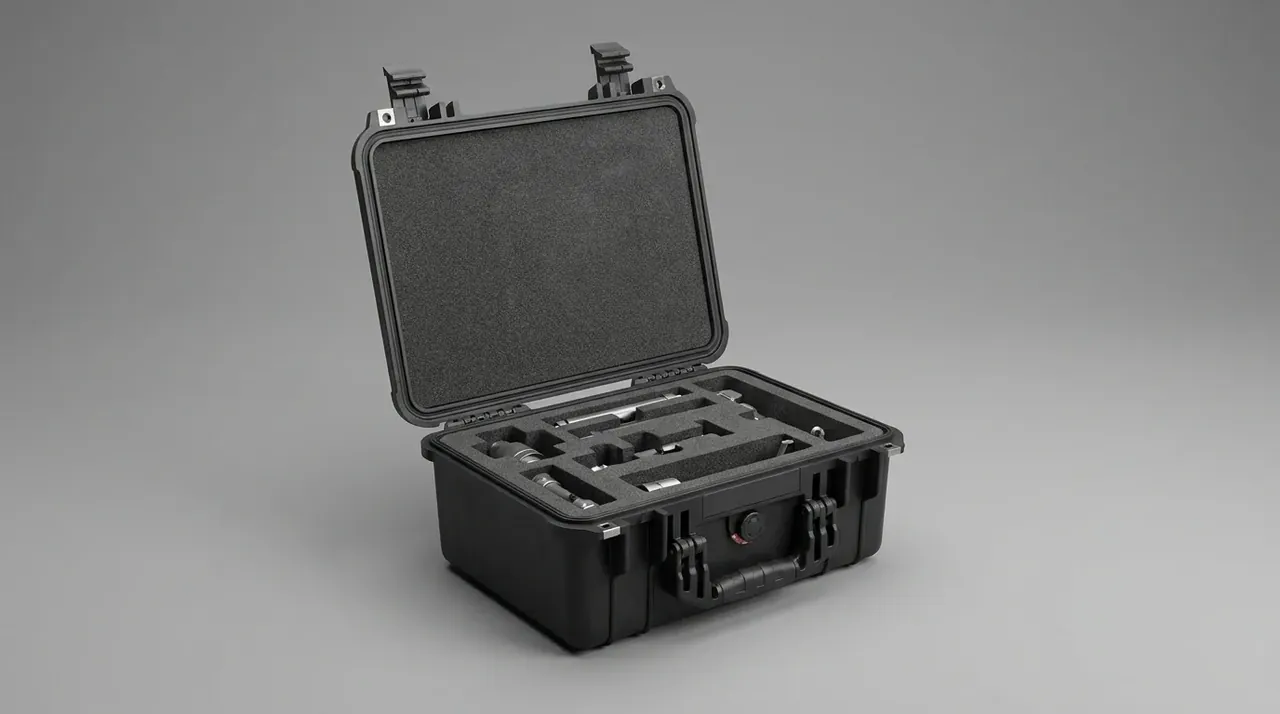
Quick answer: Settle an order change quantity first and colour second: volume fixes how many clean-outs the press needs, shade only fixes what runs through it.
Table of contents
- Lock Quantity Before Colour
- Adding Volume: the 10 Percent and 30 Percent Lines
- Recolouring: 90 Minutes and 3 kg
- A One-Page Change Note and a 24-Hour Reply
- FAQ
1. Lock Quantity Before Colour
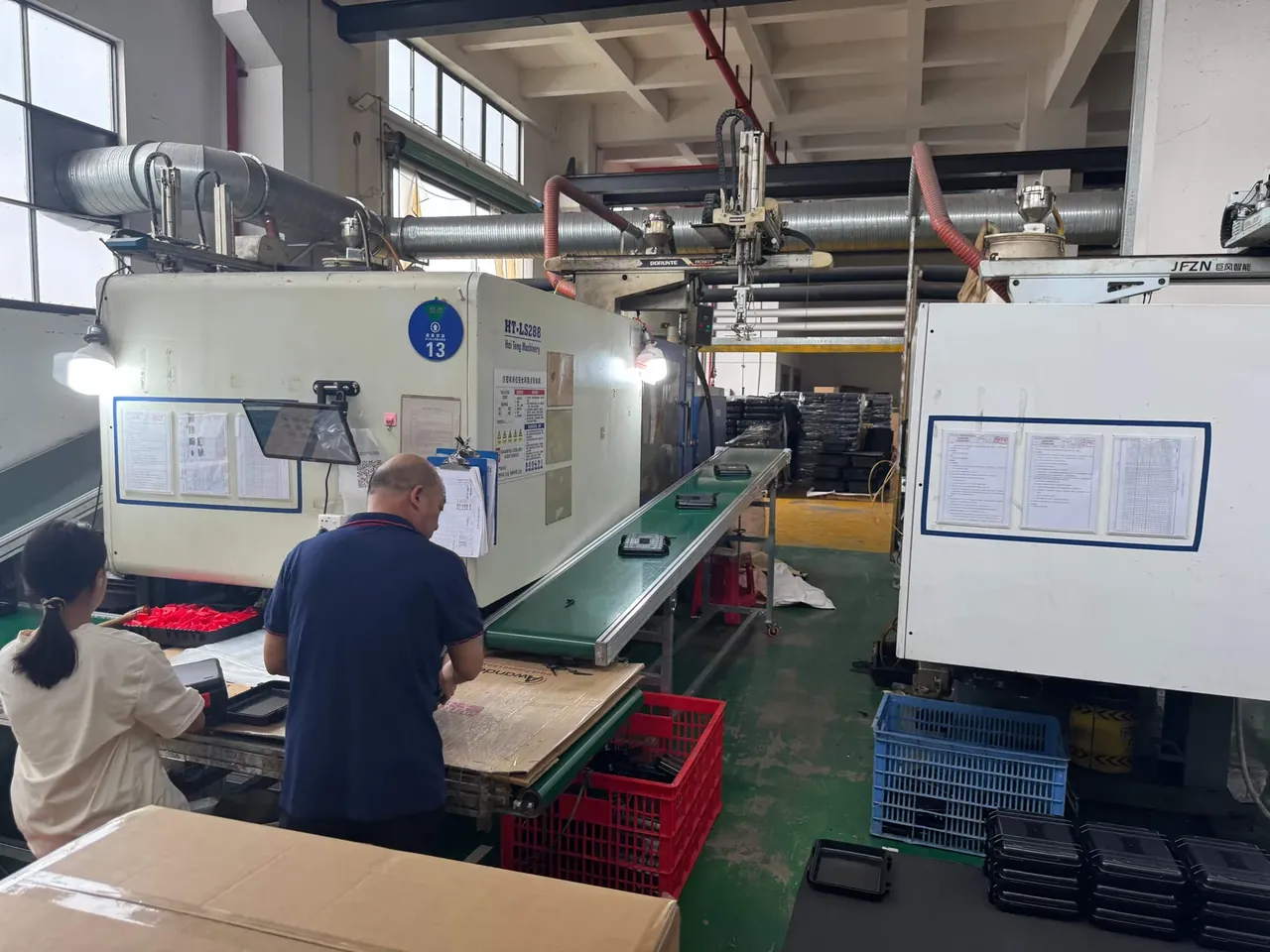
Two order change requests often land on one order: more units, and another shade. Volume sets how many times the press is cleaned; shade only sets what runs through it. Fix the shade first and the press runs two clean-outs for one colour, 90 minutes and 3 kg of scrap each time.
So the first step of any order change is to freeze the quantity: the total, the split, and the latest collection date for the last batch. Only then does a shade mean anything, because it decides how many segments the batch is moulded in.
The freeze window is the hard edge, 7 days before production starts. Inside it a change may only touch what is not yet scheduled; outside it, the change is rescheduled as a new order. When volume and shade arrive together, judge the volume band first and the colour panel second, or the schedule is recalculated twice at half a day each.
| Change type | Inside the 7-day freeze | Outside the freeze |
|---|---|---|
| Volume under 10% | No reschedule, absorbed by the batch | Folded into the running batch |
| Volume 10% to 30% | One night shift, date unchanged | Folded in, 1 to 2 days later |
| Volume over 30% | Reschedule, date recalculated | Scheduled as a new order |
| Recolour, same family | 7 days later, 1 clean-out | 7 days later, may share a clean-out |
| Recolour, new family | 14 days later, 2 clean-outs | 14 days later, separate segment |
2. Adding Volume: the 10 Percent and 30 Percent Lines
An order change that adds volume is judged by size before price. Under 10% inside the freeze, the schedule does not move. Between 10% and 30%, one night shift closes the gap. Above 30%, cavities and cycle time cannot keep up. So the order is rescheduled. The line is arithmetic: a four-cavity tool at 90 seconds a shot makes a fixed count in 24 hours, and the rest queues.
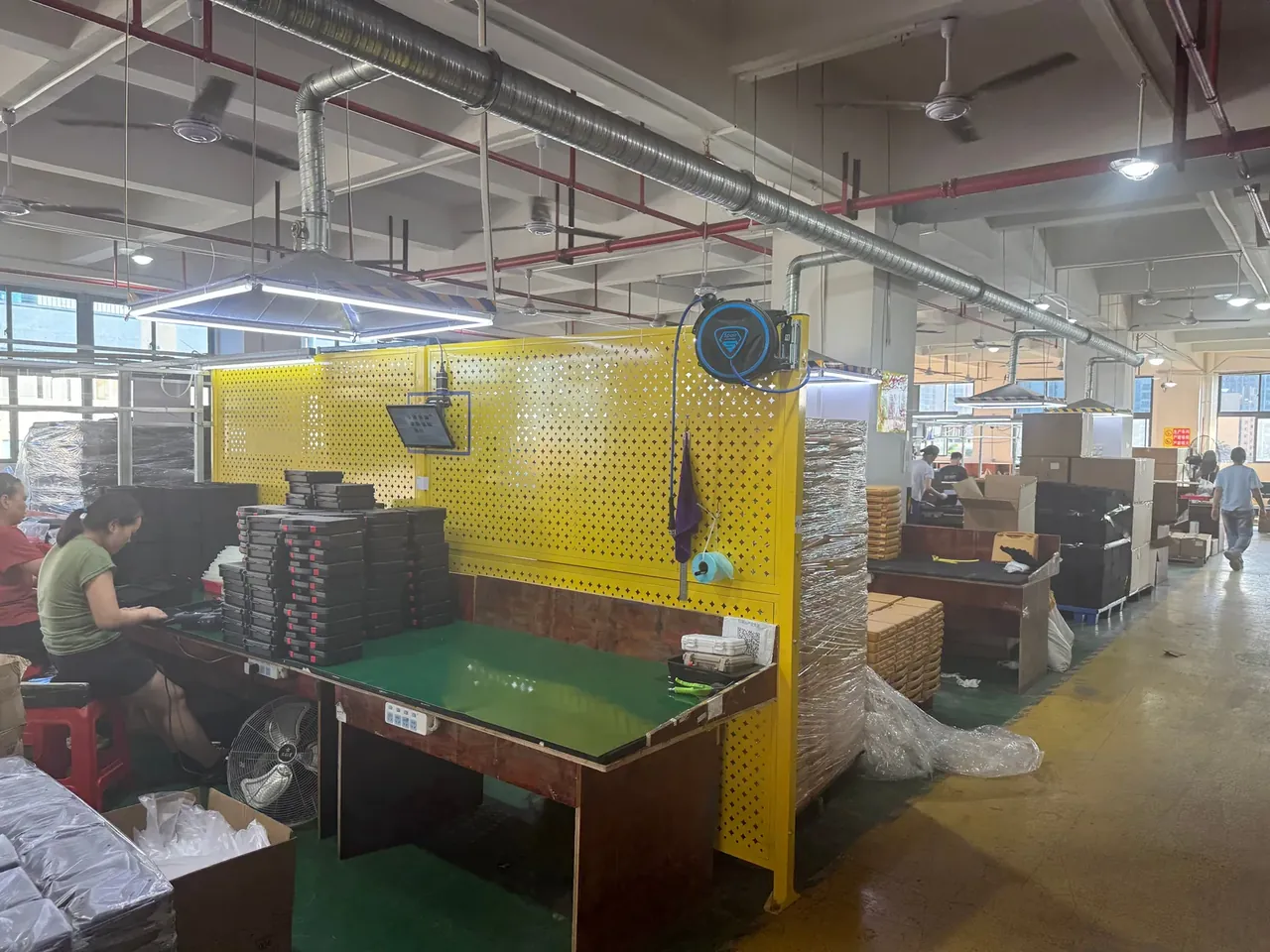
Step pricing is the half most buyers miss. Moving from 300 to 500 units cuts 6%, and 500 to 1000 cuts 11%. An order quoted at 480 units that grows to 520 belongs in the 500 band; keep the 480 price and the 6% vanishes quietly.
| Volume added | Reschedule | Delivery effect | Price band |
|---|---|---|---|
| Under 10% | No | Unchanged | Current band |
| 10% to 30% | One night shift | Unchanged or +1 day | New band if crossed |
| Over 30% | Yes | +7 days and up | Requoted |
Volume also pulls on material already issued. Same colour and grade, and the top-up takes 2 days; batch already moulded, and the extra units need a fresh issue and drying cycle, neither of which sits on the schedule after an order change.
3. Recolouring: 90 Minutes and 3 kg
A recolour costs cleaning time, transition scrap, and a new colour panel. Clearing the hopper, screw and hot runner takes 90 minutes, and material between the first shot and a stable shade counts as 3 kg of scrap. Dark to light needs two clean-outs, 180 minutes and 6 kg.
Colour reaches back into material already issued. Pigmented pellets cannot return to natural, so the mixed portion is written off at 85%, with 15% kept for blending into the same family.
| Recolour case | Clean-outs | Scrap, kg | Slip |
|---|---|---|---|
| Same family, lighter or darker | 1 | 3 | +7 days |
| Dark to light | 2 | 6 | +7 days |
| New family, olive to orange | 2 | 6 | +14 days |
| After material issue | 2 | 6 | +14 days, plus 85% write-off |
A colour panel is not mixed on the spot; it is re-shot and signed off in writing. Pale material is far more sensitive to a shade difference, so approval takes twice as long. Running before the signature produces the wrong shade, and reworking a batch costs more.
4. A One-Page Change Note and a 24-Hour Reply
The order change note is one page and five columns: change type, original value, new value, days lost, and who carries the cost. Anything beyond those columns is a remark, and remarks never reach the system. The cost column is left blank most often, and a blank column turns reconciliation into two versions of one story.
Set the reply window at 24 hours. No answer in 24 hours means the original order stands, and that sentence belongs in the contract, or every order change becomes a negotiation. The window protects the only slot left: with 7 days of freeze, a three-day reply leaves four.
Two free changes per order, then a fixed fee. The allowance is not permission to keep editing; it separates small edits from structural ones. The first two are usually a few dozen units or another shade. The third usually means the design is unsettled, and a fee settles that faster than an argument.
Put the freeze and the note into the contract together: 7 days before production is frozen, a recolour is +7 days and a new family +14 days, replies come in 24 hours, and each order carries 2 free changes.
Conclusion
Order change management is a sequence: freeze the quantity, settle the shade, write it into a one-page note. Quantity is fixed before the 7-day freeze, volume runs along the 10% and 30% lines, and shade is settled before material is issued, so the 90-minute clean-out and the 3 kg of scrap are paid once. In that order it is arithmetic; backwards, it is an argument nobody wins.
Related Reading
- How mixed orders are picked and delivered
- How a quotation is broken down
- Five criteria for bulk case orders
- Production SOP steps and cycle standards
Related Products
- 8 Series — Gun Cases; Military Equipment Cases; Camera Equipment Cases; Drone Cases; Watch Cases; Knife Cases; First Aid Cases; Electronics Equipment Cases
- WL8-2812 PP Gun Case — model WL8-2812
- All protective cases and toolboxes: 7 series, 158 models