

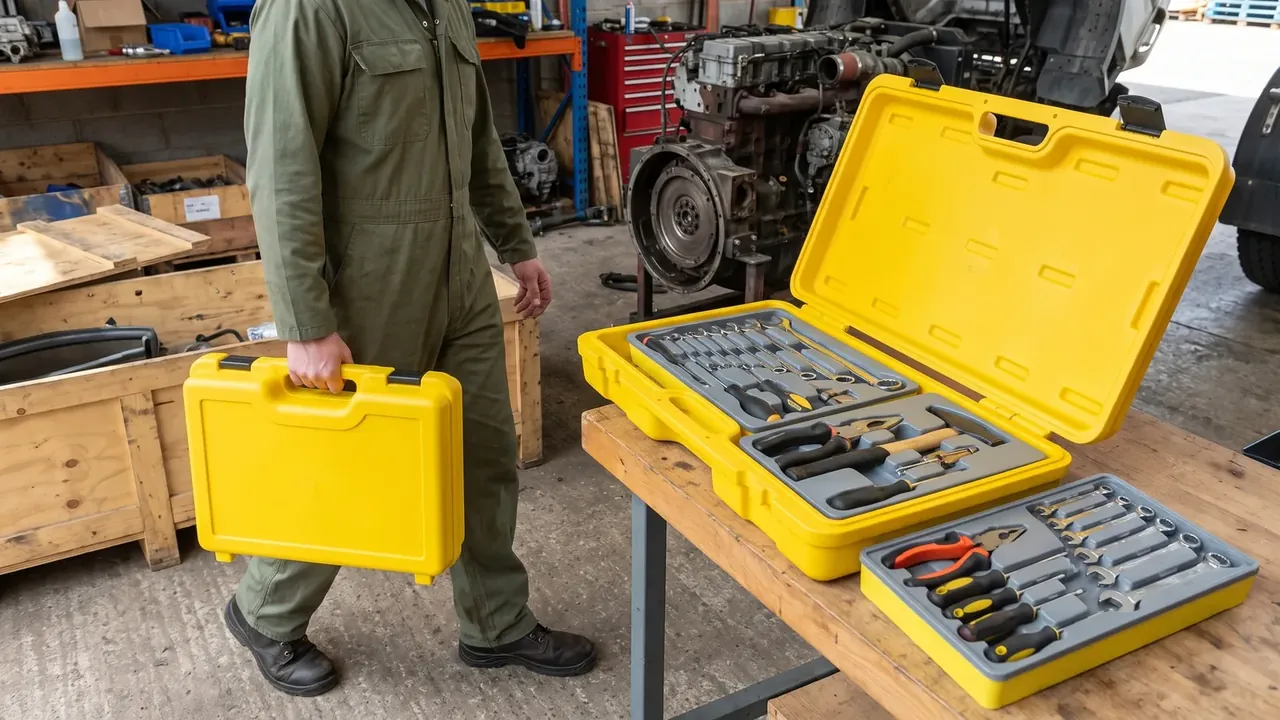
Quick answer: Case overseas custom runs on three deadlines: 48 h drawing sign-off, 5 day sample confirmation and a 72 h release window, each late day moving the line.
Table of contents
- The time ledger: 7 h offset, 3 h overlap
- Checkpoint one: 48 h drawing sign-off
- Checkpoint two: 5 days to confirm samples
- Checkpoint three: the 72 h release window
- FAQ
1. The time ledger: 7 h offset, 3 h overlap
The buyer's office opens at 08:00 while the factory floor is at 15:00, and by the 18:00 close the buyer is at 11:00 and heading to lunch. That leaves 3 h a day for anything needing a live answer.
An email round trip costs 24 h: sent in the morning, read the next morning, answered with two more questions, decided on the third pass. Run drawings, samples and release through that loop twice each and 6 working days become 3 weeks. Case overseas custom is rarely slow because the mould shop is slow; it is slow because no checkpoint carries a deadline.
Deadlines belong to actions, not to people. The same 48 h given to an engineer and to a buyer produces two different compliance rates.
A 90 min video audit works if it is scripted: 15 min of line flow, 30 min on key stations, 20 min at the leak tank and drop rig, 15 min on first-article and patrol records, 10 min for questions. Send the agenda 48 h ahead and nobody hunts for a workshop on the call.
Schedule the 3 h too: 15 min progress check, 60 min on drawings and sample photos, 45 min on decisions written into minutes. Anything raised after 17:00 waits a day.
2. Checkpoint one: 48 h drawing sign-off
A freeze is not a PDF sent across; it is 6 parameters locked: outer dimensions, wall thickness, resin grade, colour, hardware part numbers and foam layout. Leave one of the 6 as to-be-advised and the signature means nothing.
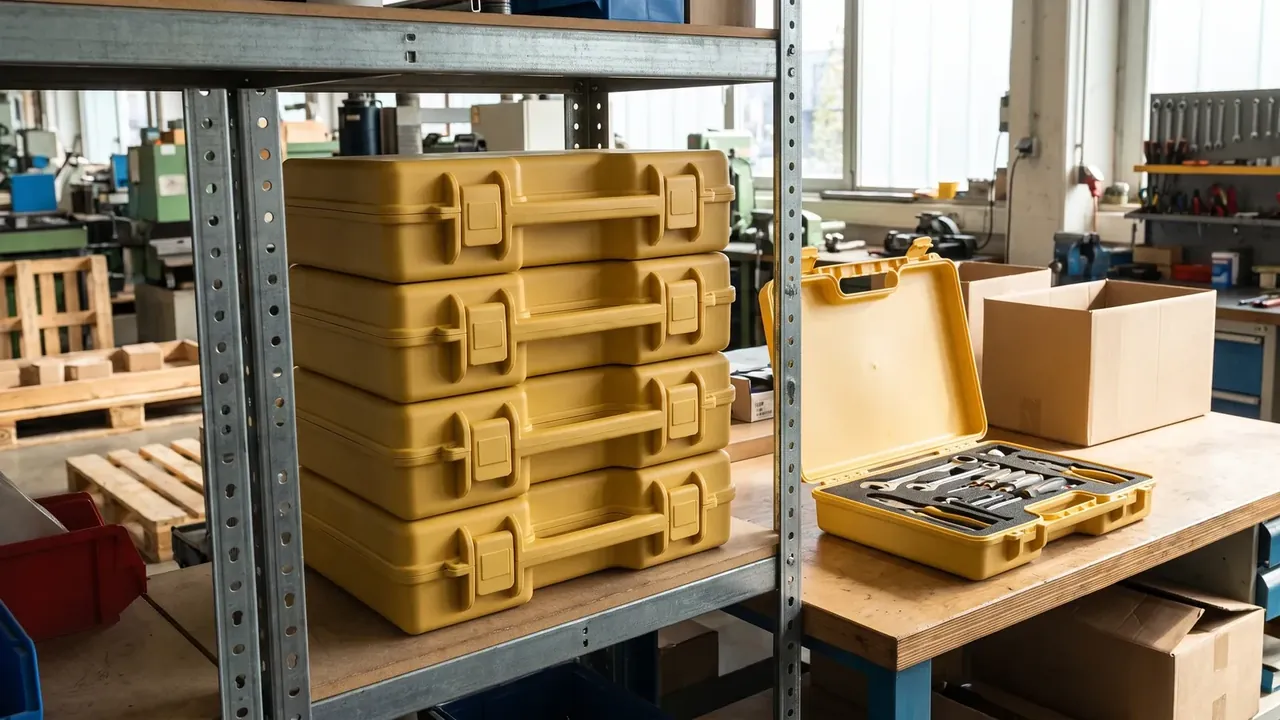
The signature pack is 3 pages: a tick-box parameter sheet, a signature page and a blank page for change notes. A scanned PDF is binding if the name on it can pay for a tool change.
The 48 h starts when the pack is sent, stretches to 72 h over a weekend, and the expiry goes in the email body. Without an expiry, 48 h becomes next week.
A freeze pack is 8 documents: assembly drawing, part drawings, colour chip, hardware list, foam drawing, packaging drawing, inspection sheet and change log. All 8 make a freeze, not one drawing.
Number revisions A, B, C rather than V1, V2, and the floor reads only the latest freeze email. Two numbering systems on one job guarantee a wrong drawing at the machine.
Miss the deadline and the mould slot moves back without charge to the factory; change anything afterwards and one colour line becomes a material swap, a purge and a first-article check.
3. Checkpoint two: 5 days to confirm samples
A sample takes 3 days in transit plus 2 at customs, so arrival runs 5 days behind dispatch. The clock starts at receipt; leave that unsaid and the two calendars never agree.
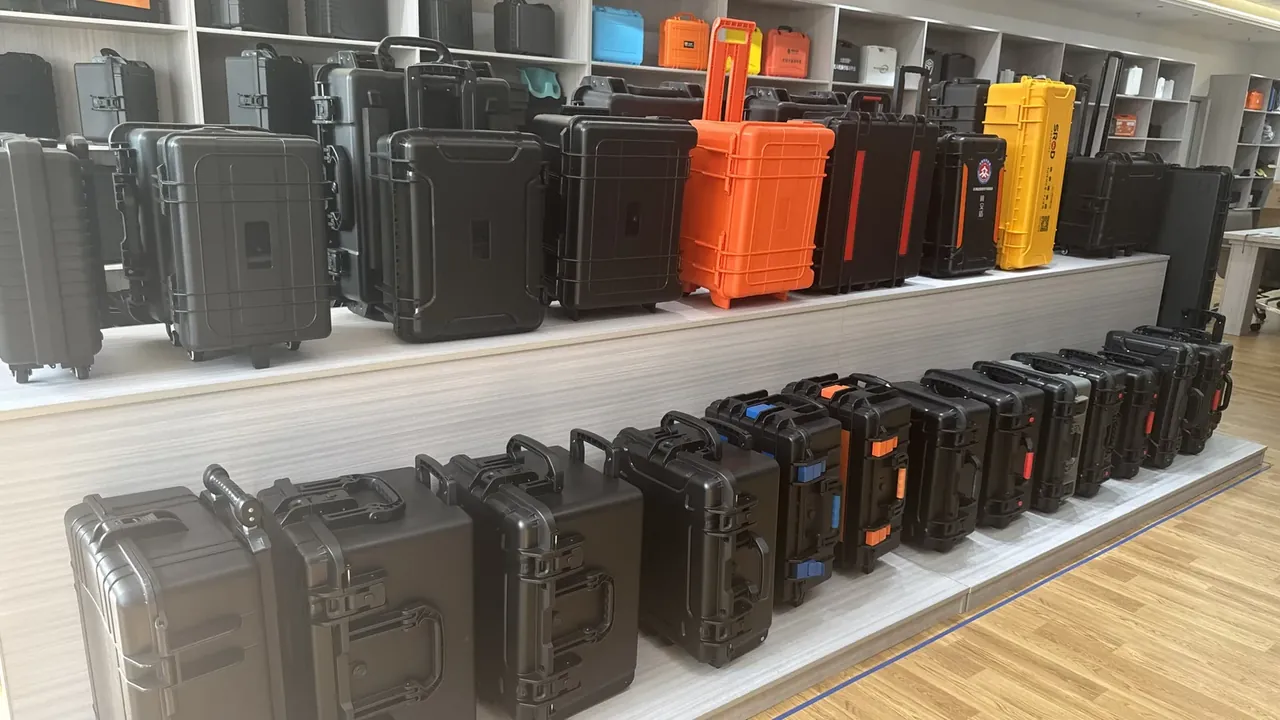
Case overseas custom confirmation must be on paper, because looks-fine on a call does not count. Within 5 days the sheet goes out in 3 copies: buyer, factory and project manager, so a dispute argues over the same page.
No reply in 5 days is not approval. A reminder goes on day 6 and the sample is marked unconfirmed on day 8, and production stays shut. Silent approval turns silence into consent.
Keep 3 samples: one to the buyer, one retained, one in reserve, sealed with date and revision.
The sheet lists what is judged: colour chip and print position, 5 key dimensions, latch action and handle play, foam fit and rebound. Each line is pass, fail or accept, and an accept needs a reason.
Where sample and drawing disagree the frozen drawing wins and the concession is written separately, which removes 3 rounds of rework. Two rounds are normal; leave 5 days between them for tool edits.
4. Checkpoint three: the 72 h release window
Release is the only checkpoint that carries production risk: once signed, mould, material and people are committed. The window is 72 h from dispatch of the pack, weekends included.
The pack holds 3 items: a first-article record with 8 key dimensions and 1 colour chip set, the packing list with a shipping mark proof, and the resin and colour batch numbers. An objection must name the line; let us look again is not an objection.
No answer in 72 h and the factory runs to the approved sample, provided the contract says so.
A missed checkpoint turns up as days:
| Delay | Scheduling effect | Booked cost |
|---|---|---|
| 3 days | still inside the mould slot | 0, absorbed by overtime |
| 7 days | first shipment goes by air | freight up USD 2,500 |
| 14 days | 2 mould changes, line idle | unit cost up 4% |
| 21 days | order slips a quarter | annual volume re-based |
Earlier is not always better. Freeze a week early and the sample moves with it; 3 days in transit does not shrink because someone chased it. Keep the 5 day buffer between sample and release.
Do not build the first batch in one go: release 30%, pull 8 units, then run the remaining 70%.
Conclusion
Write the three checkpoints as one table and responsibility lands on a person: drawings at 48 h with engineering, samples at 5 days with quality, release at 72 h with the project lead. Three lines plus a table beat a 20 page agreement, because each person only remembers their own row.
Case overseas custom can close in 10 days, not because someone chases harder, but because every checkpoint has an expiry and a signature. Put the deadline in the subject line, put the delay rule in the contract, and keep the 3 h overlap for disagreements rather than for sending files.
| Checkpoint | Deadline | Signing parties | If missed |
|---|---|---|---|
| Drawing freeze | 48 h, 72 h over a weekend | buyer engineering + factory engineering | slot moves, factory not charged |
| Sample confirmation | 5 days after receipt | buyer quality + project manager | reminder day 6, unconfirmed day 8 |
| Production release | 72 h | buyer purchasing + factory project | silence means release, if contracted |
This article discusses container-side specifications and design implications only, and does not cover any handling, loading or use of the contents.
Related Reading
- Retaining and receiving samples
- What tooling samples cost
- Splitting work on an OEM case project
- Export packing and shipping marks
Related Products
- 8 Series — Gun Cases; Military Equipment Cases; Camera Equipment Cases; Drone Cases; Watch Cases; Knife Cases; First Aid Cases; Electronics Equipment Cases
- WL8-2812 PP Gun Case — model WL8-2812
- All protective cases and toolboxes: 7 series, 158 models