

Quick answer: A Sample Fee is refundable only if the clause says so: three conventions cover it, no refund, credit against a qualified order, or full waiver. Prototypes run ¥1200 to ¥2600 and simple moulds ¥6000 to ¥16000.
Table of contents
- What the Sample Fee Actually Buys
- Convention One: No Refund
- Convention Two: Credit on a Qualified Order
- Convention Three: Full Waiver
- Writing the Credit Clause and Keeping the Sample
- FAQ
1. What the Sample Fee Actually Buys
The Sample Fee is not one price but four costs added up: prototype machining, a simple mould, a short printing run and freight. They behave differently at credit time, and blending them into one figure is how a friendly conversation becomes a dispute.
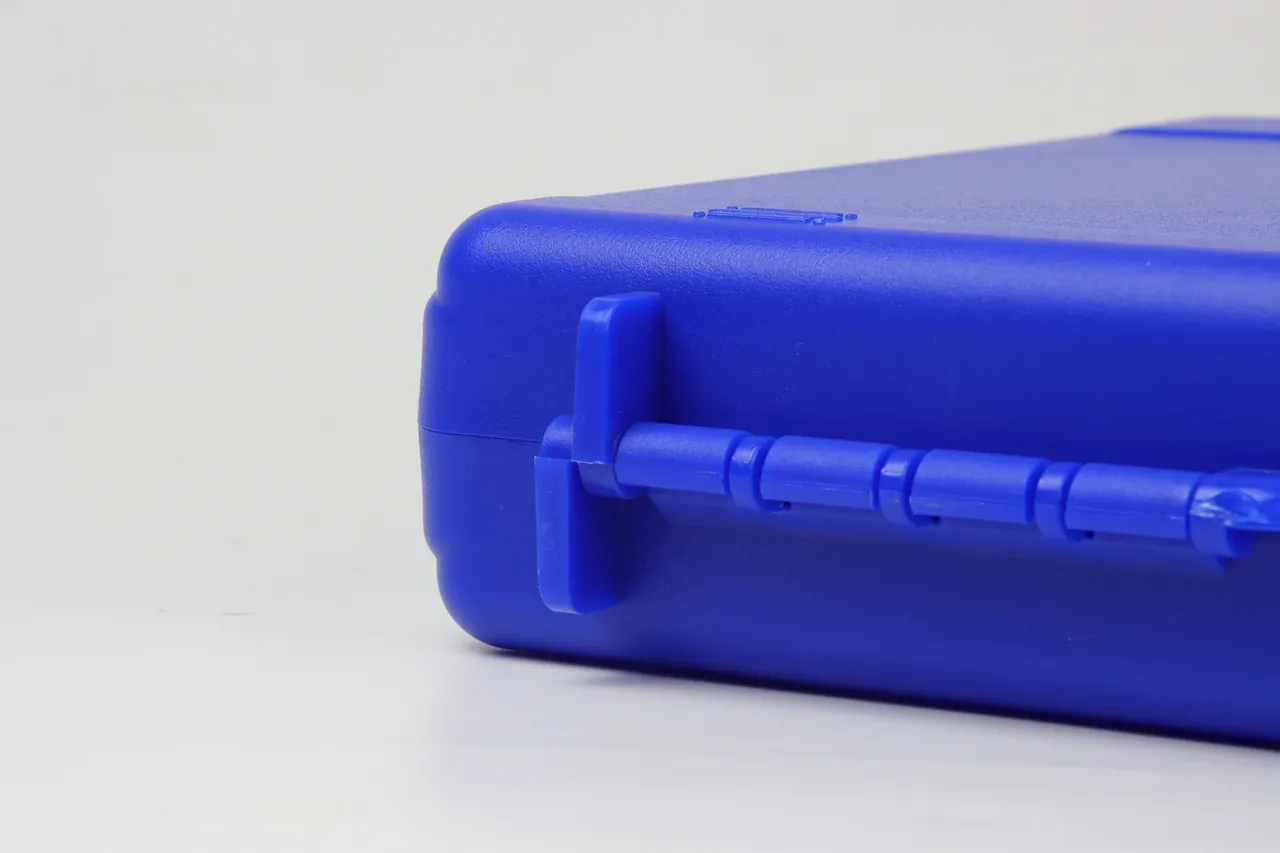
Prototyping is the common line. A CNC prototype of a 400 mm by 300 mm by 180 mm case, lid and insert included, bills at ¥1200 to ¥2600 in 5 to 7 days. A 3D print costs ¥800 to ¥1500 but needs sanding and only proves the shape.
The simple mould is the expensive line: an aluminium or epoxy tool at ¥6000 to ¥16000, lasting 300 to 1500 shots over 12 to 18 days. That money is a deposit on tooling, because the cavity carries your shrink rate and clip positions and cannot be resold.
| Item | Cost (¥) | Lead time | Usual treatment |
|---|---|---|---|
| CNC prototype | 1200–2600 | 5–7 days | Often creditable |
| Simple mould | 6000–16000 | 12–18 days | Rarely creditable |
| Screens and proof run | 230–400 | 2–3 days | Creditable |
| Freight | 60–900 | 1–5 days | Not creditable |
2. Convention One: No Refund
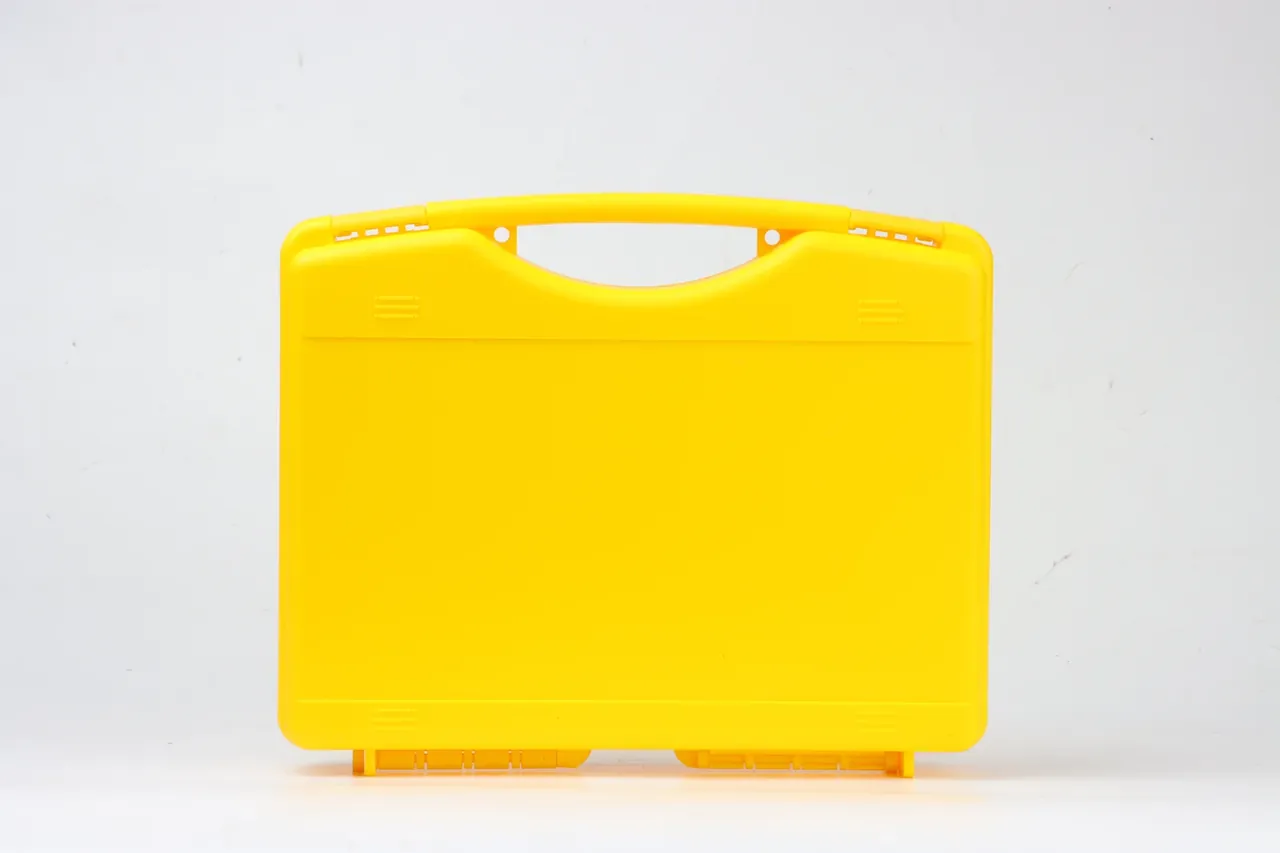
No refund is the most common wording in the trade, and it dominates enquiries where the design is still moving. A prototype carries the buyer's shell shape and insert cut-outs, so no other customer can use it, and a simple mould dies with the next revision.
For the buyer the clause is not purely bad. Money that will not come back buys queue position: on the same line a paid prototype is promised in 5 days while an unpaid one waits 10 or more.
The scope must be drawn when the clause is written. The usual trap is a line that refuses a refund but says nothing about revisions, so three clip changes arrive as a fresh invoice. Workable wording keeps the first build non-refundable, charges ¥600 to ¥1200 for a revision within the same exterior, and treats the third round as a new sample.
One line is routinely forgotten: who owns the sample. Under no refund the sample belongs to the buyer while the tool and program stay with the supplier. Without that sentence, buyers assume the drawing came with the payment.
3. Convention Two: Credit on a Qualified Order
Credit against a qualified order suits funded projects. The fee is paid up front, then deducted from goods once the order passes an agreed volume; if the volume never arrives, the money stays where it is.
The trigger needs quantity and time together. Quantity alone lets a buyer order in year three; time alone lets a supplier set a threshold nobody can reach. The workable form is a cumulative 3000 units within 12 months.
| Convention | Trigger | Credit rate | Where it lands |
|---|---|---|---|
| No refund | None | 0 | Paid in full up front |
| Credit on order | 3000 units in 12 months | 100% prototype, 50% mould | Inside the deposit |
| Full waiver | Single order above 10000 units | Waived at source | Starts on deposit receipt |
The rate matters as much as the trigger. Prototypes are usually credited at 100 percent against the first payment, simple moulds at 50 percent with the rest treated as tooling. A ¥9000 sample over 3000 units is ¥3 per case, which keeps the accounts simple.
Where the credit lands is the detail that gets missed. A deduction inside the deposit changes the buyer's cash position at once; a deduction inside the balance waits for shipment. The gap is 30 to 60 days of working capital.
4. Convention Three: Full Waiver
A waiver looks like the best deal and carries the hardest conditions: a single order above 10000 units, or a signed annual frame. A supplier can afford it because ¥9000 across 10000 units is ¥0.9 per case.
In practice a waiver is deferred, not forgiven. The clause usually adds that if no order arrives within 12 months the standard ¥9000 is invoiced, and if volume lands below 10000 units the difference is recovered. That sentence deserves a slow read.
There is also a hidden cost in the queue. Free samples sit behind paid ones, so a prototype stretches from 5 days to 12 and a simple mould from 15 to 25. When a launch date is fixed, two lost weeks cost more than the fee saved.
5. Writing the Credit Clause and Keeping the Sample
The credit clause needs three lines, not length: the trigger, the mechanism, and what happens if the trigger fails.
| Clause line | Suggested wording | What fails without it |
|---|---|---|
| Trigger | Cumulative 3000 units within 12 months | Order drifts with no end date |
| Mechanism | Credited against the deposit at ¥3 per case | Finance cannot reconcile |
| Lapse | 50% recovered if volume misses | Both sides claim a different deal |
Ownership belongs on its own line. The common split gives the sample to the buyer and the tool, program and jigs to the supplier, with a buy-out priced as tooling. That must match the tooling-ownership clause word for word.
Invoice the sample and the tool separately. A sample is a service and a tool is an asset, with different tax treatment, and a combined invoice is routinely returned for reissue.
Conclusion
Whether a Sample Fee comes back depends on the convention, then the trigger, then who holds the sample and the tool. Each convention buys something: no refund buys queue position, a credit buys commitment, a waiver buys annual volume. The test is short — quantity, deadline, lapse rule. With all three written, sign it.
Related Reading
- Tooling and jig cost in custom case projects
- Who owns the mould and the drawing
- What a protective case quotation must specify
- Payment milestones on case orders
Related Products
- 8 Series — Gun Cases; Military Equipment Cases; Camera Equipment Cases; Drone Cases; Watch Cases; Knife Cases; First Aid Cases; Electronics Equipment Cases
- WL8-2812 PP Gun Case — model WL8-2812
- All protective cases and toolboxes: 7 series, 158 models