

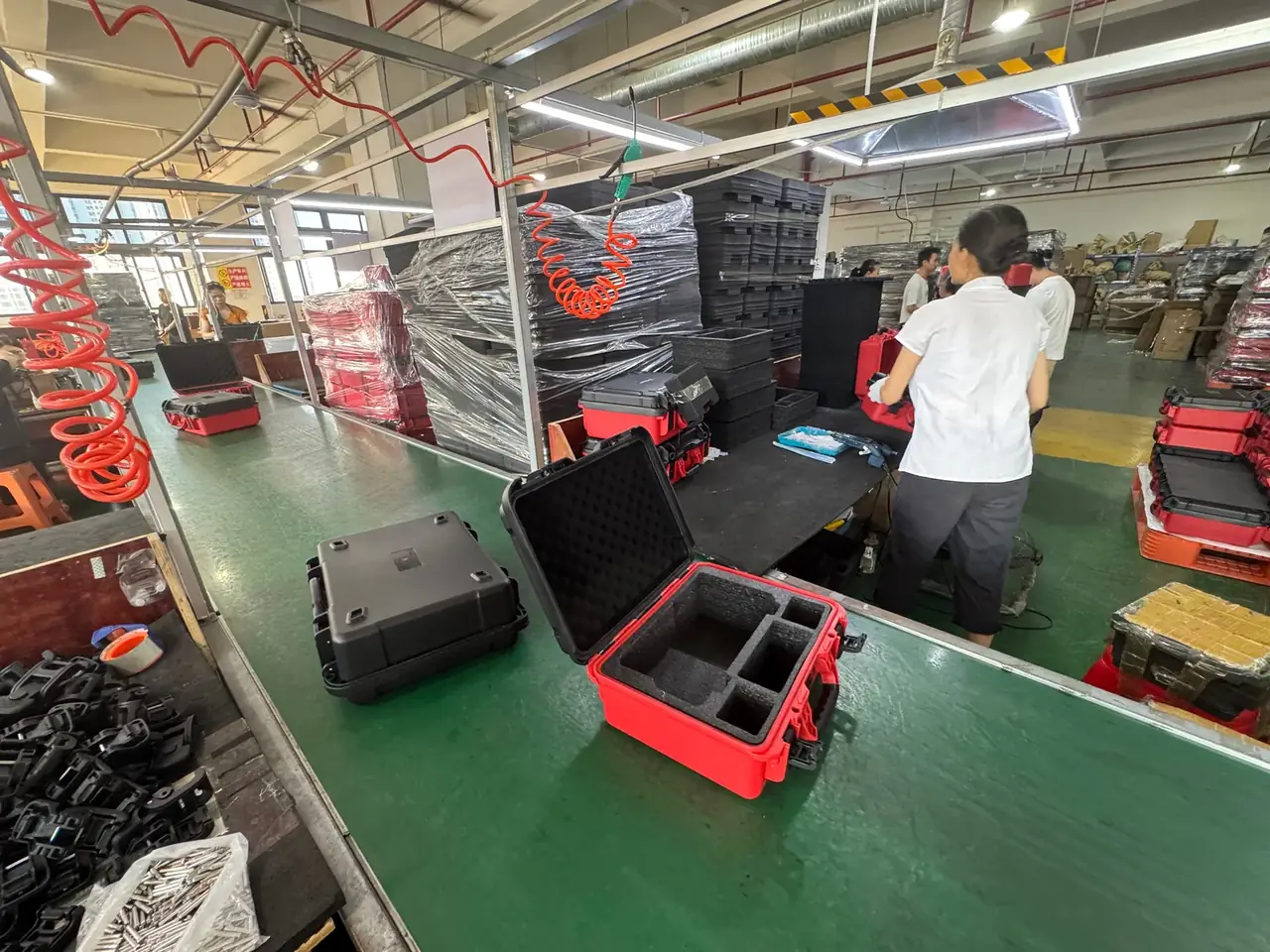
Quick answer: Case packaging cost runs 7.9 USD on a 58 USD case, 6.8% of a 116 USD FOB price, split into 4.2 for the carton, 2.6 for the EPE liner and 1.1 for the pallet.
Table of contents
- The share before the absolute number
- How the 7.9 splits
- Where the overpacking knee sits
- Three routes to 5.5%
- Who pays under three Incoterms
- FAQ
1. The share before the absolute number
A 420 mm × 320 mm × 180 mm case leaves the mould at 58 USD, reaches 92 USD once latches, handles and wheels are fitted, and carries 7.9 USD of packing, 10.3 USD of labour and 5.8 USD of margin to a 116 USD FOB price. The packing line is 6.8% of the quote, yet it is 2.1 USD larger than the margin under it.
| Cost element | USD per unit | Share of FOB |
|---|---|---|
| Case shell | 58.0 | 50.0% |
| Latches, handles and wheels | 34.0 | 29.3% |
| Packing | 7.9 | 6.8% |
| Labour and energy | 10.3 | 8.9% |
| Margin | 5.8 | 5.0% |
| Total | 116.0 | 100% |
The division matters more than the sum. The same 7.9 USD is 13.6% of a 58 USD case and 3.8% of a 210 USD case, so one deserves a redesign and the other will not repay an hour of engineering. Ask for the share of FOB first, then the absolute figure.
Packing sits fourth in that table, above the margin line. Cutting 7.9 to 6.4 lifts margin from 5.8 to 7.3, a 26% gain that is easier than a resin negotiation: one point of resin is 0.58 USD and the supplier defends it.
2. How the 7.9 splits
The 7.9 USD separates into a 4.2 USD carton, a 2.6 USD EPE liner and 1.1 USD of pallet amortisation, or 53.2%, 32.9% and 13.9% of packing. The carton costs 1.6 USD more than the liner: one is a custom item, the other a cut sheet.
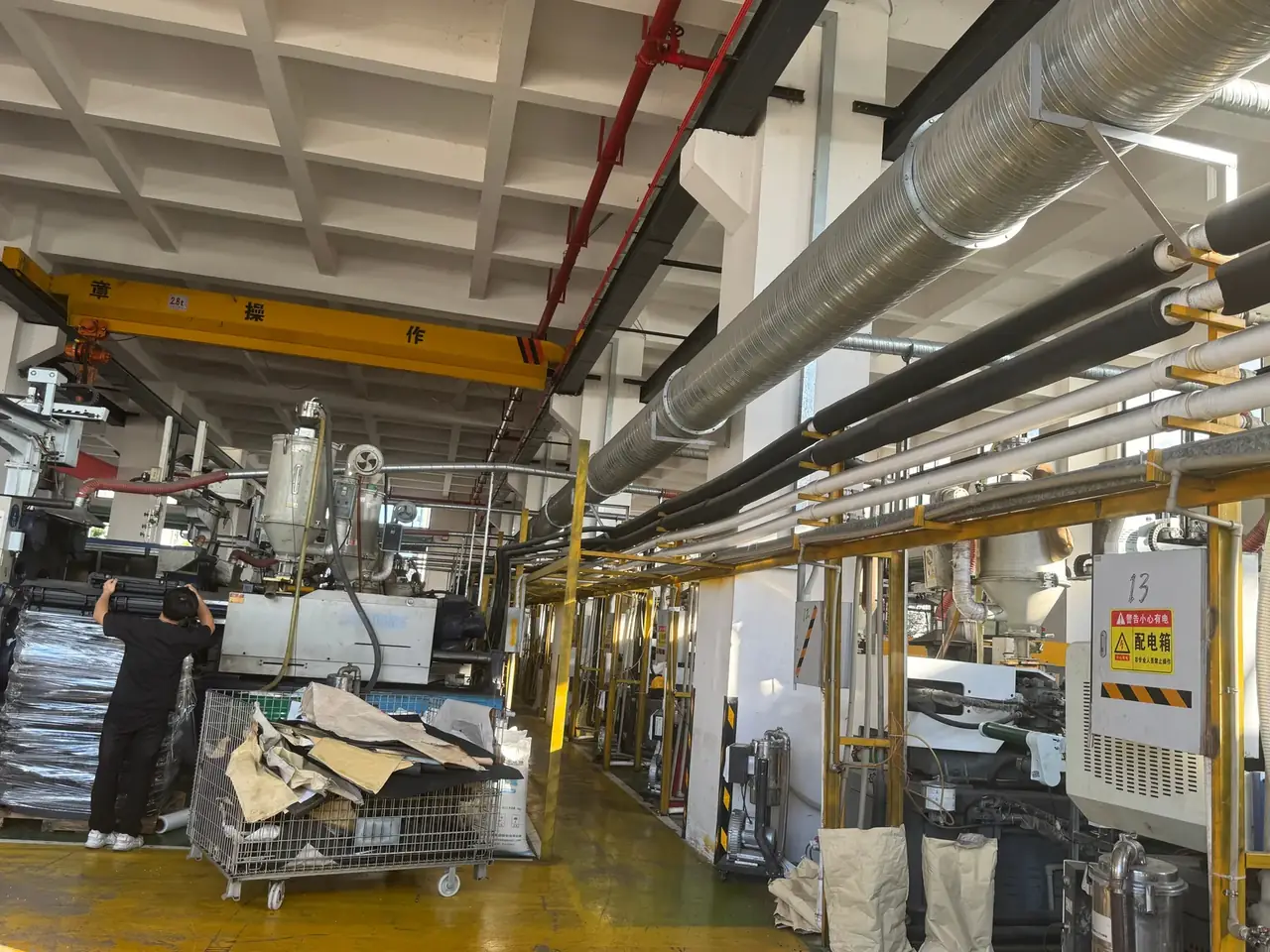
The carton carries three drivers: 200 g/m² linerboard over 120 g/m² fluting in five-ply AB board, a 440 mm × 340 mm × 200 mm blank, and two-colour print. Flute decides compression, grammage decides price. The same blank in three-ply B board at 480 g/m² lands at 3.4 USD, but compression falls from 4200 N to 2600 N and a five-high stack crushes.
The liner is the only line that buys cushioning directly. Two 30 mm EPE sheets at 25 kg/m³ use 0.62 m² for 2.1 USD plus 0.5 USD of cutting, and 40 mm pads on four corners add only 0.15 USD.
The pallet figure is amortised, not purchased. A 1200 mm × 1000 mm pallet costs 52.8 USD, holds 12 cases and makes 4 trips, so 52.8 ÷ 12 ÷ 4 = 1.1 USD. At a 70% return rate it makes 2.8 trips, lifting the charge to 1.6 USD.
| Packing item | USD per unit | Share of packing | Headroom |
|---|---|---|---|
| Carton, five-ply AB | 4.2 | 53.2% | 0.8, lighter board |
| EPE liner, 30 mm | 2.6 | 32.9% | 0.6, local pads |
| Pallet amortisation | 1.1 | 13.9% | 0.1, higher returns |
| Total | 7.9 | 100% | 1.5 |
3. Where the overpacking knee sits
Spend and damage do not move in a straight line. Across 3 shipments of 600 cases on one lane, packing at 5.8 USD gave 3.4% damage, 6.9 USD gave 1.1%, 7.9 USD gave 0.6% and 9.4 USD gave 0.45%. The first two steps buy 2.3 points per dollar; above 7.9 USD each extra 1.5 USD buys 0.15 points.
Convert damage into money and the knee sharpens. One damaged case costs 174 USD: 116 USD for the replacement shell, 46 USD of second freight and 12 USD of handling. At 3.4% that is 5.92 USD per unit shipped; at 0.6% it is 1.04 USD, so 2.1 USD of extra packing saves 4.88 USD.
The next step is not. Moving from 7.9 to 9.4 USD trims damage to 0.45%, saving 0.26 USD against 1.5 USD of extra board and wrap. Beyond the knee the money buys reassurance, not protection.
The knee sits at 7.9 USD, the 6.8% position. Group twelve months of damage records by packing tier, add packing charge to damage cost in each tier, and take the lowest total: here the totals run 11.72 USD at 5.8, 8.94 USD at 7.9 and 9.66 USD at 9.4.
4. Three routes to 5.5%
A 5.5% share means 6.4 USD per unit, so 1.5 USD must come out of 7.9: 0.8 USD from lighter board, 0.6 USD from a new liner layout and 0.1 USD from fewer sizes. Order matters, because thinning board spends compression headroom the other two moves leave alone.
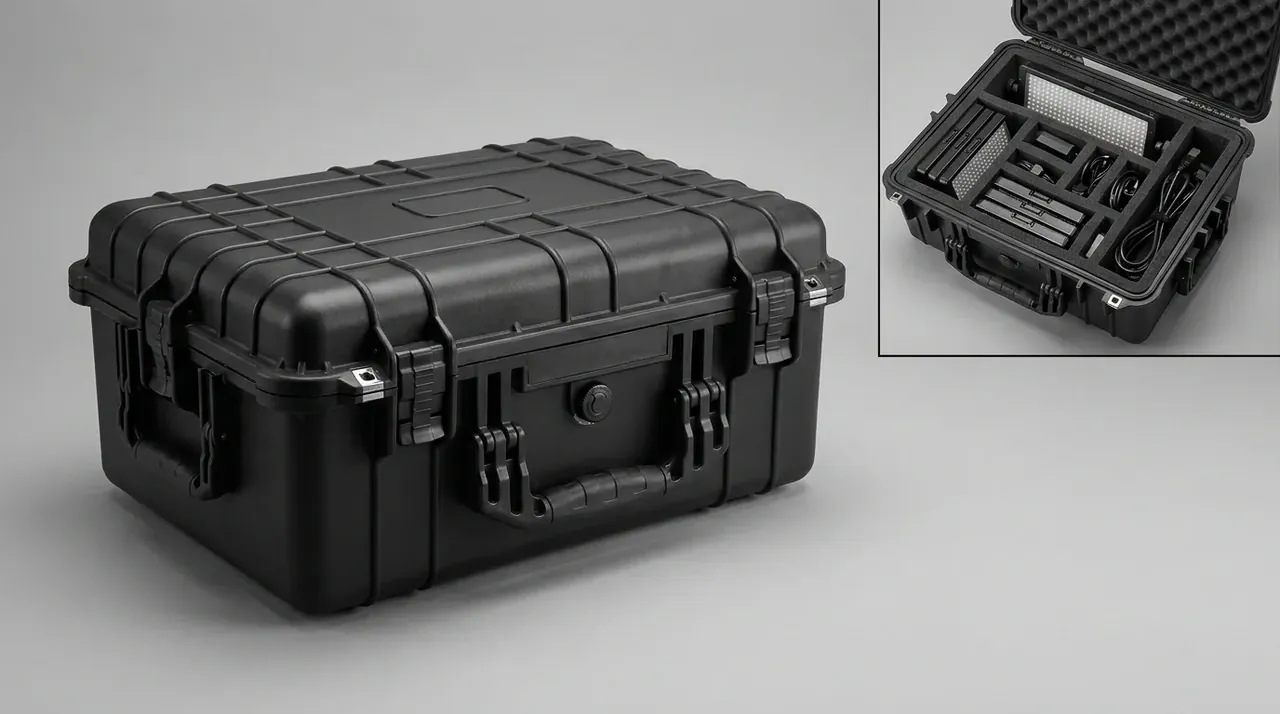
Thinning is the fastest route. Five-ply AB at 700 g/m² becomes three-ply B at 480 g/m² and 4.2 USD becomes 3.4 USD. Compression drops from 4200 N to 2600 N, so confirm three conditions: no more than 5 cases high, no more than 18 kg gross, no more than 3 transfers.
The liner change is safer. A full 30 mm wrap becomes 20 mm with 40 mm corner pads, stock falls from 0.62 m² to 0.48 m² and 2.6 USD becomes 2.0 USD. The corners carry the load, so a 1.2 m six-face drop peaks only 6 G higher, inside the 85 G limit.
Consolidating sizes is a management move: nine cartons become five, plates fall from nine sets to five, amortisation drops from 0.35 USD to 0.22 USD, and warehouse slots fall from 14 to 8. The last 0.03 USD comes from ordering 5000 cartons at a time instead of 800.
5. Who pays under three Incoterms
Under FOB the packing charge sits in the unit price: packing is included, the buyer raises any specification objection in writing 7 days before shipment, and no adjustment follows shipment.
Under CIF the seller pays freight and insurance, so packing follows the carrier's stow plan, damage from improper stow is the carrier's liability, and the seller answers only for the strength of the packing.
Under DDP the seller delivers to the door, so the clause states an outcome: arrival integrity of at least 99.4%, with free replacement and a 45-day settlement if it falls short. DDP packing usually costs 0.6 USD more, which buys the right to skip the port dispute.
One clause is routinely missing: oversize surcharges. Above 14 kg gross or 1200 mm on one side, carriers bill 1.8 USD per unit as out-of-gauge, and an unstated payer hands back most of the 1.5 USD saved.
Conclusion
The case packaging cost argument belongs in percentages, not unit prices. At 7.9 USD the packing line takes 6.8% of FOB and outruns the 5.8 USD margin; at 6.4 USD it takes 5.5% and margin climbs to 7.3. Run the routes in order, consolidating sizes, then relining, then thinning, and tie each to a check: 14 slots down to 8, drop peak under 85 G, stack under 5 cases. Judge with one line, packing charge plus damage cost, lowest total wins; here the minimum sat at 7.9 USD, so re-measure after the move to 6.4.
| Cost element | Now, USD | Target, USD | Action |
|---|---|---|---|
| Carton | 4.2 | 3.4 | Five-ply AB to three-ply B |
| EPE liner | 2.6 | 2.0 | 20 mm wrap plus 40 mm corners |
| Pallet amortisation | 1.1 | 1.0 | Return rate to 90% |
| Total | 7.9 | 6.4 | 5.5% of FOB |
This article discusses container-side specifications and design implications only, and does not cover any handling, loading or use of the contents.
Related Reading
- How export packaging is built
- Export packaging specifications and standards
- Case weight and freight cost
- Buying export packaging
Related Products
- 8 Series — Gun Cases; Military Equipment Cases; Camera Equipment Cases; Drone Cases; Watch Cases; Knife Cases; First Aid Cases; Electronics Equipment Cases
- WL8-2812 PP Gun Case — model WL8-2812
- All protective cases and toolboxes: 7 series, 158 models