

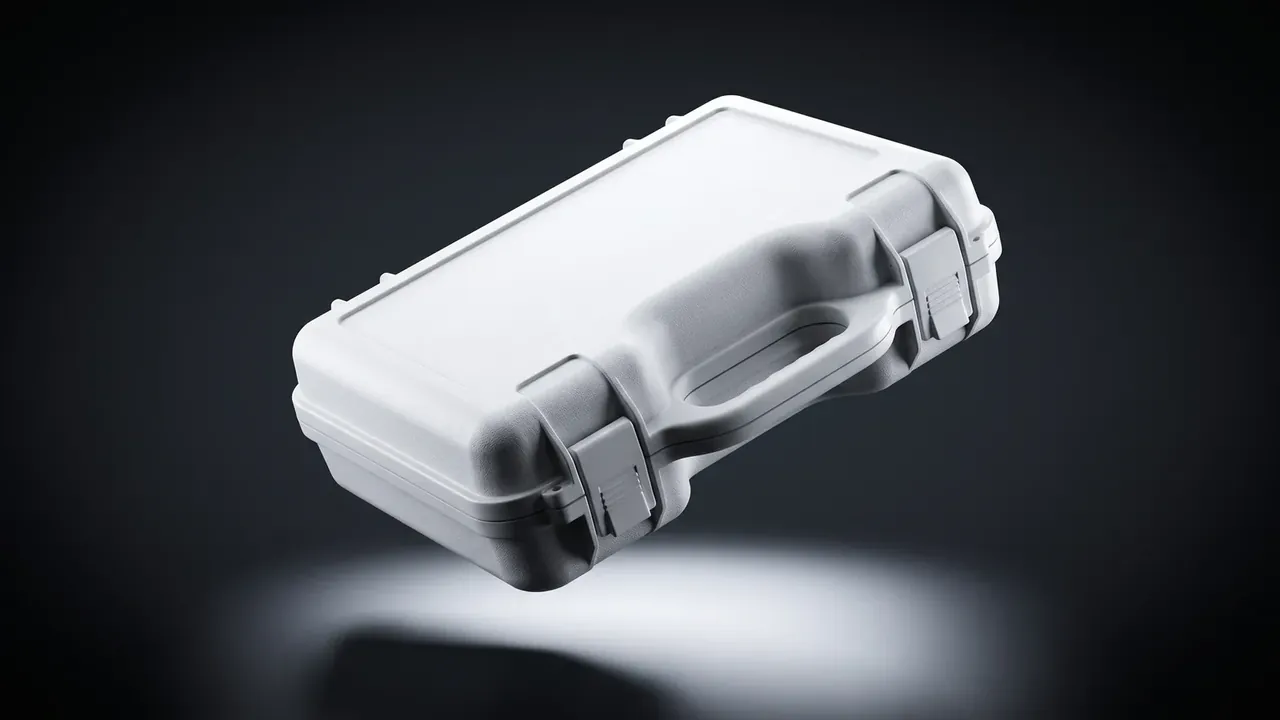
Quick answer: Acceptance of a plastic waterproof cigarette case is not a sentence about being waterproof. Turn it into five dock readings — wall, vacuum, immersion, latch pull, hinge cycles — then route failures by class.
Table of contents
- What a plastic waterproof cigarette case must survive first
- Where the pass line is written
- Four field checks and their readings
- Handling failures: repair, downgrade, reject
- Three columns on the acceptance sheet
- FAQ
1. What a plastic waterproof cigarette case must survive first
A July afternoon, a box van at the dock: 47 °C mid-bed, 82% relative humidity, cartons three tiers high. The first thing to fail on a plastic waterproof cigarette case here is not the seal. It is the lid.
Heat releases moulded-in stress; the lid sags within four hours, and 0.8 mm stops the gasket being squeezed. Three tiers put about 9 kg on the bottom case, and a thin wall bulges, pulling the catch out of engagement.
| Condition | Reading | First failure |
|---|---|---|
| Closed-van heat | 47 °C, 82% RH, 4 h | Lid sag, soft gasket |
| Three-tier stack | 9 kg on bottom unit | Wall bulge, latch offset |
| Dock drop | 1.1 m | Corner crack, loose hinge boss |
Three conditions, three failures, one line on the sheet.
What is verified is a reading, not a feel.
2. Where the pass line is written
On the drawing, water resistance is three measurable lines: wall, gasket compression, latch retention. Tolerances come from the drawing, methods from the standard, the gap from the sheet.
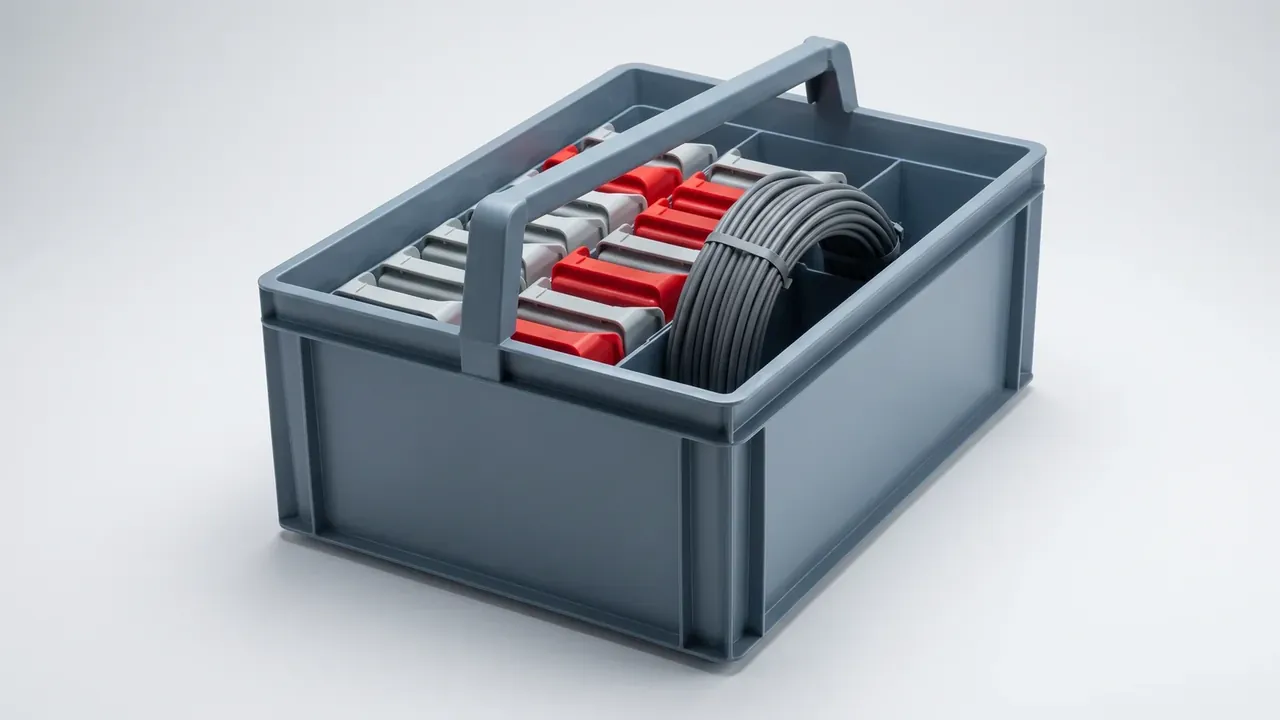
First line, thickness: 1.8 mm body, 2.0 mm lid, plus or minus 0.1 mm, five ultrasonic points, minimum below 1.7 mm fails.
Second, the sealing face. A 3.5 mm silicone cord must compress 25% to 30%; less and water passes, more and it takes a set and loses rebound by the third open.
Third, latch retention: two over-centre catches holding at least 150 N, pulled with a gauge and read at peak.
| Item | Pass value | Method |
|---|---|---|
| Body wall | 1.7 mm minimum | Ultrasonic, five points |
| Gasket compression | 25% to 30% | Feeler gauge |
| Vacuum hold | -30 kPa, 90 s, drop under 1.5 kPa | Gauge, stopwatch |
| Immersion | 300 mm, 30 min, no trace | Tank, balance |
| Latch retention | 150 N minimum | Force gauge |
Every row needs a number, not two words on a form.
3. Four field checks and their readings
No laboratory on a dock: a folding table, a tank, twenty minutes per case.
- Thickness: probe the middle and four corners, keep the lowest of five; under 1.7 mm the unit fails.
- Vacuum: latch the lid, draw to -30 kPa, time 90 seconds; a drop past 1.5 kPa means a gap on the sealing face.
- Immersion: sink the weighted case to 300 mm for 30 minutes, dry, open, look for traces; a 2 g gain means ingress.
- Latch pull: pull to 150 N, hold 5 seconds; a catch that springs back has failed.
Two items come from records: hinge alignment after 3,000 cycles, and corner whitening.
Hinges are overlooked more often than latches.
4. Handling failures: repair, downgrade, reject
A failure is not a return. Grade it, then pick the route: three classes, one disposal path each, written into the contract.
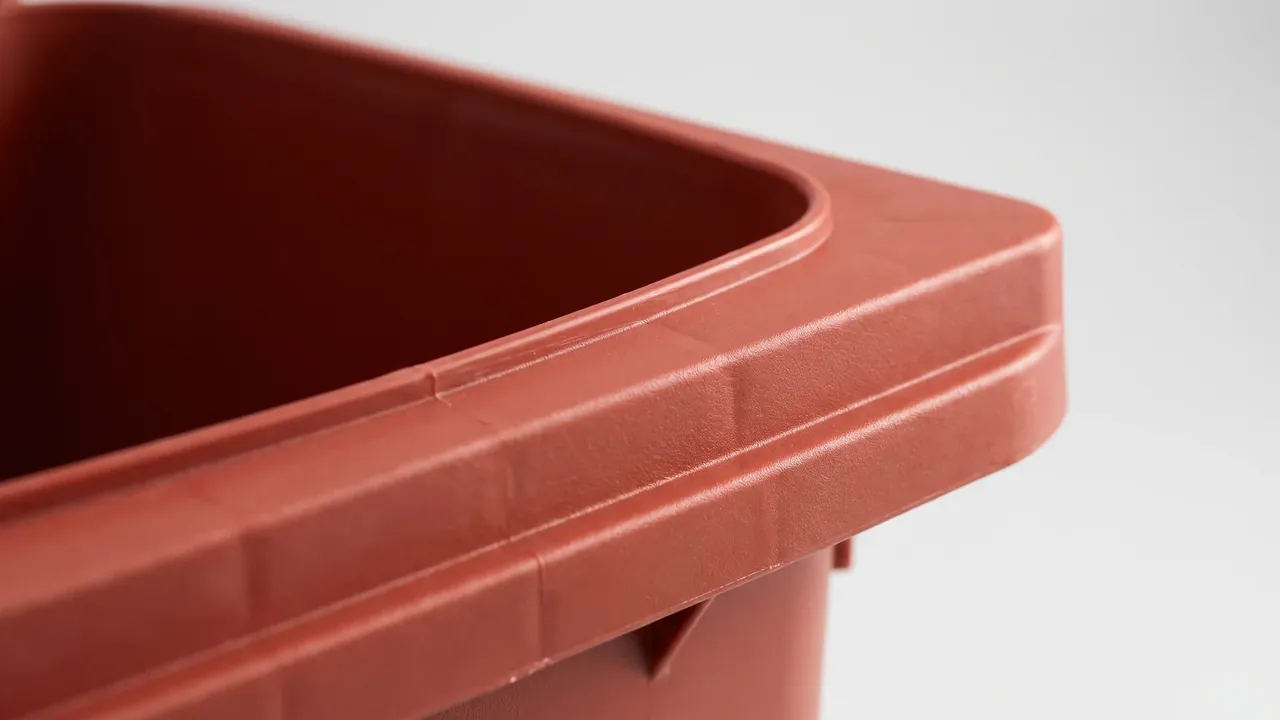
Class A is critical: water inside after immersion, a catch releasing at 150 N, a cracked body. Nothing ships.
Class B is major: wall under 1.7 mm, vacuum drop past 1.5 kPa, compression below 25%. Repair the cord or catch, then screen every unit.
Class C is minor: colour, flash, print offset. Accept with a credit or downgrade at seventy percent.
Sampling is fixed in advance: on a 1,200-piece batch draw 13 units; one Class A returns the batch, three Class B tighten to 32, where two more also return it.
| Class | Finding | Disposal |
|---|---|---|
| A critical | Ingress, latch release, crack | Batch returned |
| B major | Wall 1.65 mm, drop 2 kPa | Repair, full screen |
| C minor | Colour, flash, print offset | Credit or downgrade |
5. Three columns on the acceptance sheet
The sheet needs three columns: item, pass value, evidence. Miss one and it fails in a dispute.
Name the item as the drawing does: body wall thickness, not how thick it feels. Give the value a unit: -30 kPa for 90 seconds. Evidence is a photograph and a raw reading, such as the inner wall as the lid opens.
Retest rules are usually left out. A good first article does not make a good batch: tool wear pulls the wall down after the two-thousandth shot, and a new cord lot shifts compression. Write four triggers into the sheet: material change, mould change, a line stop past seven days, or two consecutive batches with Class B defects. Each forces a new first article. Thickness, vacuum and latch are mandatory; immersion and salt spray may cite the previous report if dated after the last material change. Put those triggers on paper and the sheet becomes a rule for every later batch of the plastic waterproof cigarette case.
Conclusion
Acceptance of a plastic waterproof cigarette case turns one adjective into five numbers: wall, vacuum, immersion, latch pull, hinge cycles. Put the pass lines on drawing and sheet, split failures into three classes, and repair, downgrade and return each find their place. Twenty minutes of readings before loading costs far less than a batch of rework, which is the real value of a plastic waterproof cigarette case test.
This article discusses only the container (case body) side of specifications and design intent, and does not cover any handling, loading or use of the contents.
Related Reading
- IP ratings and test conditions for hard cases
- Structure and cushioning of airdrop cases
- A three-column SOP for case production
- Pallet marks, carton count and weight
Related Products
- 8 Series — Gun Cases; Military Equipment Cases; Camera Equipment Cases; Drone Cases; Watch Cases; Knife Cases; First Aid Cases; Electronics Equipment Cases
- WL8-2812 PP Gun Case — model WL8-2812
- All protective cases and toolboxes: 7 series, 158 models