

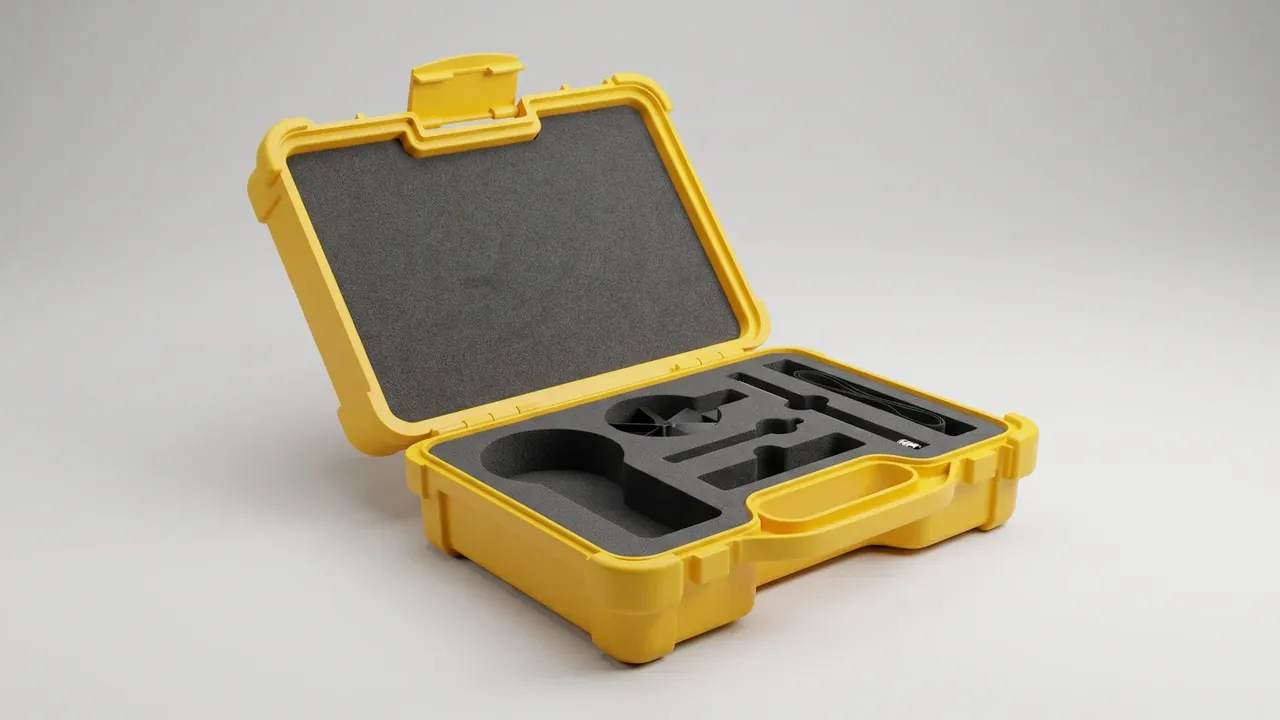
Quick answer: A private label plastic tool box is priced in four blocks: tooling, shot weight against resin price, hardware and packaging. Moulding starts at 500 units single colour, a colour change needs a 25 kg drum, and the calendar runs 45 to 60 days.
Table of contents
- How a Private Label Plastic Tool Box Quote Is Built
- MOQ Lines for Mould Colour and Packaging
- Lead Time from Tooling to Shipment
- Cost Items That Must Be Fixed
- Factory Audit and First Batch Control
- FAQ
1. How a Private Label Plastic Tool Box Quote Is Built
A private label plastic tool box is quoted in four blocks, never one lump: tooling, shot weight against resin price, hardware and packaging. The gap between suppliers on the same drawing sits in how those blocks are bounded.
Tooling is where padding hides. A body mould for a 600 by 400 by 200 mm case costs about RMB 30,000 in hardened steel: RMB 10 a unit across 3,000 pieces, RMB 3 across 10,000, so ask what quantity the price is amortised over. A 1.9 kg PP body at RMB 9,000 a tonne carries about RMB 18 of resin; stainless hardware costs RMB 6 more a set.
| Block | Basis | Buyer supplies |
|---|---|---|
| Tooling | Mould cost by units | Annual volume, ownership |
| Resin | Shot weight × 1.05 | Grade, colour, rating |
| Hardware | Per set | Latch material, handle load |
2. MOQ Lines for Mould Colour and Packaging
Split the minimum into three lines. Moulding follows the press, where 500 units single colour is the floor; colour follows the drum, at 25 kg minimum; printing follows the plate, 1,000 for screen and 2,000 for pad.
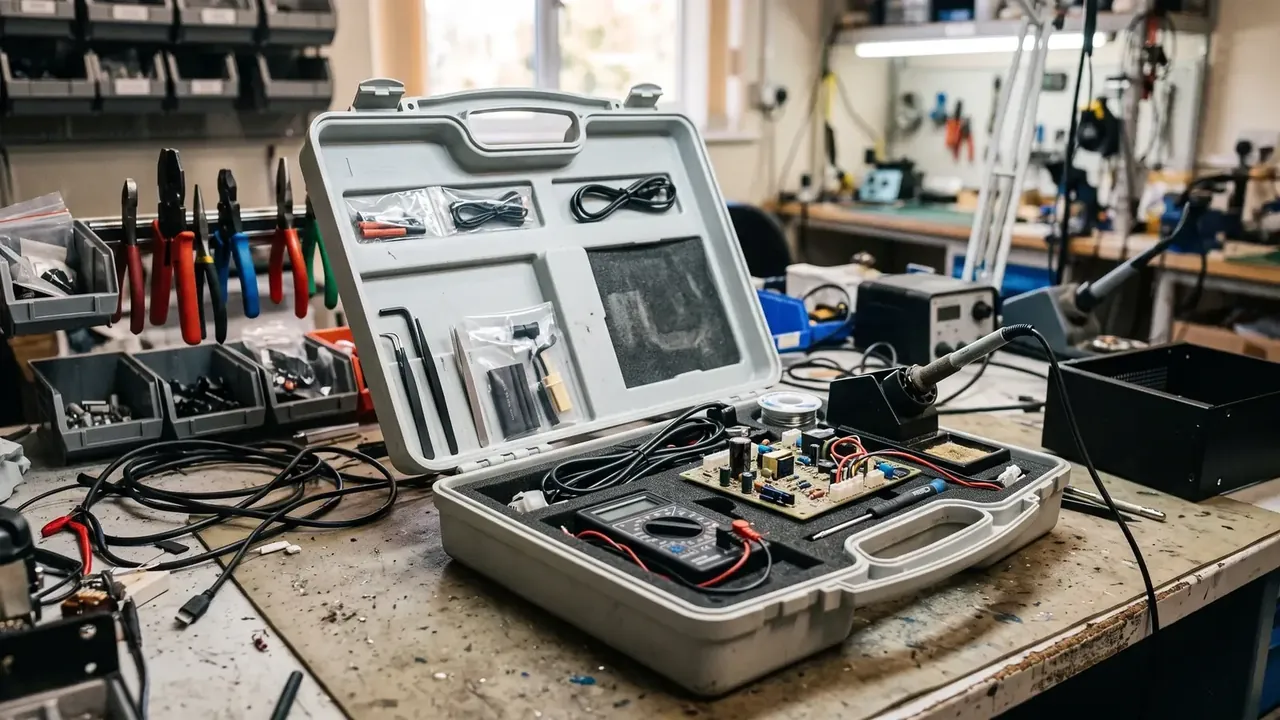
The drum is the line buyers forget: off-white, yellow and olive need a barrel purge at every change, and the purged resin lands on the buyer's invoice. A first batch in natural, colour on the second run, trades one order for one purge.
3. Lead Time from Tooling to Shipment
Seven checkpoints run in series: artwork 3 days, prototype 8, mould 28, T1 and correction 12, production 22, inspection 2, booking 7. That chains to 45 to 60 days, and a slip at any point moves everything behind it.
| Stage | Days | Where it stalls |
|---|---|---|
| Artwork | 3 | Cavity or insert pockets |
| Mould | 28 | Tool shop queue |
| T1 and fix | 12 | Sink and warpage |
| Production | 22 | Hardware late |
| Inspection | 9 | Space and cut-off |
A busy tool shop stretches 28 days to 35, and 22 days of production assumes 1,000 units on one cavity across two shifts. Write the clause as 22 days from T1 approval, not 60 from the order.
4. Cost Items That Must Be Fixed
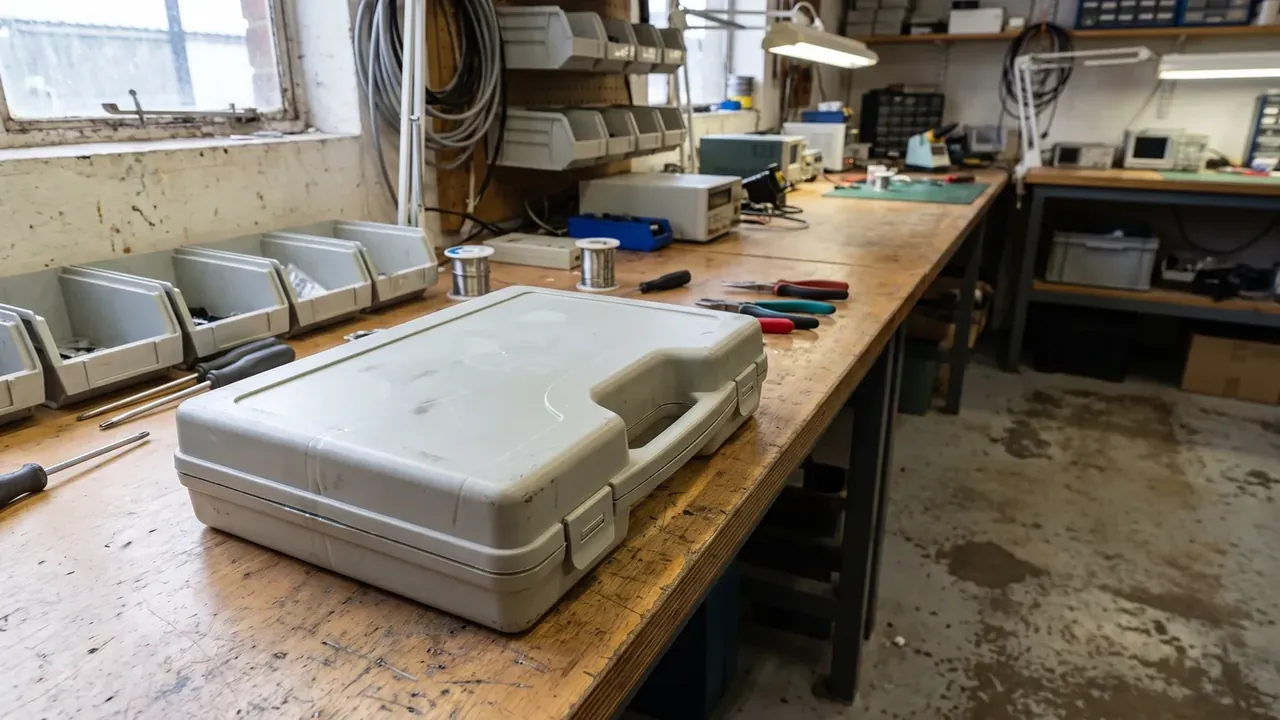
Five items belong in writing: mould ownership, resin linkage, colour tolerance, packing and acceptance limits.
Resin linkage is most often skipped: PP moves twenty percent a year, so price should follow shot weight once the tonne price shifts RMB 500. Colour needs numbers, ΔE within 1.5 inside a batch and 2.5 across. Acceptance is not match the sample: plus or minus 1.2 mm on the cavity, 2.5 mm minimum wall, 5,000 latch cycles, a handle holding 25 kg for 10 minutes.
5. Factory Audit and First Batch Control
Audit five things. Press tonnage first, since a 600 mm case needs 800 tonnes of clamp; then the mould register; lot traceability from case to compound batch; salt spray reports; and a packing line with separate labelling and sealing.
| Audit item | Look at | Pass line |
|---|---|---|
| Presses | Tonnage, count | Two or more at 800 t |
| Moulds | Register, log | Numbered and racked |
| Lots | Traceability | Back to compound batch |
| Hardware | Salt spray | Grade 9 at 48 hours |
First-batch risk sits in colour, assembly and hardware: five cases side by side under one light, 20 for latch feel and lid gap, 10 hardware sets for load and cycles.
Conclusion
Buying a private label plastic tool box comes down to three boundaries: which four blocks build the price, which three lines set the minimum, which seven checkpoints set the calendar. Send the parameters before asking for the number, and the private label plastic tool box project moves faster than any round of price pressure.
This article discusses only the container (case body) side of specifications and design intent, and does not cover any handling, loading or use of the contents.
Related Reading
- How to specify a case insert
- Order minimums in small batch work
- What a supplier audit covers
- Portable plastic tool boxes against alternatives
Related Products
- 8 Series — Gun Cases; Military Equipment Cases; Camera Equipment Cases; Drone Cases; Watch Cases; Knife Cases; First Aid Cases; Electronics Equipment Cases
- WL8-2812 PP Gun Case — model WL8-2812
- All protective cases and toolboxes: 7 series, 158 models