

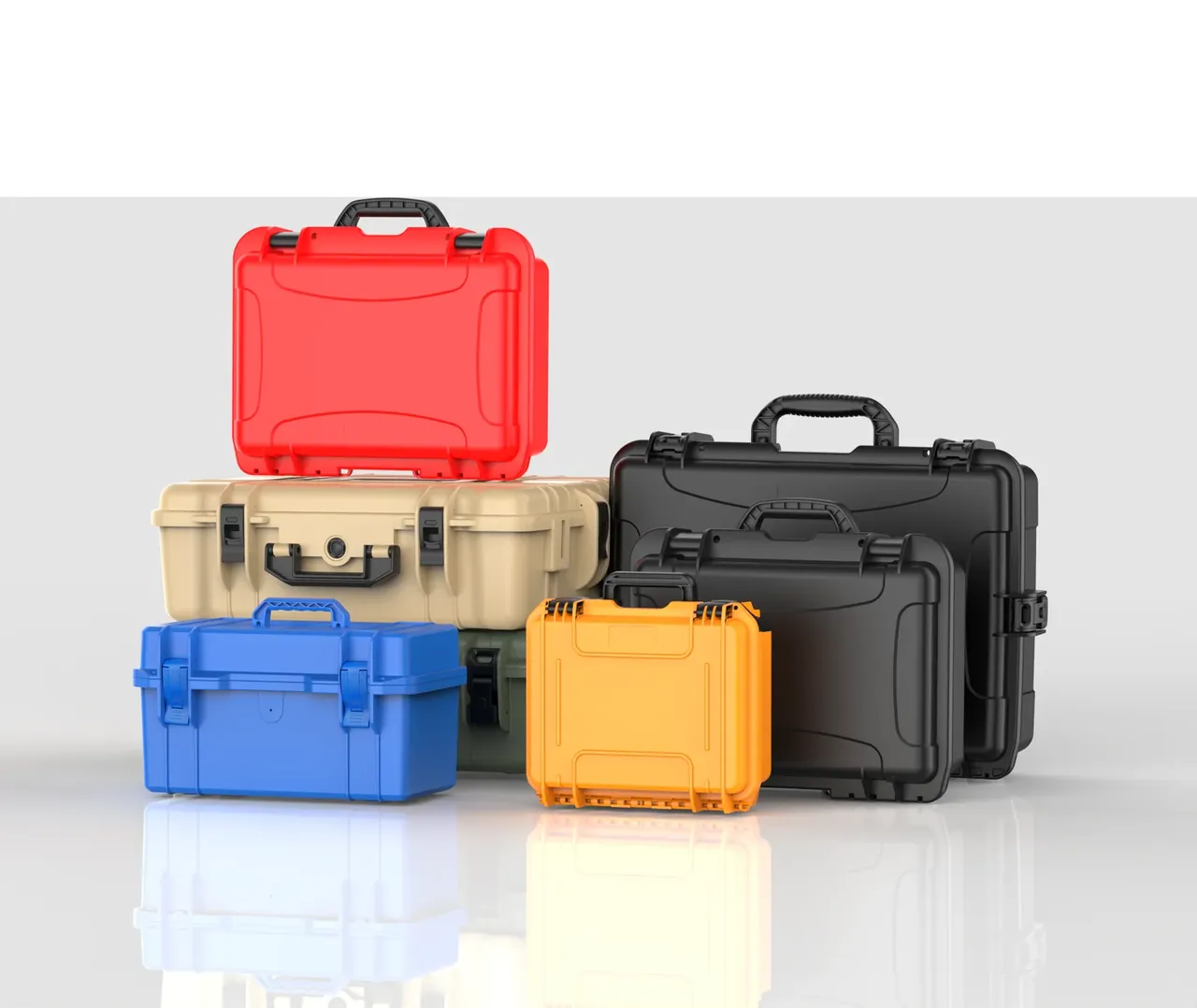
Quick answer: A projectile pallet is not a case. It is a load deck that turns one item or a group into a unit that can be lifted, forked and stacked. Three checks decide fitness: whether load reaches the lifting points, whether stops limit movement, and whether the sling holds its angle.
Table of contents
- What a Projectile Pallet Is: A Load Deck
- Load Path: From Feet to Stringers
- Lifting Design: Four Points and Sling Angle
- Location and Stacking: Stops, Slots, Tiers
- Materials and Limits: Steel, Wood, Plastic
- FAQ
1. What a Projectile Pallet Is: A Load Deck
A pallet is the most misread part in logistics. It looks like a board, yet it spreads a concentrated load, holds it in position, and hands the unit to a crane or fork truck.
A case handles closure and cushioning, a projectile pallet handles support and transfer. Its drawing carries no interior dimensions, only deck thickness, beam spacing, point coordinates and stop height.

| Function | Structure | Criterion |
|---|---|---|
| Support | Deck plus stringers | Deflection below span over 200 |
| Location | Stops and slots | Movement under five millimeters |
| Lifting | Four points and rings | Sling angle not below 45 degrees |
2. Load Path: From Feet to Stringers
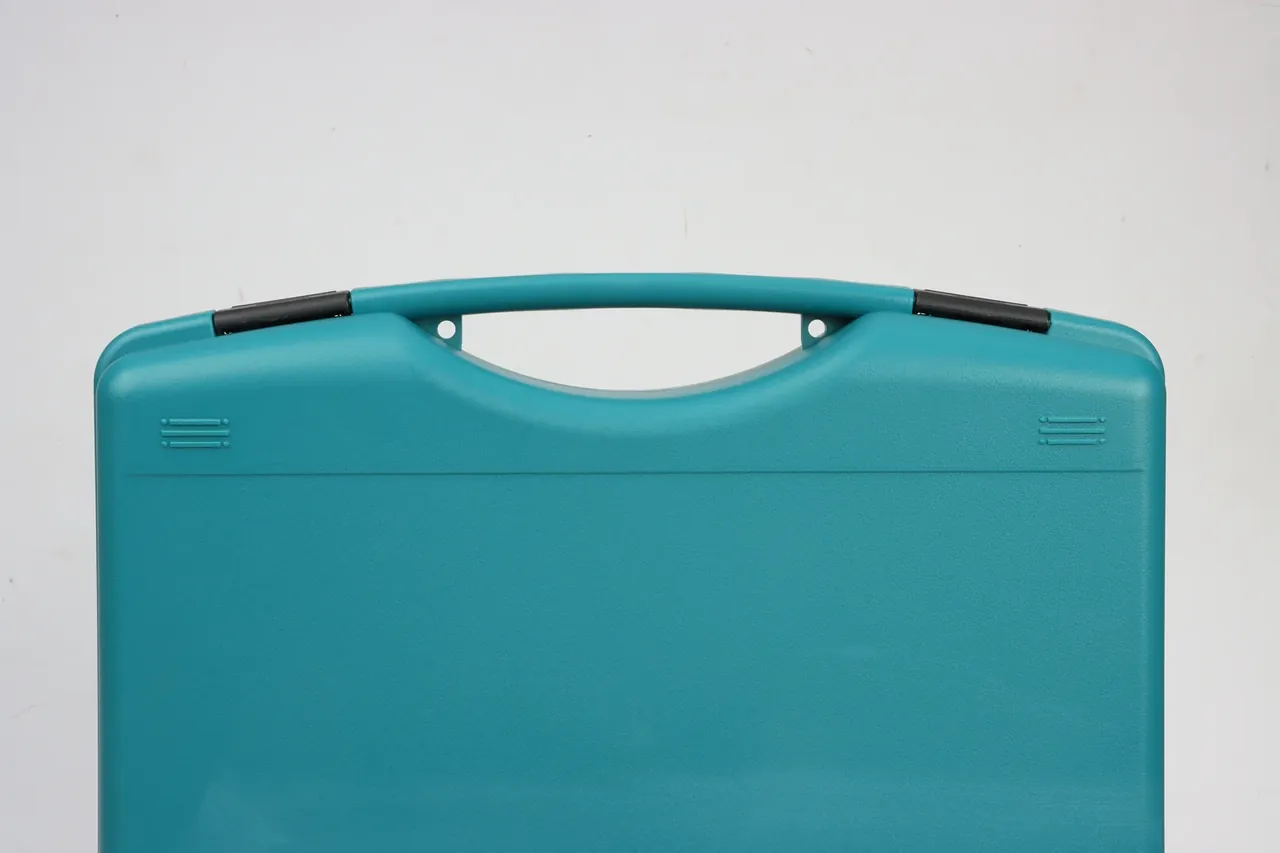
The load path decides what the pallet looks like. On a case like the one above, the base rests on four corner feet and the middle latch seats, so load lands on small areas, spreads through the deck, travels into the stringers and reaches the lifting points. Weaken any segment and the rating drops to it.
Deck thickness and beam spacing are set together. A thin deck with wide beams sags and turns load into impact; a thick deck with close beams adds dead weight.
Concentrated load is the most underrated item: the same three hundred kilograms spread across a deck and on a small patch differ in bending moment threefold, which is why ratings separate distributed and point load. Deflection is the indirect check.
3. Lifting Design: Four Points and Sling Angle
Lifting points are where a projectile pallet cannot compromise. Four points must sit symmetrically about the centre of gravity, or the unit tilts at pick-up and the load slides. At a hundred millimeters of eccentricity, the four points can differ by forty percent.
Sling angle sets the point load. At sixty degrees each leg carries about 0.58 of the load, at ninety degrees 0.71, and at a hundred and twenty it equals the load, so spacing should hold the angle between forty-five and sixty degrees.
Rings are chosen on the derated figure, because a two-tonne ring under a non-vertical pull carries less than its mark.
4. Location and Stacking: Stops, Slots, Tiers
Location rests on stops, slots and clamps. Stops limit horizontal travel and need only a third of the load height, since taller stops foul the sling. Clearance must exist but stay small: three to five millimeters keeps loading easy, while past ten the load hammers the stop until its root cracks.
Stacking tiers are set by the bottom unit, not by pallet weight. With three tiers the lowest carries two units plus itself, and a load that is not stiff enough concentrates that force on a few points. Check corner pressure, compare it with the floor rating, take the lower number.
5. Materials and Limits: Steel, Wood, Plastic
Steel takes heavy loads and repeated lifts, at the cost of weight and corrosion. Timber is cheap and repairable but loses strength once damp. Plastic resists corrosion yet creeps under load. Most projectile pallets combine the first two: steel stringers, plywood decking.
Every pallet has limits. Do not lift above the rated load, with eccentricity past a tenth of the span, with a sling angle under forty-five degrees, or with a stop missing.
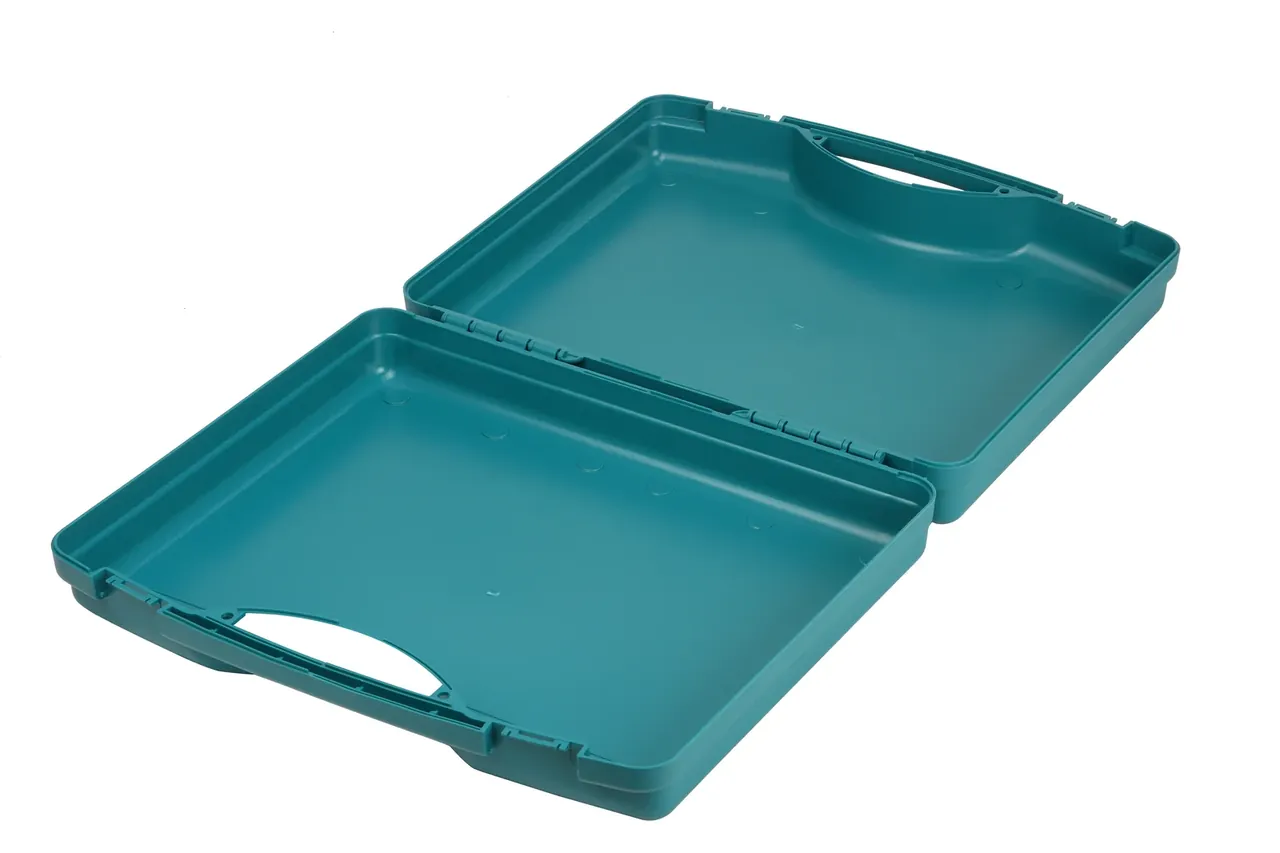
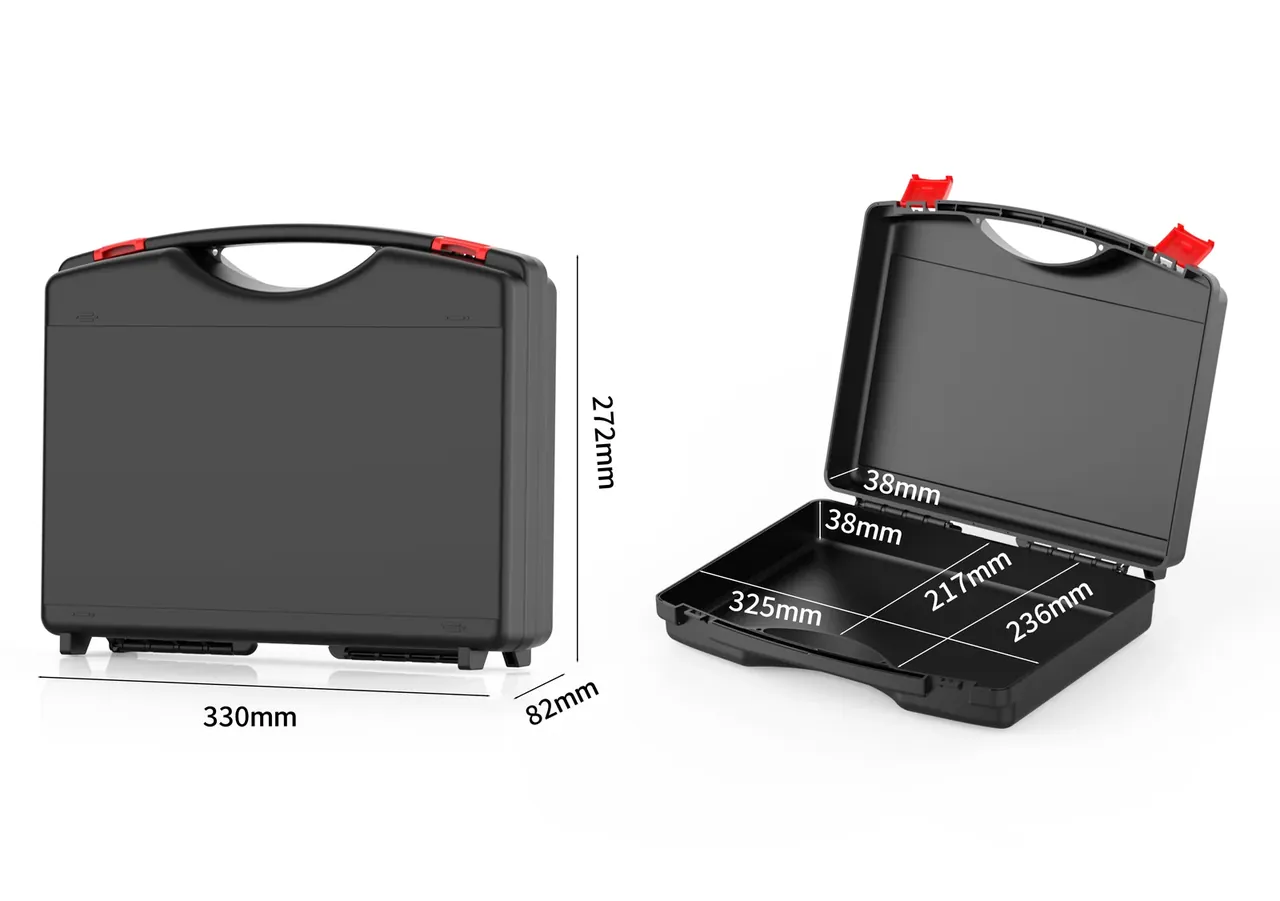
Size is an input, not a result. A unit at 330 by 272 by 82 millimeters usually sits on a deck of 400 by 350 millimeters.
Conclusion
The value of a projectile pallet is not deck thickness but whether three load paths close: feet into deck, deck into stringers, stringers into points. Break one and extra thickness only delays failure.
This article covers container-side specifications and design intent only. It does not address any handling, loading or use of the contents.
Related Reading
- Pallet stacking and case planning
- How stacking load tests are run
- The logic of case reinforcement ribs
- Height limits for stackable toolboxes
Related Products
- 8 Series — Gun Cases; Military Equipment Cases; Camera Equipment Cases; Drone Cases; Watch Cases; Knife Cases; First Aid Cases; Electronics Equipment Cases
- WL8-2812 PP Gun Case — model WL8-2812
- All protective cases and toolboxes: 7 series, 158 models