

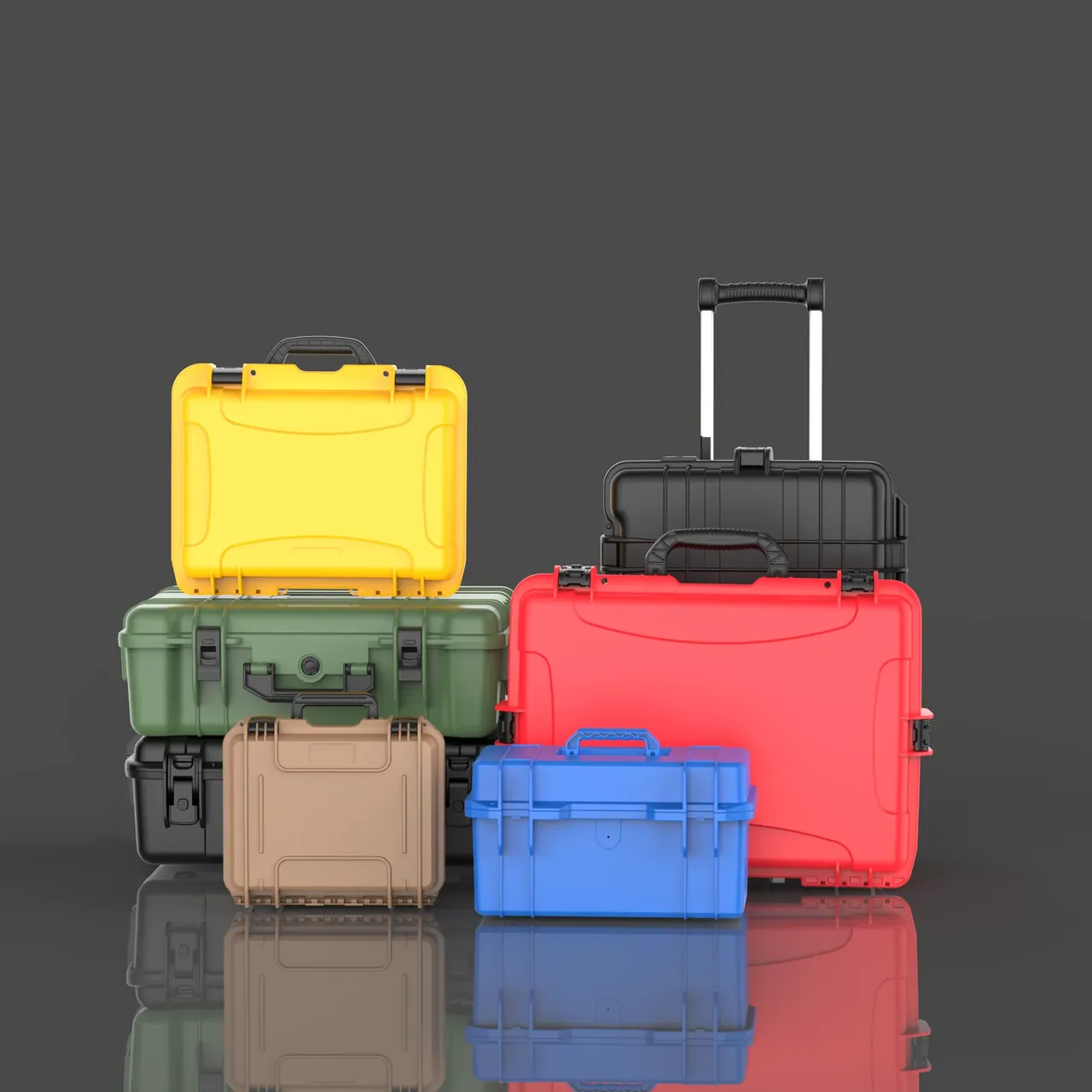
Quick answer: Three lines of a Projectile Pallet sheet decide the purchase: load rating with stack height, the dimension chain, and the handling interface. Rating sets wall and rib, dimensions set pallet count, the interface decides forklift or two people.
Table of contents
- Which three lines to read first
- Load: back from unit weight to ribs
- Stacking: three high and the contact patch
- Fork pockets and handles
- The dimension chain
- FAQ
1. Which three lines to read first
A Projectile Pallet sheet runs to a dozen lines, but three decide whether the unit works. Read them out of order and one figure, say fifty kilograms, carries the decision, with nobody asking whether it is static.
Load must arrive as a pair: rated load and permitted stack height. A load without a stacking figure is not a specification, because at three high the bottom unit carries twice the weight above plus its own. Then come the dimension chain and the handling interface: fork pockets, handle position, foot spacing.
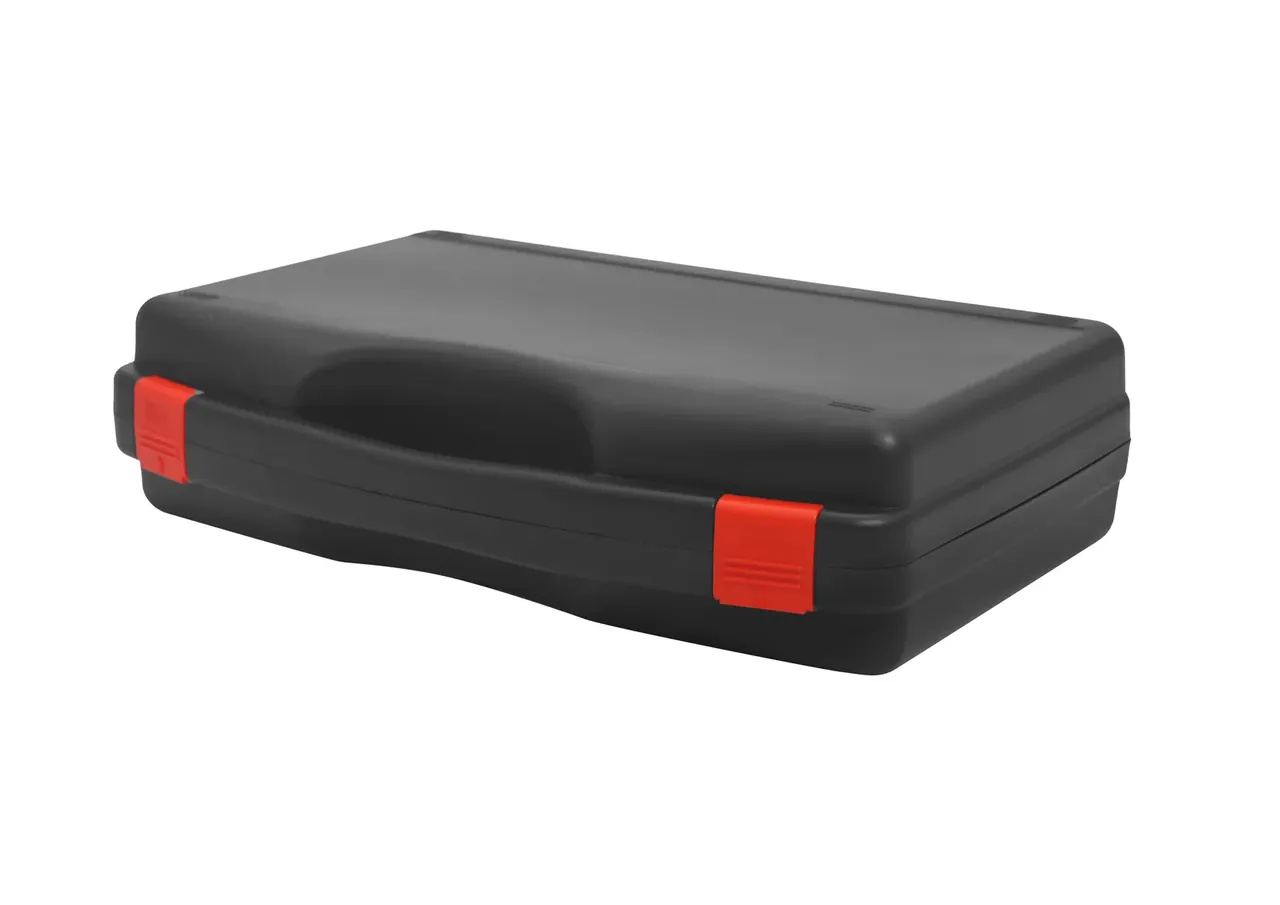
| Line | Typical wording | What it governs |
|---|---|---|
| Load | 50 kg rated, 3 high | wall, rib density, lid stiffening |
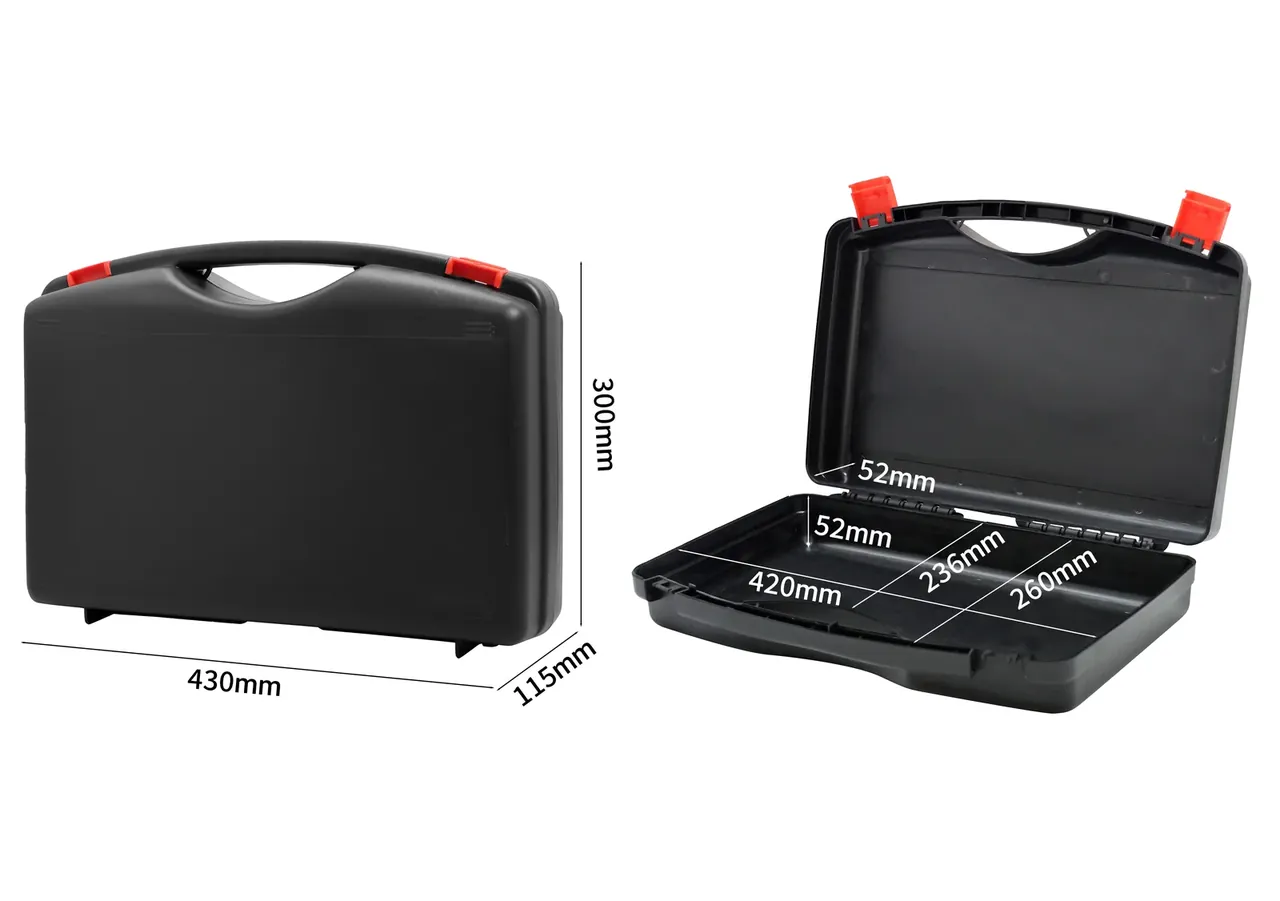
| Dimensions | outside 430×300×115, inside 420×236 | pallet count, rack height |
| Handling | four-way fork entry, handle 25 kg | forklift or manual, turnround |
2. Load: back from unit weight to ribs
Derive load from the load side: unit weight times units per pallet, times a dynamic factor, 1.5 for full-truck road moves and 2.0 where freight is transhipped by hand. Twenty-four units at one kilogram give 24 kg static and 36 to 48 kg design.
The floor then passes load through ribs to the side walls; ribs 8 to 12 mm deep at 60 to 80 mm centres are usual. Too few and the floor sags between them, too many and the mould will not release. Static and dynamic can differ twofold: static means deflection after twenty-four hours at rated load, commonly under 2 mm, so a sheet giving one figure is quoting static and stacking designed on it runs optimistic.
3. Stacking: three high and the contact patch
Three high is the practical limit, set by stability rather than strength: by the third layer the contact area is unchanged while the centre of gravity has risen, so a one percent lid tilt puts the top layer ten millimetres off line.
Count the contact patch, not the footprint: the lid is flat in the middle and radiused at the edges, so only the central rectangle bears load, and feet landing on that radius double the pressure. Stack height belongs with rack clear height too: at 115 mm, three high is 345 mm, and two high frees twenty centimetres for picking. Stretch wrap stops sliding, not crushing.
4. Fork pockets and handles
Two fork dimensions matter together: entry height and penetration. Below 60 mm, grit on the yard scrapes the base; under two thirds of the case length, the load tips as the forks lift. Four-way entry is basic, since single-side entry adds about a third to dock loading time.
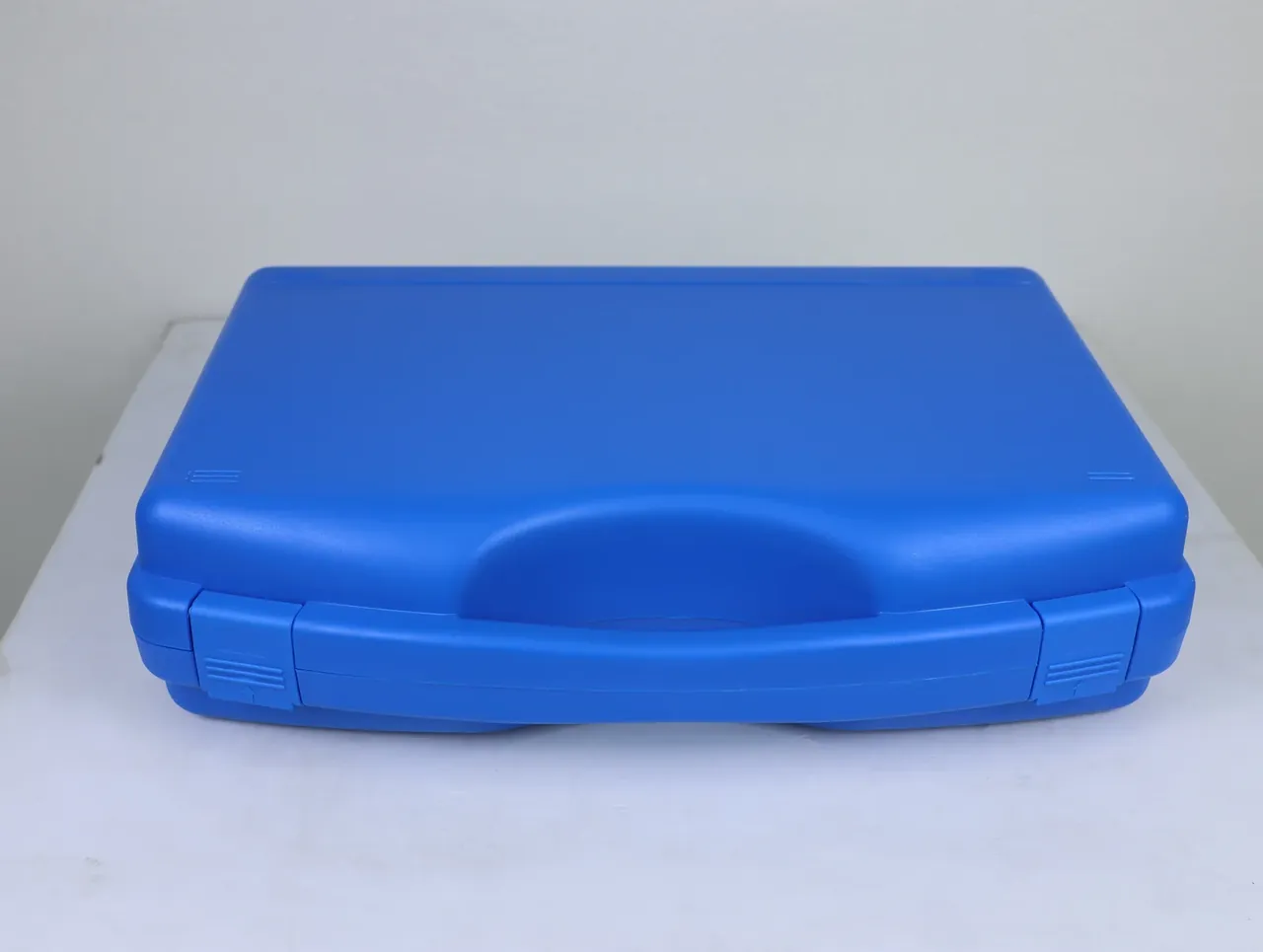
The handle is a human limit. Comfortable one-hand carry is 20 to 25 kg, a two-person lift about 50 kg; a stronger handle changes nothing beyond that. Moulding it into the shell helps by removing a screw that works loose. On dirt yards the load is dragged instead, the feet wear flat, and the case sits on its base taking water.

5. The dimension chain
Inside is not outside minus one wall. Length and width lose both walls and the rib footprint; internal height is lid plus base depth, while outside height carries the lap. On a 430×300×115 case with a 420×236 interior, the figures reconcile.
Pallet count follows from footprint and height. On a 1200×1000 pallet, a 430×300 base lays eight to a layer, twenty-four to three high; at 466×387 only four fit. Tolerances belong in the contract: outside plus or minus 2 mm, inside 1.5 mm, since a shallow lid fails to compress the gasket.
Conclusion
Read a Projectile Pallet sheet in one direction: loaded weight sets rating and stack height, the rating sets wall and rib, the footprint sets pallet count. Change one and the other two need recalculating.
This article covers container-side specifications and design implications only, not the handling, loading or use of the contents.
Related Reading
- What a projectile pallet is
- Ammunition Packing Box Standards and Export Packing Requir…
- Structural design of ammunition box bodies
- Choosing case seal materials
Related Products
- 8 Series — Gun Cases; Military Equipment Cases; Camera Equipment Cases; Drone Cases; Watch Cases; Knife Cases; First Aid Cases; Electronics Equipment Cases
- WL8-2812 PP Gun Case — model WL8-2812
- All protective cases and toolboxes: 7 series, 158 models