

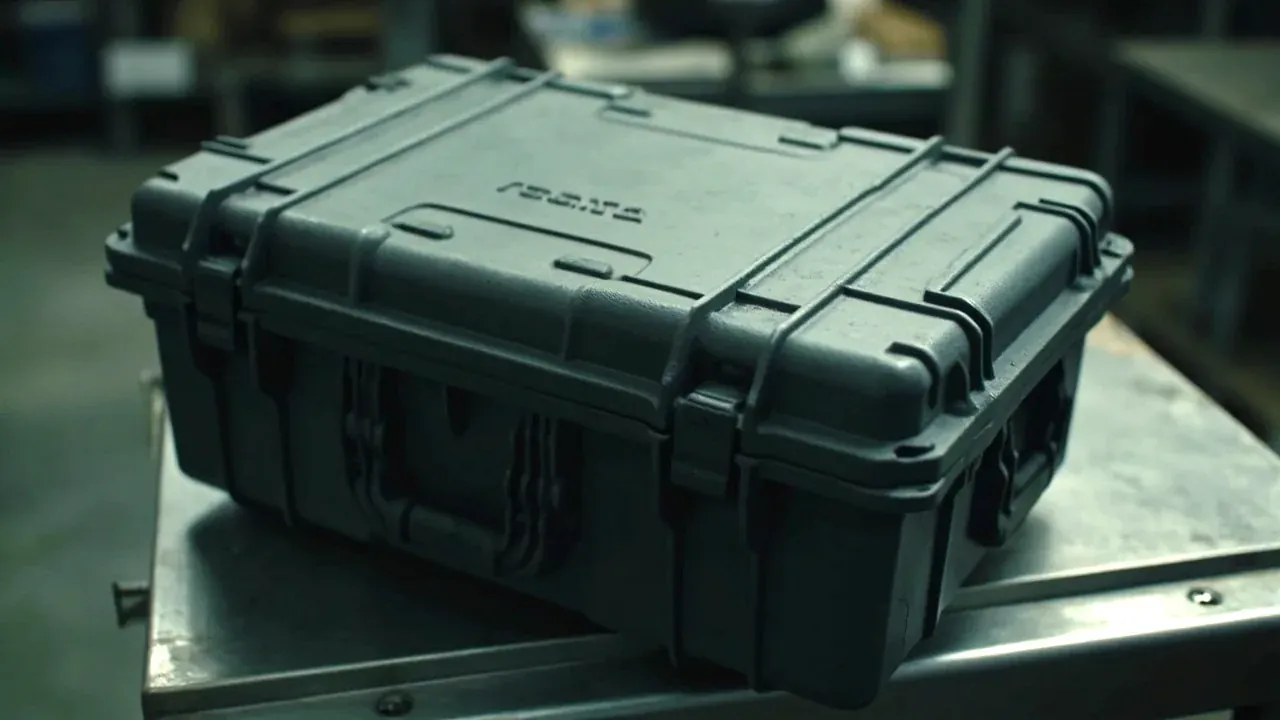
Quick answer: Four candidates separate on three measures: whether surface resistance stays in the dissipative band, whether the antistatic system survives wiping and ageing, and whether the wall of a propellant charge container cracks on a cold drop in winter. Rotomoulded HDPE has the best cold impact at a middling price but is an insulator; modified PP is stiffer yet turns brittle in frost; metal conducts and brings corrosion; composites do everything at the highest cost, in practice.
Table of contents
- Resistance bands before material names
- The four candidates side by side
- How an antistatic system ages
- Cold impact is a resin property
- Cost order and earthing choice
- FAQ
1. Resistance bands before material names
Surface resistance falls into three bands: below ten to the sixth ohm the material conducts, between the sixth and the ninth it dissipates, above the twelfth it insulates. A propellant charge container wants the middle band, because a very low resistance concentrates the discharge.
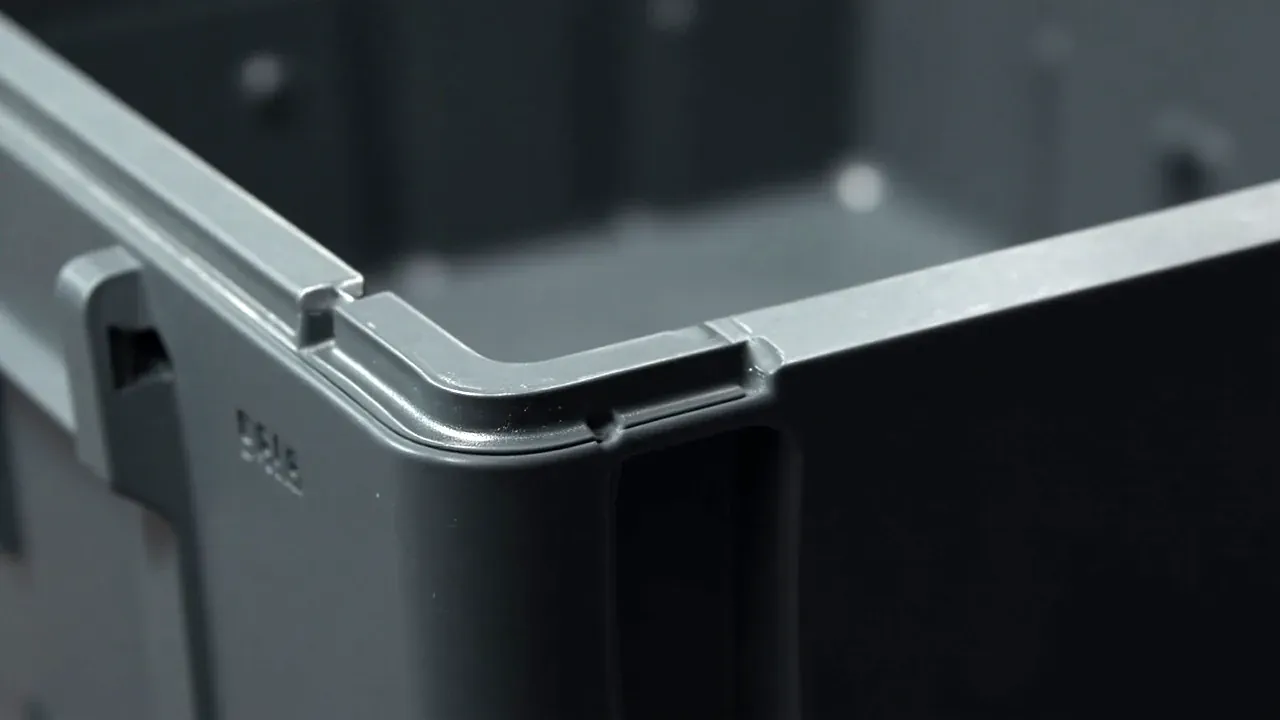
Fix the conditions: twenty-three degrees, fifty percent humidity, sixty seconds after wiping. The same compound can move two decades between dry and humid air, so a report without humidity cannot compare suppliers.
2. The four candidates side by side
Put the four in one table and the trade becomes visible. Metal wins on resistance and loses on weight, denting and repair. Composites place a conductive veil inside the laminate, at a price few stores can match.
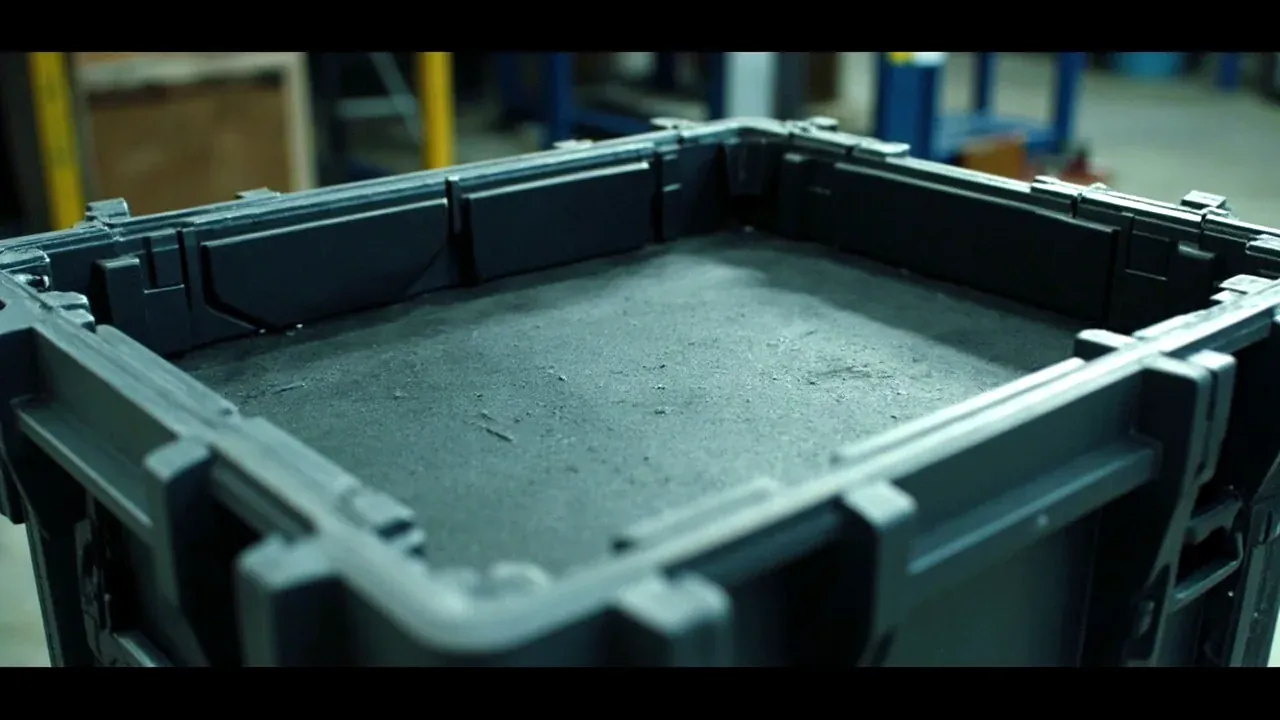
Cost is relative, per unit of internal volume. The gap widens over a service life: a plastic propellant charge container takes a new liner and keeps going, while a delaminated composite is written off whole.
| Material | Surface resistance | Antistatic life | Cold impact | Cost |
|---|---|---|---|---|
| Rotomoulded HDPE | 1e14 as moulded, 1e6-1e9 modified | migrates, retest yearly | tough at minus 30 | 1.0 |
| Modified PP | same band, carbon black works | hard skin, still migrates | brittle below minus 10 | 0.9 |
| Steel or aluminium | below 1e2 | bonding and earth | dents, does not crack | 1.4 |
| Composite | engineered to 1e6 | veil inside the laminate | resin dependent | 2.2 |
3. How an antistatic system ages
Three families age differently. A coating wipes off. A migrating additive blooms, holds two or three years, then runs out. A permanent system uses a conductive polymer chain and costs colour and cold impact; a propellant charge container usually pairs a migrating grade with a liner.
Retest at one spot, one humidity, one multimeter. Fifty wipes with alcohol is the bluntest durability test, and a rise of one decade means the surface layer has gone.
4. Cold impact is a resin property
A cold drop tests the brittle point of the resin. HDPE stays ductile at minus thirty; PP turns brittle between minus ten and minus twenty. A propellant charge container in a northern store meets minus twenty-five every winter.
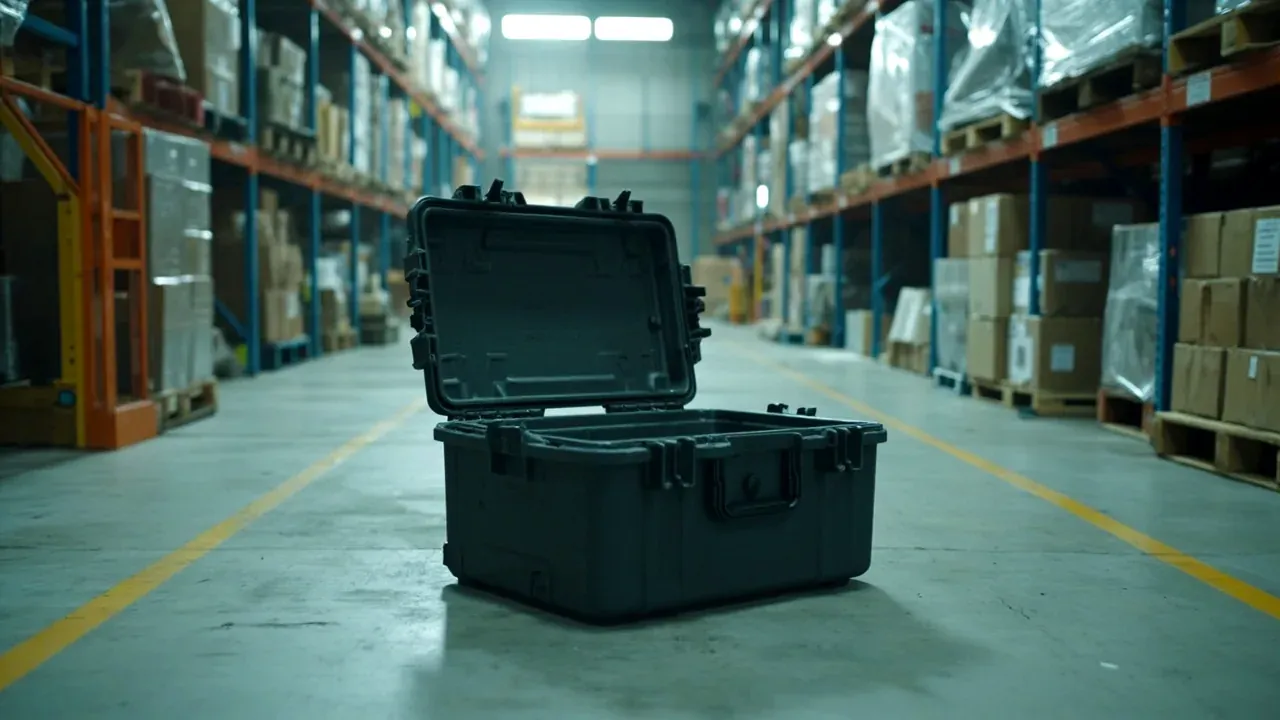
Test the assembled propellant charge container: full load, four hours at minus twenty-five, drops on a corner and an edge. A ten millimetre radius and a fillet at the ribs beat another millimetre of resin.
5. Cost order and earthing choice
By unit price the order runs modified PP, HDPE, metal, composite; by service life it changes. A propellant charge container headed for a cold site should drop PP at the first step.
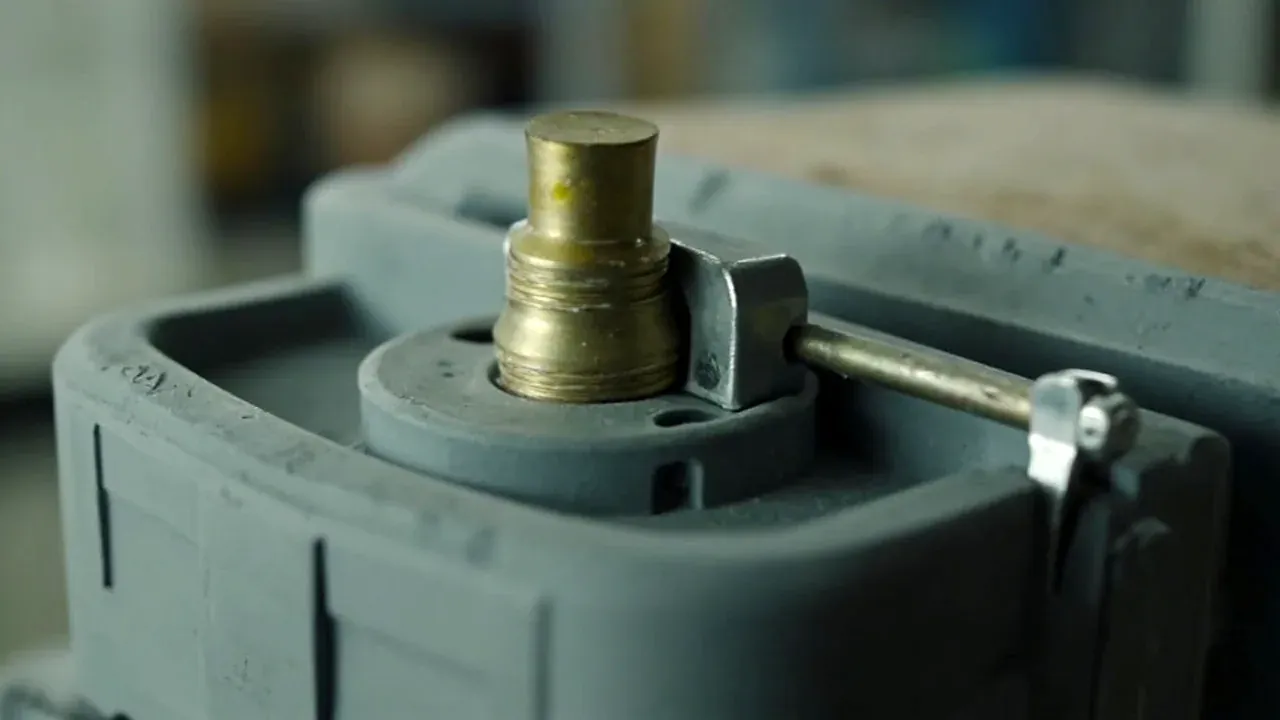
Use a brass or stainless stud through the end wall, clamping the liner inside. A carbon-loaded sheet turned over the rim and held by a strip resists lifting. Keep stud to far corner under ten ohms.
| Service condition | Material | Earthing | Liner |
|---|---|---|---|
| Temperate store | rotomoulded HDPE | stud plus lid strap | moulded ribs |
| Cold store or field | HDPE, thick corners | stud, outer braid | closed-cell sheet |
| Frequent hand opening | modified PP | stud on the lid side | removable panel |
Conclusion
Screen in three steps: resistance to shrink the list, cold drop to remove what is left, then whole-life cost among the survivors. Resistance can be added later with a liner and a stud; brittleness cannot be designed away. So a cold store should fix the resin of a propellant charge container before it fixes the earthing method, because only one of those can still change.
This article covers container-side specifications and design implications only, not the handling, loading or use of the contents.
Related Reading
- What the outer case has to do
- Cushioning and location inside a fuze pack
- Shielding, earthing and sealing in an EMI case
- Compartments, counts and marking in small arms boxes
Related Products
- 8 Series — Gun Cases; Military Equipment Cases; Camera Equipment Cases; Drone Cases; Watch Cases; Knife Cases; First Aid Cases; Electronics Equipment Cases
- WL8-2812 PP Gun Case — model WL8-2812
- All protective cases and toolboxes: 7 series, 158 models