

Case design changes slowly and for practical reasons. What is shifting now is not fashion but pressure: the equipment being carried is more valuable and more delicate, sustainability has become a procurement question rather than a marketing one, and fleets are large enough that small improvements per unit matter at scale.
1. Payloads Are Getting More Valuable
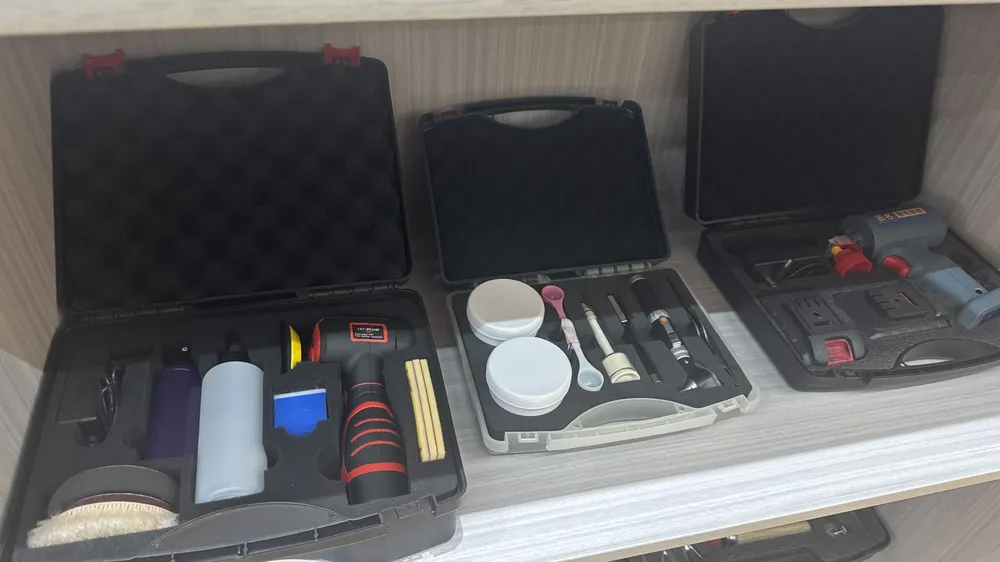
A case protecting a few hand tools and one protecting a calibrated survey instrument, a drone or medical equipment are different products. As payload value rises, the case's role shifts from carrying to risk management, and the specification follows: better interior support, documented protection and verified sealing rather than general sturdiness.
2. Lightweighting Without Losing Stiffness
Weight compounds — through freight cost, handling effort and injury risk. The response is geometry rather than simply thinner walls: ribs, reinforced load points and material selection that preserve stiffness while removing mass. Our article on wall thickness and structural design covers why geometry beats thickness.
3. Recycled Content Becoming a Procurement Question
Sustainability reporting has moved recycled content from a preference to a specification. The engineering response is not a blanket switch but controlled use: recycled material where variability is tolerable, virgin resin where performance and traceability matter. The controls that make it work are described in virgin versus recycled material.
4. Interiors That Reconfigure
Equipment inventories change faster than cases wear out. Modular dividers, standardised cavity sizes and labelled zones let one case serve successive generations of equipment, which lowers cost per year and reduces the number of cases a fleet needs.
5. Tracking Moving Inside the Case
As fleets grow, knowing where a case is and what it contains becomes a management problem. Identification, barcodes and tagging turn a pile of identical boxes into a tracked inventory. The practical methods are set out in case labelling and asset tracking.
6. Designing for Service Life
The most significant shift is unglamorous: treating hardware as replaceable, publishing spare part availability, and designing so a worn latch does not retire an otherwise sound case. Over a fleet and a decade, serviceability is worth more than any single performance figure.
What to Do With This
None of these require buying the newest thing. They argue for a specification that states payload risk honestly, asks for evidence rather than adjectives, values serviceability, and is written so a future buyer can still source, repair and verify the cases you choose today.