

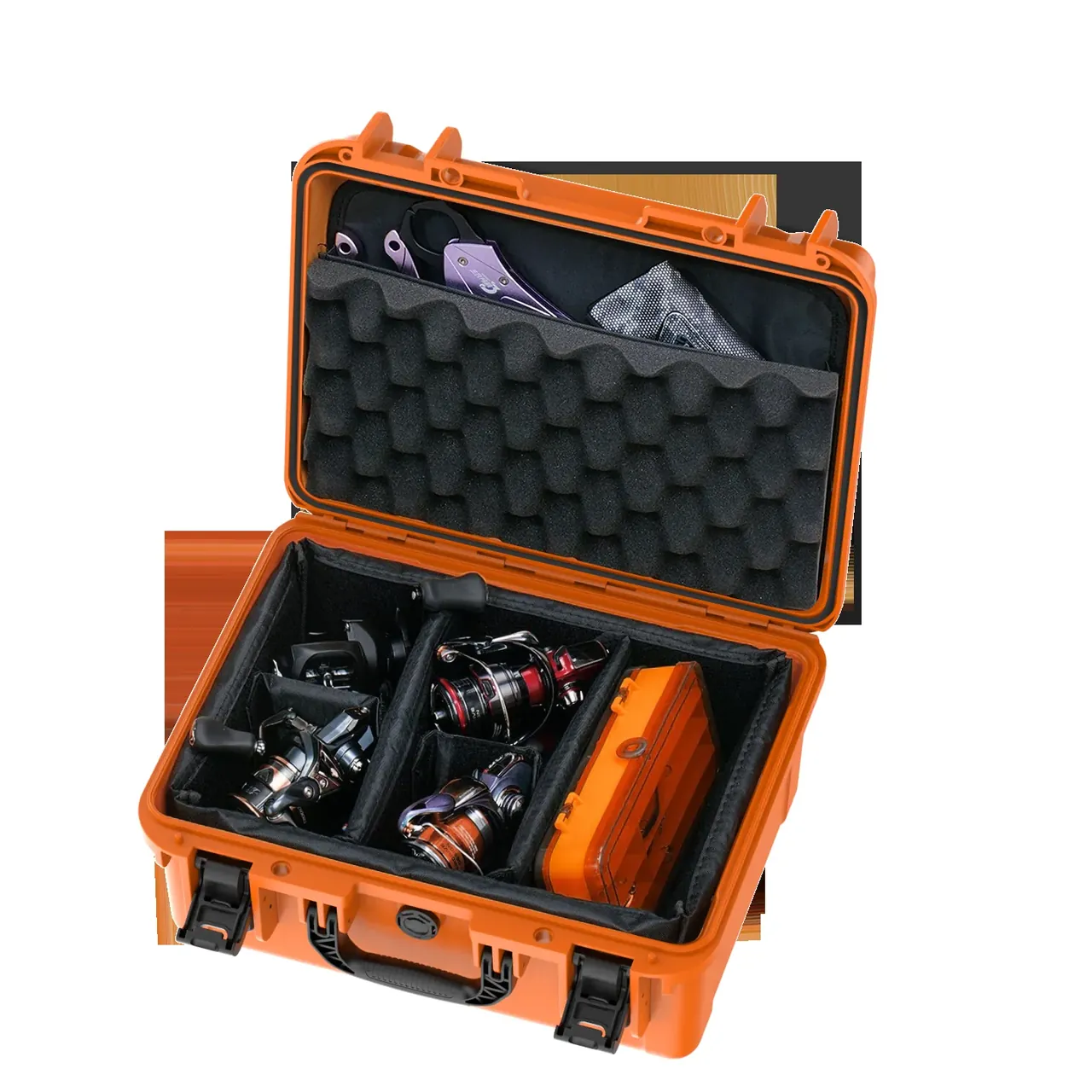
Quick answer: Ramp up runs on three separate curves, yield 88% to 97.5%, cycle 68 s to 62 s, output 45% to 92% of target, and four bottlenecks sit outside the press.
Table of contents
- Month one: 88% yield at 68 seconds
- Cooling, and the 8 seconds it costs
- Six die changes in the first month
- Foam five days late, and the 100% inspection
- What you can promise in month three
- FAQ
1. Month one: 88% yield at 68 seconds
The target was plain: 30,000 cases a month, 62 s a part, one press, two shifts over 26 days. Month one closed at 517 parts a day, 45% of target. Nothing was broken; the numbers had not converged.
Yield sat at 88%, so 12 parts in every 100 were scrapped or reworked. Cycle ran 68 s, 6 s over design. Multiply the two, take off stoppages, and output lands at 45%. Scrap was 4.2% in month one and 1.1% by month three.
A ramp-up curve is not a straight line: the cycle and inspection rules set in the first 30 days carry to day 90, and changing them later costs more than a new tool.
| Month | Yield | Cycle | Output vs target | Scrap |
|---|---|---|---|---|
| End of tooling | 82% | 72 s | 0 | 9.0% |
| Month 1 | 88% | 68 s | 45% | 4.2% |
| Month 2 | 94% | 64 s | 72% | 2.3% |
| Month 3 | 97.5% | 62 s | 92% | 1.1% |
| Month 6 | 98.2% | 61 s | 98% | 0.8% |
Output climbs 27 points from month one to month two and 20 from month two to three. The steep part of a ramp-up sits in the first 60 days.
The 45% breaks down into 21 h of die changes, 3 days waiting on material, inspection queues and trial modifications, all worth writing down by the hour.
2. Cooling, and the 8 seconds it costs
The shell is 2.8 mm thick and weighs 2.6 kg. With the fixed half at 45 °C, water in at 12 °C and 8 L/min, cooling needs 30 s before the part ejects flat. That is 8 s over design. Cycle slides 60 s to 68 s. That is a water circuit problem, not a press problem. Heat that cannot leave is waited out, at 8 s of power per case and 70 parts a day.
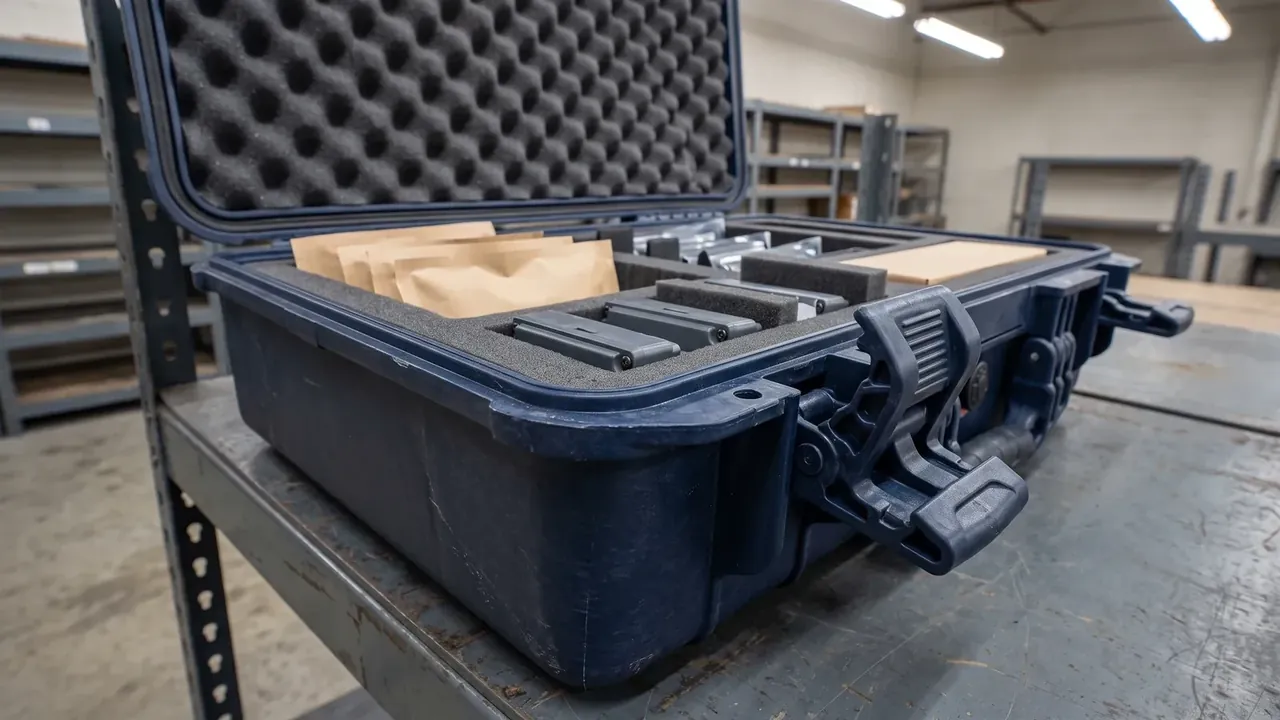
Three fixes, cheapest first: one baffle set in the core, water from 12 °C to 10 °C, flow from 8 to 10 L/min. All three bring cooling to 24 s and cycle to 64 s, which is where month two came from.
Mould temperature is checked weekly at 3 points: fixed half, moving half, slide. A spread above 5 °C means a blocked circuit, and parameter tuning will not fix it.
Warped corners are the symptom: lift above 0.6 mm at the base makes a case rock on a pallet; it appeared 3 times in month one, each below 26 s.
Cooling is the first bottleneck in most ramp-ups: it never shows on a drawing, only on a stopwatch.
3. Six die changes in the first month
Steady production pulls a tool once a month. Month one pulled it 6 times: 2 trial modifications, 2 customer batches of 300 and 800, 1 material change, 1 unplanned.
At 3.5 h a change that is 21 h, nearly a production day, or 1,000 parts.
Die changes are the easiest capacity to miss: schedules count press hours, never the 3.5 h of stripping and first-off checking.
Night shift, a preheat stand 4 h ahead, staged lifting gear. Month two ran 3 changes, month three ran 1, which is when 62 s became repeatable.
Ramp-up changes scale inversely with batch: 6 changes over 300 parts cost 0.07 h each, over 1,500 parts 0.014 h.
4. Foam five days late, and the 100% inspection
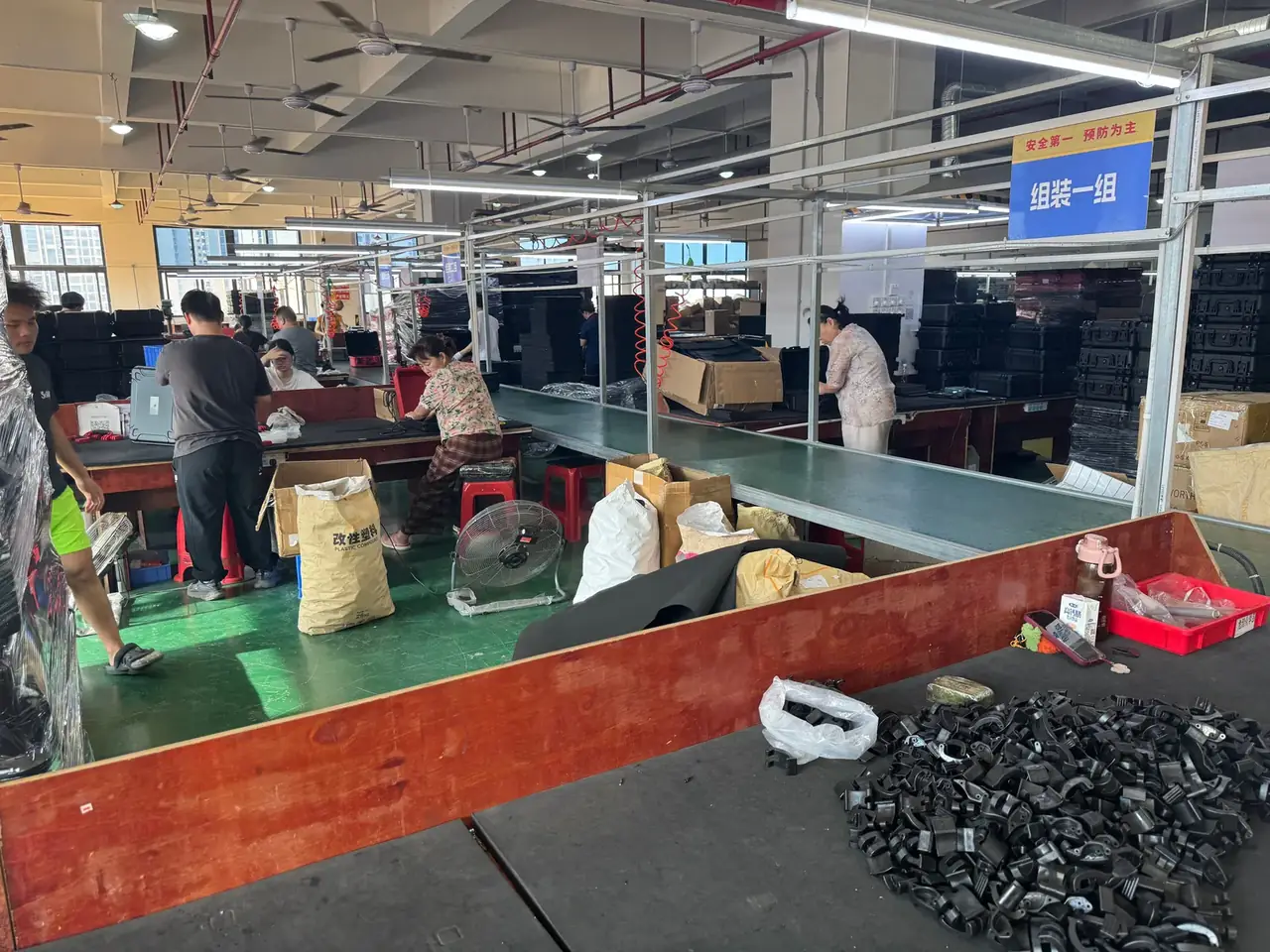
Insert sampling took 12 days and production 8, so foam landed 5 days after the shells. Finished cases sat in dispatch with nothing to ship: zero output.
The second bottleneck was the standard. With no agreed judgement, month one inspected everything: appearance, dimensions, air tightness, 90 s a case, 3 inspectors over 8 h, a ceiling of 960 a day. That held at 517 and queued at 828.
| Bottleneck | Appears | Cost | Release action |
|---|---|---|---|
| Insufficient cooling | Week 1 | Cycle +8 s, 70 parts a day | Baffles, colder water, more flow |
| 6 die changes | All month 1 | 21 h down, 1,000 parts | Night shift, 4 h preheat |
| Foam late | Week 3 | First batch 5 days late | Order insert with the shell |
| No inspection standard | Months 1–2 | 90 s a part, 960 a day | Judgement card, then sampling |
Two of the four sit off the press; when a ramp-up stalls, those clear faster than parameter work.
5. What you can promise in month three
Batches went out at 300, 800 and 1,500, not from caution but to leave room to correct the cycle and the inspection. The 300 proved assembly and packing, the 800 proved 5 stable days, only the 1,500 shipped on normal lead time.
Presses per operator moved 1 to 2, then 1 to 3: month one needed 2 people per press, month three ran 3 presses per operator. That ratio reads progress, not a target.
| Weeks | Inspection | Presses per operator | Committed batch |
|---|---|---|---|
| 1–2 | 100% | 1 to 2 | 300 cases |
| 3–6 | 100% | 1 to 2 | 800 cases |
| 7–10 | 50% | 1 to 3 | 1,500 cases |
| 11–13 | 20% | 1 to 3 | At 92% of target |
Quote lead times against the month's output ratio, never 100%: 45%, then 72%, then 92%. Lead time follows the same ladder, 45 days, 40, 35, so one date in a quotation cannot survive a ramp-up.
The expensive mistake is selling steady-state capacity against ramp-up output.
Conclusion
Ramp up is not a matter of press hours. Yield moves 88% to 97.5%, cycle 68 s to 62 s and output 45% to 92% on one schedule while cooling, die changes, late foam and an undefined standard are cleared. Quote against the month's real ratio and the quarter stays a quarter.
This article covers case-side specifications only and does not address any handling, loading or use of the contents.
Related Reading
- Three stages of trial moulding
- Estimating line capacity
- Mould life and accuracy drift
- Setting a mould maintenance interval
Related Products
- 8 Series — Gun Cases; Military Equipment Cases; Camera Equipment Cases; Drone Cases; Watch Cases; Knife Cases; First Aid Cases; Electronics Equipment Cases
- WL8-2812 PP Gun Case — model WL8-2812
- All protective cases and toolboxes: 7 series, 158 models