

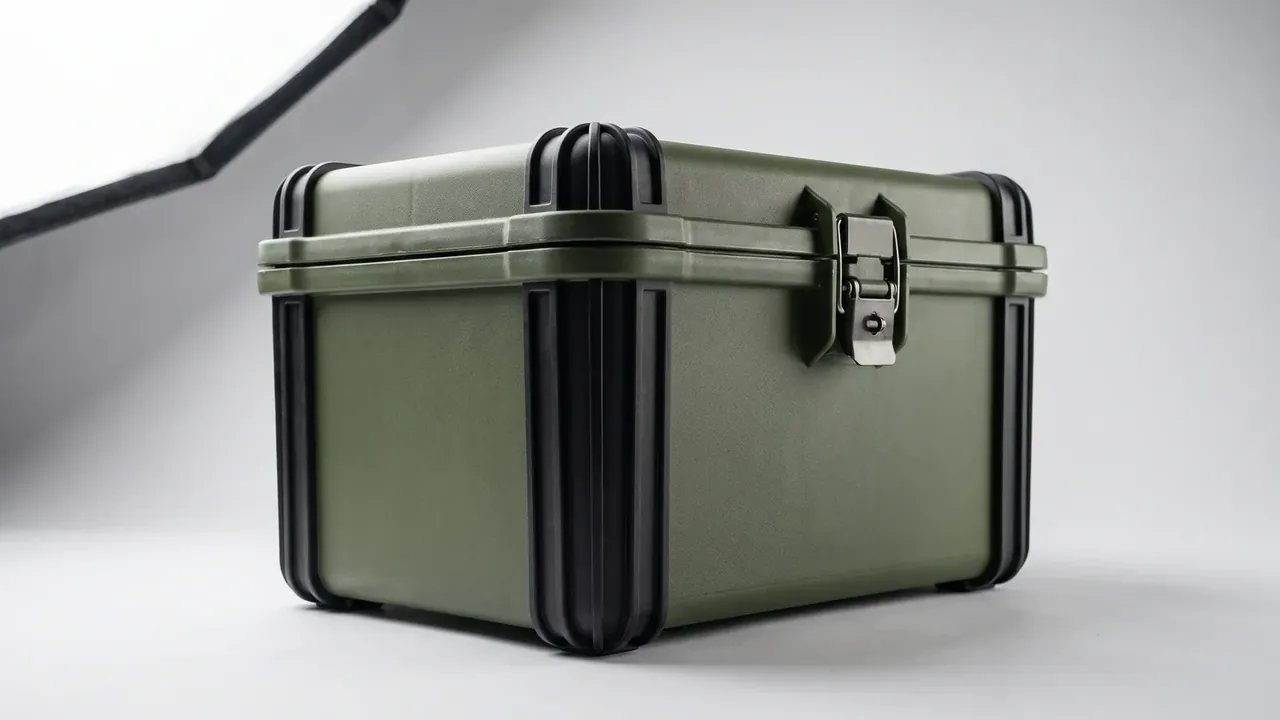
Quick answer: The payback of a reusable shipping and storage container comes from the loop, not the box: five settings each need their own label pad, partitions, stacking posture and return method.
Table of contents
- What a Reusable Shipping and Storage Container Does in a Closed Loop
- In-Plant Moves and Line-Side Buffers
- Regional Transfers and Empty Returns
- Spare Parts and Tool Delivery
- Supplier Exchange and Handover Marks
- FAQ
1. What a Reusable Shipping and Storage Container Does in a Closed Loop
Four stations share a closed loop: store, line-side buffer, work cell, empty-return point. Each wants a stable pallet load, one-handed access, fast opening, a small empty footprint; a reusable shipping and storage container set up for one fails the other three.
| Setting | Loop | Per day | First fix |
|---|---|---|---|
| In-plant move | 80 to 300 m | 120 | Partitions, latches |
| Line-side buffer | 3 to 15 m | 40 | Access side, height |
| Regional transfer | 300 to 900 km | 24 | Seal, return ratio |
| Parts delivery | Whole site | 60 | Label pad, dividers |
| Supplier exchange | 50 to 400 km | 18 | Seal hole, code |
Loop length draws the line: short runs behave like storage hardware, long ones like transport packaging, which fixes self-weight, collapse ratio and model count.
2. In-Plant Moves and Line-Side Buffers
On an 80 to 300 m run a reusable shipping and storage container shifts 120 units a shift by trolley, so loaded mass stays under 22 kg; twelve openings a shift wear the latch before the wall.
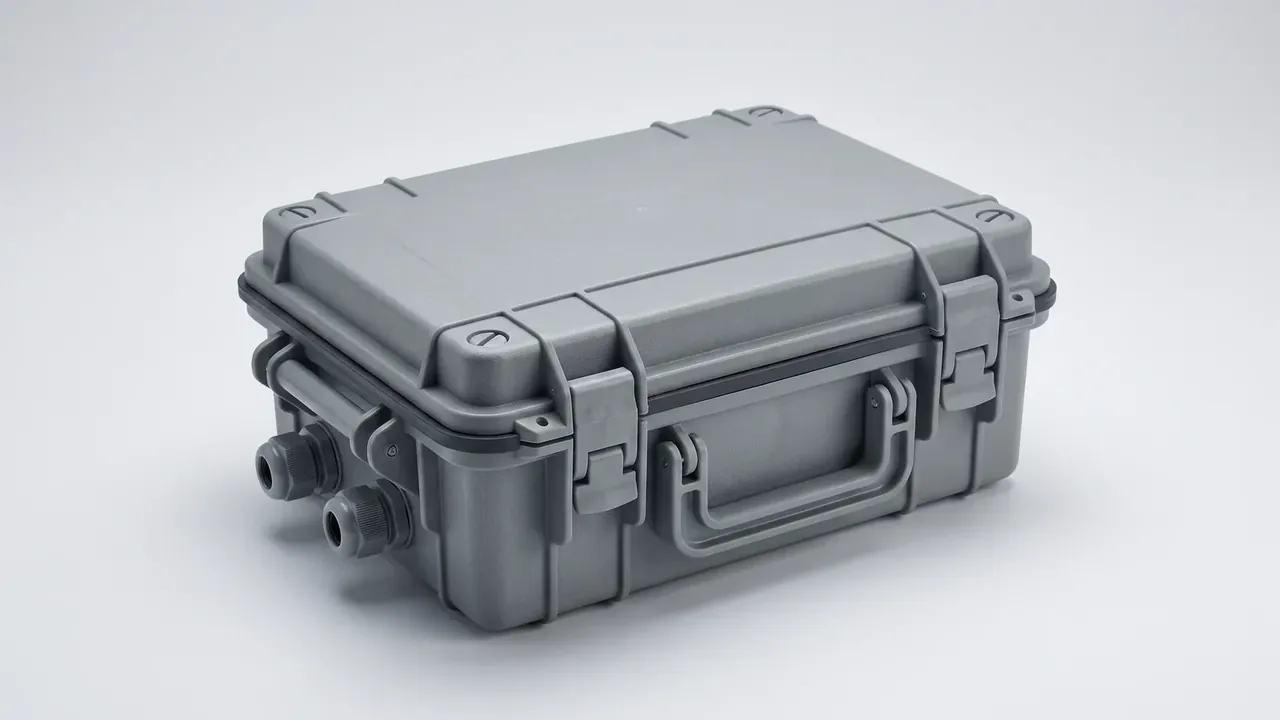
Partitions get cut first and missed first: an 8 mm PP hollow-sheet grid cuts impact damage by an order of magnitude, cells 3 mm apart for gloved hands. On the line, a 600×400×320 mm case at 1.8 m clearance sits four per layer, three high, load on the walls, never the lid.
3. Regional Transfers and Empty Returns
A 300 to 900 km leg drops to 24 units a day, each seeing vibration and a temperature swing. The forgotten half is the return: outbound full, inbound empty, freight on volume.
| Return | Empty volume | Cost |
|---|---|---|
| No nesting | 1:1 | Full freight back |
| Nesting | 1:3.5 | Draft, height cap |
| Folding | 1:4 | Hinge fatigue |
| Knock-down | 1:6 | Rebuild each trip |
Four empties nest to the height of one, so walls cannot be straight and stacks cap at 2.2 m. A hinge flexed at −20 °C is where a reusable shipping and storage container cracks first; gaskets hold 25% compression from 55 °C trailers to −20 °C depots.
4. Spare Parts and Tool Delivery
Delivery opens more than any other setting: one van, 26 stops a day, an opening at each, 50-plus cycles, and a latch spec that diverges from in-plant work.
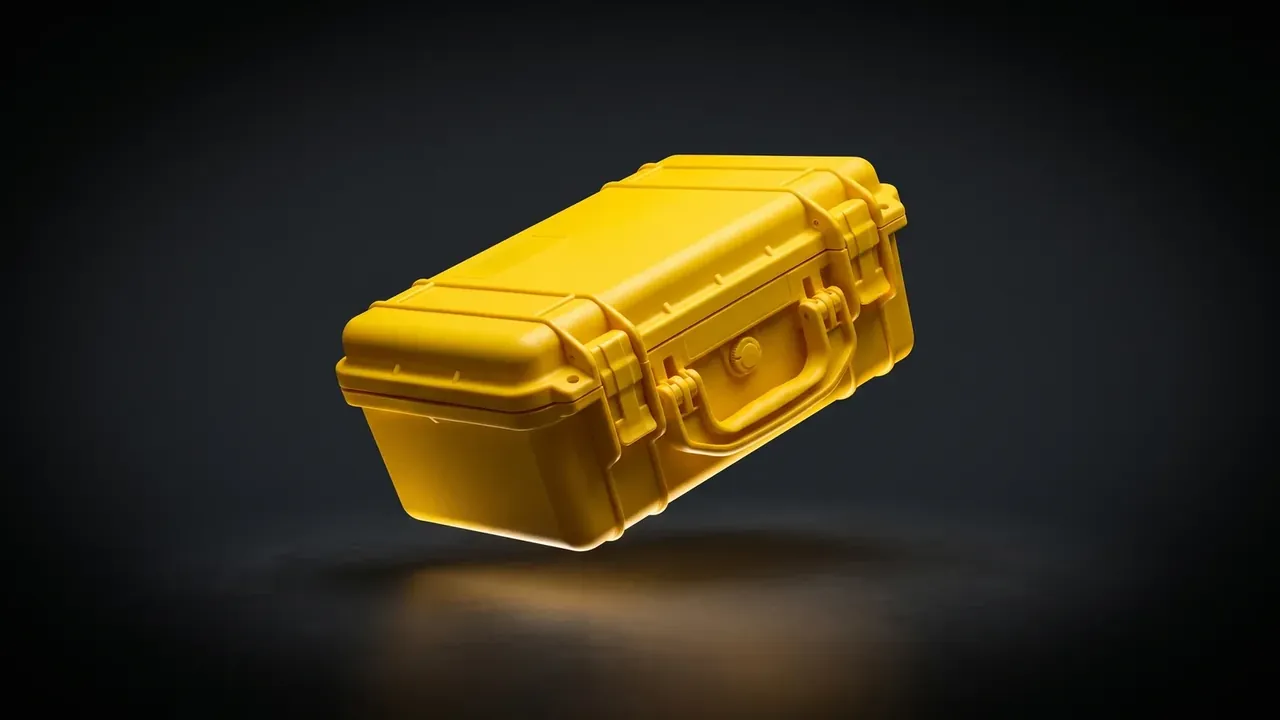
An A5 pocket at 148×210 mm holds the delivery sheet; a 60×30 mm barcode goes on a wall visible with the lid open. Keep the load at 14 kg, or a driver leaves a reusable shipping and storage container behind. Dividers take three tiers under 300 mm, 300 to 500 mm and a long channel.
5. Supplier Exchange and Handover Marks
Crossing a company boundary shifts the brief to accountability: two latches with a seal hole let the handover sheet carry a seal number, and a 100×60 mm recess per side holds the supplier code. Reconcile every 26 days.
| Setting | Label pad | Posture | Return |
|---|---|---|---|
| In-plant move | A5 side pocket | Upright, 3 high | Nested |
| Line-side buffer | Eye-level face | No lid load | Stacked in place |
| Regional transfer | Code both sides | Nested, 2.2 m | Nested or folded |
| Parts delivery | 60×30 mm barcode | On edge in rack | Back with the van |
| Supplier exchange | Seal hole, code | Upright, 2 high | Folded |
A plant running all five settings should hold two models: a heavy pattern for short loops, a light one that collapses flat.
Conclusion
Short loops reward partitions and fast opening, long loops reward sealing and a small empty footprint, delivery rewards legibility, exchange work rewards handover marks. Match the configuration to the loop, and the turns keep coming back to the reusable shipping and storage container.
This article discusses only the container (case body) side of specifications and design intent, and does not cover any handling, loading or use of the contents.
Related Reading
- Inspection and retirement points for reusable cases
- Life-cycle cost against single-trip packaging
- Logistics support boxes in field use
- Matching pallet marks with case label pads
Related Products
- 8 Series — Gun Cases; Military Equipment Cases; Camera Equipment Cases; Drone Cases; Watch Cases; Knife Cases; First Aid Cases; Electronics Equipment Cases
- WL8-2812 PP Gun Case — model WL8-2812
- All protective cases and toolboxes: 7 series, 158 models