

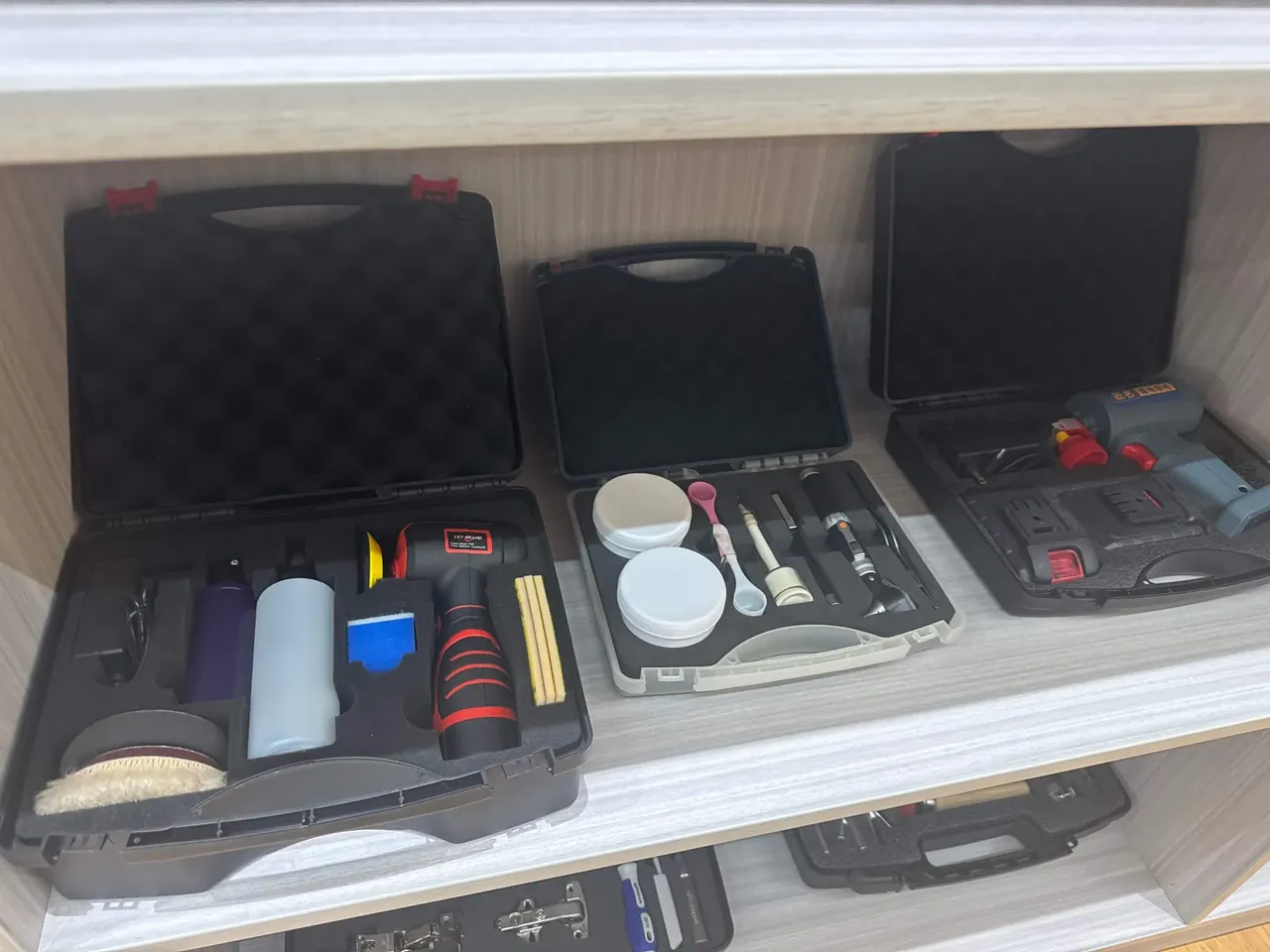
Quick answer: Case rework or return turns on two numbers: 35 yuan to rework a unit in place against 120 yuan to freight it back, a 3.4 times gap.
Table of contents
- Freight first, fault later
- Three rework classes and the 35 yuan
- Freight above 15% of value
- Five checks and three ways to accept
- FAQ
1. Freight first, fault later
One plant ships 42,000 cases a year and reworks 504, a 1.2% rate costing 17,640 yuan, or 0.16% of value. Freighting those same units back would have cost 60,480 yuan, two and a half times as much.
The gap is clearer per unit. A 260 yuan case costs 35 yuan to rework locally, 13.5% of its value, and 120 yuan to freight back, 46% of its value. The freight figure covers both legs, the return and the replacement, and quotes usually name only one of them.
Batch arithmetic follows the defect count, not the order size. Thirty rejects from a 500 unit order cost 1,050 yuan to rework and 60,000 yuan to return entire, a difference of 58,950 yuan. That is 226 new cases, or half a year of running the repair bay.
Case rework or return also carries a hidden line: time. Freight back and replacement takes 20 days; local rework takes 3. A line idle for 20 days loses far more than the freight difference shows.
Without that arithmetic, any argument about fault is talk.
2. Three rework classes and the 35 yuan
Rework comes in three classes: parts, alignment, seal. Anything outside those three does not fit a 35 yuan budget and should not be called rework.
| Class | Typical defect | Time per unit | Cost | Recheck |
|---|---|---|---|---|
| Parts | Latch broken, hinge loose, wheel wobble | 8 min | 35 yuan | Five clean latch closes |
| Alignment | Lid twisted, rim out of square | 25 min | 28 yuan | Diagonals within 2 mm |
| Seal | Gasket out of groove, flat and slow | 15 min | 22 yuan | 0.10 mm feeler refused |
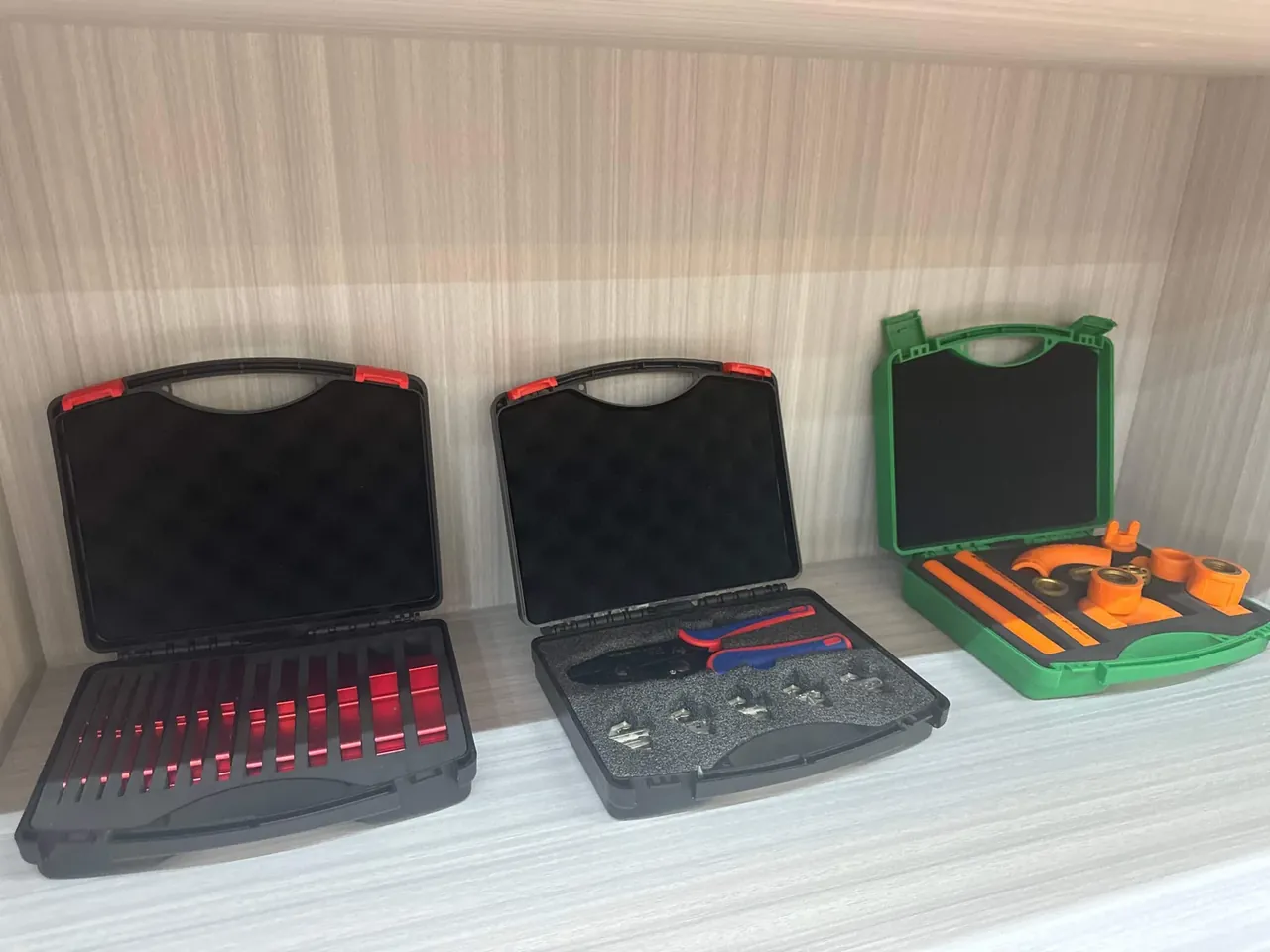
The 35 yuan is 8 yuan of labour at 60 yuan an hour plus a 27 yuan latch. Alignment costs less because nothing is replaced, but 25 minutes of bay time queues up once tickets stack. A seal is cheapest: 15 yuan of labour and 7 for the strip, if the groove is still true.
Three defects sit outside the classes: a cracked wall, a set deeper than 3 mm, and a lining that has come unglued. A repaired crack keeps about 70% of its strength, a rim set beyond 3 mm never seals again, and a detached lining does not glue back. Rework on those three only moves the problem to the customer.
The 1.2% rate is a usable baseline. It means 12 defects per 1000 units, or 420 yuan of rework budget per 1000 at 35 yuan a unit. At 3% the same 1000 units cost 1,050 yuan and the return volume climbs with it.
Above 3%, case rework or return stops being a repair question and becomes a process question, answered at the mould and the assembly bench rather than with overtime.
3. Freight above 15% of value
There are three lines, taken in order: freight as a share of unit value, the batch rework rate, and the window the customer can wait. Run all three before naming a fault, because reversing the order turns a rework into a return.
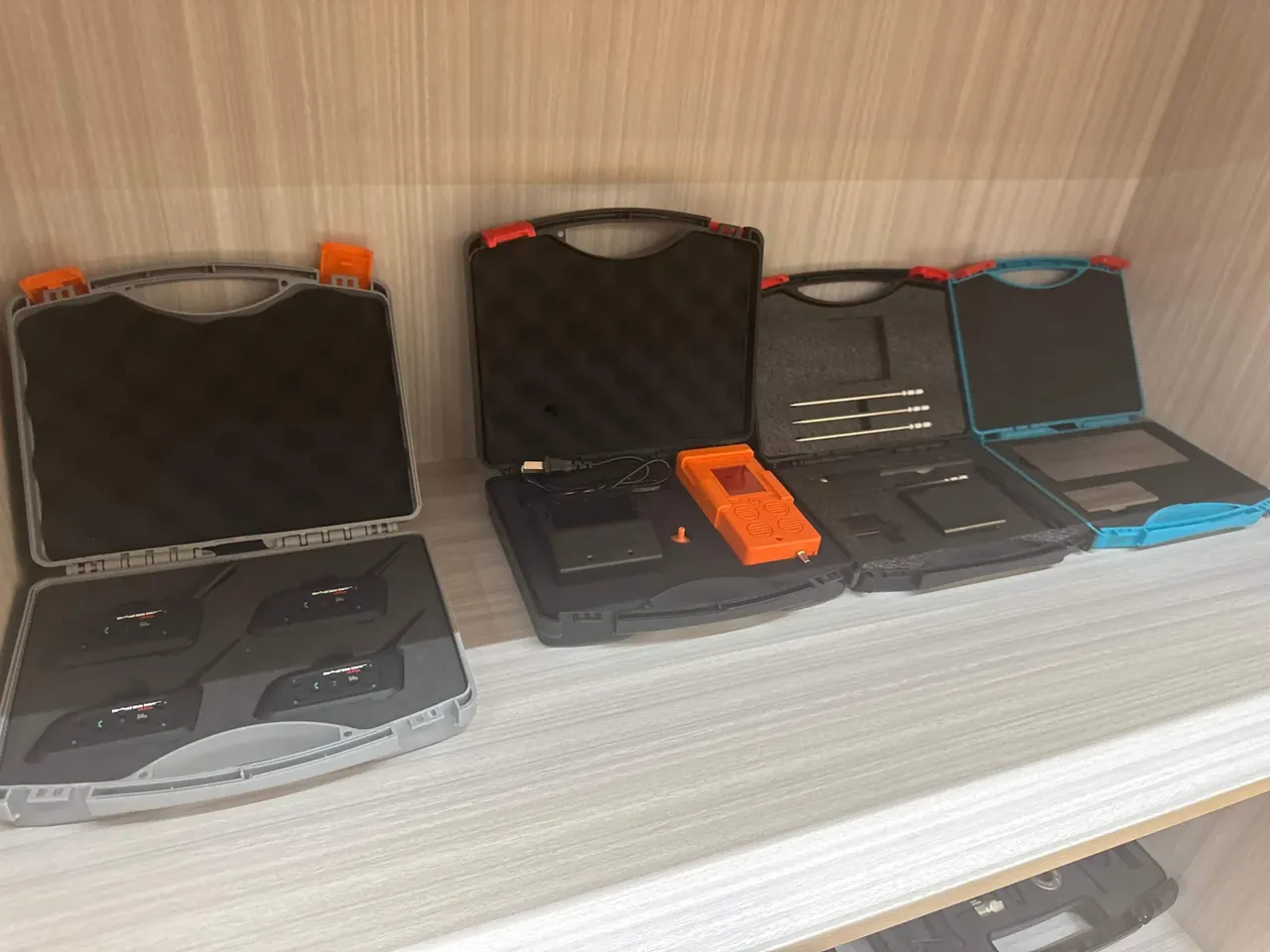
Line one is the unit: freight back above 15% of value means rework in place; below 15%, the factory is the cleaner route. On a 260 yuan case the line sits at 39 yuan, and the real 120 yuan is 46%, far above it, so at unit level rework nearly always wins.
Line two is the batch: under 3% rework everything in place, 3% to 8% rework in lots and recheck by sampling, above 8% send the lot back. Thirty of 500 is 6%, right in the middle, so the answer is to rework 30 and sample 32 of the remaining 470.
Line three is the window: a customer line that needs stock in 20 days cannot wait for a 20 day return cycle, while rework ships in 3, and that line alone decides the case.
| Route | Cost per unit | 500 units | Fits when |
|---|---|---|---|
| Rework 30 in place | 35 yuan | 1,050 yuan | Rework rate below 8% |
| Return the lot | 120 yuan | 60,000 yuan | Rework rate above 8% |
| Allowance of 6% | 15.6 yuan | 7,800 yuan | Customer absorbs the work |
| Scrap and rebuild | 185 yuan | 92,500 yuan | Defects outside the classes |
The four routes differ by tens of thousands. A 6% allowance looks cheap until it lands at 7,800 yuan, 7.4 times the rework figure, and pays only when the customer can absorb the work.
When the lines disagree, the window wins, then the rework rate, then the unit ratio. No time to wait means rework; a rate above 8% means return; neither pressing sends you back to the 39 yuan mark.
The lines pick the route, not the payer. Who carries the 35 yuan depends on where the defect entered the process, and that question sits outside this article.
4. Five checks and three ways to accept
Case rework or return is not finished when the bench is, it is finished when five checks pass.
The five are: no fresh scratches or dents; five consecutive latch closes that seat first time; a 0.10 mm feeler refused at the lid gap; a gasket that stays in its groove under a finger run; diagonals within 2 mm. Any failure sends the unit back to the bay.
Customers accept three things. An allowance of 6% comes to 7,800 yuan on 500 units, with the customer keeping the 30. A replacement ships 30 new units in 20 days, with the old ones staying put. An exchange pulls 30 units from the same batch in 3 days and takes the old ones back. The three differ by more than 3 times in cost, so pick by the customer's schedule.
The combinations write themselves: a line that cannot wait takes an allowance plus staged rework; a lot that fails as a whole takes an exchange; a handful of units takes a replacement. They can also stack, for instance 10 exchanged to hold the line and 20 allowed.
Records go one code per case with six fields: batch number, rework date, class, replacement part batch, inspector, and the five measured values. Keep them for 2 years, because the next repeat of the same defect is settled by that file faster than by any chat log.
Thin records mean the same defect returns and the rework rate never falls.
Conclusion
One line does most of the work in case rework or return: freight above 15% of value means rework in place, below it the factory is cleaner. On a 260 yuan case the line sits at 39 yuan, and real freight of 120 yuan is 46%, so rework is the default. Add the batch line at 8%: rework in lots below it, return the lot above it. Then close with the five checks, no fresh marks, five latch closes, a 0.10 mm feeler refused, a gasket that stays in its groove, diagonals within 2 mm, and only then does the unit count as shippable. Three fields travel with each case: batch number, rework class, measured values. The lines decide where the money goes; the checklist decides whether it was wasted. Do both and case rework or return stops repeating itself as a second return.
This article discusses container-side specifications and design implications only, and does not cover any handling, loading or use of the contents.
Related Reading
- Returning empty cases: process and cost
- What case repair can and cannot fix
- Cross-border returns for cases
- Repair and spare parts arrangements
Related Products
- 8 Series — Gun Cases; Military Equipment Cases; Camera Equipment Cases; Drone Cases; Watch Cases; Knife Cases; First Aid Cases; Electronics Equipment Cases
- WL8-2812 PP Gun Case — model WL8-2812
- All protective cases and toolboxes: 7 series, 158 models