

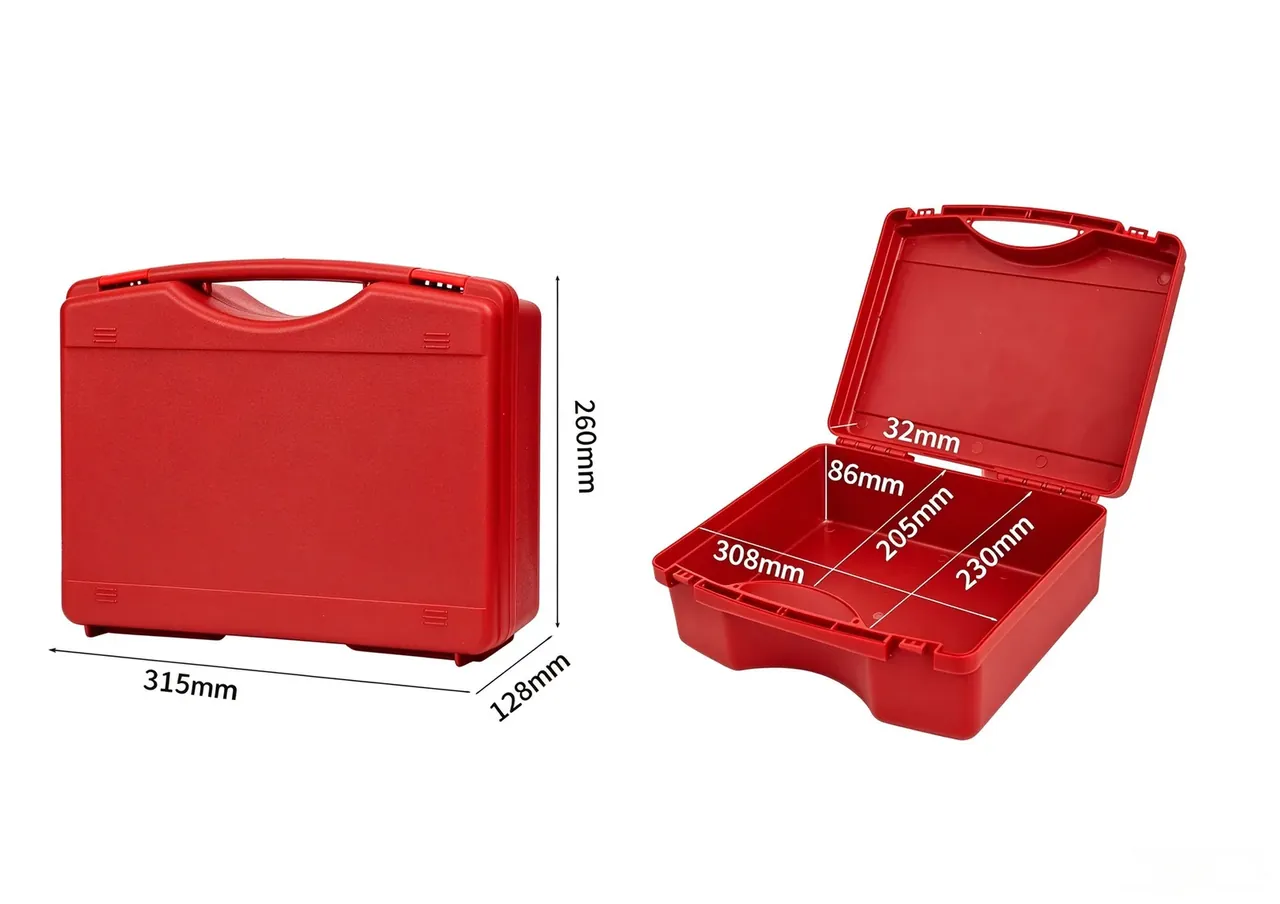
Quick answer: A sop sip pair splits one operation in two: the SOP fixes sequence, parameters and tooling, the SIP fixes inspection, frequency and limits.
Table of contents
- Two documents per operation, and why one will not do
- Reading one injection step from both sides
- Length, owner, and where each document stops
- Three revision triggers and the A0 ladder
- Controlled copies and the 24-hour swap
- FAQ
1. Two documents per operation, and why one will not do
The usual failure is a merged file: page one explains how to start the machine, page two explains what counts as acceptable, and nobody can tell who is judging. Kept apart, the roles stay legible. The SOP answers sequence, parameters and tooling; the SIP answers inspection item, frequency, decision and record.
| Document | Question it answers | Content | Owner | Length |
|---|---|---|---|---|
| SOP (moulding) | How is it done | Sequence, pressure, tooling | Process | 3 pages |
| SIP (moulding) | How is it judged | 9 items, every 2 hours, decisions | Quality | 2 pages |
| SOP (packing) | How is it done | Bagging order, label position, stacking | Process | 2 pages |
| SIP (packing) | How is it judged | 3 label items, 5 cases, decisions | Quality | 1 page |
A standard case runs through 6 operations, so 2 documents each gives 12 files and about 30 pages. The risk is not file count but a mismatch inside one operation: the SOP sets hold pressure at 6.5 seconds, the SIP judges parts made at 8, and the batch is scrap either way.
Reading conditions differ too: the SOP stands at the machine and needs larger type, the SIP sits on the bench and needs tight rows.
2. Reading one injection step from both sides
Hold pressure is an action and belongs to the SOP. Weight and flash are results and belong to the SIP. The pair exists to connect them.
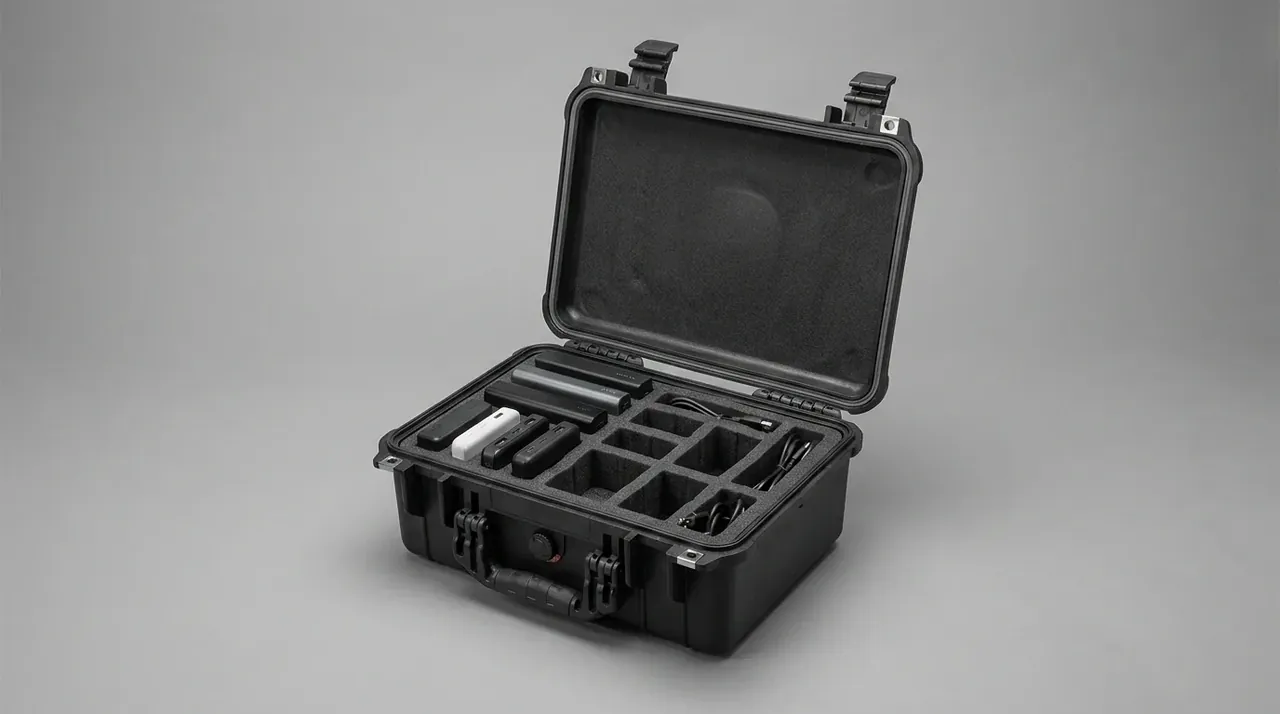
For moulding, the SOP sets hold pressure 6.5 seconds, cooling 24 seconds and mould temperature 45 °C; the SIP checks single-part weight 2.45 kg within ±1.5%, flash at the parting line under 0.15 mm, and 5 cases every 2 hours. Lose hold pressure and weight drops first; cut cooling and flash appears first.
The mapping is not one to one. Half a second of hold pressure may cost only 8 g, well inside ±1.5%, while flash is already visible. That is why the SIP carries both weight and flash.
The reverse direction matters too: five consecutive over-weight parts send the engineer back to the SOP, to check hold pressure and back pressure.
Some items live only in the SIP: colour difference, latch force, label position. The SOP offers no action for them beyond a self-check note.
3. Length, owner, and where each document stops
An SOP that reads like a manual goes unread; an SIP that reads like a standard goes unfilled. A page ceiling beats a format rule: 2 to 4 pages for the SOP, 1 to 2 for the SIP. Over the ceiling means one file is covering two operations.
Ownership splits the same way: process writes the SOP and production signs, quality writes the SIP and process counter-signs. Whoever signs must recite the key parameters.
Keep the SIP to 9 items and 5 record columns: date, lot, measured value, decision, signature. Extra columns get filled with whatever is easy.
Write the boundary on the cover: an SOP containing "judged acceptable" has crossed it, and an SIP containing "hold pressure first, then cool" has crossed it the other way.
4. Three revision triggers and the A0 ladder
Revisions cannot travel by word of mouth. Three triggers cover most changes: a process parameter, a material grade, a machine or mould. All three use one change note; only the signatures differ.
| Trigger | File that moves first | Deadline | Sign-off |
|---|---|---|---|
| Process parameter | SOP first, SIP follows | 24 hours | Process, quality |
| Material grade | Both together | 24 hours | Process, quality, buying |
| Machine or mould | SIP decision item | 72 hours | Quality, maintenance |
| Customer drawing | Both reissued | 5 working days | Three parties |
The change note carries 5 fields: line number, before and after values, originator, sample serial, effective date. A note missing a field goes back to be completed.
Version numbers start at A0, the first change makes A1, a correction inside one version is A1.1. Each revision is validated on 3 sample parts, and a change without a sample never reaches a version number.
5. Controlled copies and the 24-hour swap
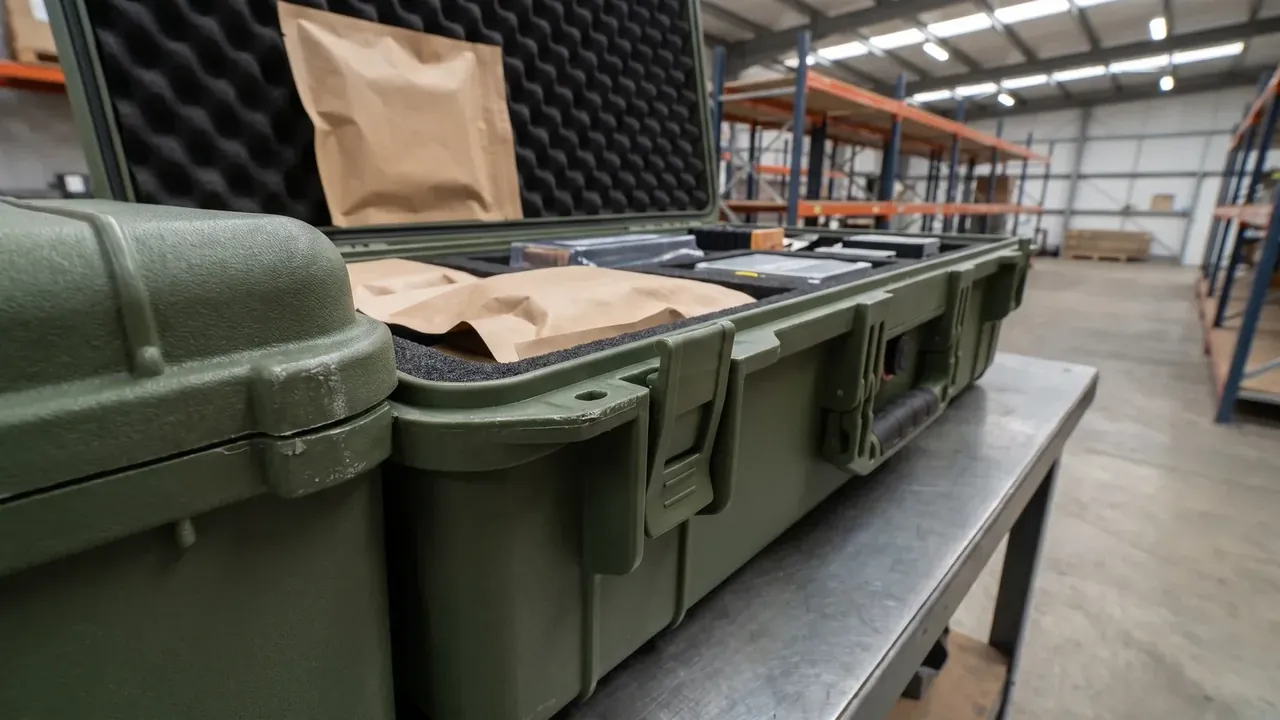
A controlled copy has 3 homes: machine, inspection bench, file. The SOP lives at the machine, the SIP at the bench, both sit in the file, and 1 read-only PDF sits in the controlled folder.
| Location | Document | Swap action |
|---|---|---|
| Machine board | Current SOP | Old sheet removed and returned |
| Inspection bench | Current SIP | Page swapped, new version stamped |
| File cabinet | One of each | Old version stamped void, kept 3 years |
| Controlled folder | Read-only PDF | Old file moved to archive |
The swap has 24 hours and the return rate is measured at 100%. A shortfall means a photocopy is circulating, and the first question is where it came from, not who is to blame.
Sample the swap the same day: ask 3 operators for the version number, and anyone who cannot answer marks a machine that never received the sheet.
SIP sampling runs every 2 hours and SOP training runs 30 minutes per document. Both are kept 3 years and reviewed every 12 months, and the review answers one question: does this line still match the floor?
Conclusion
The value of the pair is alignment, not detail: the SOP governs sequence, parameters and tooling, the SIP governs inspection items, frequency, decisions and records, one of each per operation, 2 to 4 pages against 1 to 2, one change note per revision, 24 hours to swap and 100% return. Hold those numbers and the two documents interlock instead of drifting apart.
This article covers case-side specifications only and does not address any handling, loading or use of the contents.
Related Reading
- Writing the three-column SOP for a case line
- Sequencing operator training across three operations
- Reading the three stages of a trial moulding run
- Assessing line capacity without inflated numbers
Related Products
- 8 Series — Gun Cases; Military Equipment Cases; Camera Equipment Cases; Drone Cases; Watch Cases; Knife Cases; First Aid Cases; Electronics Equipment Cases
- WL8-2812 PP Gun Case — model WL8-2812
- All protective cases and toolboxes: 7 series, 158 models