

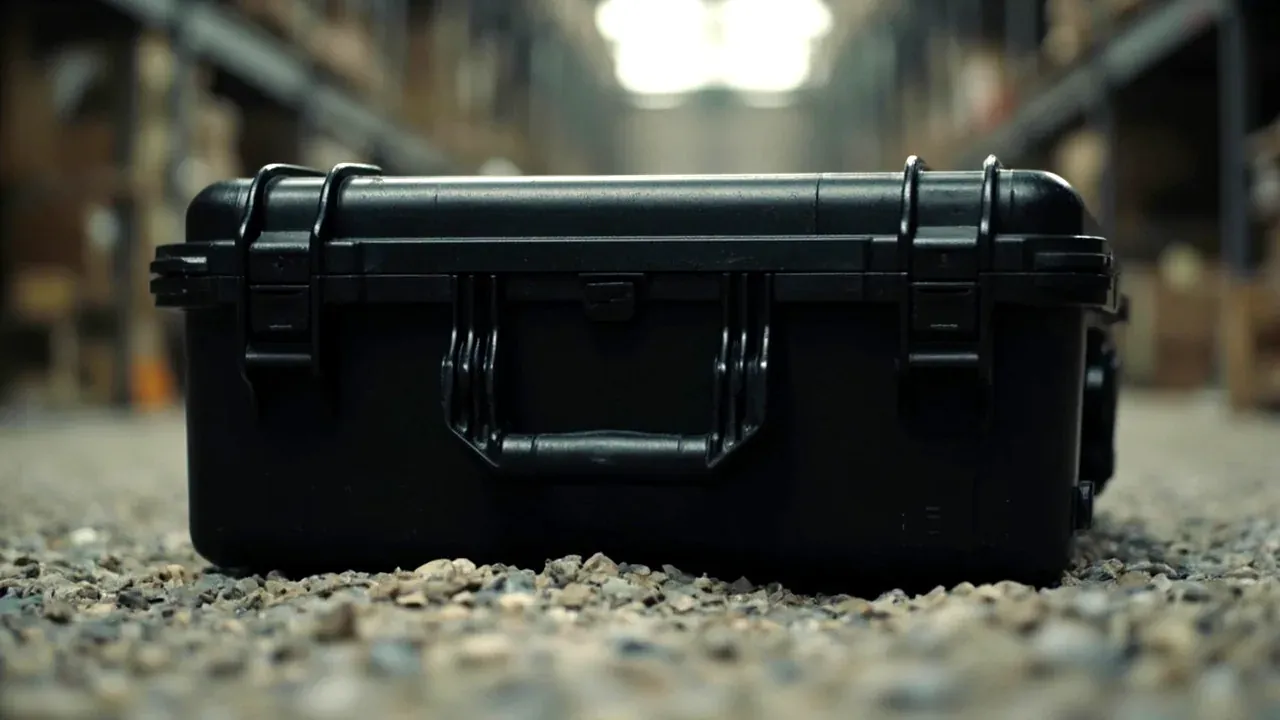
Quick answer: A special forces case faces three demands: training areas test latch life and washdown, vehicle transit tests tie points and lid strength, field camps test sealing and ground clearance. One case rarely leads on all three. Rank settings by time share, fix the shell and the seal for the top one, and cover the rest with liners and fittings. A case that scores evenly on paper usually loses on the one setting that matters most.
Table of contents
- Training areas: cycle count sets latch and hinge life
- Vehicle transit: vibration, tie points, load path
- Field camp: dust and rain test the seal differently
- Comparing case requirements across the three settings
- Ranking by weight: one build that serves all three
- FAQ
1. Training areas: cycle count sets latch and hinge life
Training areas mean many openings a day, regular washdown and constant movement indoors and out. The weak point of a special forces case there is not strength but latch springs and hinge pins, which soften after thousands of cycles.
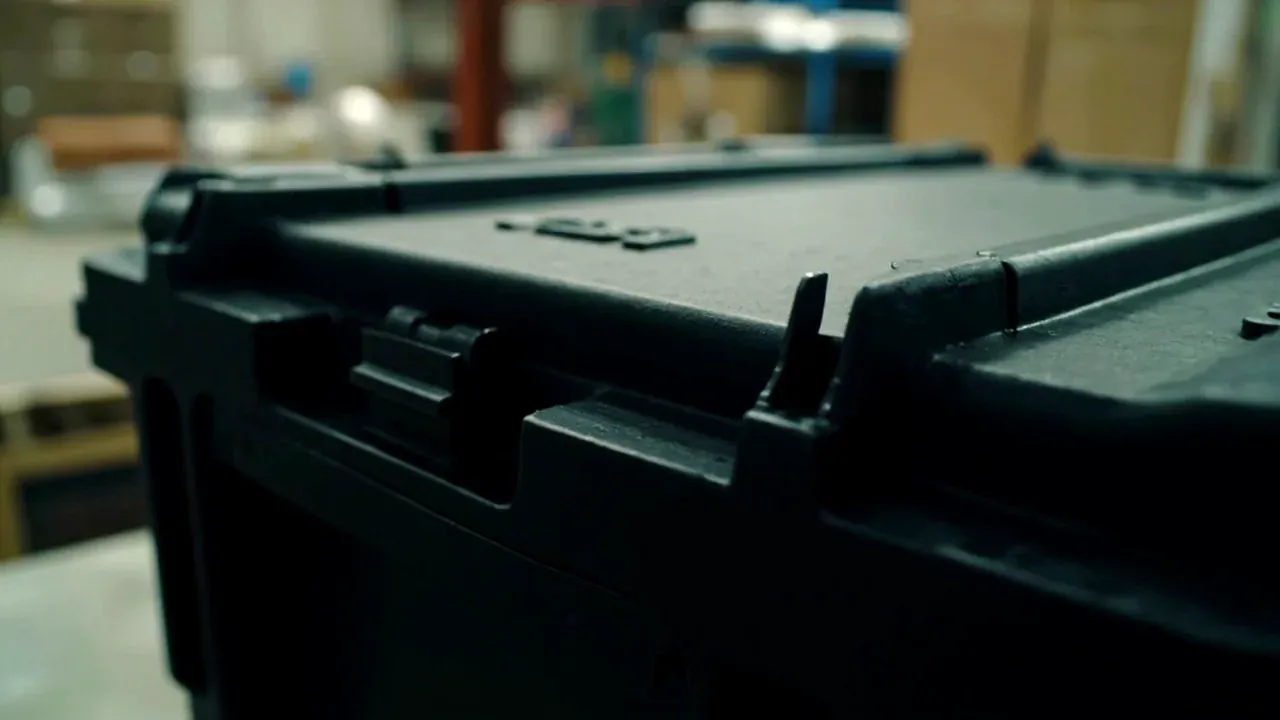
Three structural answers follow. Replaceable latches on screw-fixed bases let one worn unit be swapped alone. A through-pin hinge frees the lid. A raised base with rounded corners drains wash water, and a U-shaped groove keeps the gasket seated.
2. Vehicle transit: vibration, tie points, load path
Transit turns the load from vertical into three directions. Vibration reaches the liner through the base and loosens locators before it troubles the shell. A special forces case tied at four corners needs slots aligned with base ribs.
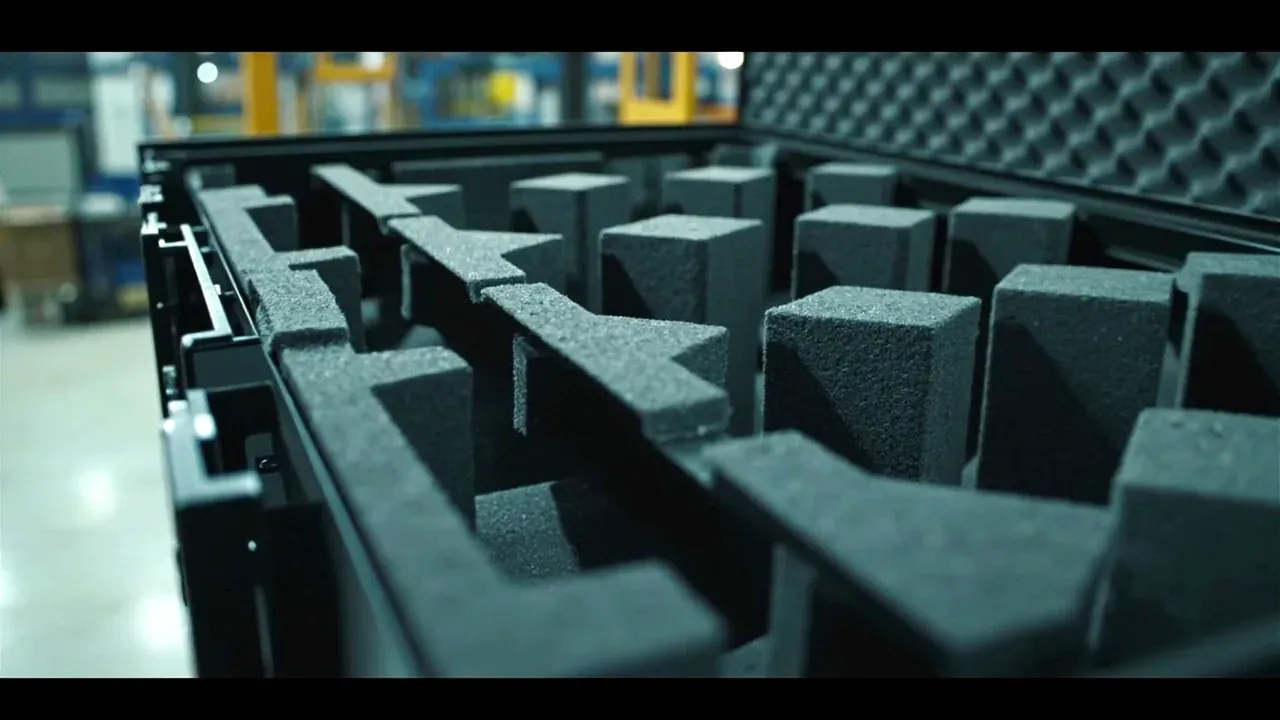
The lid is the second issue. Limited vehicle height forces two tiers, putting weight on the lid centre. Space ribs at 150 mm and keep them eight millimetres tall. Stack a loaded special forces case and drive a rough stretch, then check for liner marks.
3. Field camp: dust and rain test the seal differently
A field camp exposes the case to fine dust and short heavy rain. Dust is stopped by gasket compression, rain by overlap and drainage. A special forces case with a two-step lid rim holds water at the inner step and drains it at the corners.
Choose gasket material by temperature: EPDM weathers well, silicone stays softer in cold, and neither absorbs water. Set compression at fifteen to twenty-five percent of thickness, and keep the base fifteen millimetres off wet ground. Grades follow third-party test reports.
| Setting | Sealing | Stack | Tie points | Lid angle |
|---|---|---|---|---|
| Training area | dust-tight, hose-proof | two tiers | none, located by feet | 100 degrees with a limit strap |
| Vehicle | dust and splash | three tiers, interlocking | four corner slots, 25 mm | 90 degrees under the roof |
| Field camp | dust and short immersion | one tier, raised base | tie slots plus peg holes | 110 degrees, lid removable |
4. Comparing case requirements across the three settings
Side by side, the differences are plain: training wants replaceable parts and drainage, transit wants tie points and lid strength, camp wants sealing and clearance. One special forces case serving all three takes the top seal grade, since it cannot be added later.
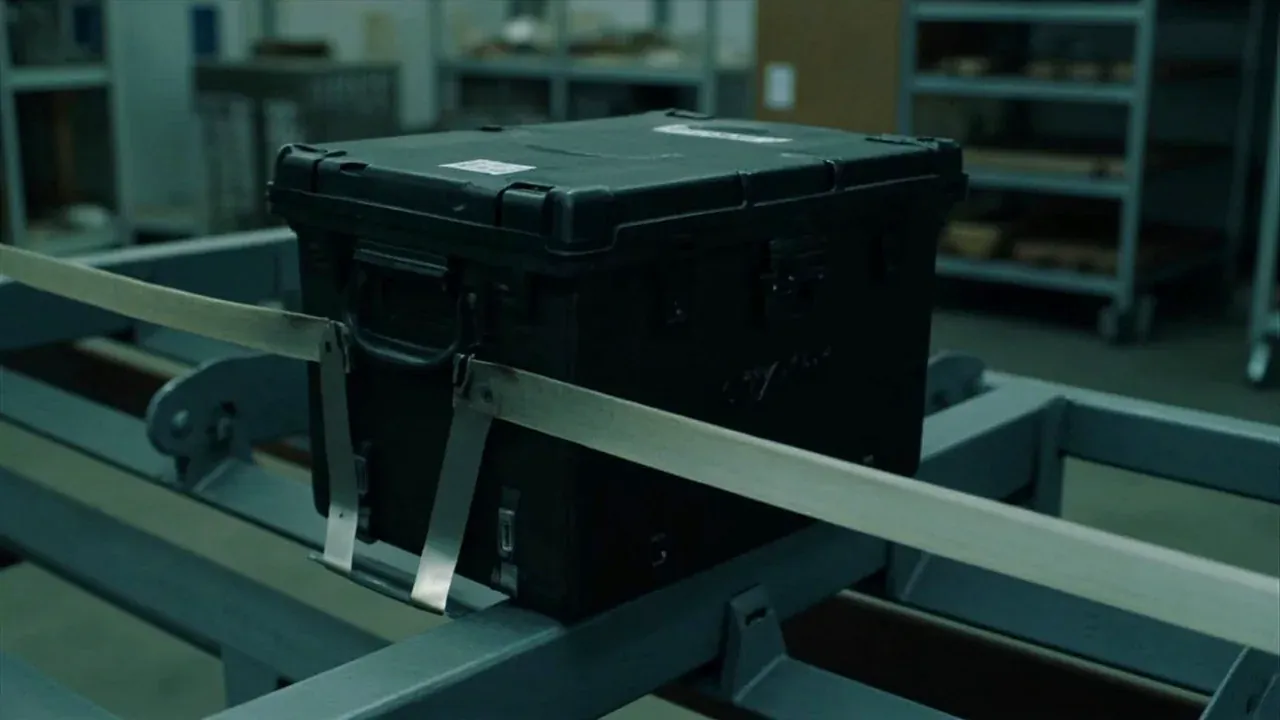
One row is easily missed: lid angle. Under a vehicle roof the lid stops at ninety degrees; in camp it is often lifted off as a bench. Lid angle fixes strap length, hinge type and latch faces, so a special forces case drawing should show it.
5. Ranking by weight: one build that serves all three
Sequence by how hard each item is to change: seal, stack, tie, carry. The seal follows rim geometry and groove, so revising it means a new mold. Tie points can be machined into a special forces case afterwards; handles are fittings.
Rank settings by the share of the year. Eight months in a training area puts cycle life and drainage first; a case living in a vehicle puts straps and stacking first; a camp over a month puts sealing first.
Conclusion
Rank the settings first, then specify in reverse order of changeability: seal, stack, tie, carry. Seal and lid strength sit close to tooling; slots and liners come later; handles last. When one special forces case must serve three settings, settle the two fixed items and let fittings absorb the rest. Ranking first is the only part that cannot be corrected on site afterwards, because the mold is already cut.
This article covers container-side specifications and design implications only, not the handling, loading or use of the contents.
Related Reading
- Selection order for a special forces case
- Interior length and support in long cases
- Transit Cases: Reusable Equipment & Instrument Protection
- Tactical Hard Case: Protection Ratings and Internal Modules
Related Products
- 8 Series — Gun Cases; Military Equipment Cases; Camera Equipment Cases; Drone Cases; Watch Cases; Knife Cases; First Aid Cases; Electronics Equipment Cases
- WL8-2812 PP Gun Case — model WL8-2812
- All protective cases and toolboxes: 7 series, 158 models