

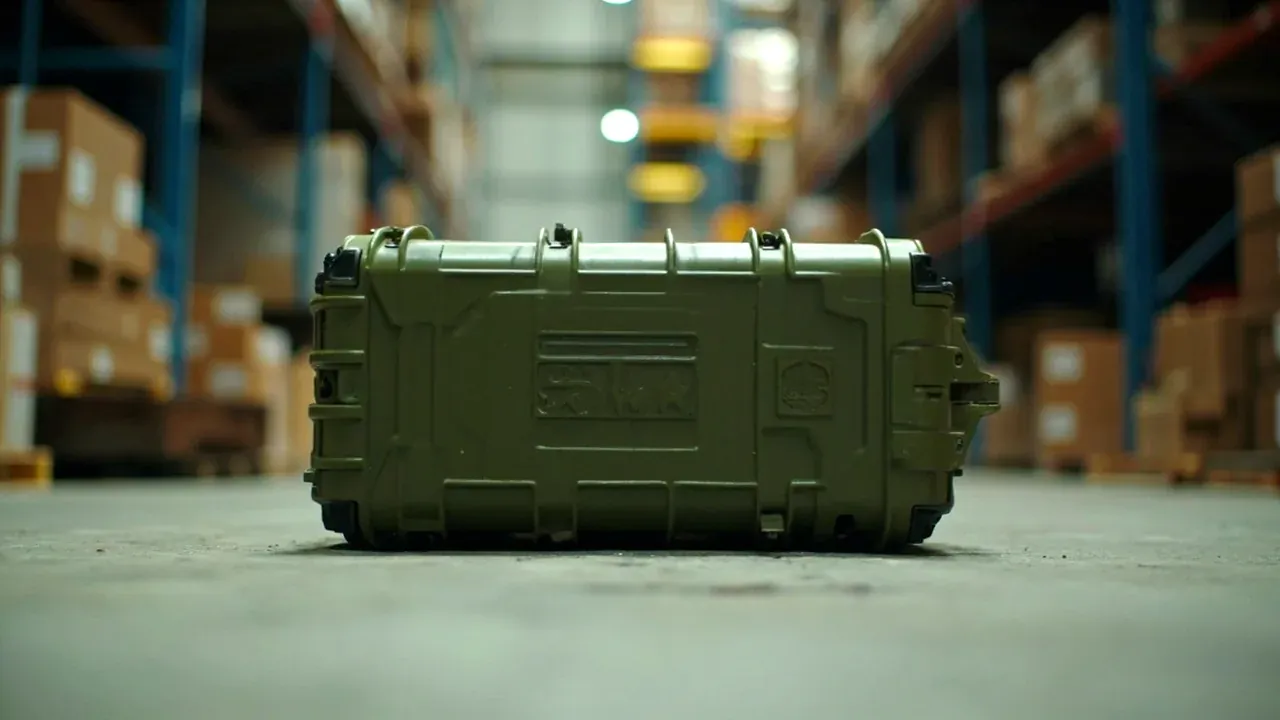
Quick answer: Pick a special forces case by fixing three numbers before any talk of structure: three actions or fewer from latch to item, a loaded weight two people can carry at about 35 kg, and a stack of three that holds without sag. Those three set shell length, latch count and rib spacing. Dividers and foam come later, because they can be recut while the mold cannot. Fix the numbers first and the rest becomes arithmetic.
Table of contents
- Three numbers first: actions, loaded weight, stack height
- Modular layout: an interior built from swappable blocks
- Access order: set by lid angle and latch placement
- Carrying and restraint: handle, strap holes, tie slots
- Decision table: four demand types to configuration
- FAQ
1. Three numbers first: actions, loaded weight, stack height
A special forces case is a rotomolded shell split into swappable blocks. Selection fails less on shell strength than on three numbers left undefined: actions from latch to item, loaded weight, stack height. Those fix length, latch count and rib spacing.
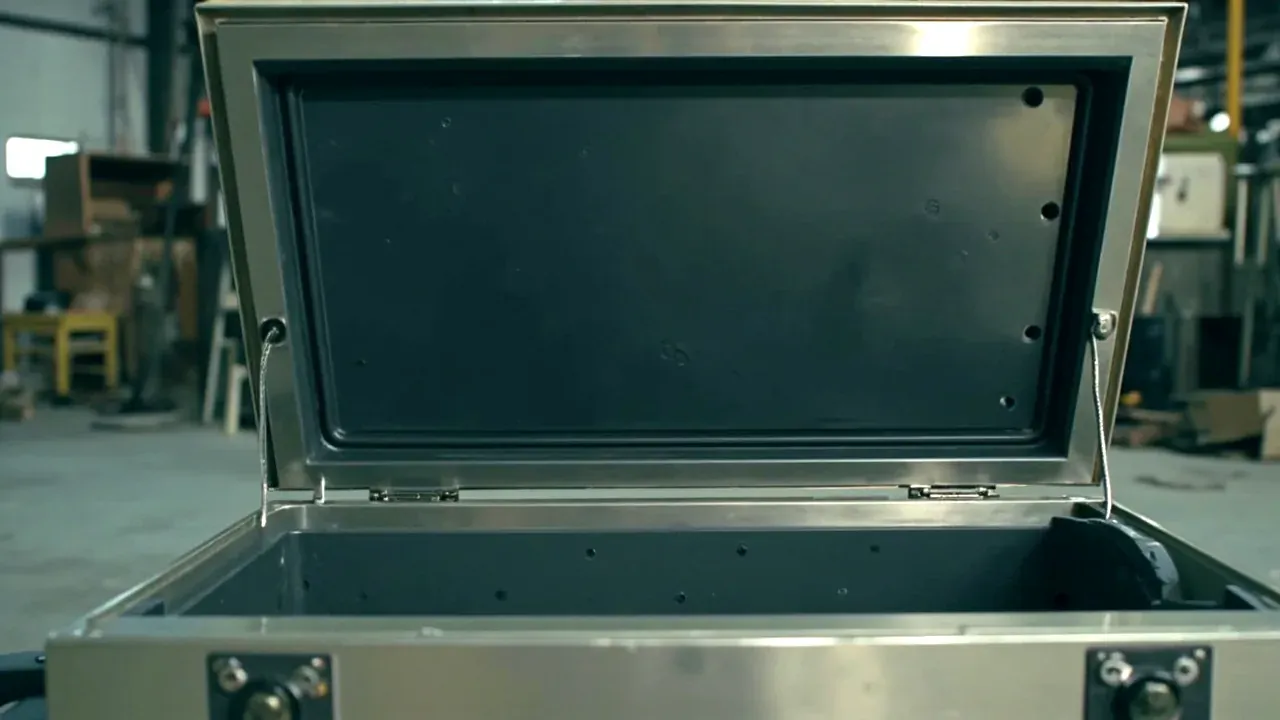
Each number in a special forces case has a source. Judge by the item reached most often: release, lift, take, three actions. Weight follows carriers, eighteen kilograms alone and thirty-five for two. Divide room height by case height, round down, then drop a tier.
| Metric | Target | How to measure | If it fails |
|---|---|---|---|
| Latch to item | three actions or fewer | count from the closed state | add a lid pocket or drop a layer |
| Loaded weight | 18 kg solo, 35 kg for two | weigh the loaded case | cut cavities or add side grips |
| Stack height | three high, base undistorted | load a day, measure sag | tighten rib spacing or drop a tier |
2. Modular layout: an interior built from swappable blocks
Modularity is a controlled number of replaceable units, not a high cavity count. The interior of a special forces case divides into three to five blocks for long items, boxed items, soft goods and spare space, ten millimetres apart for fingers. Trays carry the blocks.
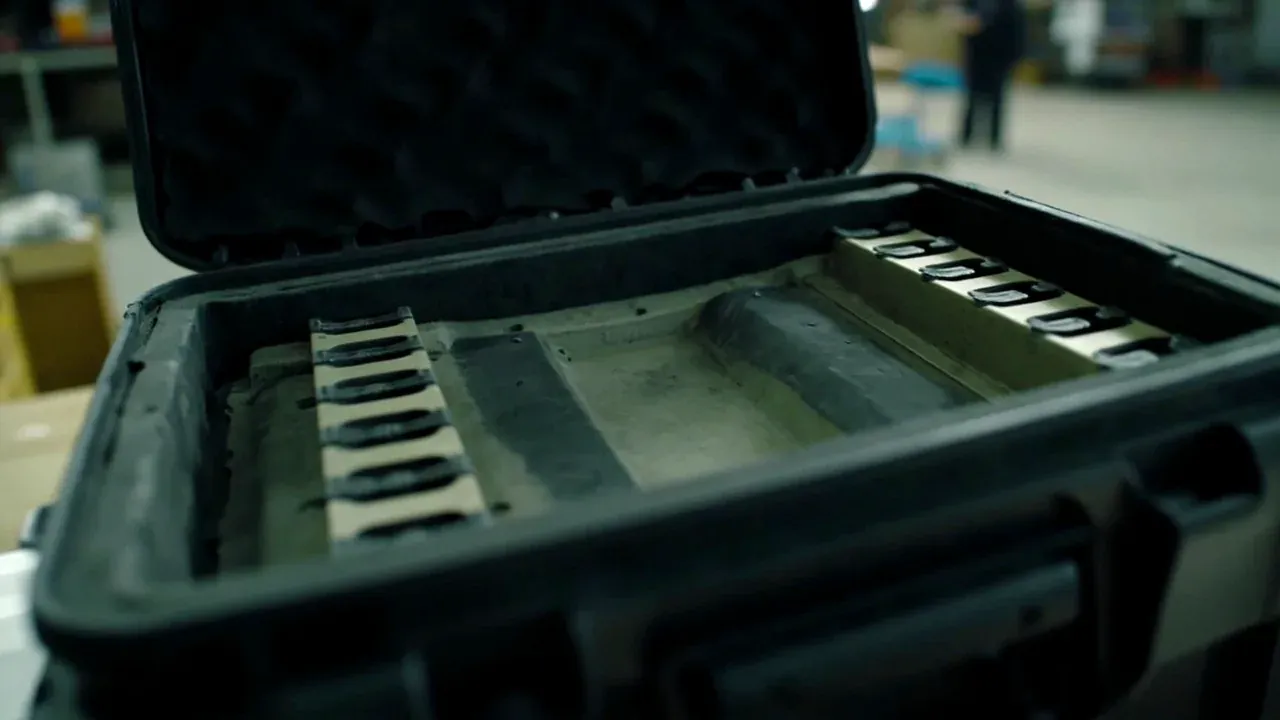
Three constraints check on paper. A special forces case opening must pass every block, since two millimetres too wide means it never goes in. Each block needs a finger pull, and slots or hook tape do the locating.
3. Access order: set by lid angle and latch placement
Fast access follows lid angle and layering, not less cargo. On a special forces case with a rear hinge, a lid past one hundred degrees crosses its centre of gravity and needs a limit strap; at ninety the hand must clear the rim.
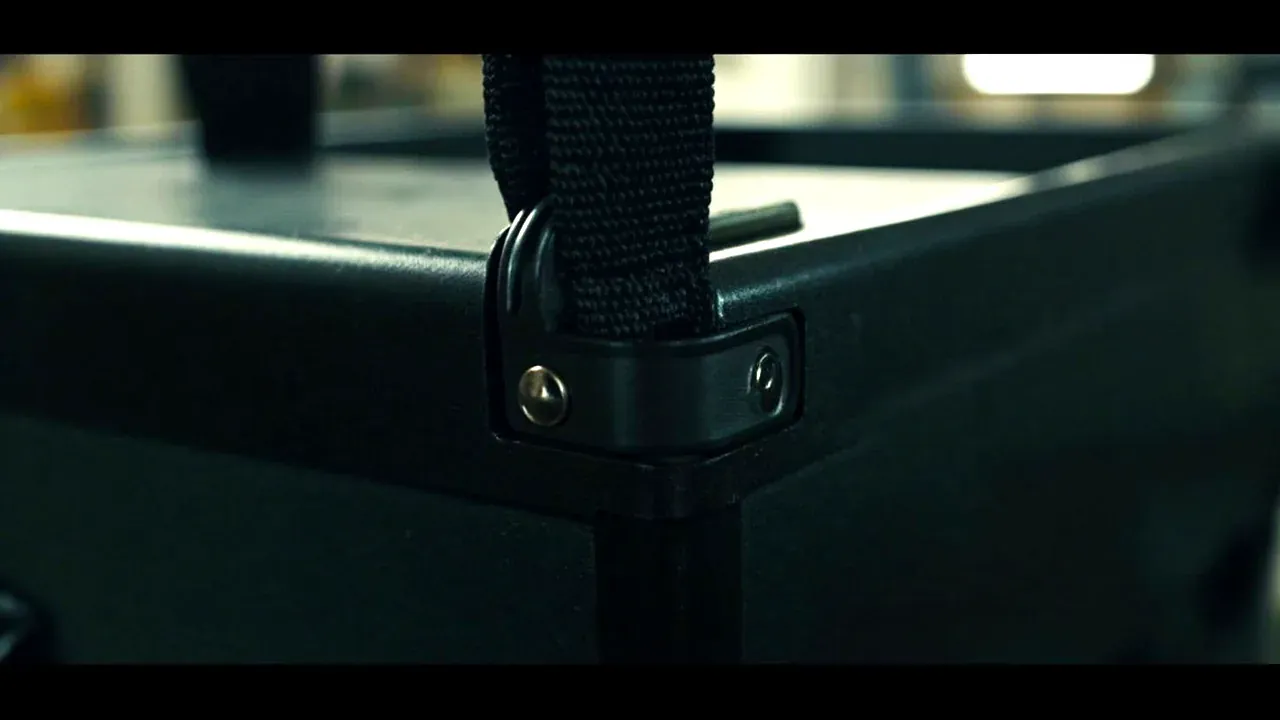
Latch placement counts. A special forces case with latches on the handle face puts the hand behind the handle; keep latches on long faces and the handle on a short side. Reach layer first, lower trays lifted whole.
4. Carrying and restraint: handle, strap holes, tie slots
Fix the carry method and the outline follows. A one-person special forces case takes a molded handle tested at 1.5 times the load; two-person work adds grips near shoulder width; a carried case puts strap holes above the centre of gravity.
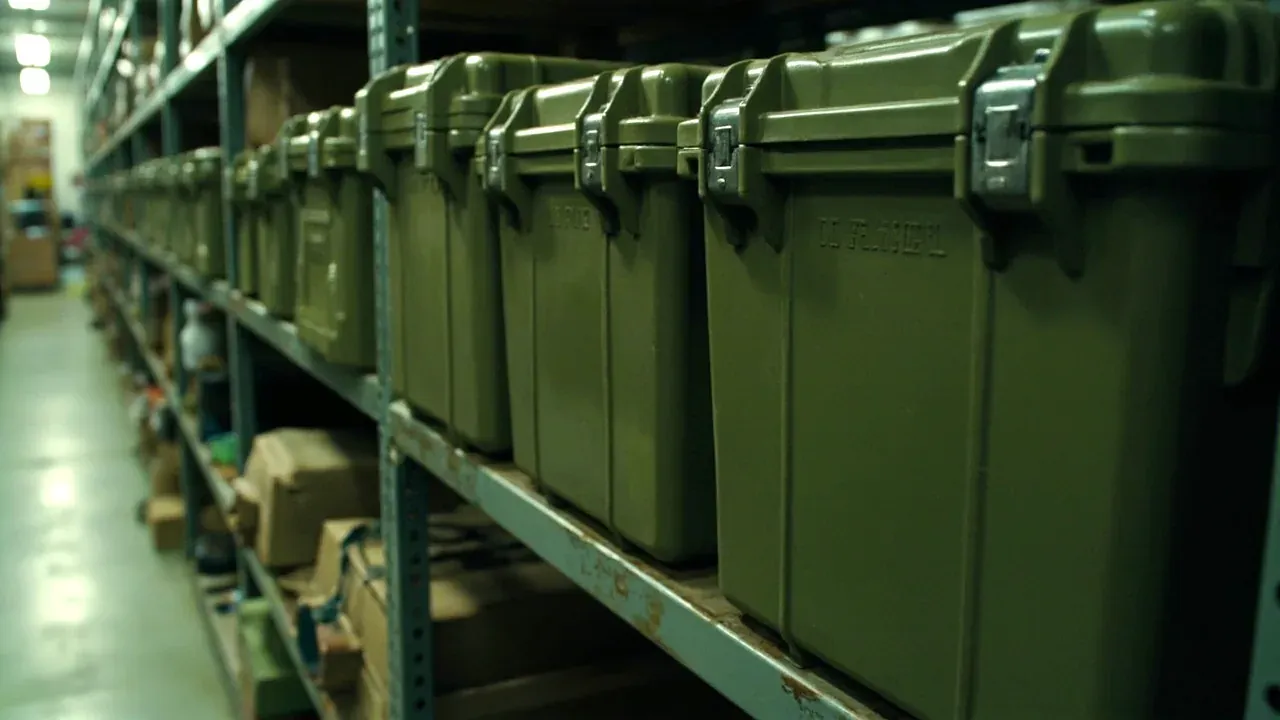
Vehicle restraint cannot rely on weight. Two molded feet, fifteen millimetres tall, give clearance and a path for the strap; upper feet drop into lid recesses and interlock. Stack three loaded cases for a day and measure sag.
5. Decision table: four demand types to configuration
Four demand types cover most enquiries: individual carry, team shared, vehicle resident, warehouse turnover. Individual carry wants shallow cavities and a strap, so a short special forces case with two latches. Shared work wants more blocks and side grips.
Decide by elimination, not scoring. Remove what the carry method cannot support, then what the stack will crush, then size the liner by block count. Two options survive. Put the numbers on one sheet, or the quote hides its tooling cost.
Conclusion
Work in the order of numbers, blocks, carry, stack. Narrow the field with actions, weight and stack height, size the liner by block count, then check lid and feet against vehicle and stacking loads. A step back costs foam or fittings, never a mold. Get the sequence backwards and the money goes into tooling instead of structure, and a special forces case is bought on numbers, not adjectives.
This article covers container-side specifications and design implications only, not the handling, loading or use of the contents.
Related Reading
- How the case works across three settings
- Rotomolded Cases: Rotational-Moulded Shell Structure & Pro…
- How to Choose a Tactical Storage Box: A Multi-Scenario Gui…
- Tactical Hard Case: Protection Ratings and Internal Modules
Related Products
- 8 Series — Gun Cases; Military Equipment Cases; Camera Equipment Cases; Drone Cases; Watch Cases; Knife Cases; First Aid Cases; Electronics Equipment Cases
- WL8-2812 PP Gun Case — model WL8-2812
- All protective cases and toolboxes: 7 series, 158 models