

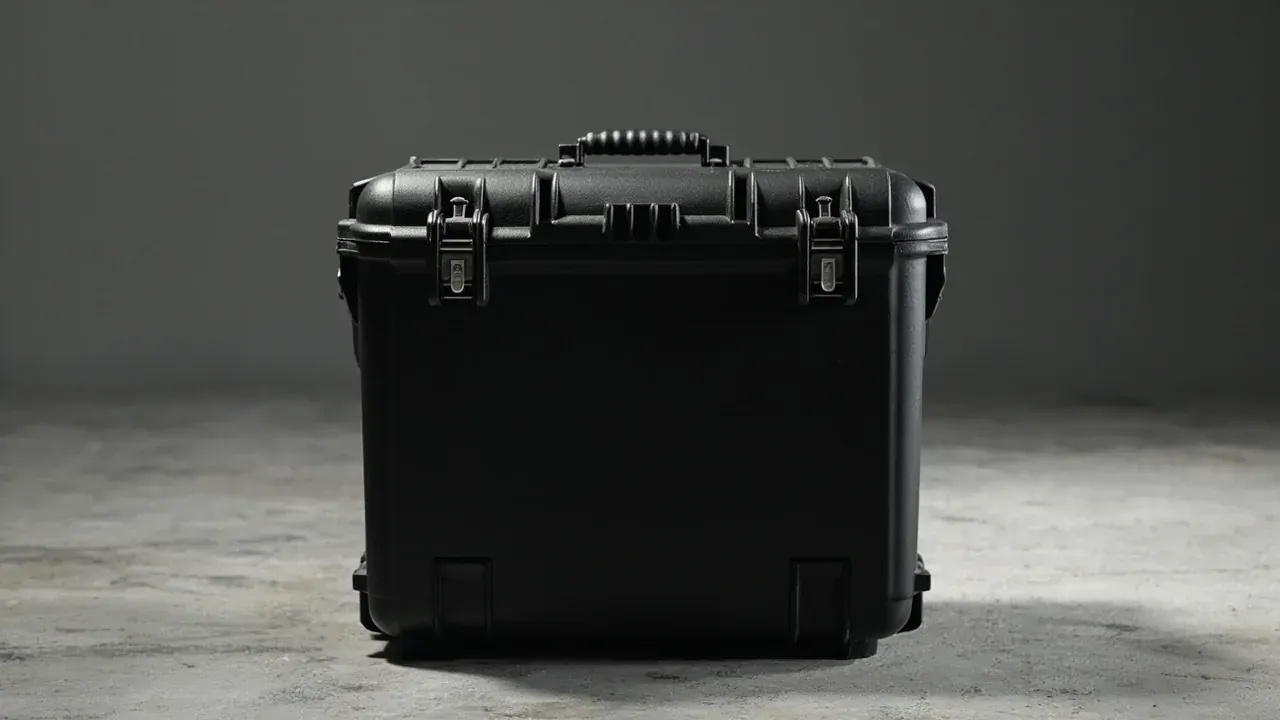
Quick answer: The real difference between a tactical hard case and a soft bag is the load path, not the price. A hard case moves force through a rigid shell and keeps external pressure off the contents; a bag deforms to absorb shock and passes that pressure inward. Specify the hard case for stacking, clamping or a verifiable seal. Specify the bag for speed on foot and low empty weight. Most programmes use both, one per leg.
Table of contents
- Why a tactical hard case carries load differently
- Interior organisation: cut foam versus soft dividers
- Impact, static pressure and sealing
- Weight, volume and handling efficiency
- A decision order for real conditions
- FAQ
1. Why a tactical hard case carries load differently
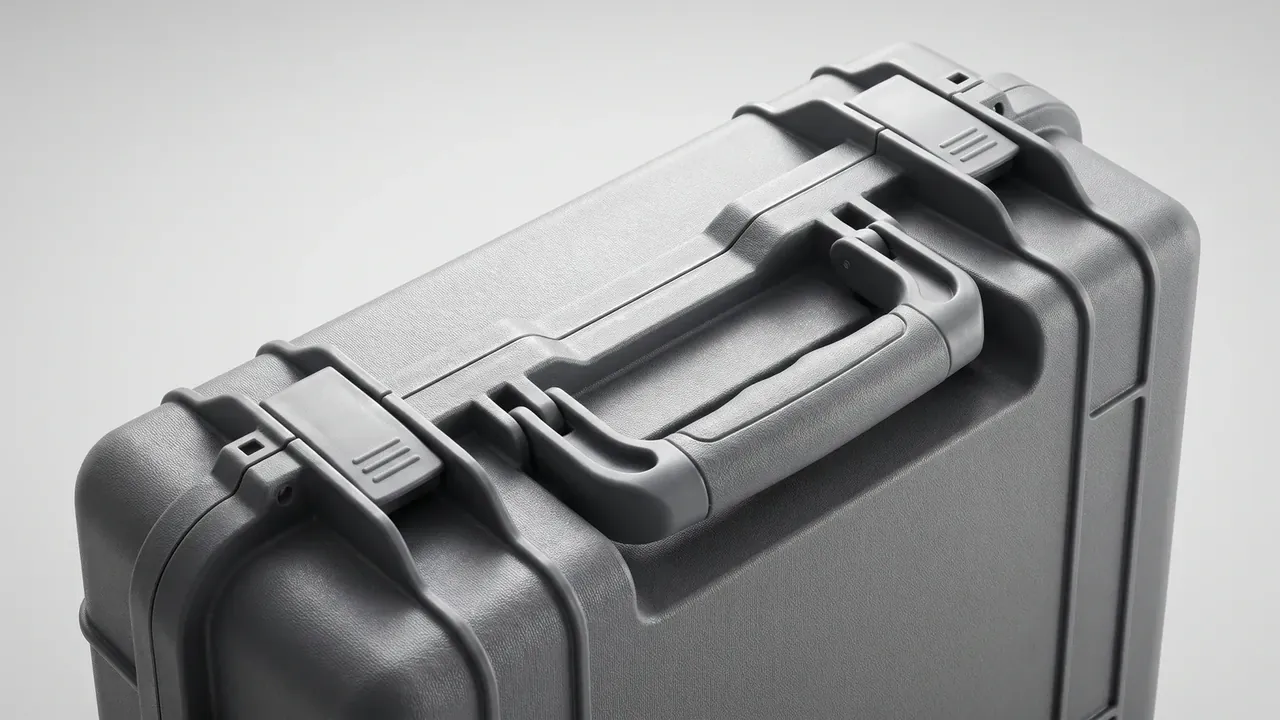
A tactical hard case carries load through shell stiffness: handle mounts, latches and hinges sit on one rigid wall, so lifting force enters the shell directly, while a bag spreads it along stitching.
Weight runs through the handle mount into the wall, so grip height stays fixed as load grows. A bag sags at the base and concentrates stress at the seam; one failed stitch run shifts load to its neighbours.
Opening is the third split: latches pull both shells into one closed section, while a zip opens one-handed but leaves a permanent break in the structure.
2. Interior organisation: cut foam versus soft dividers
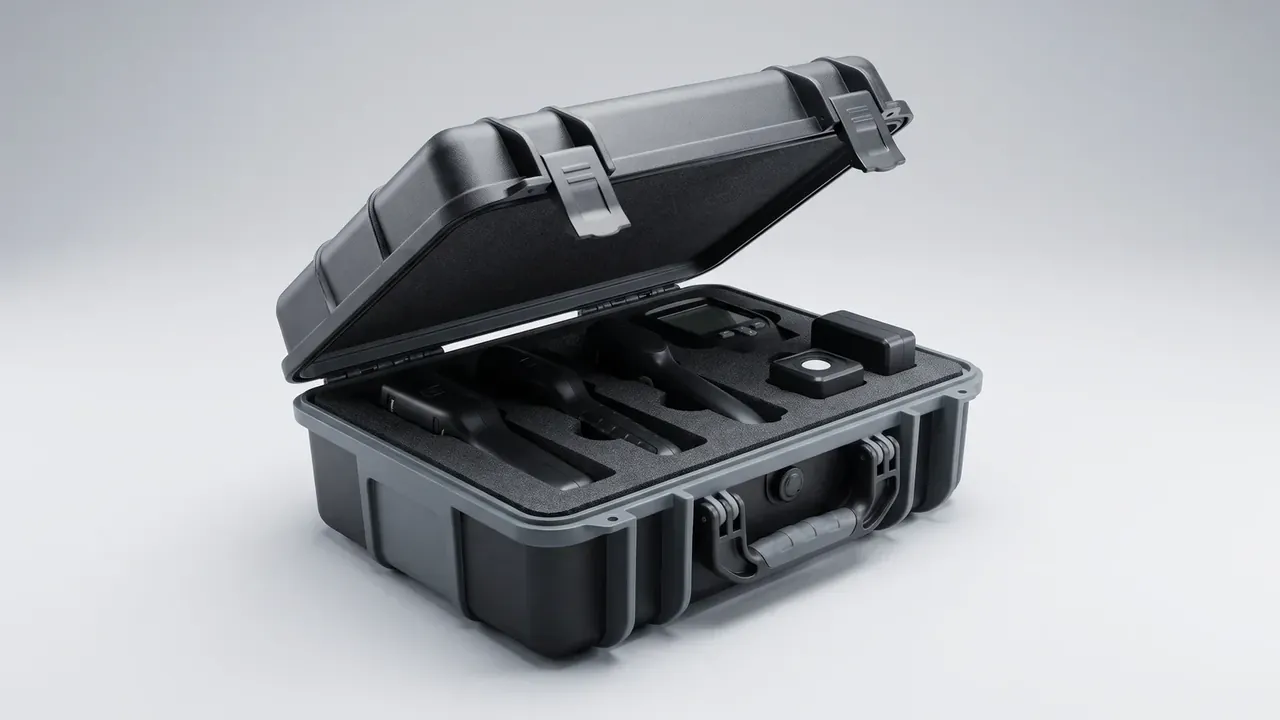
The inside of a tactical hard case is designed; the inside of a bag is folded. Foam, EVA or rigid dividers form fixed pockets; sleeves and hook-and-loop panels move easily but hold loosely.
Foam removes the gap between contents and wall, so a drop gives an item no runway; about half the impact performance sits there.
Soft dividers adapt, then drift: panels collapse, tape loses grip, pockets merge. A bag interior is consumable; foam pockets in a hard case are structural.
3. Impact, static pressure and sealing
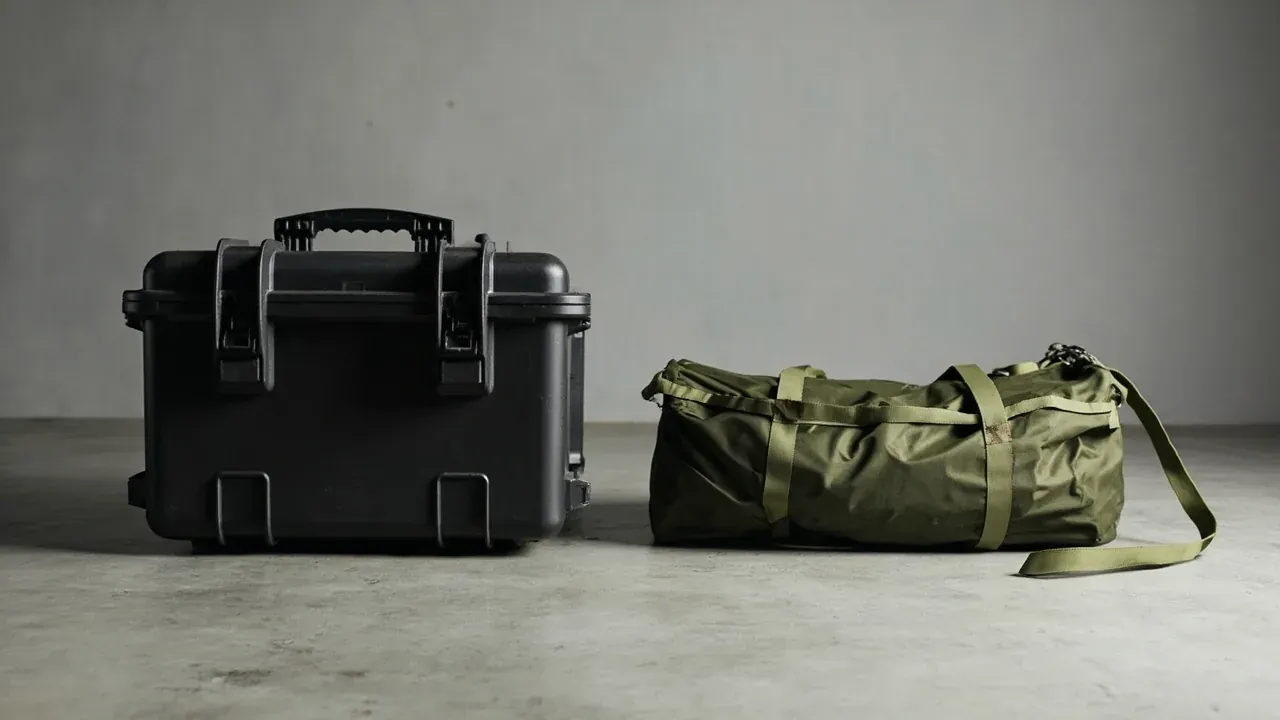
Point shock and surface pressure separate them. Under point shock the shell of a tactical hard case deforms and springs back while ribs steer energy outward; a bag absorbs through fabric. Under surface pressure a hard case passes load down its walls, while a bag sends it into the contents.
Stacking is the condition a tactical hard case owns: static load flattens a bag permanently, while the flat top and locating feature carry load down the walls, so layer limits follow the static rating.
Sealing follows the same logic: an elastomer gasket compressed by latch force forms one continuous line, built to the relevant structural grade, with the actual grade confirmed by third-party test reports. Coated fabric and zips keep rain out of a bag but give no measurable, repeatable interface.
4. Weight, volume and handling efficiency
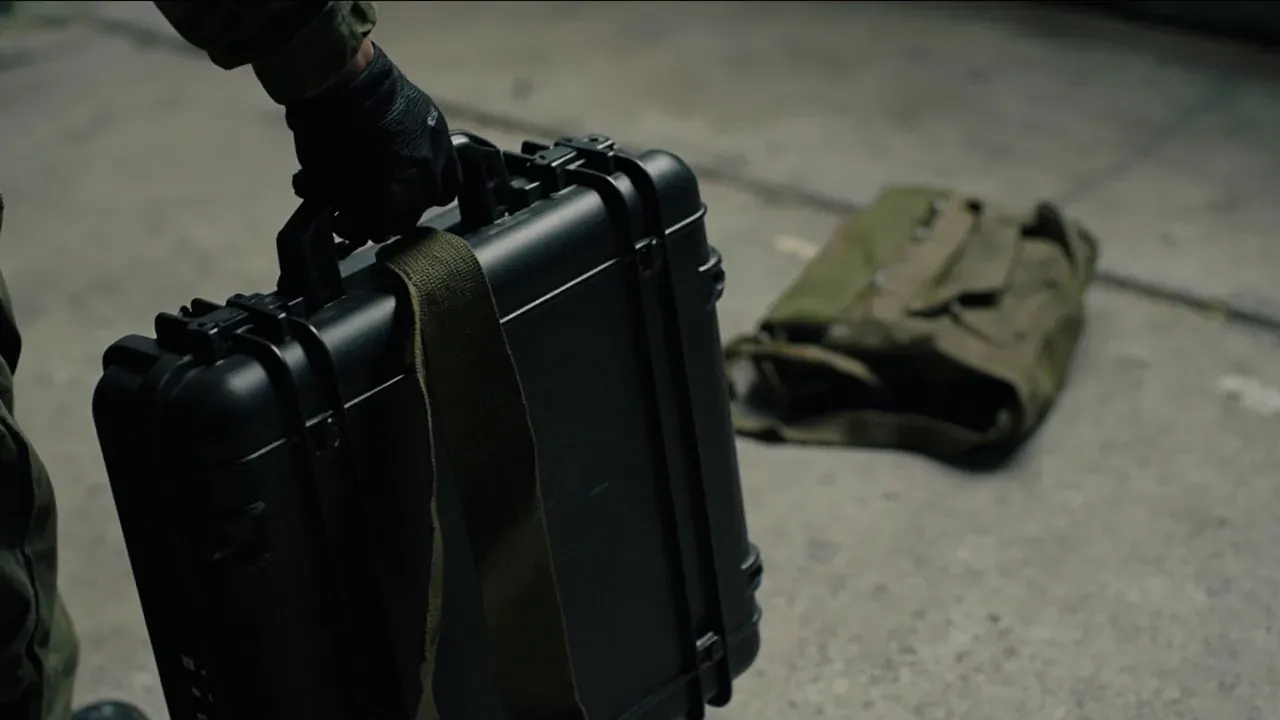
The weakness of a tactical hard case is its own mass and empty volume: at equal cavity size it is heavier and cannot fold, so the return leg and spare storage take full-load space.
Handling efficiency is lifts per unit of contents: a hard case moves several units at a time by pallet and fork, while bags go one by one.
A long case on a rack needs a beam strap, and that hardware and fitting time belong in programme cost.
5. A decision order for real conditions
Run the six conditions in order; early ones disqualify, the rest only add weight.
| Condition | Favours hard case | Favours soft bag |
|---|---|---|
| Stacking, clamping or sustained squeeze | Present | Absent |
| Seal that must be measured and repeated | Required | Rain only |
| Weight and value per item | High | Low |
| Handling pattern | Pallet, forklift, batch | Carried by one person |
| Return leg and storage | Fixed location | Must fold away |
| Opening frequency | Medium to low | High |
- Sustained pressure? If yes, the bag is out.
- Seal verified in acceptance clauses? Only a tactical hard case qualifies.
- Batch movement points to a hard case; personal carry points to a bag.
- No fixed location and compressed return volume? Take a bag or a nestable type.
Conclusion
Selection translates duty into structural requirement, not a ranking of carry systems. Fix the order: sustained pressure, then seal verification, then handling pattern, then return volume. Any of the first three pointing to a tactical hard case means building around one.
This article covers container-side specifications and design implications only.
Related Reading
- Tactical hard case structure and specifications
- Hard case versus soft tool bag
- Latch selection and clamping force
- Foam liner types
Related Products
- 8 Series — Gun Cases; Military Equipment Cases; Camera Equipment Cases; Drone Cases; Watch Cases; Knife Cases; First Aid Cases; Electronics Equipment Cases
- WL8-2812 PP Gun Case — model WL8-2812
- All protective cases and toolboxes: 7 series, 158 models