

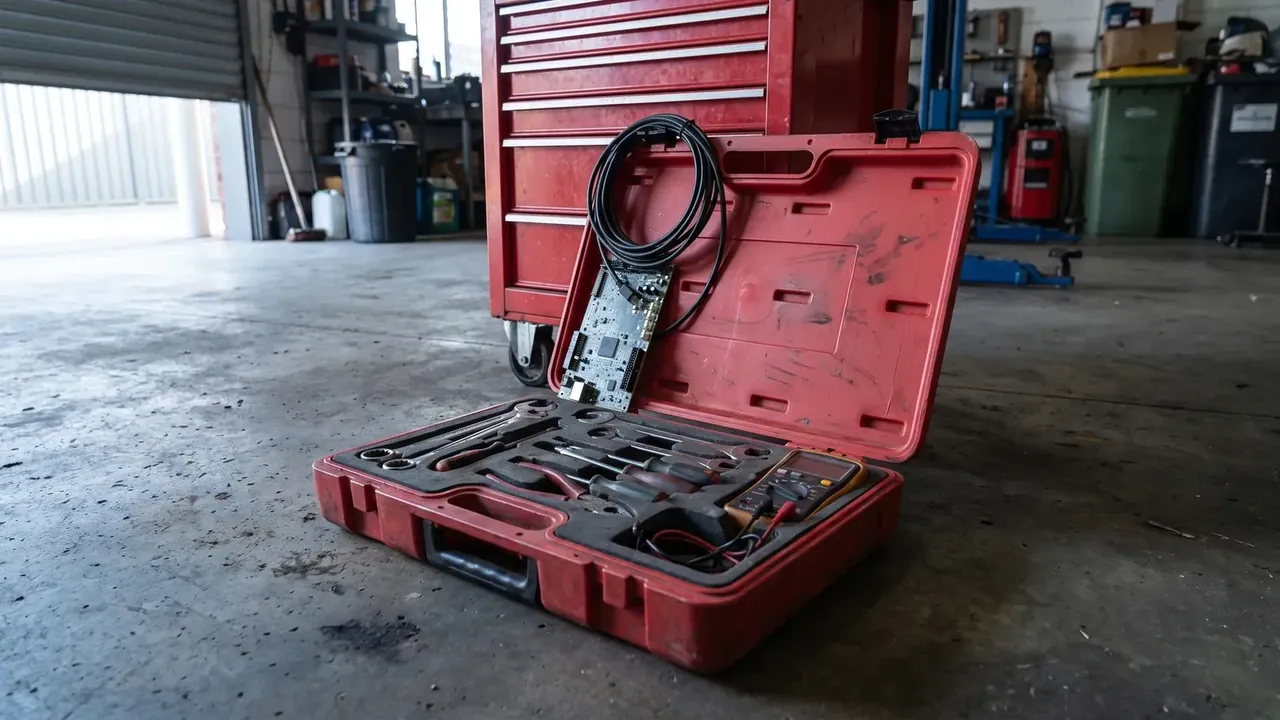
Quick answer: Tool bag maintenance is a measured check of six zones against fixed numbers: fabric thickness, stitch runs, zipper teeth, buckle cracks, webbing width and liner anchors, each with a threshold that decides repair or retirement.
Table of contents
- How to Schedule a Tool Bag Inspection Cycle
- Fabric and Stitch Wear Limits
- Zippers and Buckles in Daily Service
- Cleaning and Drying in the Right Order
- The Scrap Line: Five Conditions That Retire a Bag
- FAQ
1. How to Schedule a Tool Bag Inspection Cycle
Schedule on accumulated hours, not months. A crew working eight hours a day opens the bag a countable number of times, so the gates for a working tool bag are 8, 40, 160 and 500 hours.
Each gate needs a measurable action: corner thickness, broken runs in load seams, missing zipper teeth, slider drag, whitening at buckle roots.
| Gate | Accumulated hours | Method | Output |
|---|---|---|---|
| End of shift | 8 h | Visual: handle, slider, fresh scuffs | Verbal handover |
| Weekly | 40 h | Hand check of seams and buckles | Tick sheet |
| Monthly | 160 h | Gauge at bottom corners, pull scale | Numbers logged |
| Quarterly | 500 h | Full set plus 1.5 times rated load, 10 min | Release, repair or retire |
Rain, a drop or a forklift scrape earns a full check whatever the hours read.
2. Fabric and Stitch Wear Limits
Fabric fails in three stages: fuzz, exposed base cloth, hole. A 600D coated cloth runs 0.35 mm base plus 0.08 mm coating; below 0.28 mm the coating has lost continuity and the base takes water.
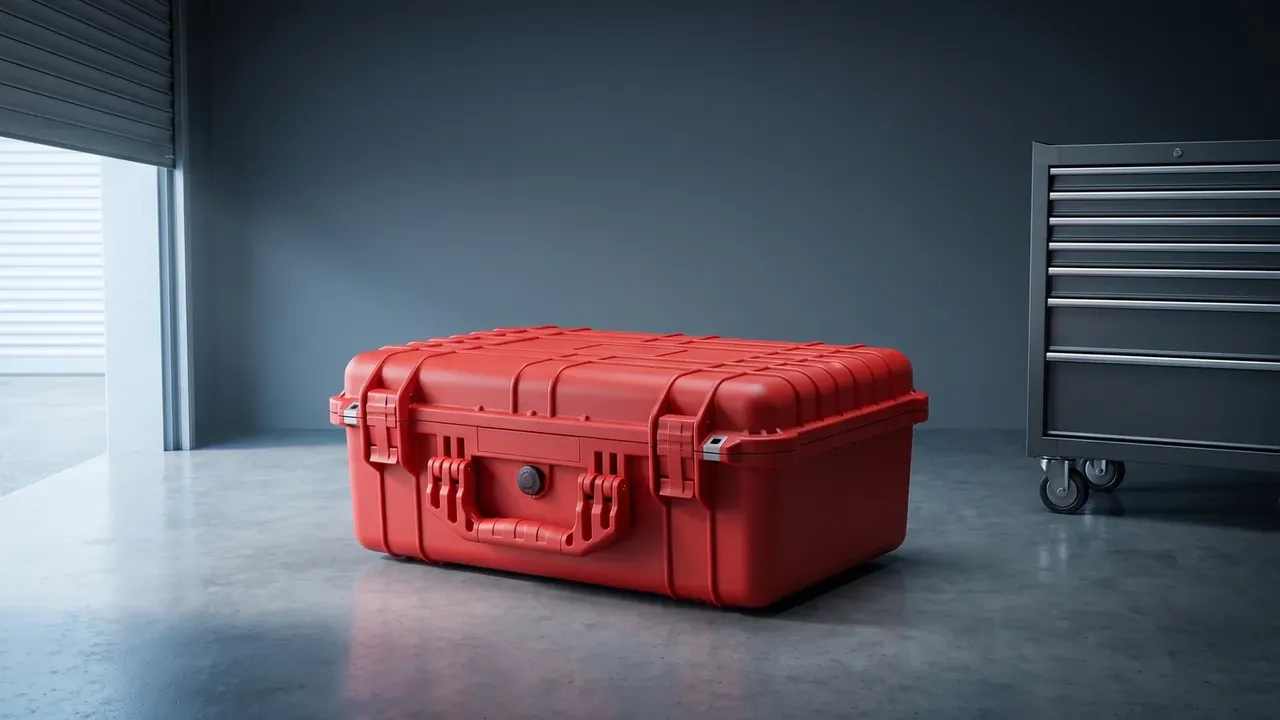
Stitches follow tighter rules: 8 to 10 per 3 cm, denser weakening the thread and sparser starting tears. Three consecutive breaks in one load run, or five within 10 mm, means a resew.
Load runs sit at handle roots, bottom corners and both sides of the mouth, wearing three times faster. Fuzzed or brittle thread is replaced before it breaks.
3. Zippers and Buckles in Daily Service
A number 5 nylon zipper measures about 6 mm across the teeth, a number 10 about 8 mm. Clean before lubricating; chips grind the teeth like sandpaper, so blow it clear at 0.3 MPa.
Use silicone or paraffin, never machine oil, which traps dust and turns the tape to paste in two weeks. Above 25 N of slider drag on an empty bag, clean and wax.
Buckles fail at the prong root: whitening means stress, a 5 mm crack retires it, and retention drops thirty percent after 5,000 openings.
4. Cleaning and Drying in the Right Order
Dry first, wash second, dry last. Blowing out stitch grooves and zipper tape at 0.3 MPa keeps dust from turning into slurry inside the seams.
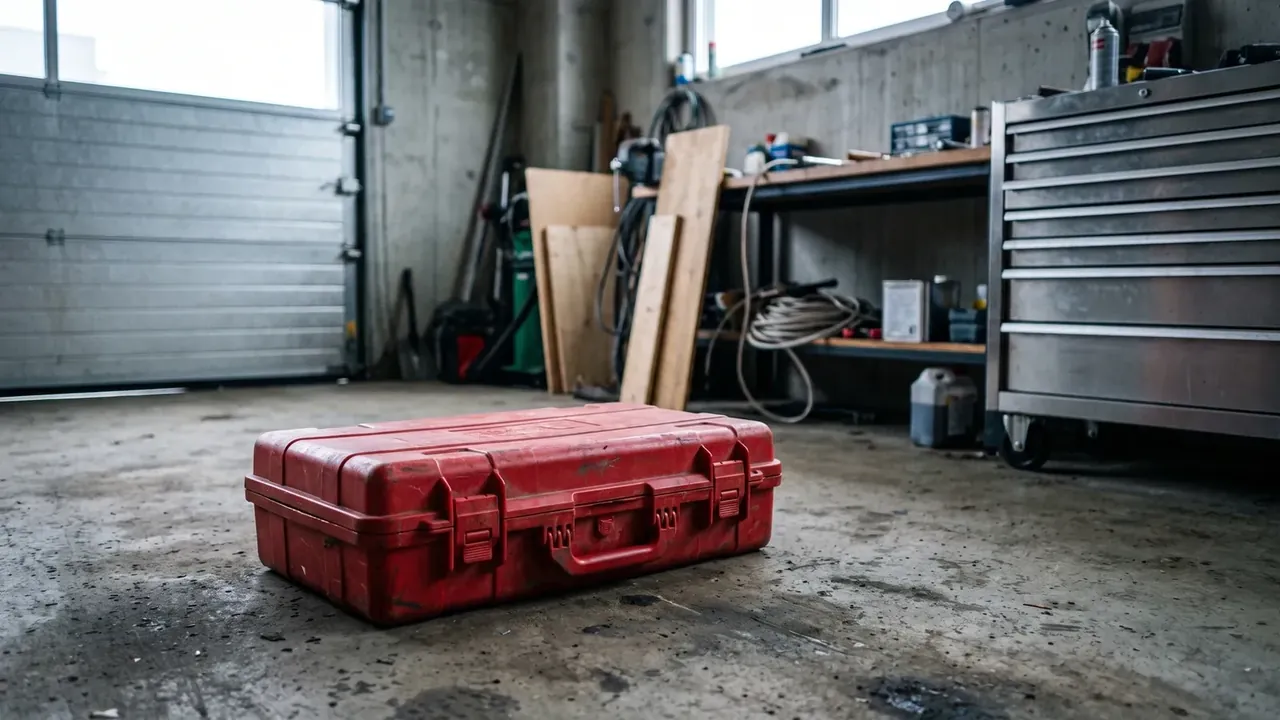
Keep water under 40 °C, detergent at pH 6 to 8, soaking under 10 minutes, and the zipper open. Alkaline detergent attacks the coating; hot water shrinks the base cloth.
Dry the tool bag 24 hours at 45 to 65 percent humidity, mouth open, liner out. No air above 60 °C, which blisters the coating, and no direct sun.
5. The Scrap Line: Five Conditions That Retire a Bag
Write the scrap line as numbers. Fuzz, colour shift and one failed buckle stay in service; any of the five below ends the repair route.
| Zone | Keep in service | Repair | Retire |
|---|---|---|---|
| Fabric | Fuzz, colour shift, light rub | Thinning under 20 percent, patch | Hole over 15 mm or 20 percent loss |
| Stitches | One broken stitch | Three consecutive, resew the run | Three or more resewn load runs |
| Zipper | Stiff, high drag | Replace the slider | Three missing teeth or torn tape |
| Buckle | Surface whitening | Replace one buckle | 5 mm crack or 30 percent retention loss |
| Handle | Fuzzed edges | Add binding | Webbing under 26 mm wide |
The figures map to failure: 15 mm is where a hole starts to run, 20 percent is the coating limit, three teeth is where a zipper misaligns, 26 mm is seven tenths of the original 38 mm webbing.
Conclusion
The hard part is the threshold, not the action: without numbers an inspection decays into a glance. Write the cycle as hour gates, wear as millimetres and percentages, retirement as five hard lines. Then the useful life of a tool bag can be predicted rather than discovered.
This article discusses only the container (case body) side of specifications and design intent, and does not cover any handling, loading or use of the contents.
Related Reading
- Tool bag versus hard case by scenario
- Fabric and abrasion layer comparison
- How to specify a mechanic tool pouch
- Hard shell suitcase care routine
Related Products
- 8 Series — Gun Cases; Military Equipment Cases; Camera Equipment Cases; Drone Cases; Watch Cases; Knife Cases; First Aid Cases; Electronics Equipment Cases
- WL8-2812 PP Gun Case — model WL8-2812
- All protective cases and toolboxes: 7 series, 158 models