

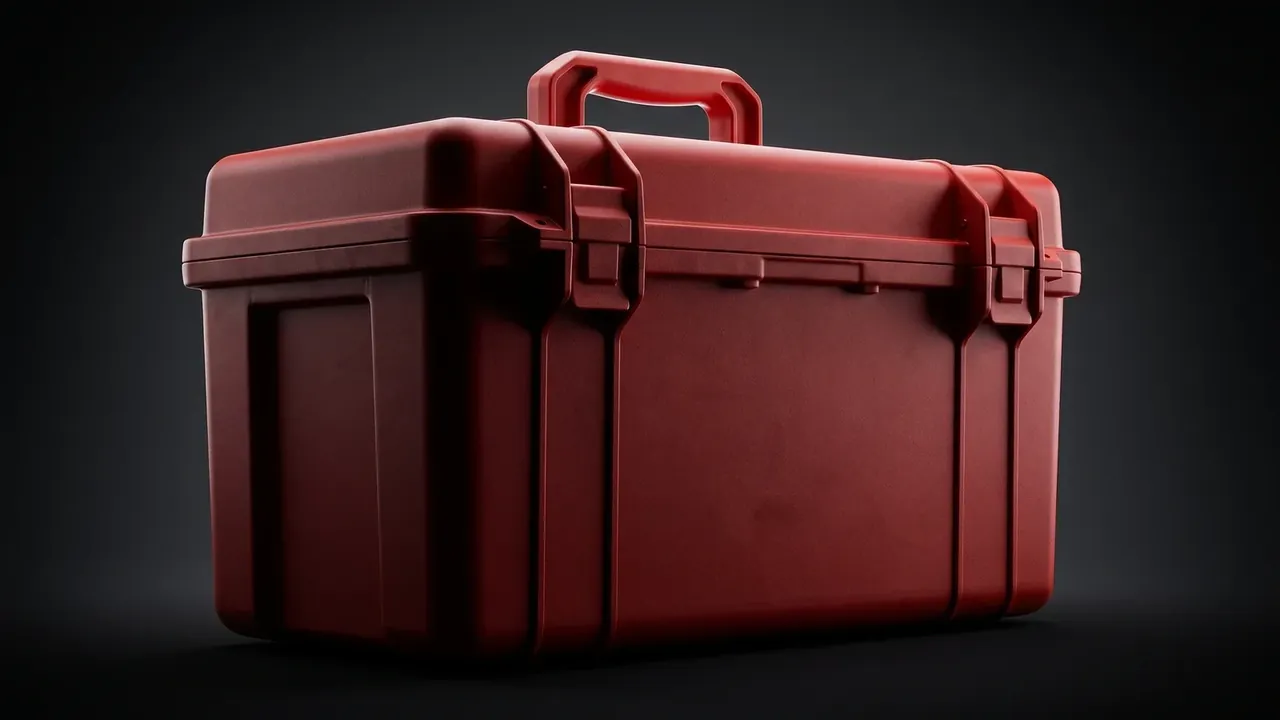
Quick answer: Score a Tool Bag on five criteria in order: load list, fabric weight, handle path, opening, carry mode. The first sets the baseline; the rest are measured against it. Eliminate failures first.
Table of contents
- Five Criteria and Weights
- Load List: Pieces and the Longest Item
- Fabric Weight and Abrasion Layers
- Load Rating and the Handle Path
- Opening, Access and Carry Mode
- FAQ
1. Five Criteria and Weights
Selection debates stall because too many dimensions share one table: looks, price, brand, volume, feel. Compress them into five measurable criteria. The load list is the only precondition; the rest are calibrated against it.
| Criterion | Weight | Measure | Eliminating signal |
|---|---|---|---|
| Load list | 25 | count, longest, weight | cannot pass opening |
| Fabric weight | 20 | g/m², base layer | below label |
| Load rating | 25 | static rating, stitching | single stitch at root |
| Opening | 20 | width, lid angle | narrower than longest |
| Carry mode | 10 | hand, shoulder, trolley | one-handed lift fails |
Eighty points or more is a decision. Between 60 and 80, re-read the eliminating signals; below 60 the brief is wrong.
2. Load List: Pieces and the Longest Item
A Tool Bag load list answers three questions: how many pieces, how long the longest, how heavy the set. All three come from tools on a bench.
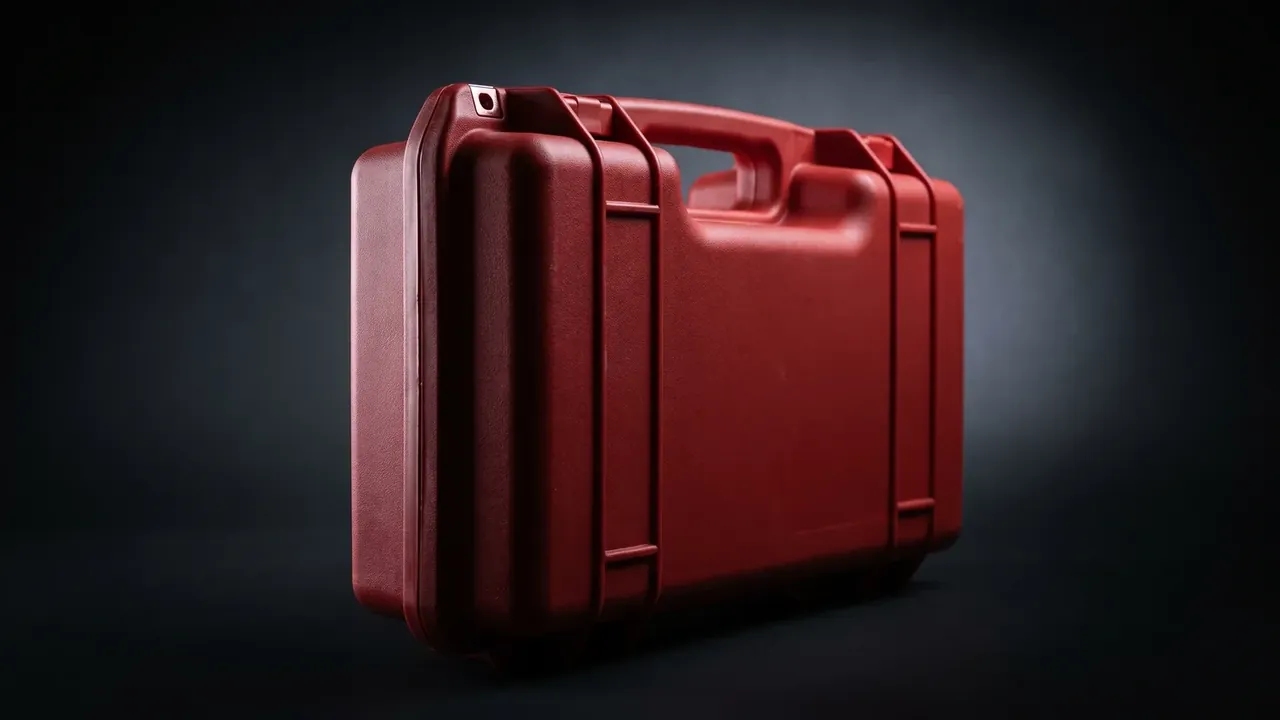
Count in three groups: long pieces above 300 mm, middle pieces such as sockets and pliers, small pieces such as bits. Eighteen to 24 pieces fit 28 to 32 litres, twelve or fewer fit 18 to 22, and past 30 pieces need 40 litres and about 14 kg.
The longest item governs opening and body length. A 45 cm label leaves about 41 cm of flat floor, so a 300 mm wrench enters diagonally but jams when laid flat.
3. Fabric Weight and Abrasion Layers
Fabric weight compares without a sample: heavy woven cloth sits near 600 g/m², high-tenacity weaves at 1000D and 1680D. Thicker is not automatically more abrasion resistant; the base and corner layers of a Tool Bag do that work.
Weigh instead of trusting the label. A cloth marked 600 g/m² that measures 520 is under-woven or damp; a gap beyond 8 percent is a reason to ask elsewhere. A base layer under 0.4 mm shows through after two drags on concrete.
Weight meets capacity at the stitch holes: tightening pitch from 5 mm to 4 mm raises seam strength more than heavier cloth does.
4. Load Rating and the Handle Path
The rating is not overall strength; it is the path force takes into the body. A Tool Bag rated 25 kg bulges at the base and fails at the handle root first.
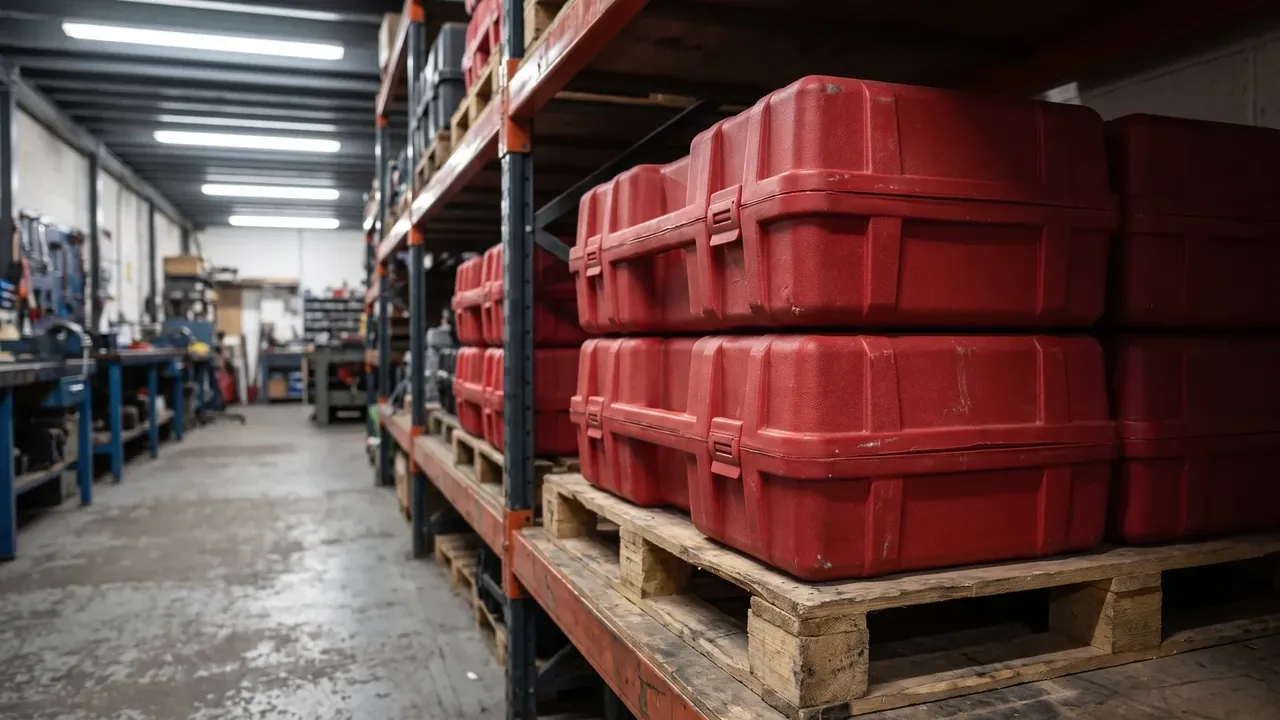
Webbing that passes through the body and is bar-tacked back beats webbing sewn outside. Two rows on 38 mm webbing suits loads near 15 kg; a separate base panel stops the floor sagging.
Thread matters too: polyester survives sun and damp, cotton does not. Clear all three points or plan on 60 percent. Walking bounce pushes peak force to one and a half times static, so 15 kg is comfortable and 20 kg becomes a carry-mode question.
5. Opening, Access and Carry Mode
The opening decides how often the user bends over. A U-shaped mouth folds the top back; a single zip limits width. Opening width must exceed the longest diagonal.
Pockets that reach the base stop small parts piling up, and removable panels let one Tool Bag cover a 20-piece and a 30-piece week. Carry mode comes last.
| Carry mode | Full weight | Features needed | Mismatch shows as |
|---|---|---|---|
| Hand | under 8 kg | one-piece handle, 38 mm webbing | numb fingers after 200 m |
| Shoulder | under 12 kg | detachable strap, padded back | deep crease, body tilt |
| Trolley | under 30 kg | flat base, side mounts | sliding on the deck |
Fix the weight first, choose carry mode, then check handle and mounts. Reversed, you get an excellent handle nobody can lift.
Conclusion
Five criteria move the argument from feel to measurement: the list sets the baseline, fabric weight the wear floor, handle and stitching the ceiling, the opening the access speed. What decides whether a Tool Bag survives three years is its weakest point.
This article discusses only the container (case body) side of specifications and design intent, and does not cover any handling, loading or use of the contents.
Related Reading
- Fabric and abrasion layers compared
- Where a tool bag ends and a tool box begins
- Selection criteria for tool carriers
- How internal dividers are used
Related Products
- 8 Series — Gun Cases; Military Equipment Cases; Camera Equipment Cases; Drone Cases; Watch Cases; Knife Cases; First Aid Cases; Electronics Equipment Cases
- WL8-2812 PP Gun Case — model WL8-2812
- All protective cases and toolboxes: 7 series, 158 models