

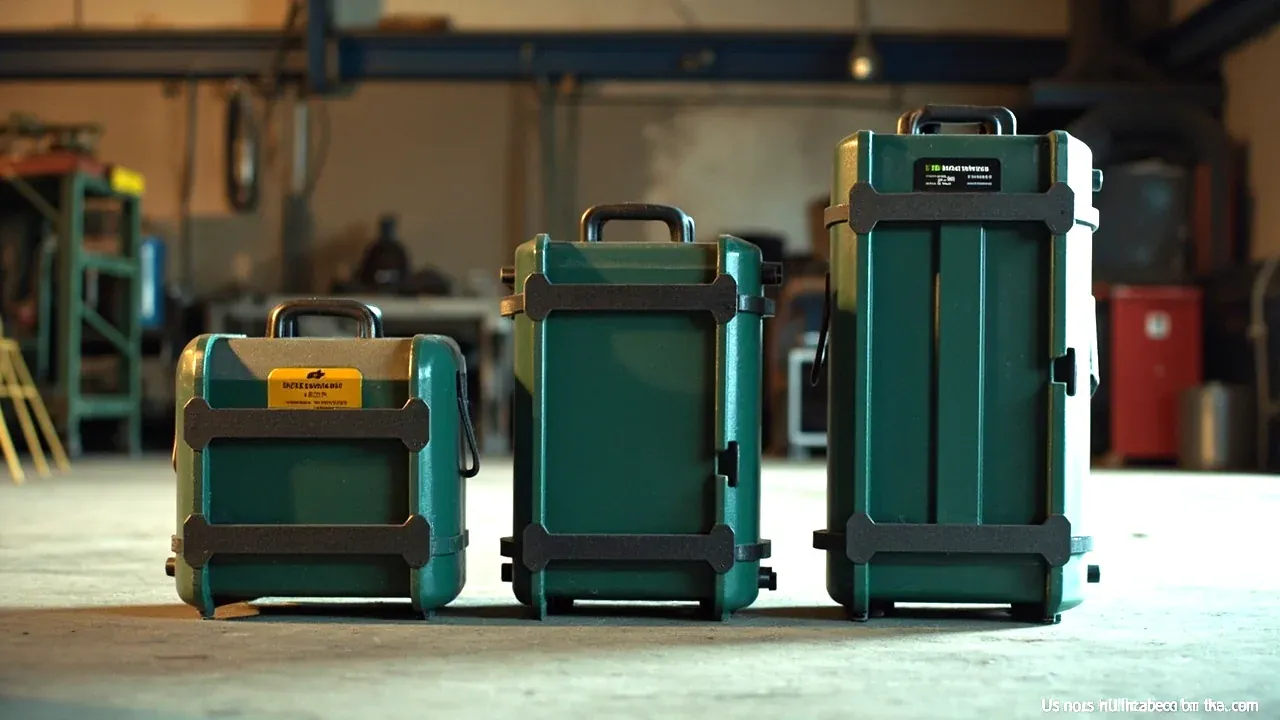
Quick answer: Three inputs settle a tool carrier: how much one shift needs, how far it travels daily, and whether it is signed over. Load sets volume and dividers, distance sets handle versus castors, and handover sets closure and labelling. Once those three are fixed, model, liner and lock follow.
Table of contents
- Choosing a tool carrier: three inputs first
- Load: sized on one shift of real use
- Distance: the only basis for the moving method
- Handover: closure, lock and label
- Combining the three inputs and the usual mismatches
- FAQ
1. Choosing a tool carrier: three inputs first
Datasheets list volume, load and material — all outputs, not inputs. The inputs are three site conditions: how much one shift needs, the total distance travelled daily, and whether the unit is signed over. Fix those and the ranges for volume and load narrow by themselves.
Order matters. Starting from volume usually ends with a unit half empty or already full; starting from price usually saves money on the wrong item — dropping castors for short distances and paying twenty minutes a day on long ones.
| Input | Steps | Decides |
|---|---|---|
| Load per shift | 15 / 25 / 40 kg | volume and divider count |
| Daily distance | under 200 m / 200 to 800 m / above 800 m | handle / small castors / large castors and pusher |
| Handover | none / shift sign-off / item count | lid / lock / label holder and seal |
2. Load: sized on one shift of real use
Size on one shift of real use, not the whole set. Most stations consume forty to sixty percent of their tools in a shift; the rest are spares and specials. Sizing on the total means carrying unused weight around all day.
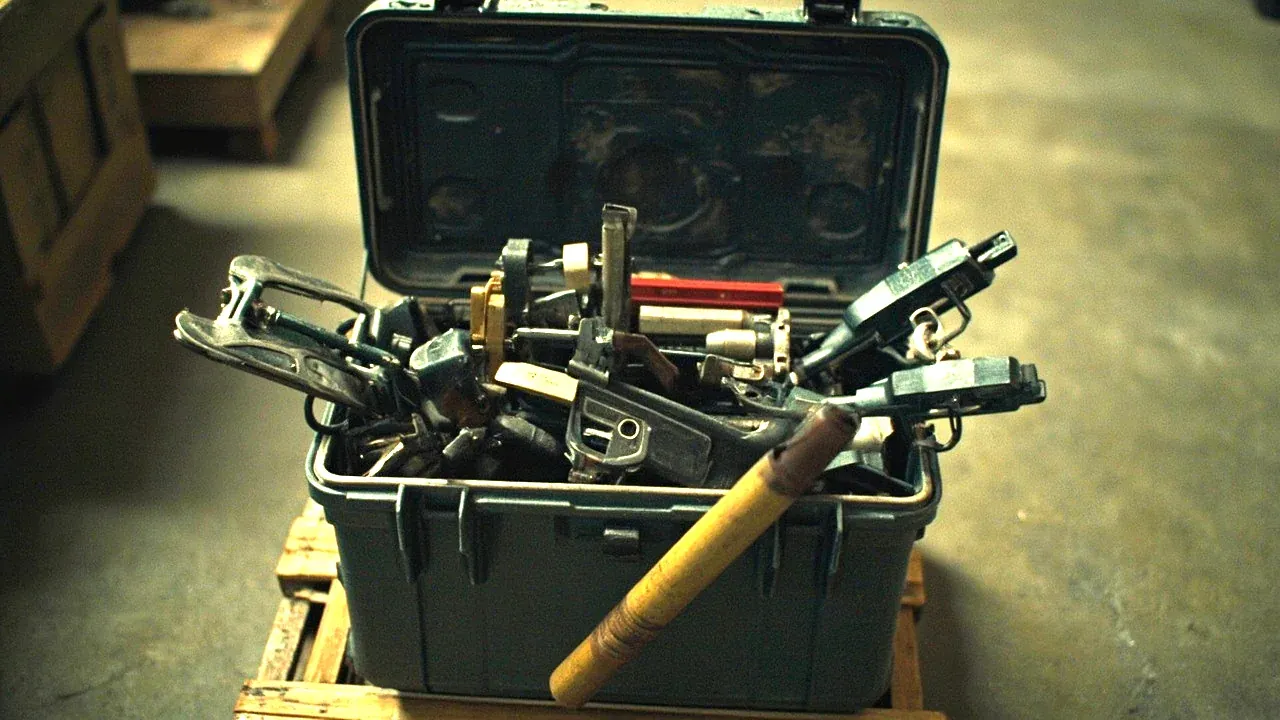
Track what is actually taken for three shifts, take the maximum and add twenty percent. That beats any rule of thumb, and it beats asking users, who over-report.
3. Distance: the only basis for the moving method
A handle to two hundred metres, small castors to eight hundred, large castors and a pusher beyond. The line comes from travel speed: about forty metres a minute carrying, sixty with small castors, eighty with large ones — and the gap widens with distance.
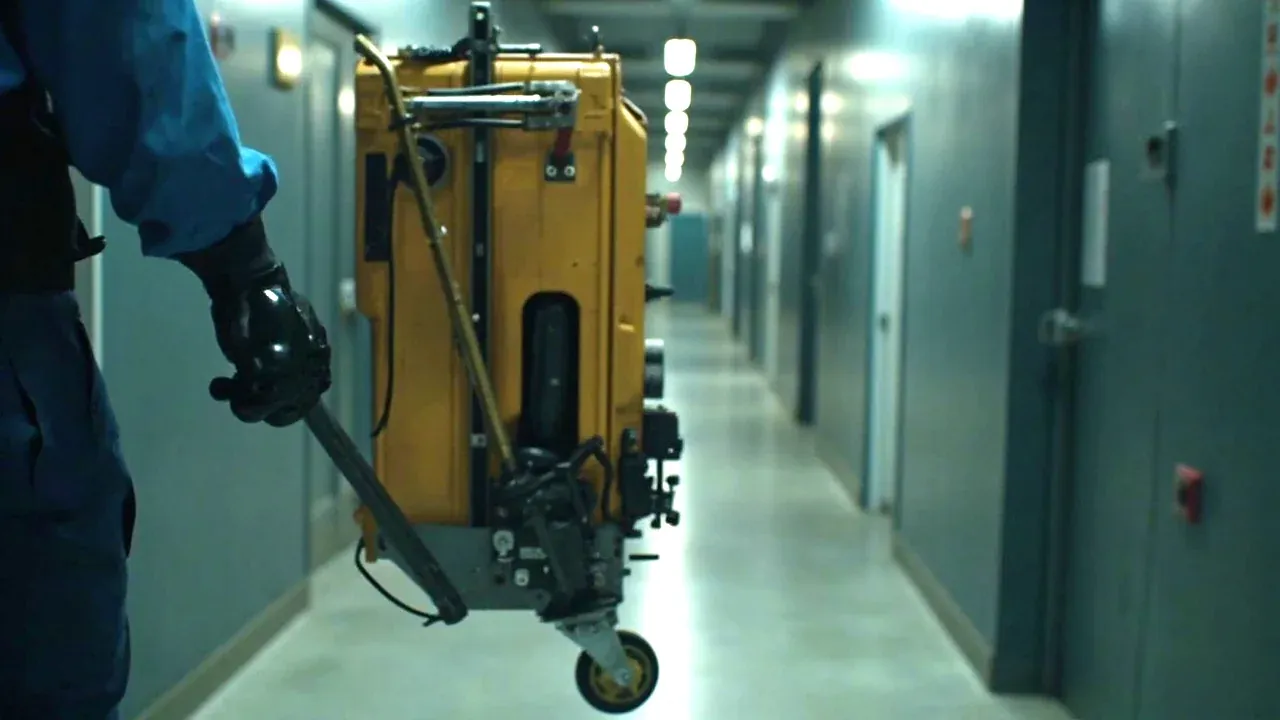
Surface matters as much. Three hundred metres on epoxy suits small castors; gravel and ramps need large ones, or the wheels jam and carrying is faster. Walk the route before choosing.
4. Handover: closure, lock and label
Without handover a lid suffices, for dust and dropped parts. Shift sign-off needs a lockable latch and a label holder for shift and owner. Item-by-item handover needs a seal and a slotted liner so a shortage shows on opening.
The price steps are small; the wrong step is expensive daily. The usual errors are a lid-only unit where sign-off is required, and item counting without slots.
5. Combining the three inputs and the usual mismatches
Four combinations cover most sites: light and short without handover, medium with shift sign-off, heavy and long with item counting, and heavy but short with a two-person lift.

Mismatches cluster on distance versus castors — a handle chosen to save money on a three-hundred-metre route — and on handover versus closure, where a fabric lid carries no record at all.
Conclusion
Three steps: volume from one shift of real use, moving method from daily distance, closure and labelling from the handover rule. There is no fourth variable — material, colour and brand all fall out of the three. Choose the model first and one of them will not fit the site.
This article covers container-side specifications and design implications only, not the handling, loading or use of the contents.
Related Reading
- What a tool carrier is
- Choosing a mobile tool cabinet
- Tool box, bag and chest compared
- Tool box foam lining selection
Related Products
- 8 Series — Gun Cases; Military Equipment Cases; Camera Equipment Cases; Drone Cases; Watch Cases; Knife Cases; First Aid Cases; Electronics Equipment Cases
- WL8-2812 PP Gun Case — model WL8-2812
- All protective cases and toolboxes: 7 series, 158 models