


Quick answer: A tool box cover is serviced on exposure, not age. Open yards get seven days, sheds thirty, closed stores one hundred and eighty. Four readings decide the outcome: thickness lost, skirt length left, cord tension kept and keeper crack length.
Table of contents
- Setting the inspection interval
- Judging surface wear and chalking
- Skirt and drawcord wear thresholds
- Metal fittings and dividers
- Replacement lines and the spares ledger
- FAQ
1. Setting the inspection interval
Two identical tool box covers age at different rates: one opens four times a month indoors, the other sits in an open yard opened six times a day.
| Band | Site | Interval | First checks |
|---|---|---|---|
| A | Open yard, over 6 openings a day | 7 days | Skirt contact, cord tension, water on top |
| B | Open-sided shed, 2 to 5 a day | 30 days | Chalking, keeper cracks, stitches |
| C | Closed store, under 4 a month | 180 days | Shape loss, mould, storage position |
Below minus 10 degrees Celsius the coating stiffens and creases crack; above 45 the cloth turns brittle. In those ranges a tool box cover drops to five days in band A and twenty in band B. A walk-round stays inside twelve minutes either way.
2. Judging surface wear and chalking
Thickness loss is the quiet failure. Six readings with a 0.01 mm gauge, at four top corners and two edge midpoints: 0.4 mm lost puts a tool box cover on watch, 0.8 mm retires it, because past that point it stops resisting wind lift.
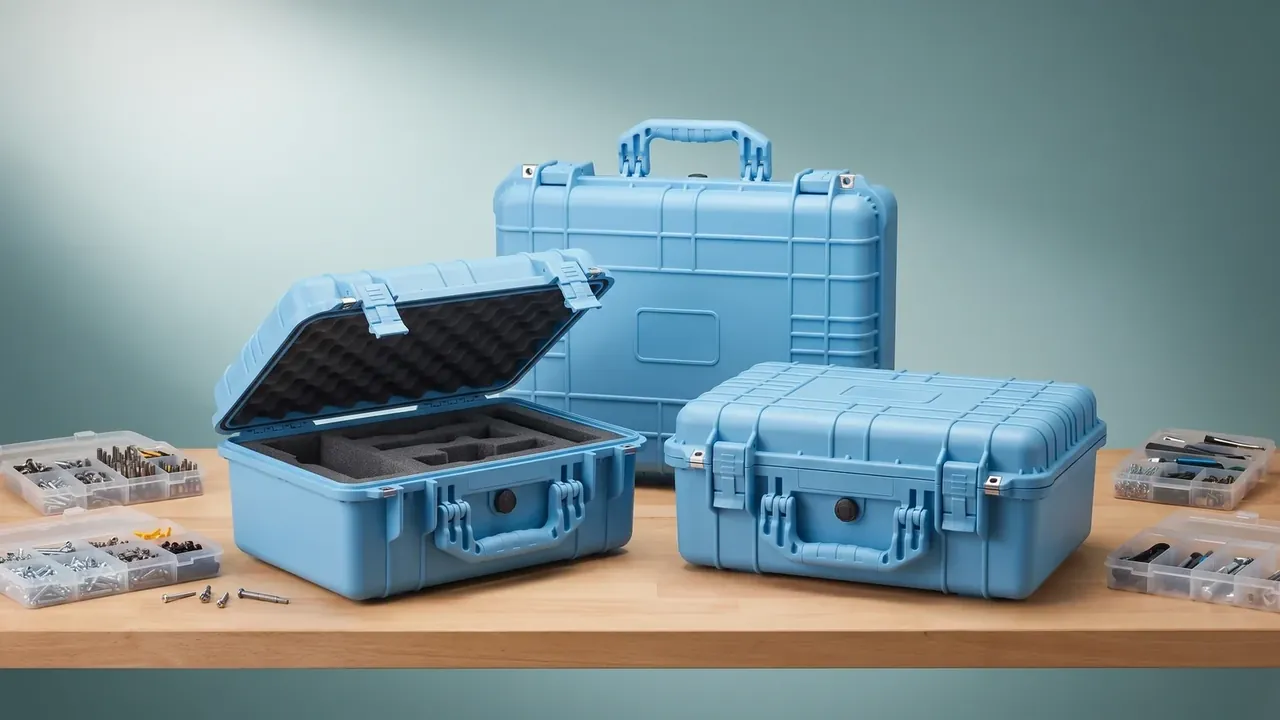
Chalking needs only a cloth: a white smear on a 30 cm square means the skin has gone. Stitching reads the same way, since polyester keeps half its strength after two years outdoors, so three broken stitches per 100 mm mean a new seam.
3. Skirt and drawcord wear thresholds
The skirt blocks dust and rain through length and contact. It ships at 90 mm and shortens monthly: 60 mm goes on watch, under 35 retires it, and fray past 15 mm wicks water up.
| Item | Measure | Good | Watch | Replace |
|---|---|---|---|---|
| Shell thickness | Lowest of six | 0.75 mm up | 0.55 to 0.75 | under 0.55 |
| Skirt length | Rule, top to hem | 60 mm up | 35 to 60 | under 35 |
| Cord tension | Gauge, 100 mm pull | 15 N up | 12 to 15 | under 12 |
| Keeper crack | Visual and dye | none | up to 8 mm | over 8 |
| Broken stitches | Per 100 mm | 0 | 1 or 2 | 3 or more |
Cord tension belongs on a gauge: new cord takes 18 newtons over 100 mm, at 12 the skirt balloons, and three broken strands retire it. Thin plus short means sunlight; a short skirt on a full shell means an over-tensioned cord.
4. Metal fittings and dividers
Salt kills hardware: type 304 shows pin rust at 96 hours in 5 percent spray, type 201 within 24. Two drops of lithium grease each quarter stretch pin life from three years to five.
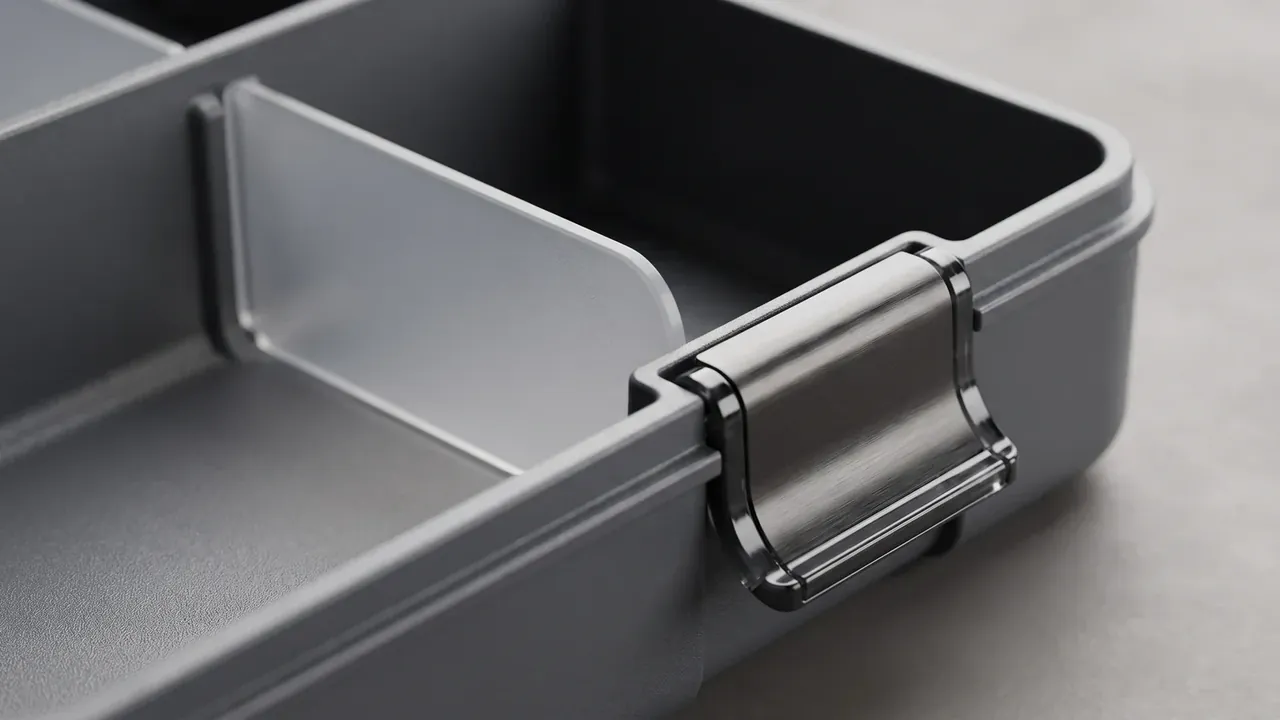
Translucent dividers dislike ketones: pH 6 to 8 cleaner at 30 degrees, brushed one way, dried upright. Acetone fogs a panel and it chips at the slot within six months. Keep 8 MPa jets off seams.
5. Replacement lines and the spares ledger
Three hard lines. Unit: any reading past its limit. Batch: four failures in fifty covers inside twelve months, eight percent, so the batch is reviewed. Cost: sixty minutes of labour or forty percent of a new cover.
| Trigger | Evidence | Action | Deadline |
|---|---|---|---|
| Unit limit | Any of five readings over | Swap out, log the old cover | Same shift |
| Batch fault | Over 8 percent in 12 months | Hold the batch, audit cloth and seams | 3 days |
| Uneconomic repair | 60 minutes or 40 percent of price | Stop repair, scrap | 5 days |
| Overdue check | Two intervals missed | Inspect and escalate | Now |
Ledger one code per box, QR inside the skirt, logging dates, readings and parts swapped; failures then trace to a cloth batch or a crew hauling the cord too tight. Spares run at five percent of the base.
Conclusion
Maintenance turns a vague sense of wear into numbers a fitter can defend: interval follows exposure, thresholds follow thickness, length, tension and cracks. That is where a tool box cover earns its price.
This article discusses only the container (case body) side of specifications and design intent, and does not cover any handling, loading or use of the contents.
Related Reading
- Where a tool box cover sits
- Comparing tool box cover materials
- Preventing storage damage to case bodies
- Mould care intervals and criteria
Related Products
- 8 Series — Gun Cases; Military Equipment Cases; Camera Equipment Cases; Drone Cases; Watch Cases; Knife Cases; First Aid Cases; Electronics Equipment Cases
- WL8-2812 PP Gun Case — model WL8-2812
- All protective cases and toolboxes: 7 series, 158 models