

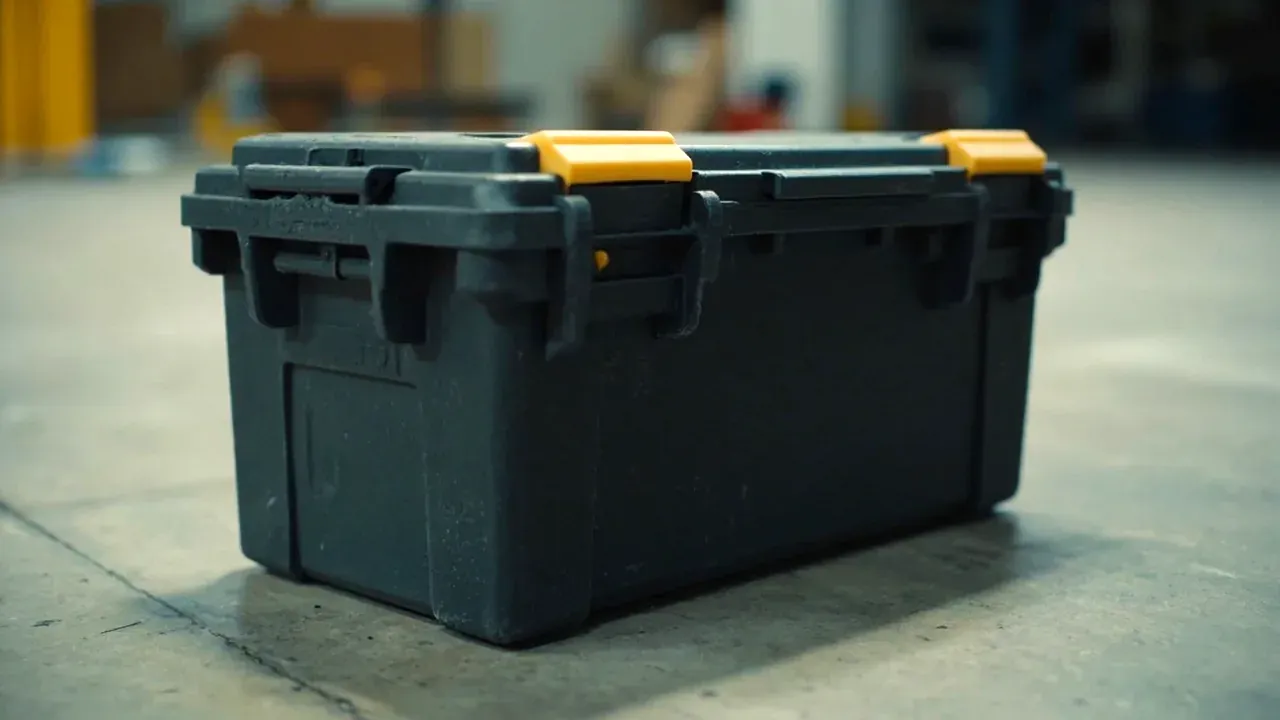
Quick answer: Tool box cover materials split into two routes. A soft cover lies on the walls and relies on skirt and cord; a rigid cap stands on the rim and carries snow or a stacked case with its own stiffness. PVC cloth is cheapest and lasts two or three years outdoors, but plasticiser migrates and the coating hardens. Oxford breathes and resists tearing, yet its coating hydrolyses and the yarn degrades in sun. Two classes need two sets of measures.
Table of contents
- Two structural classes behind three materials
- PVC cloth: cheap, with a plasticiser problem
- Oxford fabric: breathability against tear
- Rigid caps: four duties that rule soft covers out
- Five measures, and the order to choose
- FAQ
1. Two structural classes behind three materials
The three materials do not share one slot. PVC cloth and Oxford become soft covers that pass load into the wall, while a rigid cap spans the rim and carries snow into four corners. A tool box cover is judged on weight and coating, or on plate and span.
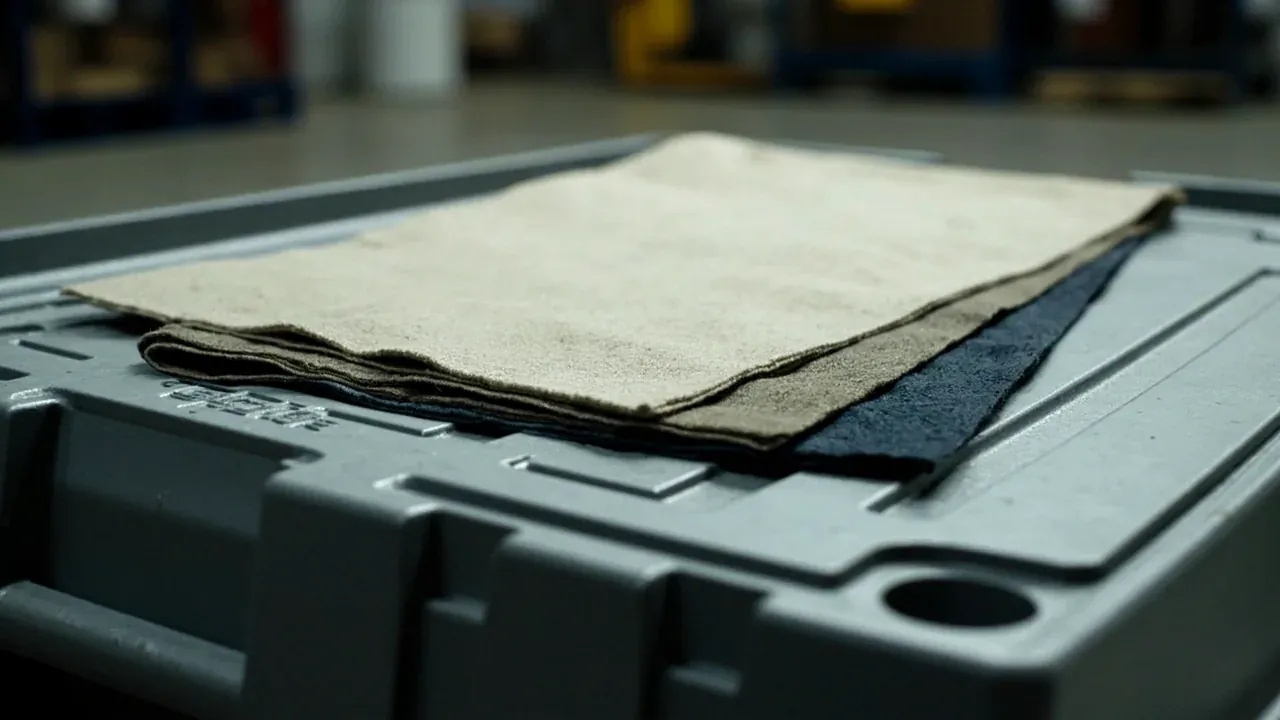
Contact differs too. A soft tool box cover meets the box in friction, skirt over rim, wind taken by cord and straps. A rigid cap meets it at four feet with drainage beneath. One box can wear both.
2. PVC cloth: cheap, with a plasticiser problem
A PVC tool box cover starts with a polyester base of five to six hundred and fifty grams per square metre, coated both faces. It is supple and waterproof at the lowest cost, and lasts two to three years before plasticiser migration hardens the skin.
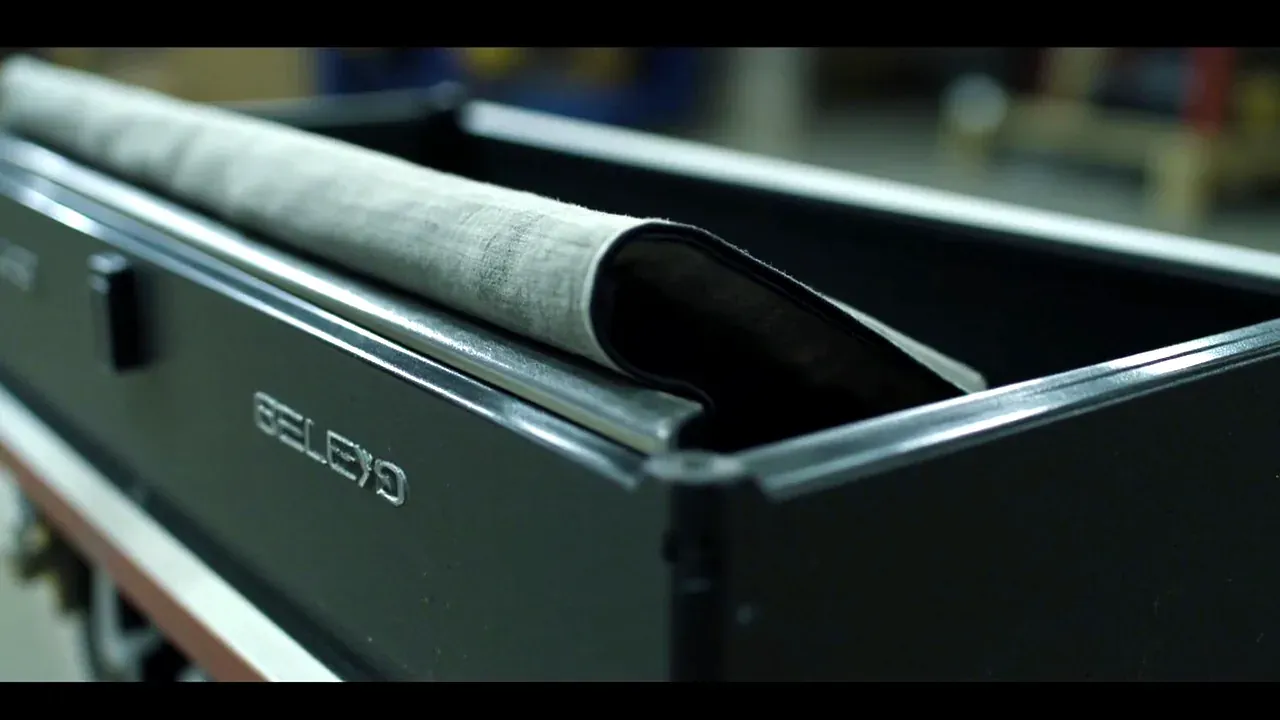
Vapour transfer stays near three to five hundred grams per square metre per day, so condensation beads inside wherever the day-night swing is wide. That suits sheltered yards, stores and short-term duty. Check coating weight and low-temperature flex before buying.
3. Oxford fabric: breathability against tear
An Oxford tool box cover uses two hundred and ten to six hundred denier yarn, back-coated for water repellency. Transfer reaches fifteen hundred to three thousand, and tear strength follows thread count. The coating hydrolyses in warm damp air, and the yarn depends on UV absorbers.
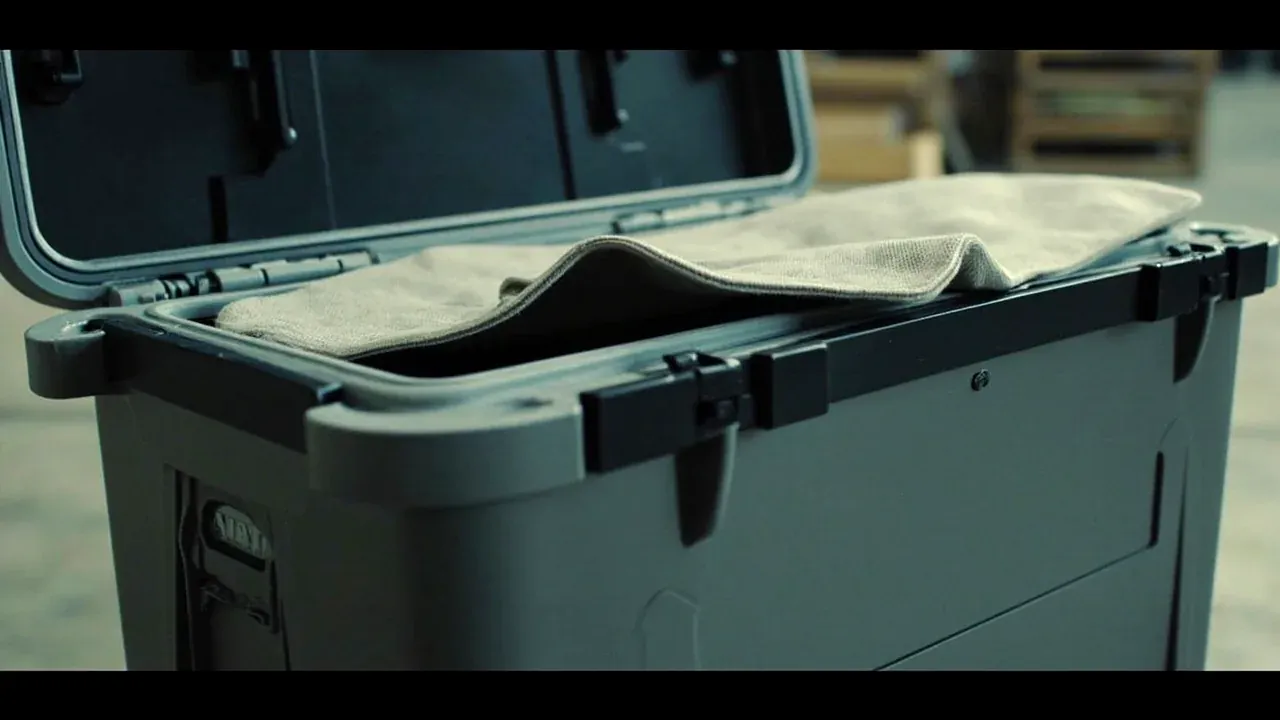
Stitching decides the outcome. Needle holes leak, tight pitch pierces the coating, and a single-stitched top seam wicks water along the thread, so tape the inner seam. This tool box cover suits wide swings and mobile use, replaced every three to five years.
4. Rigid caps: four duties that rule soft covers out
Four duties rule soft covers out. Snow or a stacked case needs section, which fabric lacks. Sustained wind above twenty metres per second wears seams through in a season. Locking needs a hard point, and welding spatter burns a hole that can drip.
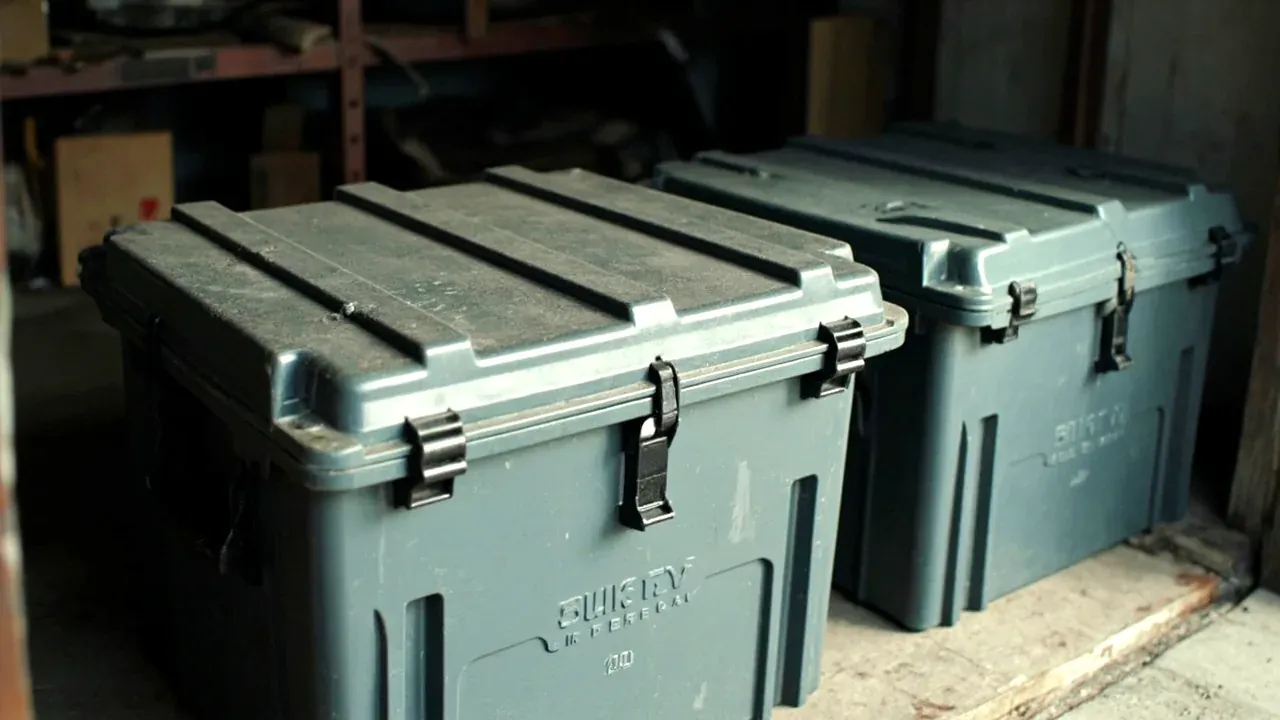
A rigid tool box cover is two to four millimetre polyethylene or polypropylene, flanged onto the rim and stiffened past eight hundred millimetres of span. Hinges or catches tie it down, because dead weight alone lets a gale lift it, and it never folds.
5. Five measures, and the order to choose
Set the options against weathering, vapour transfer, tear, cost and stowed size. A rigid cap leads on weather and tear, transfers no vapour and costs most. PVC sits low to middling, while Oxford breathes best.
Choose in four steps. Load or locking on top means a rigid cap. Condensation means Oxford. Then weigh years against replacement cost, and finally stowage, which removes rigid caps from vehicles. Layering a thin soft tool box cover under a rigid cap is common practice.
| Option | Outdoor life | Vapour | Tear | Cost | Stowed |
|---|---|---|---|---|---|
| PVC cloth | 2 to 3 years, hardens | low, 300 to 500 | medium | lowest | rolls, 150 mm |
| Coated Oxford | 3 to 5 years | high, 1500 to 3000 | high | middle | smallest |
| Rigid cap | 5 to 8 years | none | rigid bending | highest, tooling | flat panel |
Conclusion
Pick a tool box cover material by class first, vapour second, price last. Load, locking or spatter on top means a rigid cap and no further debate. Condensation and folding favour Oxford. Only routine dust and rain under shelter make PVC relevant. Once replacement cycles enter the total cost, the ranking often inverts against the price list, and the cheapest option rarely stays cheapest.
This article covers container-side specifications and design implications only, not the handling, loading or use of the contents.
Related Reading
- How a cover blocks dust, sun and rain
- Diagnosing lid distortion and latch failure
- Material choice for a plastic tool box
- Plastic tool boxes against metal ones
Related Products
- 8 Series — Gun Cases; Military Equipment Cases; Camera Equipment Cases; Drone Cases; Watch Cases; Knife Cases; First Aid Cases; Electronics Equipment Cases
- WL8-2812 PP Gun Case — model WL8-2812
- All protective cases and toolboxes: 7 series, 158 models