

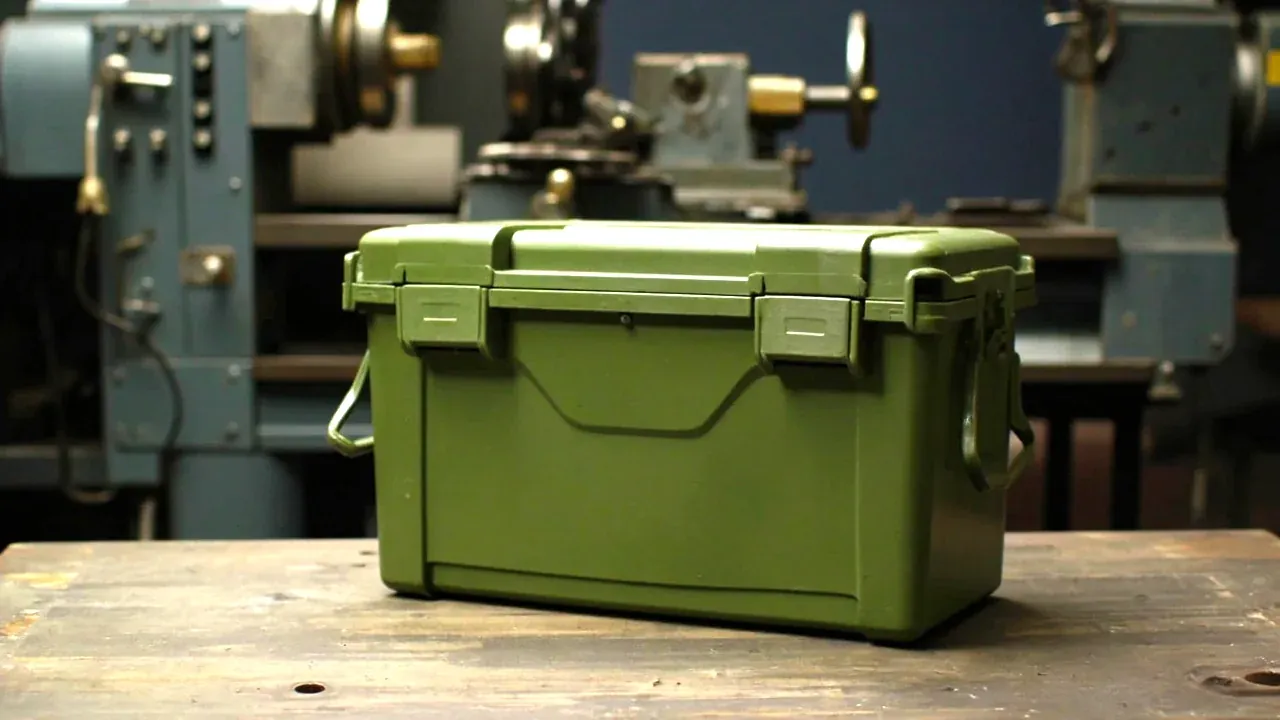
Quick answer: The same tool chest needs different configuration in a workshop, a repair bay and a field depot. Workshops size the unit by workstation density, bays set length and grouping by the tool line, and field depots choose rigidity by how the unit is moved. One configuration for all three ends with a cramped workshop, a long walk in the bay, and a chest that comes apart on its first move.
Table of contents
- How a tool chest is configured across three sites
- Workshop: sizing the unit by workstation density
- Repair bay: length and grouping set by the tool line
- Field depot: rigidity follows the way it is moved
- Three acceptance checks shared by all three sites
- FAQ
1. How a tool chest is configured across three sites
The chest does a different job in each place. In a workshop it extends the workstation — frequent access, few pieces, so fast opening and fine layers. In a repair bay it is one segment of a tool line, arranged by system with a fixed route, so it must join and re-layer. In a field depot it is a movable store that must survive vibration and stand on uneven ground.
Three parameters carry the difference: height, drawer count and fixing method. Workshops take mid height so everything is reachable standing; bays take long units to cut walking; field depots take low, thick-walled units with a low centre of gravity.
| Site | Height | Drawers | Fixing |
|---|---|---|---|
| Workshop | mid, reachable standing | 6 to 8, fine layers | optional |
| Repair bay | mid, joinable | 4 to 6, adjustable | wall-fixed in a line |
| Field depot | low, low centre | 3 or fewer | feet plus straps |
2. Workshop: sizing the unit by workstation density
Floor space is the constraint. A six-drawer unit covers about two workstations, so the denser the line, the less it can be one chest per person. Two or three workstations sharing a unit between them, with the walk kept under five steps, is the usual answer.
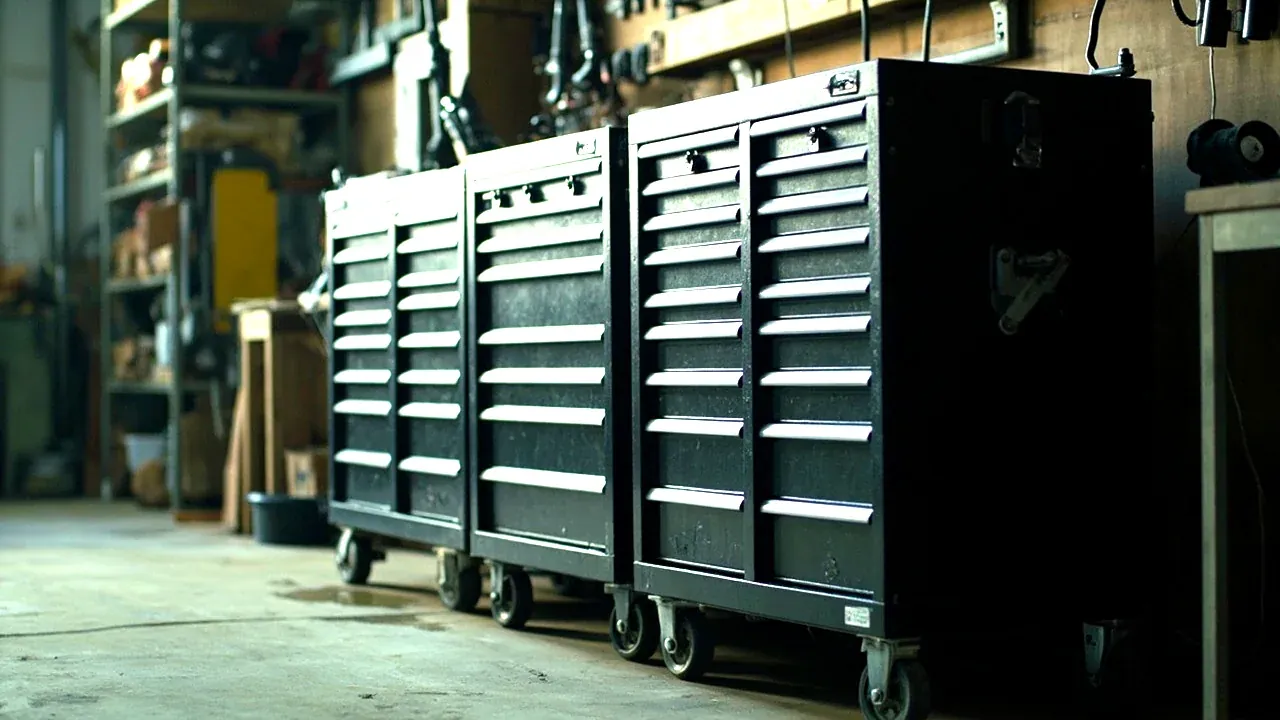
Density also sets the layer count. A shared chest serves several trades, so layers must be coarse or every drawer becomes a mixed bin; a personal chest can be fine-layered by item. Judge by openings per day: past fifty, fewer layers win because each extra drawer costs time.
3. Repair bay: length and grouping set by the tool line
A bay organises tools by system — sockets, wrenches, instruments, specials — and the chests follow that line, so length and grouping matter more than drawer count. A three-metre line built from two 1.5-metre units beats three one-metre units on walking.
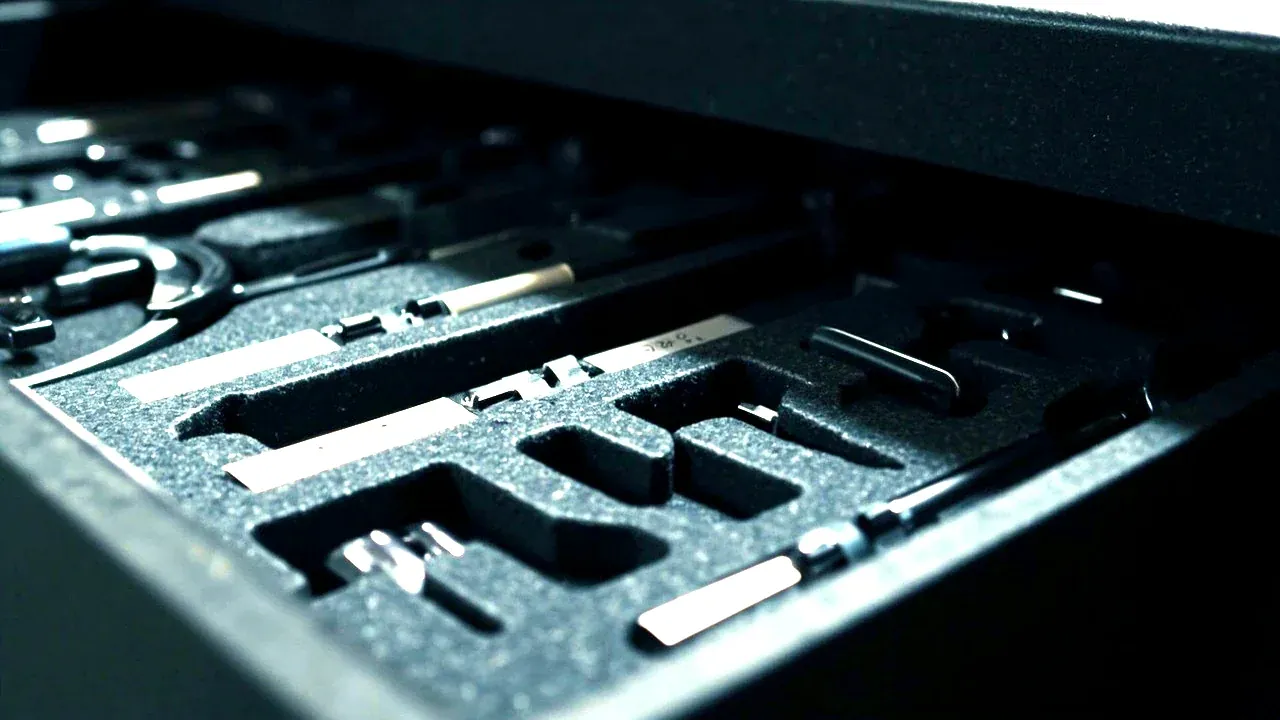
Grouping should follow weight: instruments light, sockets heavy. Put the heavy segment nearest the workstation so the most-taken items travel least, and leave 100 to 150 millimetres between units so drawers do not collide.
4. Field depot: rigidity follows the way it is moved
A field chest may move twice a year, and those two moves set its structure. Loading means forklift contact, straps and stacking; a thin-walled unit distorts at the door frame and jams its drawers on the first trip. Choose thick walls, feet and a reinforced frame rather than moving a workshop unit outdoors.
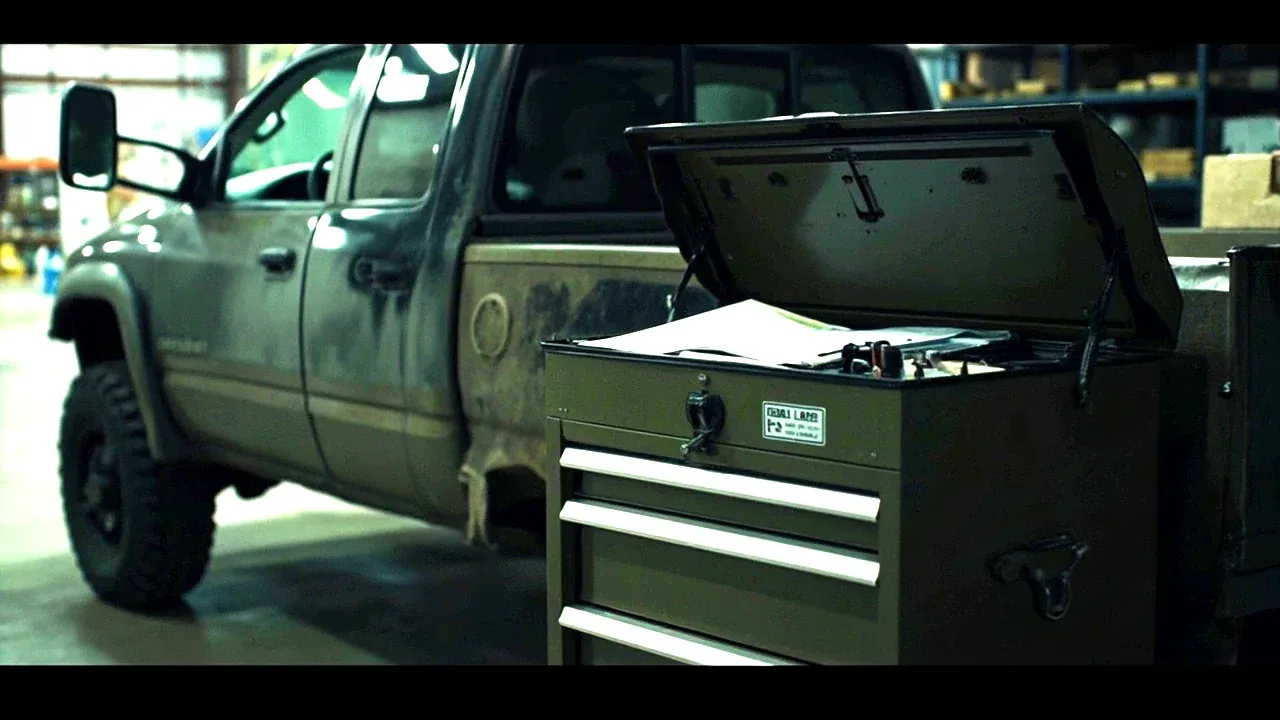
Ground is the other variable. Gravel and mud need adjustable feet, or the body twists and the drawers bind. Strap points belong on the frame, not the panels, which dent under load. Neither is on a brochure; ask about structure.
5. Three acceptance checks shared by all three sites
First, no tipping with the heaviest drawer full and open — an empty chest never tips. Second, full travel without binding: pull every drawer right out and push it back, and any notch points to slides or a twisted body. Third, one key system across the site, or handovers produce keys that open nothing.
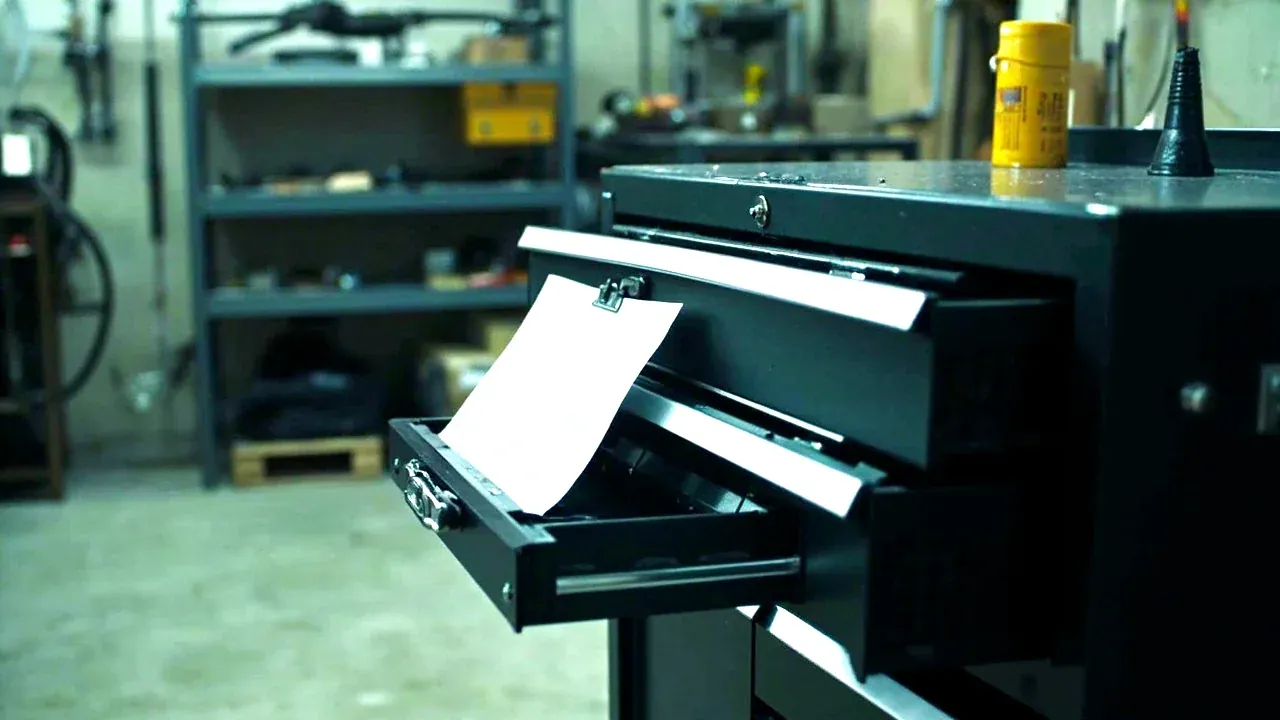
All three are done on site by hand, in about ten minutes; almost every chest fault shows up that way.
Conclusion
Configuration splits by site in three lines: workshops read workstation density, bays read the tool line, field depots read how the unit travels. Sharing one configuration across all three saves money at purchase and pays it back in access time, transport damage and repeat buying.
This article covers container-side specifications and design implications only, not the handling, loading or use of the contents.
Related Reading
- Tool chest specifications
- What a tool box is
- Tool box, bag and chest compared
- Choosing a mobile tool cabinet
Related Products
- 8 Series — Gun Cases; Military Equipment Cases; Camera Equipment Cases; Drone Cases; Watch Cases; Knife Cases; First Aid Cases; Electronics Equipment Cases
- WL8-2812 PP Gun Case — model WL8-2812
- All protective cases and toolboxes: 7 series, 158 models