

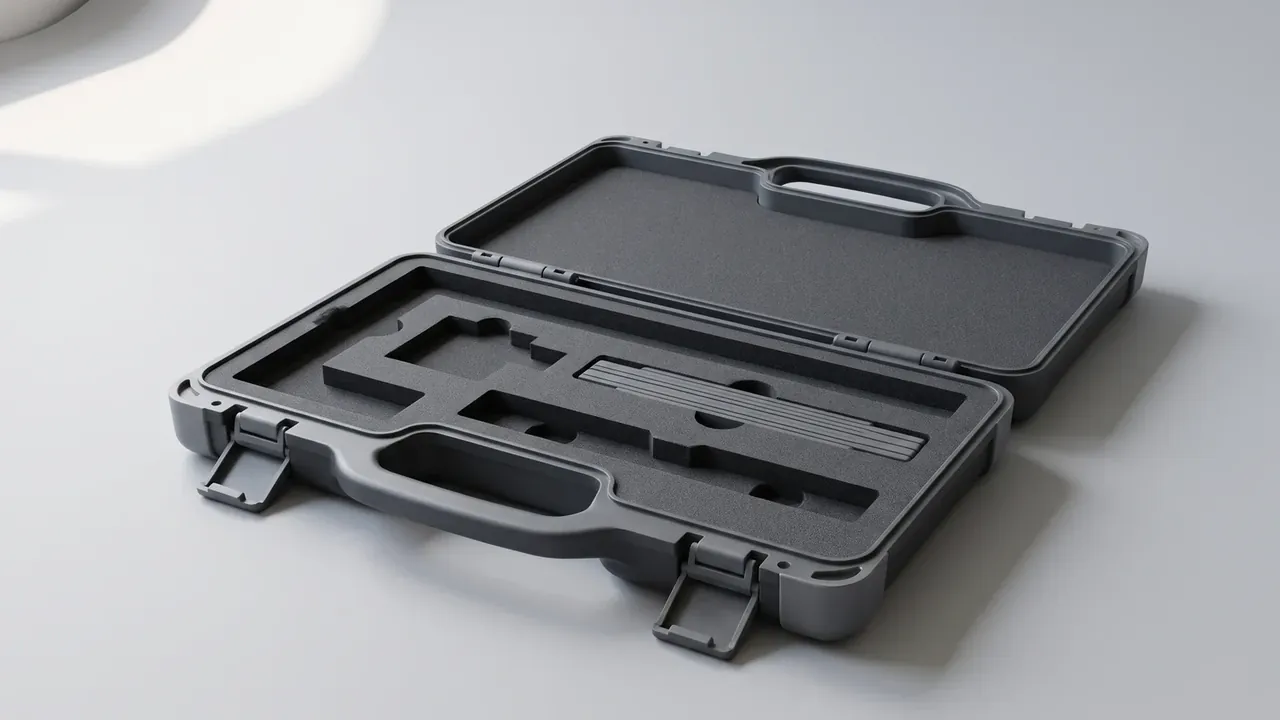
Quick answer: Service a tool chest on four intervals: wipe slides and rims each shift, check locks monthly, relubricate quarterly, test seals yearly. PTFE dry film or lithium grease on slides, silicone on seals, dry lubricant in locks. Play over 0.8 mm or seal set over thirty percent means replace.
Table of contents
- Four Maintenance Intervals for a Tool Chest
- Cleaning Order: Edges, Seals and Slides
- Choosing Lubricants: Slides, Locks and Seals
- Corrosion Control: Humidity, Coating and Touch-Up
- Wear Limits and Spare Parts
- FAQ
1. Four Maintenance Intervals for a Tool Chest
Intervals belong to opening cycles, not to a calendar habit. A bench opened 20 times a day and a line opened 60 times wear the same part three times faster, so one monthly sheet over-serves the first and starves the second.
Operators own shift and monthly work; the maintenance team owns the quarterly and yearly checks.
| Tier | Interval | Main items | Criterion |
|---|---|---|---|
| Shift | Every 8 hours | Wipe slides and rims, clear chips | Clean snap, no binding |
| Monthly | 30 days | Locks, hinges, latch tension, fasteners | Screw torque 2.5 Nm |
| Quarterly | 90 days | Relubrication, silicone on seals | 0.3 g per slide |
| Yearly | 12 months | Seal set, coating, slide play | Play under 0.8 mm |
2. Cleaning Order: Edges, Seals and Slides
Wrong order turns cleaning into wear. Sequence: dry cloth, soft brush into grooves, neutral cleaner, thirty minutes of drying, then fresh lubricant.
Keep solvents out: ketones and esters swell nylon retainers and soften NBR seals. Never blow chips out with compressed air; use a vacuum with a soft nozzle.
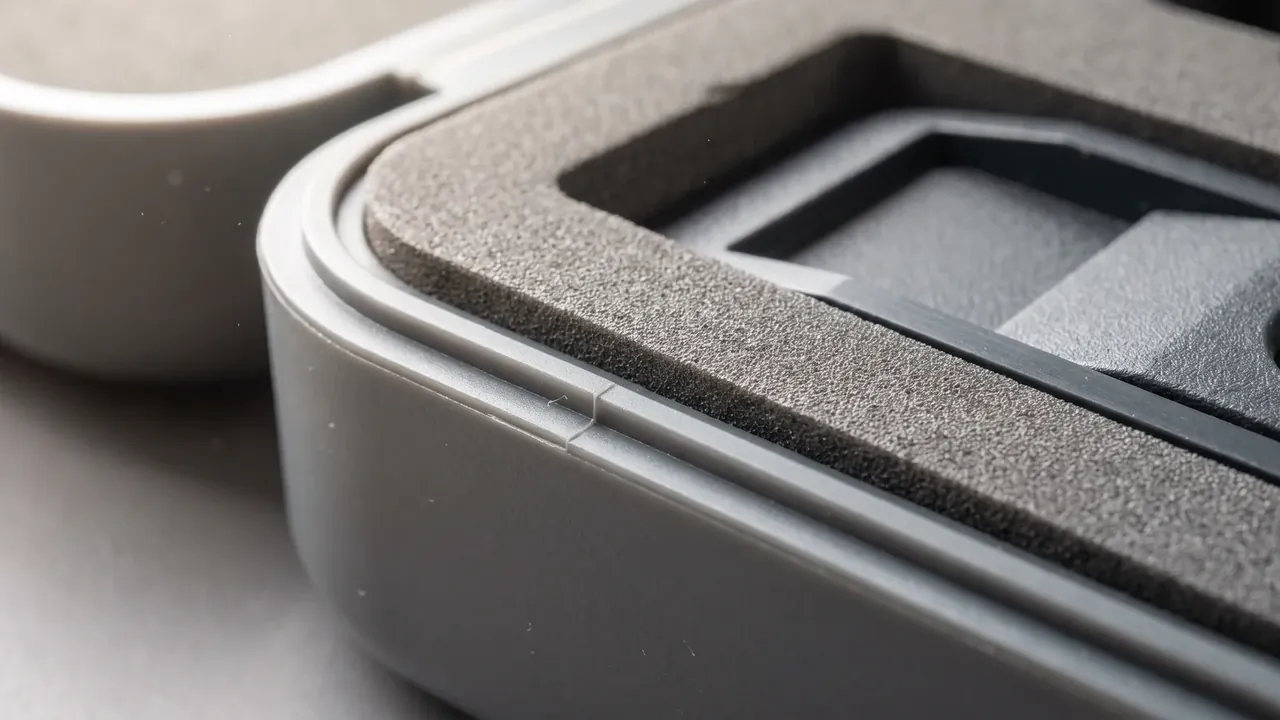
Debris of 0.5 mm in the seal groove lifts the gasket, dropping compression from thirty percent to under twenty. Clear it with bamboo or plastic; metal gouges the groove floor.
3. Choosing Lubricants: Slides, Locks and Seals
The wrong lubricant does more damage than none: no mineral oil near plastics, no solvent carriers near rubber, no thick grease in a lock. Mineral oil swells nylon slowly, and 0.1 mm is enough to eat the clearance.
| Lubricant | Where | Reapply | Avoid in |
|---|---|---|---|
| Silicone grease | Seals, O rings, plastic slides | 6 months | Dusty areas |
| Lithium grease | Steel ball-bearing slides | 12 months | Some plastic retainers |
| PTFE dry film | Nylon slides, lock bolts | 3 months | Heavy impact points |
| Graphite powder | Lock cylinders | 12 months | Wet rooms |
Keep the dose small: 0.3 g per slide, a thin sheen. Excess grease collects dust, and dust becomes lapping paste.
Locks take graphite or dry PTFE, never grease, which wraps the pins and pushes key force from 8 N to over 15 N.
4. Corrosion Control: Humidity, Coating and Touch-Up
Corrosion is a window: condensation starts above sixty percent humidity whenever surface temperature sits 3 C below dew point, a daily event in any shop with a 6 C swing.
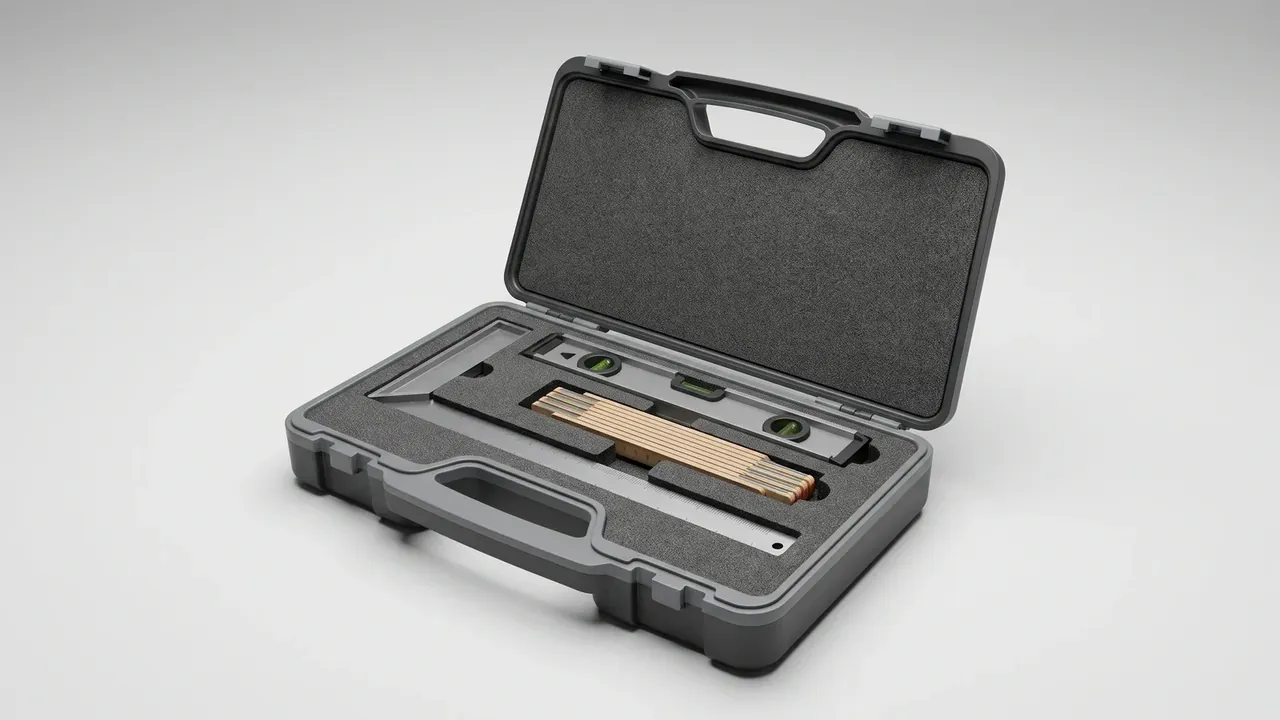
Touch-up is a race: sand to St2 within 24 hours, then 25 microns of epoxy primer and 60 microns of topcoat. Past 72 hours only blasting helps. Check welds and hole edges under 5x magnification yearly.
Interior drying: 500 g of desiccant per cubic meter, regenerated at 120 C for 4 hours every three months.
5. Wear Limits and Spare Parts
Write the limit down, or the part fails first. A seized slide stalls the bench half an hour.
| Part | Replace when | Spares | Labour |
|---|---|---|---|
| Slide set | Play over 0.8 mm, or pull force over 45 N | 5% | 25 min |
| Lock and bolt | Bolt travel under 4 mm, or key force over 15 N | 3% | 15 min |
| Seal | Compression set over 30%, or up 10 Shore A | 8% | 20 min |
| Hinge pin | Wear over 0.3 mm, or lid drop over 2 mm | 5% | 30 min |
Spares scale with units in service, not purchase batches: for 100 tool chest units, five slide sets and eight seals cover a year.
Conclusion
Maintenance is hard over limits and intervals, not motions. Tie the tiers to cycles, match lubricants to materials, and make every replacement line measurable. A tool chest then fails on a schedule instead of without warning.
This article discusses only the container (case body) side of specifications and design intent, and does not cover any handling, loading or use of the contents.
Related Reading
- Tool chest configurations for workshop and vehicle use
- Tool chest dimensions and wall thickness
- Rust control and daily care for metal chests
- Metal tool chest versus alternatives
Related Products
- 8 Series — Gun Cases; Military Equipment Cases; Camera Equipment Cases; Drone Cases; Watch Cases; Knife Cases; First Aid Cases; Electronics Equipment Cases
- WL8-2812 PP Gun Case — model WL8-2812
- All protective cases and toolboxes: 7 series, 158 models