

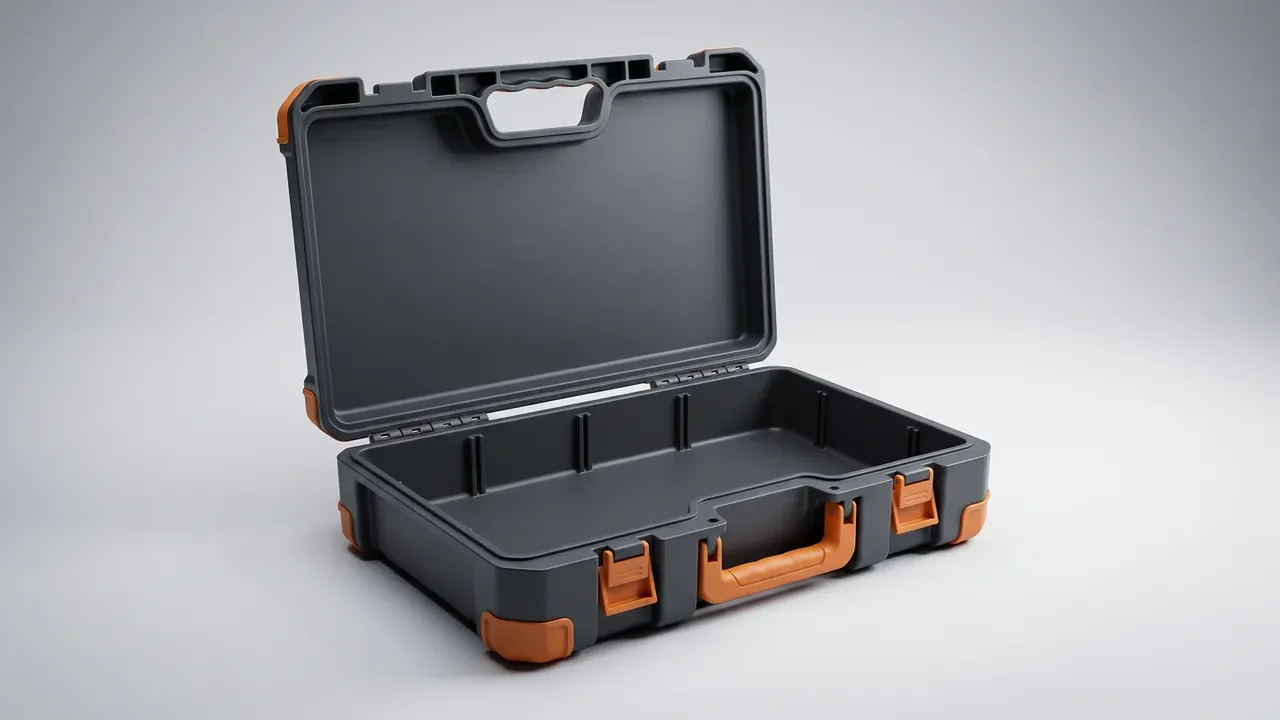
Quick answer: Selection runs through six gates: three numbers, form, interior, locks, acceptance, cost. The first three decide whether a tool chest works at all, the last three whether it works comfortably.
Table of contents
- How to Choose a Tool Chest: Three Numbers Before Any Model
- Gate Two: Form Factor and How It Opens
- Gate Three: How the Interior Gets Divided
- Gate Four: Locks, Handles and Lid Hold-Open
- Gates Five and Six on One Table
- FAQ
1. How to Choose a Tool Chest: Three Numbers Before Any Model
Three numbers come before any model: the heaviest tool, the longest tool, and how often the lid opens in a day. Above 12 kg for one item, carrying by handle stops being realistic.
The second number sets internal length at the longest tool plus 10 mm each end. The third sets frequency: under 30 openings a day a lid is quickest, between 30 and 60 a pull-out tray wins, past 60 the tools belong on a wall.
| Number | Threshold | If exceeded |
|---|---|---|
| Heaviest item | 12 kg | castors or two units |
| Longest item | 20 mm under internal length | next size up |
| Daily openings | 30 | tray type or wall rack |
On an 850 mm bench, a tool chest taller than 300 mm hides its own bottom rows once the lid is up.
2. Gate Two: Form Factor and How It Opens
Form follows three clearances: lid, pull-out and stacking. Lid clearance is body height plus lid thickness plus 150 mm for the hands; miss it and the unit stays half open.
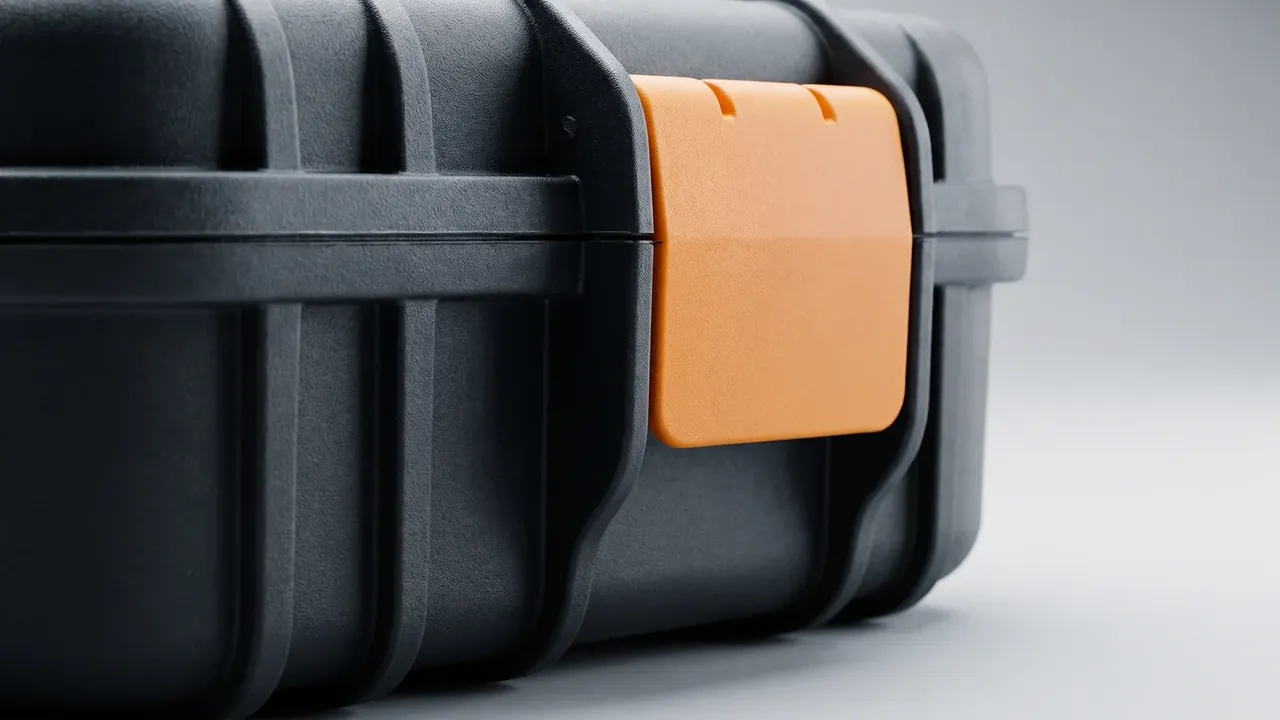
Opening type follows the stance: both hands full, a lid with a stay at 100 degrees; tools going to the machine, a tray that lifts out whole; a 600 mm aisle, a side opening.
3. Gate Three: How the Interior Gets Divided
Three liners cover most needs: die-cut foam, square pockets, lift-out trays. The test is whether the tool list is fixed: fixed means die-cut, three changes a year means squares, a set that travels means a tray.
| Liner | Fits when | Changeover cost |
|---|---|---|
| Die-cut foam | list fixed, errors costly | one recut |
| Square pockets | list moves, count varies | none |
| Lift-out tray | set travels to the machine | new tray |
Thickness: 20 mm sheet below, 25 mm cut layer above, 45 mm together, absorbing steps to 30 mm. Pockets run at the tool count plus a tenth.
4. Gate Four: Locks, Handles and Lid Hold-Open
Locks follow purpose. Tamper evidence needs one padlock hole; theft resistance needs two points and an 8 mm shackle. A single point twists open in transit, visibly on a body longer than 500 mm, where the lid centre lifts off the seal.
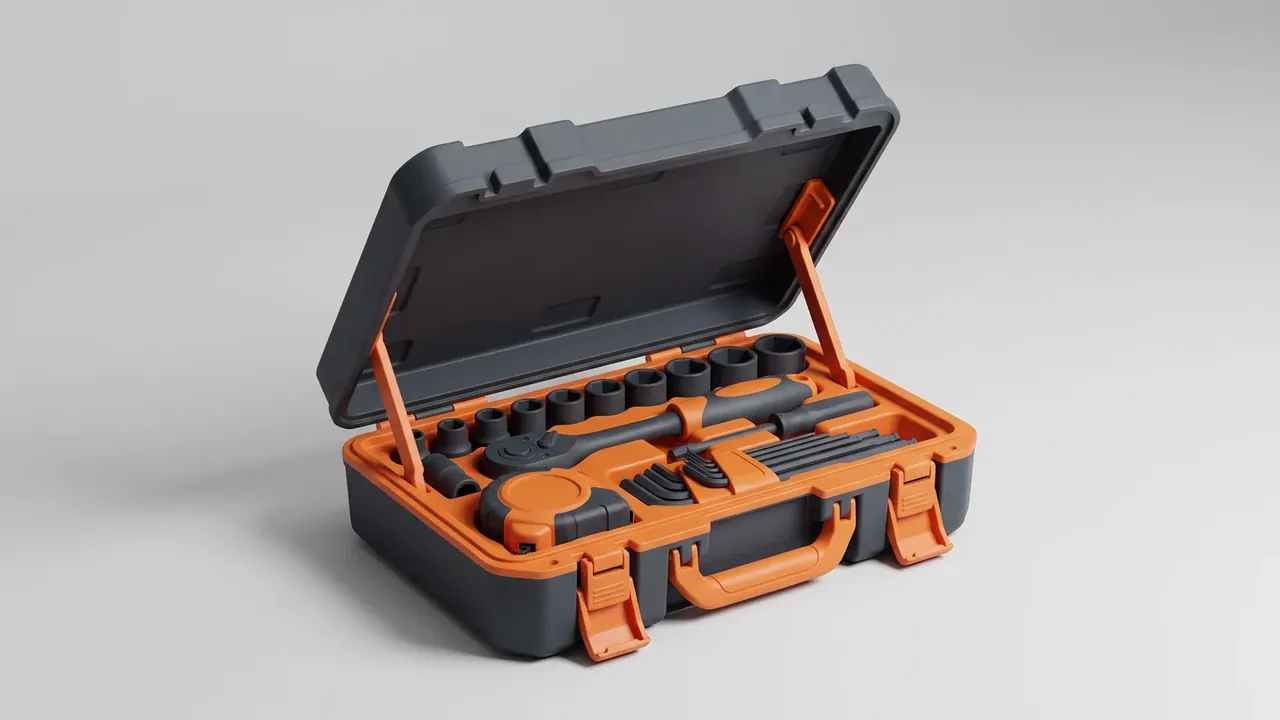
A grip around 25 mm suits the hand, with 30 mm of clearance for gloves, and the mount needs metal inserts because bare plastic goes brittle in cold. A stay must lock past 90 degrees; between -25 and 55 degrees Celsius, polypropylene loses half its impact strength.
5. Gates Five and Six on One Table
Gate five is acceptance and marking, gate six is five-year cost. Acceptance means three field tests: 20 loaded cycles for latch alignment, 10 minutes at full load for the handle bosses, 30 kg pressed on the lid centre.
| Gate | Criterion | Weight |
|---|---|---|
| 1 Three numbers | 12 kg, 20 mm margin | 25 |
| 2 Form | 150 mm lid clearance | 20 |
| 3 Interior | count plus a tenth | 20 |
| 4 Locks | two points, 8 mm shackle | 15 |
| 5 Acceptance | three field tests, marking | 10 |
| 6 Cost | five years, recuts included | 10 |
The weights rank the gates, they do not legislate: gates one and two are veto items at any weight. Running the gates in order stops a good colour from deciding a tool chest.
Conclusion
The order does not reverse: numbers, form, liner, locks, acceptance, cost. A mistake in the first three changes the model, a mistake in the last three changes an accessory. The real time saver is deciding what the tool chest must do before any supplier answers.
This article discusses only the container (case body) side of specifications and design intent, and does not cover any handling, loading or use of the contents.
Related Reading
- How the interior of a case is divided
- How to choose a portable tool box
- The four forms of a tool box
- How a tool chest is used at different workstations
Related Products
- 8 Series — Gun Cases; Military Equipment Cases; Camera Equipment Cases; Drone Cases; Watch Cases; Knife Cases; First Aid Cases; Electronics Equipment Cases
- WL8-2812 PP Gun Case — model WL8-2812
- All protective cases and toolboxes: 7 series, 158 models