

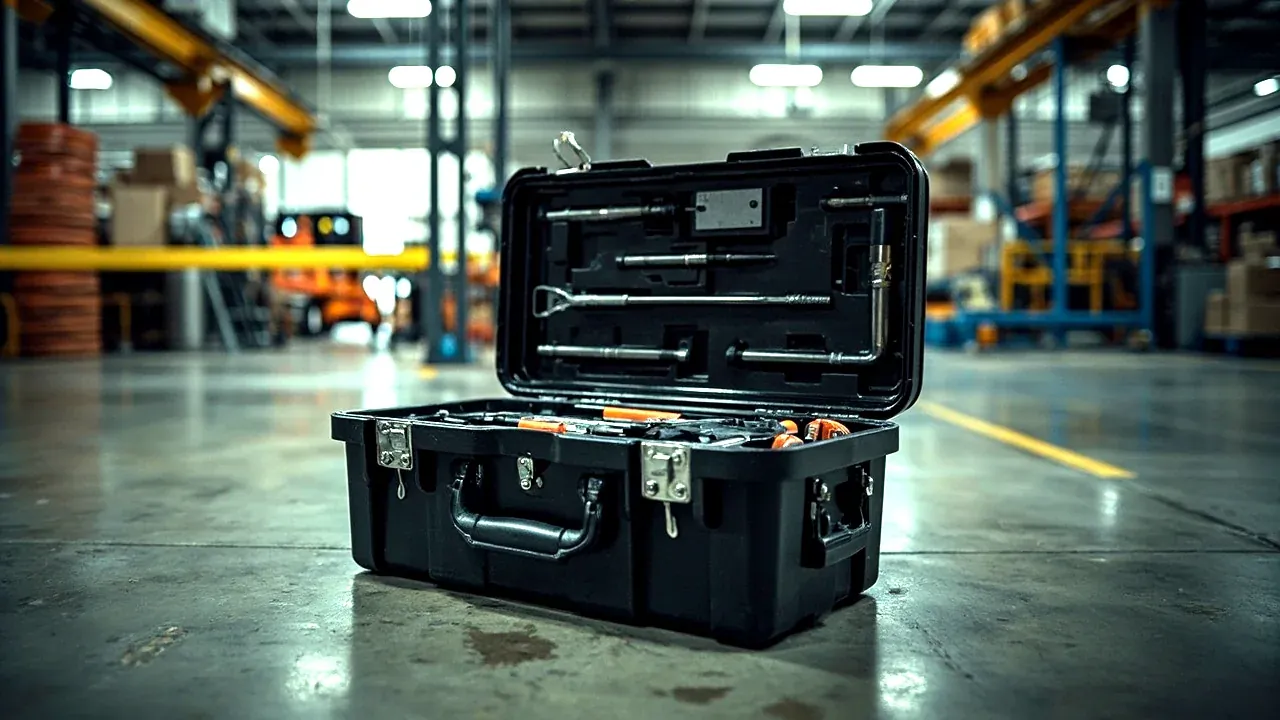
Quick answer: A tool kit chest does three jobs: completing the machine-supplied set before start-up, issuing and counting it by the list during an overhaul, and replacing lost items against the list. Each treats one set as one managed unit: counted at kitting, signed at issue, checked by slot.
Table of contents
- Before start-up: completing the tool kit chest set
- During overhaul: sealed issue and sign-off
- On-site counting and lost-item replacement
- Configuration differences across the three occasions
- Scope and limits
- FAQ
1. Before start-up: completing the tool kit chest set
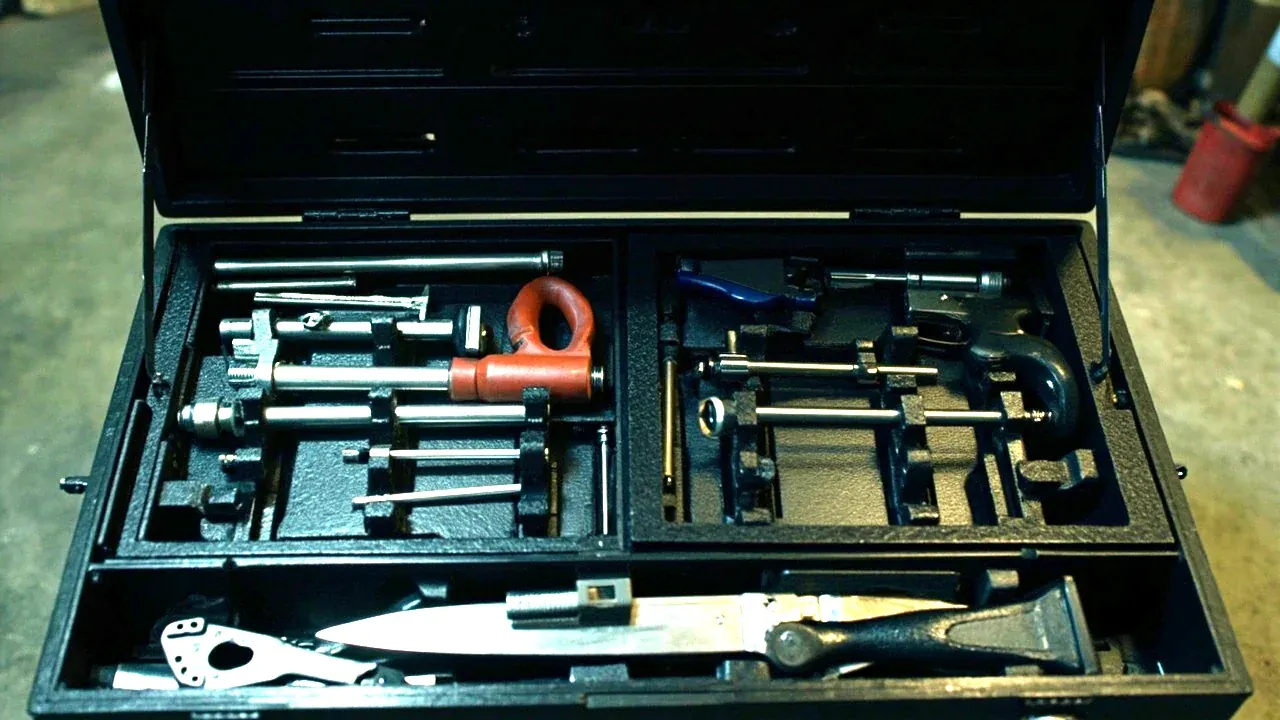
A new line arrives with a machine-supplied tool set from the machine file. The tool kit chest completes it against the list, item by item and slot by slot, until contents and list match; a chest with gaps is not sealed. Timing sits after the machine lands, before installation starts.
Full slots mean a complete list — the seal-off check. Kitting fixes three things:
- Slots to list: list rows become slot numbers, acceptance reads slots;
- Counts once: two identical tools get two slots; count slots, not tools;
- Marks outside: chest, list and machine numbers agree.
2. During overhaul: sealed issue and sign-off
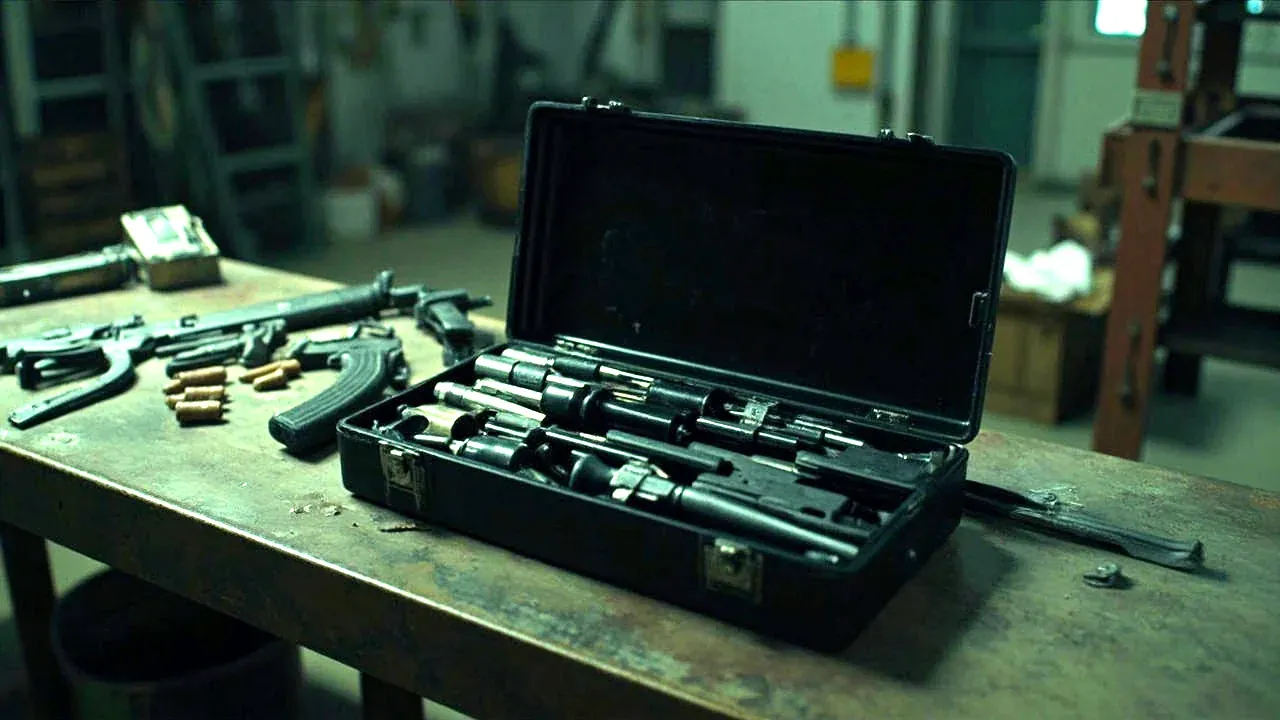
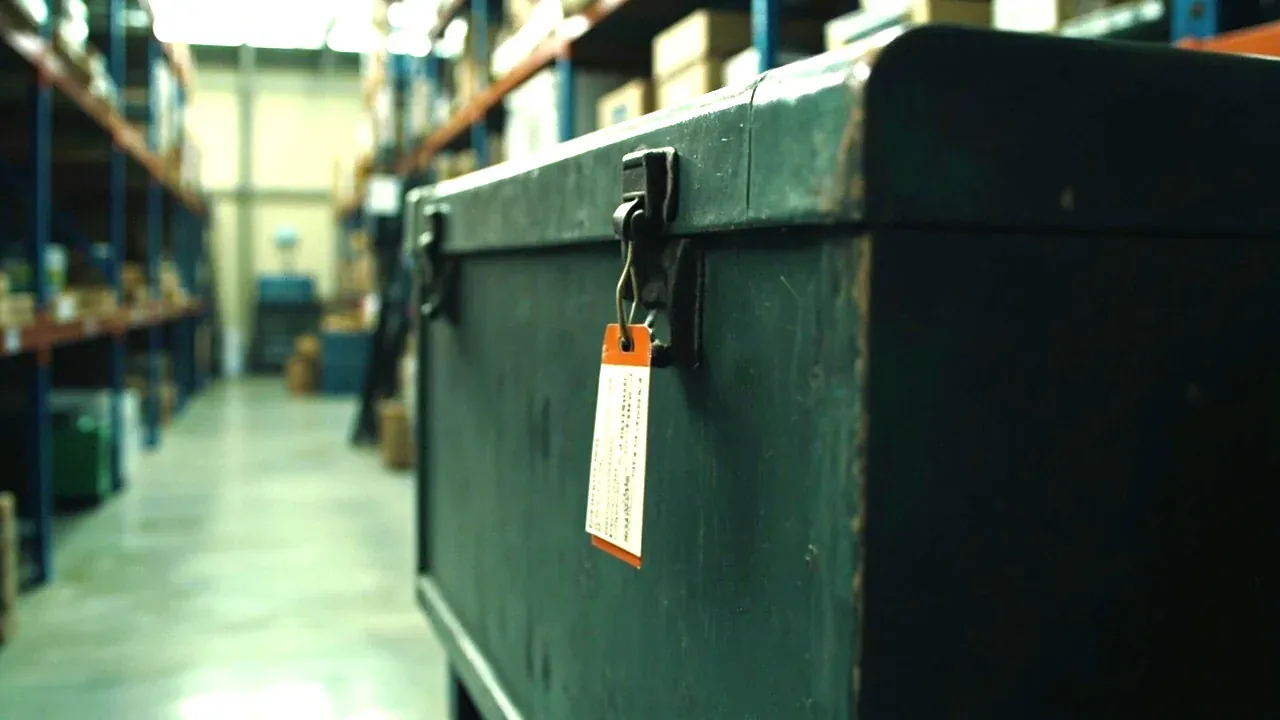
Overhaul is the heaviest use of a tool kit chest: issued from store to crew under seal — the store fits the tag, the crew verifies it, a broken tag is reported.
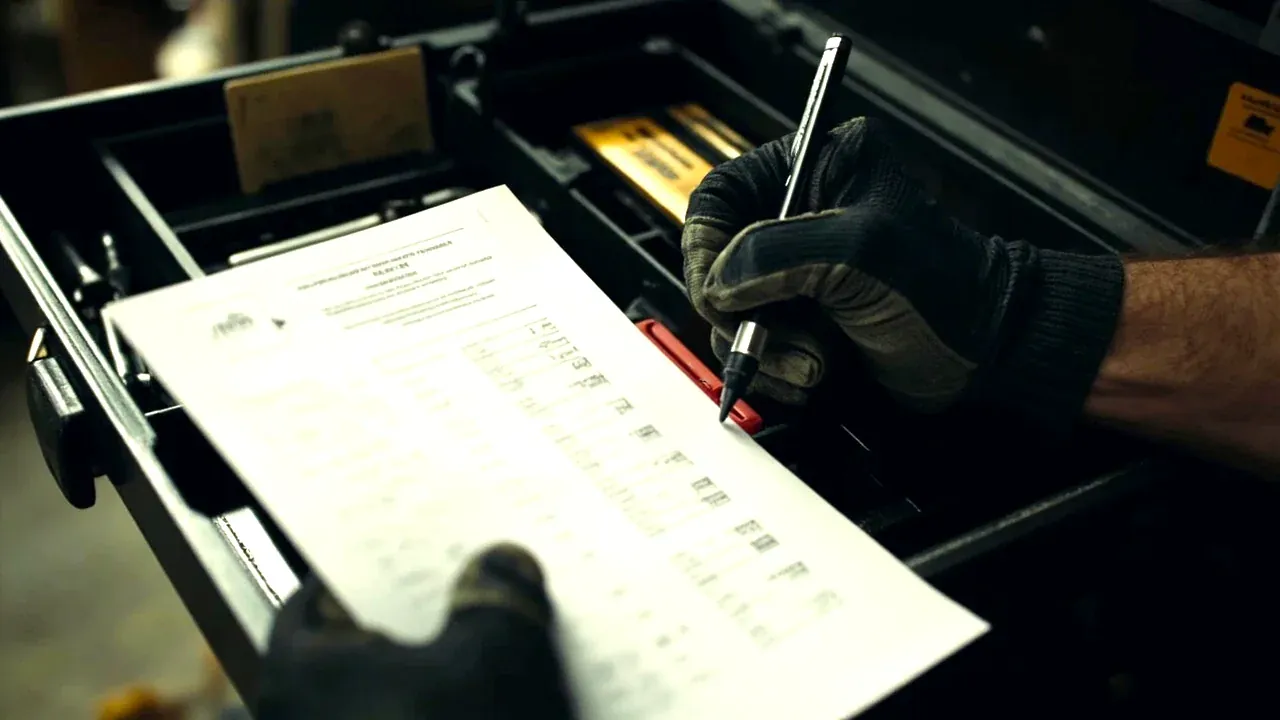
Issue runs against the list: issuer and receiver check slot by slot, and once counts match the sheet is signed — chest and list numbers, the moment, both signatures; a shortage has an owner.
One chest circulates several times — store to crew, crew to machine, machine back to store — each handover counted by the list.
3. On-site counting and lost-item replacement
Counting runs by the list: once before shift, once after, plus one at key milestones. It reads slots, not tools — an empty slot is an absent tool, its number pointing at a list row.
Replacement runs in two steps: log first, then supply — the log copies number, name and quantity onto a duplicate, and the replacement is bought to the same spec and slotted before it goes in. A fresh sign-off closes it: slot restored, list updated, three parties count again.
4. Configuration differences across the three occasions
The three occasions ask different things of a tool kit chest:
| Occasion | Insert | Hardware | Marks |
|---|---|---|---|
| Start-up kitting | Cut once to machine list | Latches with seal points | Machine and chest numbers |
| Overhaul issue | Slots survive repeated picks | Latches with tag holes | Crew and list numbers |
| Lost-item replacement | Insert sections replaceable | Same hardware as original | List revision number |
Start-up slots are cut once, so changing a tool is expensive; overhaul slots survive repeated picks; replacement inserts come apart in sections. All three share a seal tag position — it shows whether the chest was opened.
5. Scope and limits
A tool kit chest fits stable sets, list-based handover and whole-set counting; it does not fit freely swapped tools, single tools or jobs with no handover. Start-up and overhaul are home ground because the tool list is part of machine documentation.
| Case | Verdict | Reason |
|---|---|---|
| Machine-supplied set handed over whole | Fits | List and slots align once |
| Crew tools drawn as needed | Does not fit | No fixed set to follow |
| Single tool taken out | Does not fit | A portable box is lighter |
Conclusion
A tool kit chest at start-up and overhaul reduces to three sentences. Before start-up the set is completed against the list; the chest seals only when slots are full. During an overhaul it is issued under seal, signed by the list and counted slot by slot each shift. Gaps are logged first, supplied second, each closed by a fresh sign-off. The premise is a fixed set with a list to follow — without it, a tool kit chest is just a box with holes.
This article covers container-side specifications and design implications only.
Related Reading
Related Products
- 8 Series — Gun Cases; Military Equipment Cases; Camera Equipment Cases; Drone Cases; Watch Cases; Knife Cases; First Aid Cases; Electronics Equipment Cases
- WL8-2812 PP Gun Case — model WL8-2812
- All protective cases and toolboxes: 7 series, 158 models