

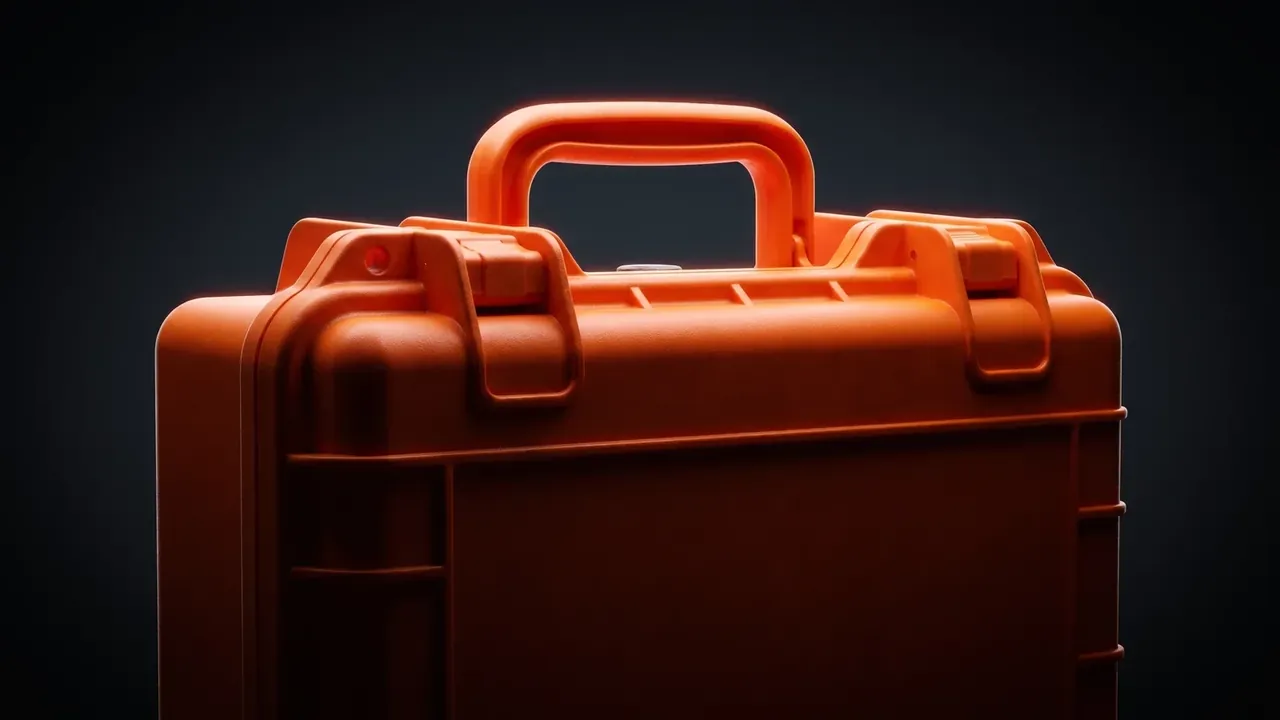
Quick answer: A Tool Kit Chest is normally weighed against a fabric bag, a steel cabinet and a rotomolded case. Five readings decide it: compression, water ingress, access speed, payload cost and life.
Table of contents
- How the Tool Kit Chest Differs from Three Alternatives
- Compression and Stacking: Comparing Shell Stiffness
- Water Ingress and Sealing: Real Gaps in Protection
- Access Speed: The Time Cost of Opening and Replacing
- Cost per Kilogram of Payload Over Service Life
- FAQ
1. How the Tool Kit Chest Differs from Three Alternatives
All four face one task: a fixed set of hand tools moving between bench and site. The shell does the rest.
A Tool Kit Chest takes the middle path. One molded shell holds its dimensions, two latches and a gasket close it, a foam tray fixes position. A bag leans on textile, the cabinet on steel, the rotomolded case on wall thickness.
| Carrier | Shell | Empty weight |
|---|---|---|
| Tool Kit Chest | 3 mm molding, two latches | 3.4 kg |
| Fabric bag | 1680D over board | 1.1 kg |
| Steel cabinet | 1.0 mm folded steel | 38 kg |
| Rotomolded case | 5 mm wall, four latches | 6.2 kg |
2. Compression and Stacking: Comparing Shell Stiffness
Static load and impact fail differently. Under 120 kg on the lid for 24 hours, the molded shell returns 1.6 mm 30 minutes after unloading; a three-high stack held 30 days leaves 1.2 mm at the bottom lid, and recovers.
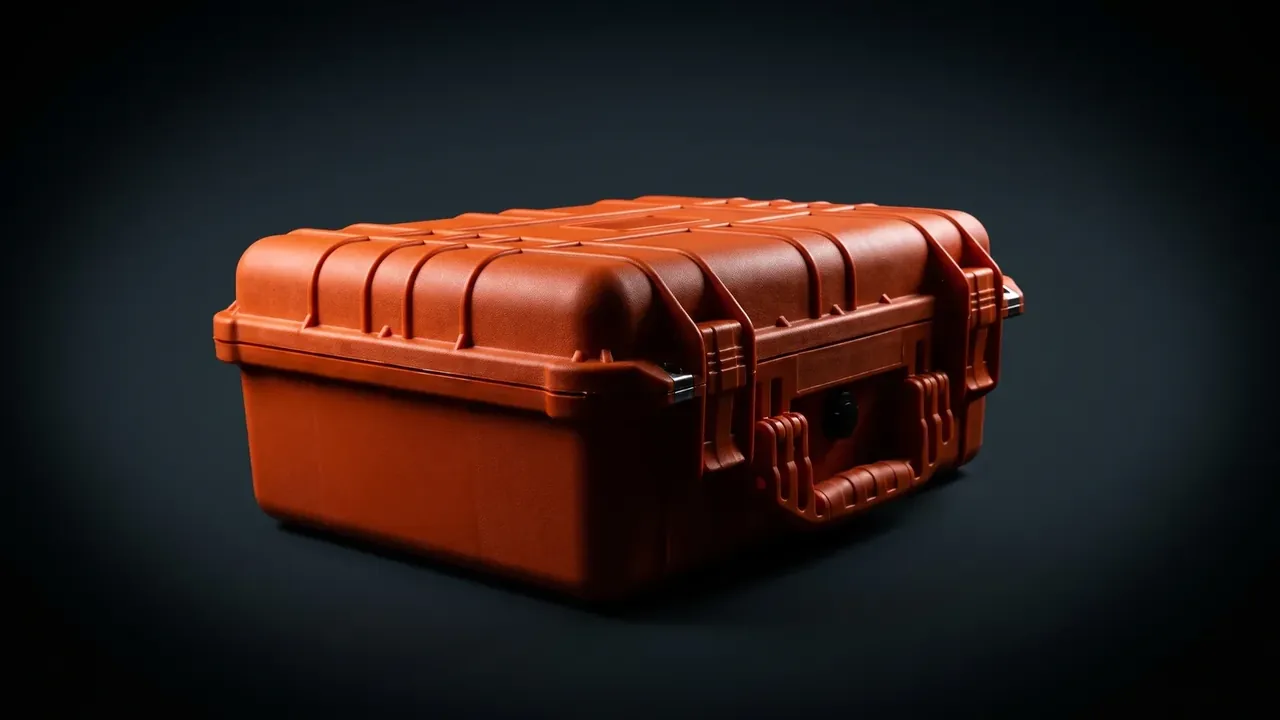
The cabinet moves 0.2 mm but weighs 38 kg empty, so three tiers need a pallet. The bag never recovers; the rotomolded case returns 1.1 mm for 82 percent more weight.
| Reading | Tool Kit Chest | Bag | Cabinet | Rotomolded |
|---|---|---|---|---|
| 120 kg lid, 24 h | 1.6 mm | none | 0.2 mm | 1.1 mm |
| Three-high, 30 days | 1.2 mm | collapse | 0.3 mm | 0.9 mm |
| 5 kg drop at minus 25 C | no crack | not applicable | coating chips | no crack |
3. Water Ingress and Sealing: Real Gaps in Protection
Immersed in 1 m for 30 minutes, the molded shell comes up dry inside, which maps to IP67. The bag sits at IPX0 and stays damp for 48 hours; the cabinet reaches IP5X and leaks at the bottom seam; the rotomolded case ties at IP67.
Inside one rating, latch count decides. An 8 mm gasket cord needs 30 to 40 percent compression; two latches give about 0.02 MPa, four reach 0.05 MPa. Past 600 mm, a two-latch lid falls below 20 percent at mid-span, where seepage starts. The cord is a wear part under 3 percent of shell price; a bag with a worn coating is replaced.
4. Access Speed: The Time Cost of Opening and Replacing
Access speed only counts per shift. Two latches and a lifted lid take 4 seconds closed to closed; the drawer 9 seconds out and back, the zipper bag 11.
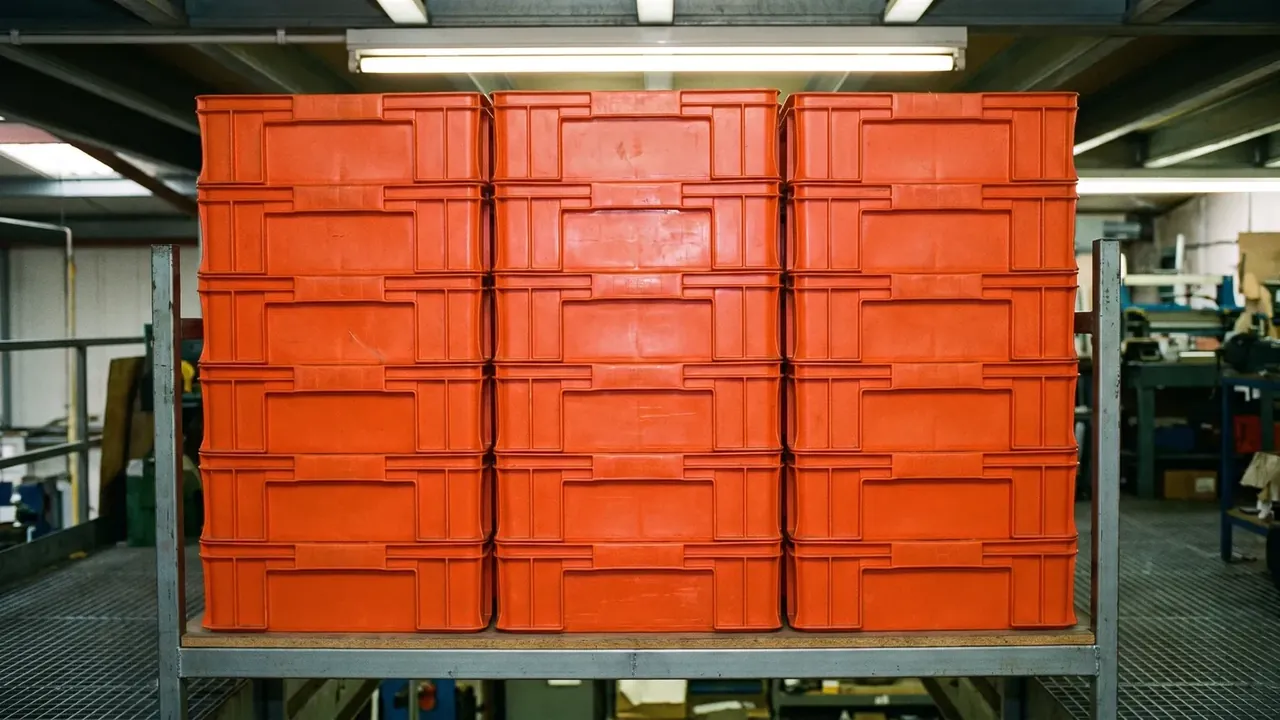
At 100 retrievals a shift the totals are 6.7, 15 and 18.3 minutes, or 33 to 50 hours over 250 shifts. Returning is harder: a foam tray shows a missing item, a bag relies on memory.
5. Cost per Kilogram of Payload Over Service Life
Spread the price over service life, then divide by payload.
| Option | Price | Life | Per year | Payload | CNY/kg/yr |
|---|---|---|---|---|---|
| Tool Kit Chest | 480 | 8 y | 60 | 12 kg | 5.0 |
| Fabric bag | 120 | 2 y | 60 | 8 kg | 7.5 |
| Steel cabinet | 1350 | 12 y | 113 | 40 kg | 2.8 |
| Rotomolded case | 980 | 10 y | 98 | 15 kg | 6.5 |
Hinge and latch set the life: 8000 and 5000 cycles. At 20 openings a shift the latch reaches its line near 3.5 years, so eight years assumes one latch set.
The cabinet wins per kilogram but needs level floor and two people to move. The bag is bought four times in eight years.
Conclusion
Side by side, the Tool Kit Chest wins no row: the cabinet is stiffer, the rotomolded case absorbs more, the bag costs least. It offers no weak row instead, plus sealing and layout that stay consistent.
Annualized and divided by payload, the spread is narrower than list prices suggest, and the cabinet's edge holds only on a fixed floor. The choice turns on the weak row your site cannot accept, which is what a Tool Kit Chest comparison should settle.
This article discusses only the container (case body) side of specifications and design intent, and does not cover any handling, loading or use of the contents.
Related Reading
- How a Tool Kit Chest is built
- Fabric tool bags against the alternatives
- Steel tool chests against the alternatives
- Rotomolded cases against the alternatives
Related Products
- 8 Series — Gun Cases; Military Equipment Cases; Camera Equipment Cases; Drone Cases; Watch Cases; Knife Cases; First Aid Cases; Electronics Equipment Cases
- WL8-2812 PP Gun Case — model WL8-2812
- All protective cases and toolboxes: 7 series, 158 models