

Quick answer: A tool roll compared with a bag, a hard case or a metal cabinet is not about capacity but draw time, visible area and where protection stops. Under twenty pieces carried daily, the roll wins.
Table of contents
- The Dimensions Worth Comparing First
- Dividers and Draw Order Against a Tool Bag
- The Protection Gap Against a Hard Case
- Splitting Work with a Metal Cabinet
- Matching the Option to the Job
- FAQ
1. The Dimensions Worth Comparing First
A fair comparison starts from one load: fourteen hand tools in 3.2 L, run through all four options. Otherwise the test measures volume, not structure.
With the load fixed, five numbers matter: draw time per tool, pieces per litre, visible area, protection ceiling, three-year cost.
| Dimension | Roll | Bag | Hard case | Cabinet |
|---|---|---|---|---|
| Empty weight | 0.7 kg | 0.4 kg | 2.4 kg | 18 kg |
| Holds, same volume | 14 pcs | 11 pcs | 9 pcs | — |
| Draw one tool | 4.2 s | 6.8 s | 11 s | 3.1 s |
| Visible area open | 0.19 m² | 0.06 m² | 0.08 m² | — |
| Three-year cost index | 1.0 | 0.6 | 3.6 | 12 |
Visible area is the column people skip. At 0.19 m² the whole set is in view; a bag shows only the mouth of its main pocket, so a missing tool surfaces mid-job.
2. Dividers and Draw Order Against a Tool Bag
A bag stacks vertically; a roll lays flat. Four pockets and a main compartment mean five moves per tool: open, part the layer, feel, pull, close. A roll needs two, and with oil on your hands that gap is three extra smears.
Density follows: 3.2 L takes 14 pieces in a roll, 4.4 per litre, against 11 in a bag, 3.4 per litre, because angled long-shank tools waste a slot each time.
What a bag does better is odd shapes: a cordless tool or clamped leads drop straight in, while loops mean nothing to them and cost two rows.
3. The Protection Gap Against a Hard Case
Once the requirement moves from staying together to absorbing impact, the roll steps aside. Five drops onto concrete from 1.2 m: the case shows no cracks and no latch opens, while the roll keeps tools in place but plier jaws knock 0.3 mm nicks into each other.
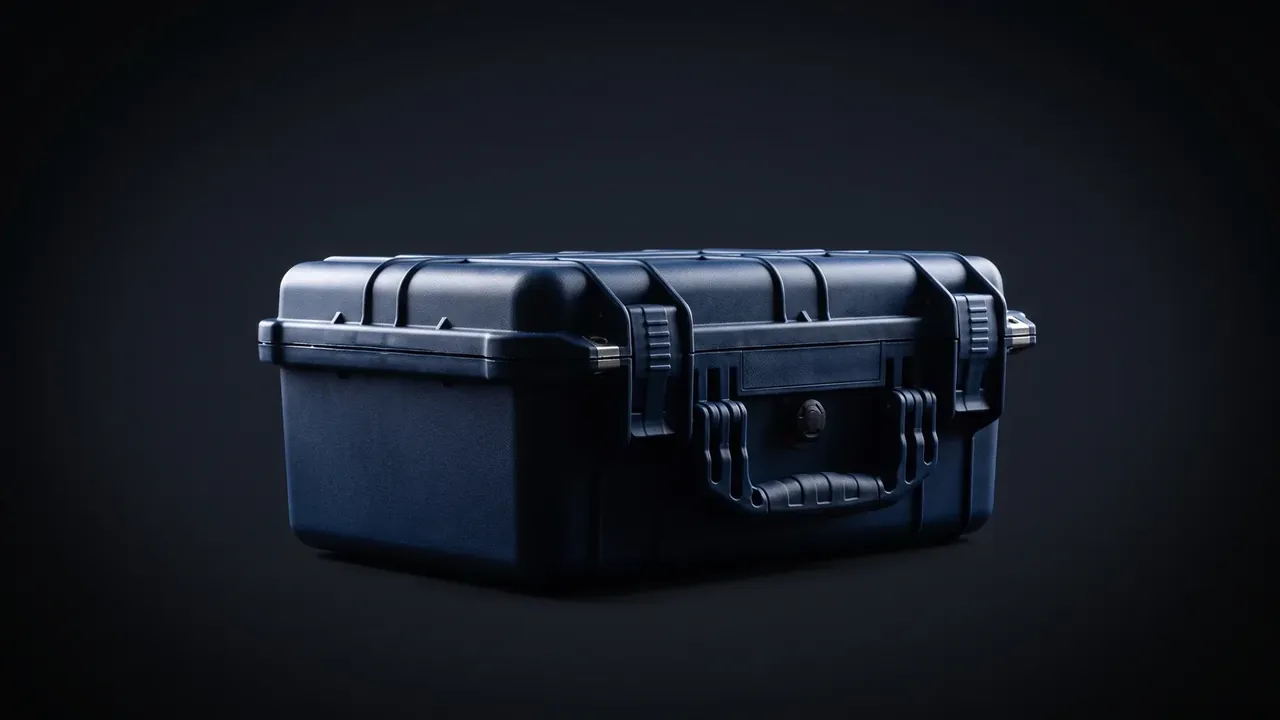
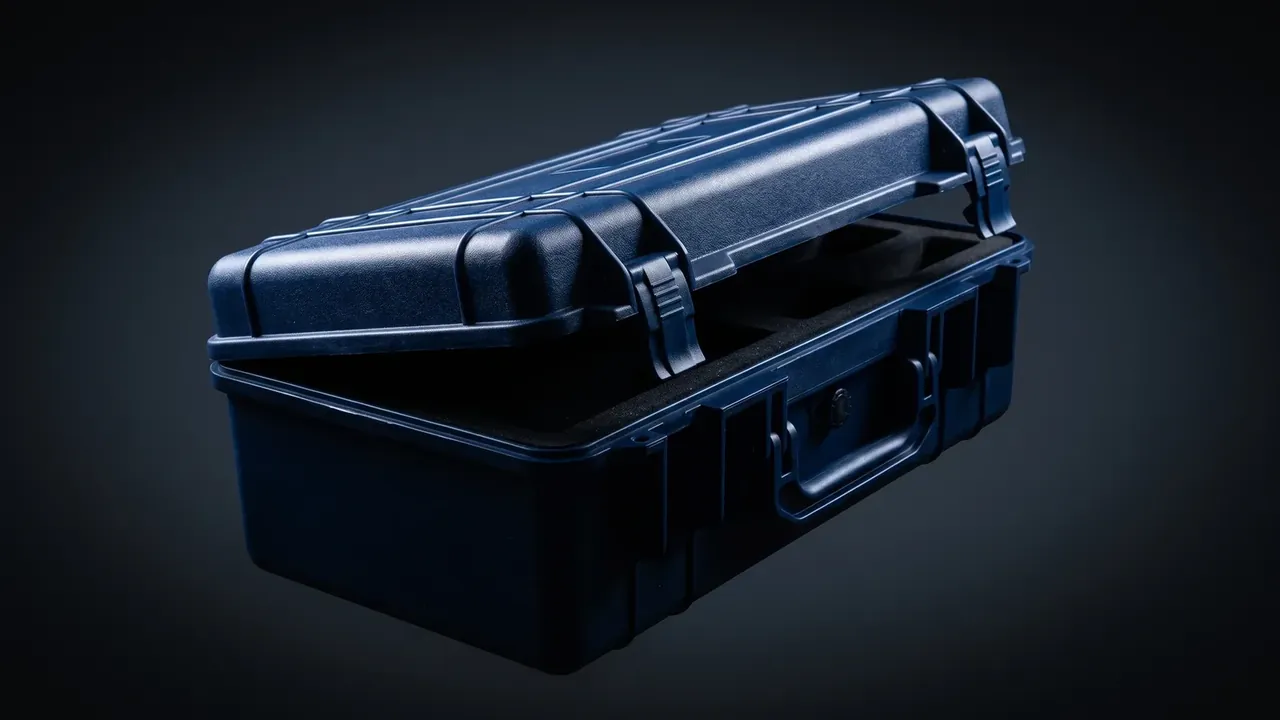
The gap is structural. A shell moulded on a 650-tonne press with a 2.8 mm wall resists by stiffness; a roll has almost no wall and only reduces relative movement, so under luggage the tools become the load path.
The latches still lock after 8,000 cycles, so life is not the limit. The ceiling is scuffing, spillage and splashes — past that, the question is a protection rating.
4. Splitting Work with a Metal Cabinet
A cabinet is fastest at a fixed bench, 3.1 s per tool, at the price of 18 kg. After 96 h of salt spray it shows white rust only at the corners, and 40 kg shelves take the heavy items.
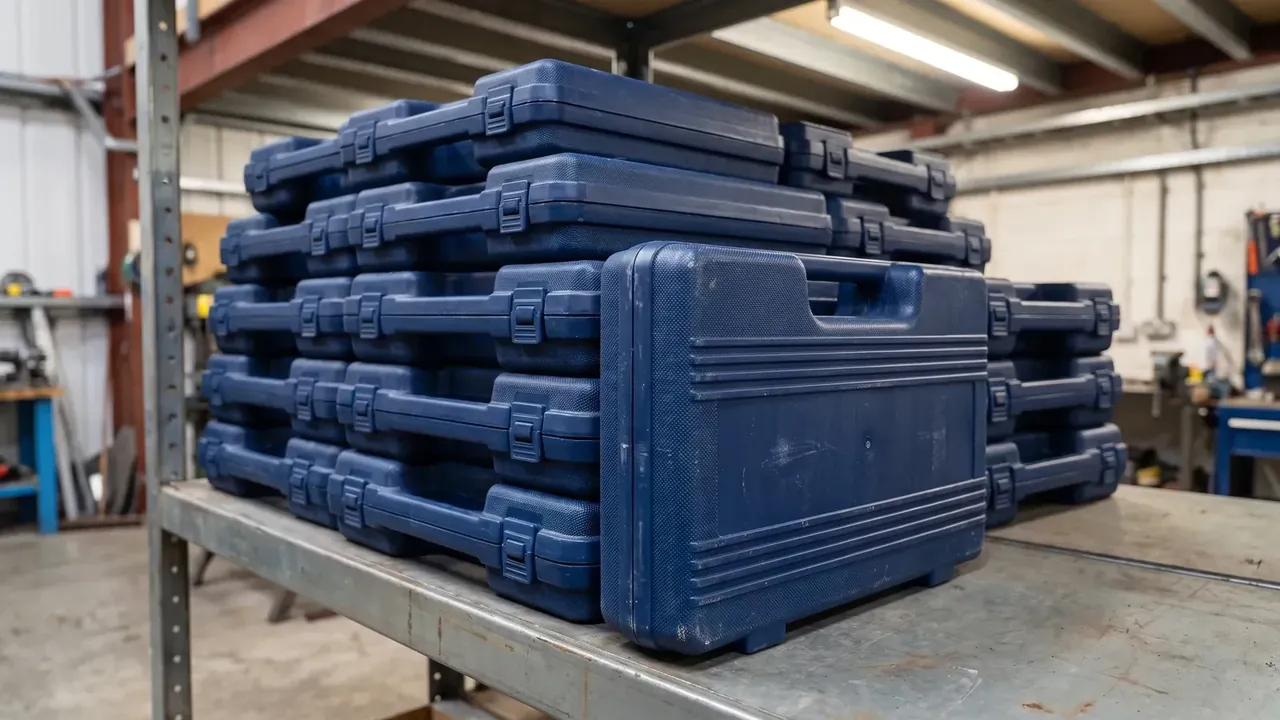
The division of labour is clear: the cabinet owns position, volume and lockability; the roll owns travel and a flat layout.
The interface needs planning: a roll wants 0.6 m of bench, a cabinet wants 0.5 m of aisle for a drawer, and both in one bay block each other.
5. Matching the Option to the Job
Three questions settle most cases: does the workplace move, does a load exceed twenty pieces, can the kit be crushed.
| Situation | Choice | Why | Cost |
|---|---|---|---|
| Carried daily, under 20 pcs | Roll | Full view, two-move draw | No crush protection |
| Fixed bench, high volume | Cabinet | 3.1 s per tool, load-rated | 18 kg, cannot travel |
| Transit with impact risk | Hard case | 1.2 m drop, no cracking | Index 3.6 |
| Occasional carry | Bag | Index 0.6 | Five moves per draw |
Cost spreads over years: roll 1.0, bag 0.6, case 3.6, cabinet 12. Over three years the roll is cheapest, unless it spends most of its life in a drawer.
One counter-example: a line swapped cabinets for rolls and within three months every roll lived in a drawer. It drew tools over ninety times a shift; above sixty a day, the cabinet usually wins.
Conclusion
A tool roll is not universal; its window is narrow: carried daily, under twenty pieces, shanks rather than blocks, opened flat. Past that line the case takes impact and the cabinet takes volume, and the tool roll stops being an answer to everything.
This article discusses only the container (case body) side of specifications and design intent, and does not cover any handling, loading or use of the contents.
Related Reading
- Choosing between a tool roll and a bag
- Comparing tool bag fabrics
- Metal tool chests against the alternatives
- Layered storage inside a tool box
Related Products
- 8 Series — Gun Cases; Military Equipment Cases; Camera Equipment Cases; Drone Cases; Watch Cases; Knife Cases; First Aid Cases; Electronics Equipment Cases
- WL8-2812 PP Gun Case — model WL8-2812
- All protective cases and toolboxes: 7 series, 158 models