

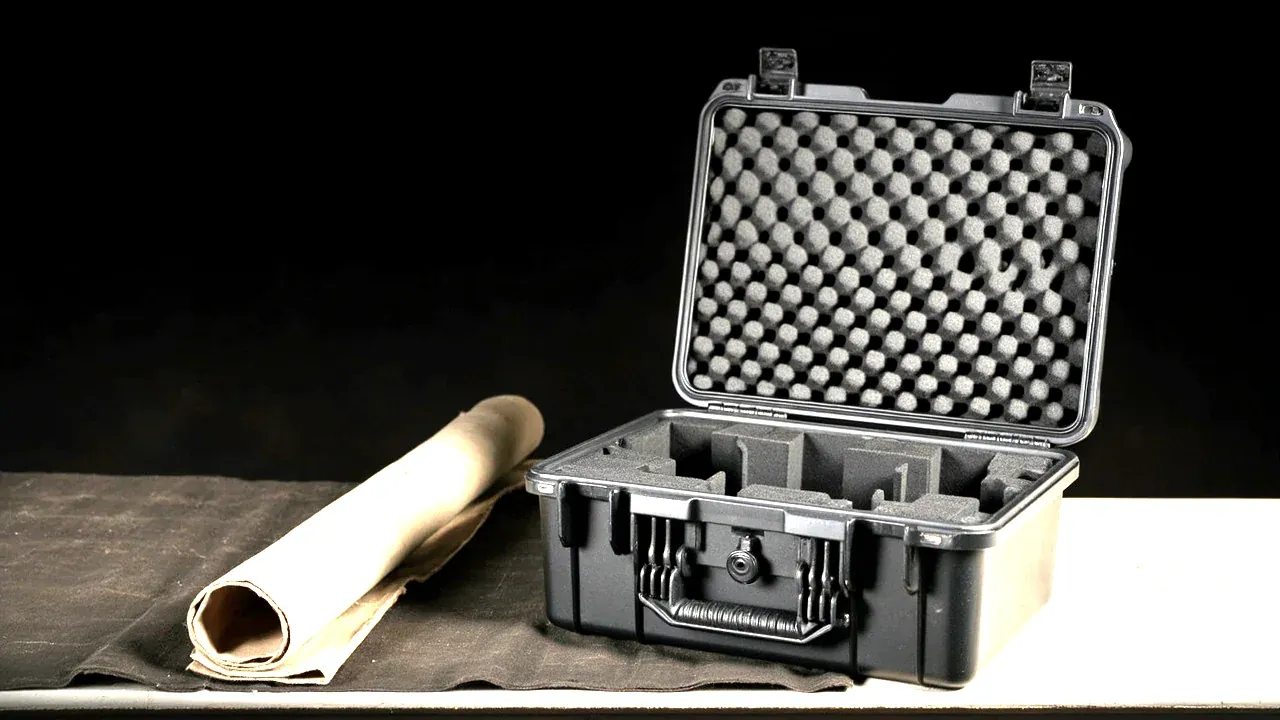
Quick answer: The line between a tool roll, a hard case and a tool bag is not price but three measurable conditions: piece count, weight per piece, and whether every piece must be located. Few light pieces counted one by one favour a tool roll; many heavy pieces needing impact protection favour a hard case; anything carried as a bundle favours a bag.
Table of contents
- Where a tool roll belongs: three conditions first
- Piece count: where a tool roll runs out of slots
- Weight per piece: what stitching and pockets will carry
- Positioning and site conditions: slots, cut-outs, loose packing
- What mixing the three storage forms actually costs
- FAQ
1. Where a tool roll belongs: three conditions first
A tool roll is narrow but fast inside its range: a cloth panel holding each flat item in a slot, a bench unrolled, a bundle rolled. Three conditions decide it — piece count, weight per piece, and whether each item must be located. Pass all three and nothing is faster; pass one and it is cloth that is hard to clean.
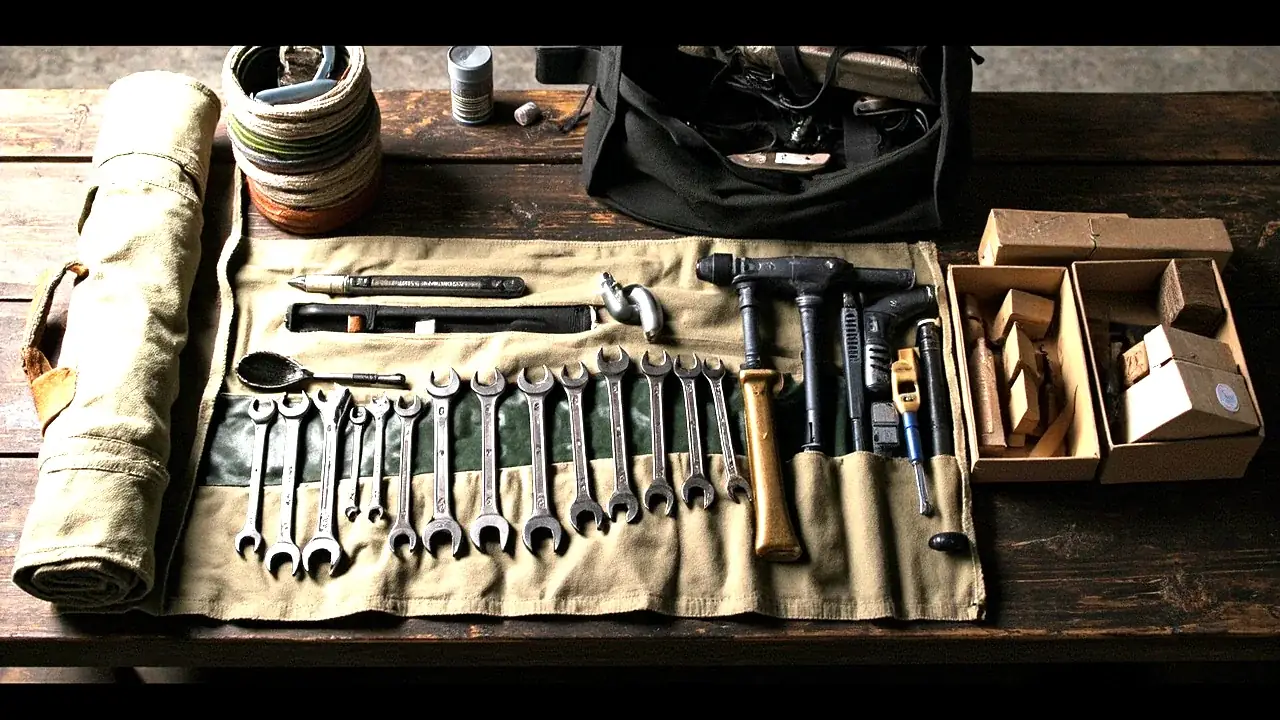
Each condition maps to a physical limit: count to slot density, weight to the tear strength of the pocket stitching, locating to the order that survives rolling. A case and a bag are not bound by the same three, so mixing them loses on both sides.
| Condition | Tool roll fits | Hard case | Tool bag |
|---|---|---|---|
| Piece count | 8 to 20 | above 30 | 20 to 40 |
| Weight per piece | under 2 kg | above 5 kg | 2 to 5 kg |
| Item locating | counted piece by piece | case-level record | carried as a bundle |
2. Piece count: where a tool roll runs out of slots
Each tool takes one pocket, and the widest item sets the width. More pieces means a longer or tighter panel: longer grows the rolled diameter until it hits the waist; tighter squeezes pockets so pulling one tool brings two. Eight to twenty pieces is comfortable; past twenty-four both degrade.
Count also lengthens the rolling sequence: the last pocket closes only after everything before it. A hard case is parallel — extra pieces add search time, not pack-up time.
3. Weight per piece: what stitching and pockets will carry
Load runs from the tool through the pocket stitching into the cloth, then out through friction between layers. That path sets two kilograms as the line: past it, stress concentrates at both pocket ends and failure starts at the needle holes.

Heavy pieces press creases onto the neighbouring pocket, which loosens. A hard case spreads the same load through foam into the shell, which is why sockets and wrench heads belong in a case.
| Weight per piece | Tool roll | Note |
|---|---|---|
| under 1 kg | fits | stitching inside limits |
| 1 to 2 kg | usable | double-stitched pocket mouth |
| 2 to 5 kg | marginal | limited roll-ups |
| above 5 kg | unsuitable | cut-out hard case instead |
4. Positioning and site conditions: slots, cut-outs, loose packing
Precision differs by an order of magnitude. A roll is slot-based: a missing piece shows at a glance, at the cost of fixed places. A case is cut-out based and three-dimensional, so odd shapes stay put. A bag is loose — fastest to take from, slowest to count. Whether it pays depends on counting frequency.
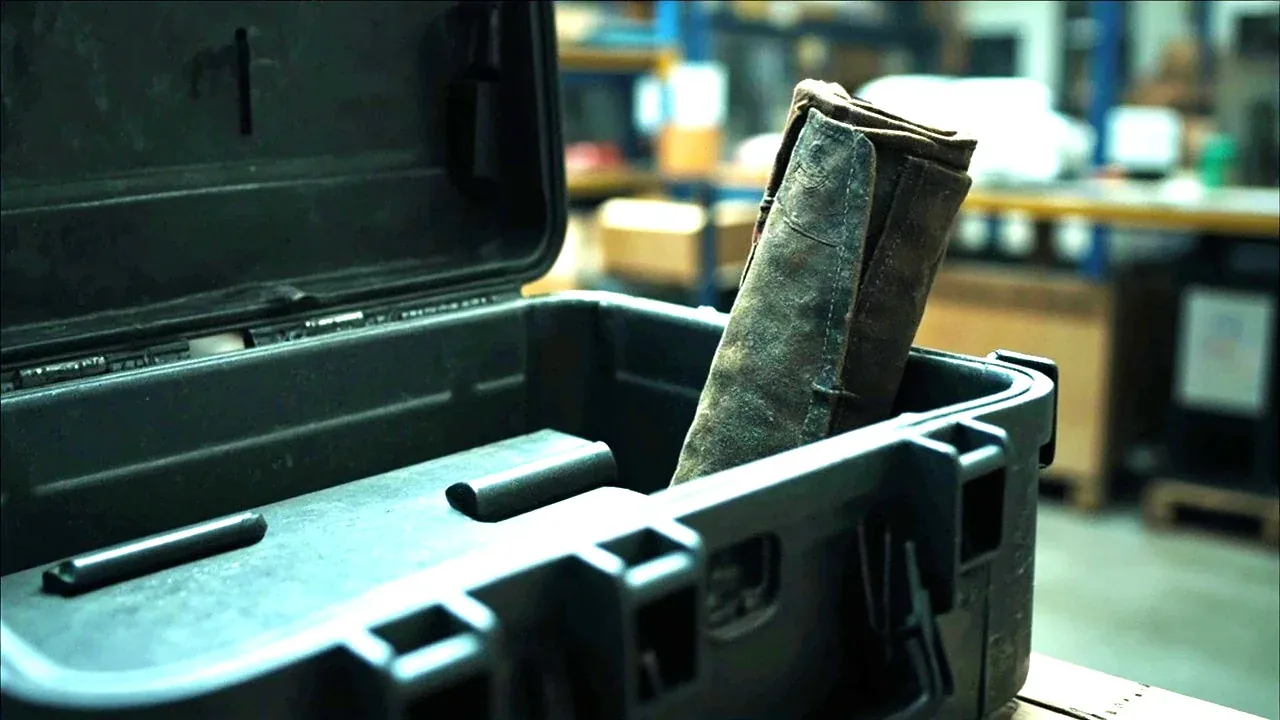
A roll also needs room to unroll: three to four times the rolled length, which a service position beside small equipment rarely offers. A case opens in place using vertical space, and a bag can be reached while worn.
An unrolled roll is soft, so small parts roll into the creases; crews add a parts box that a hard case provides for free.
5. What mixing the three storage forms actually costs
The commonest mistake is splitting one set across three places: flat pieces in a roll, heavy pieces in a case, odds and ends in a bag. That means three counts, three carries and three storage points — often fifteen extra minutes per job, against two or three saved.
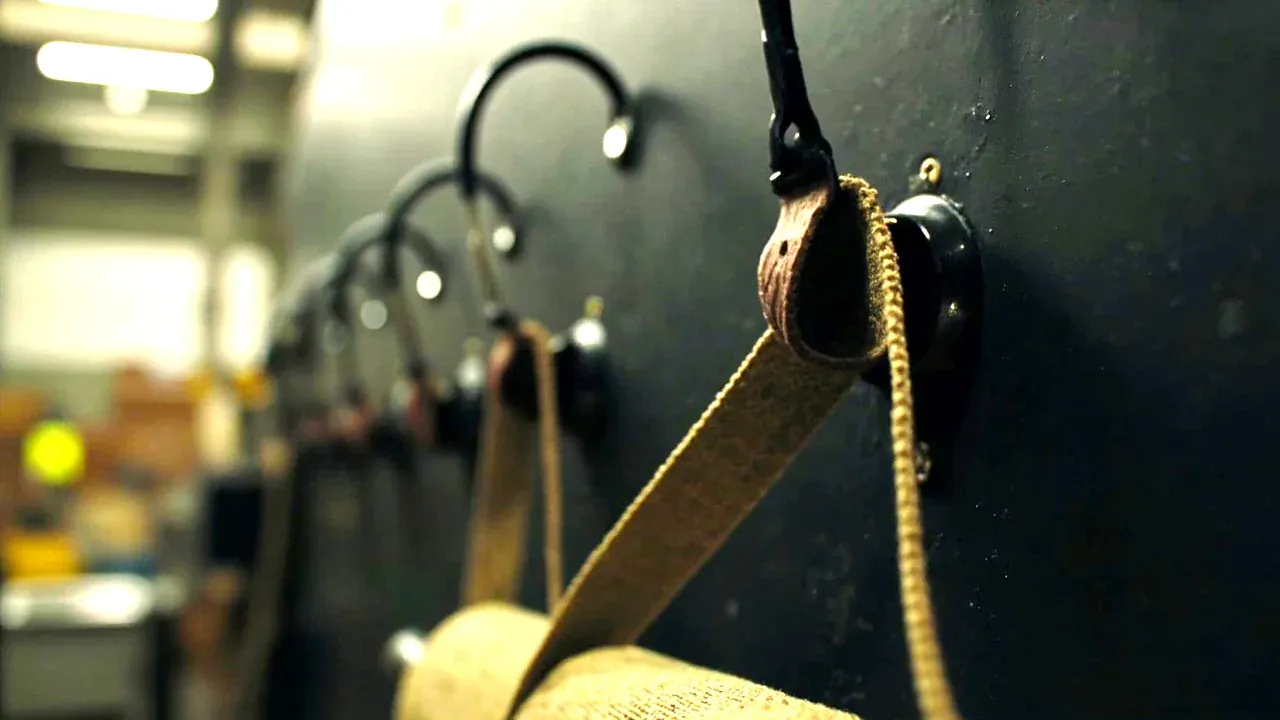
A roll is poor for long carries: rolled up it cannot be worn, and inside a backpack other items press on the pocket mouth. A hard case is poor for high-frequency access: two latches per opening stretch a pick-up to five seconds.
Conclusion
Choosing among a tool roll, a hard case and a bag compresses to one line: pass all three tests and a tool roll is right; pass two and a hard case is; pass one and a bag is. The reverse holds too — no surface to unroll on, or new pieces within six months, and the advantage goes.
This article covers container-side specifications and design implications only, not the handling, loading or use of the contents.
Related Reading
- What a tool roll is
- Tool bag versus hard case
- Tool box, bag and chest compared
- Tool box foam lining selection
Related Products
- 8 Series — Gun Cases; Military Equipment Cases; Camera Equipment Cases; Drone Cases; Watch Cases; Knife Cases; First Aid Cases; Electronics Equipment Cases
- WL8-2812 PP Gun Case — model WL8-2812
- All protective cases and toolboxes: 7 series, 158 models