

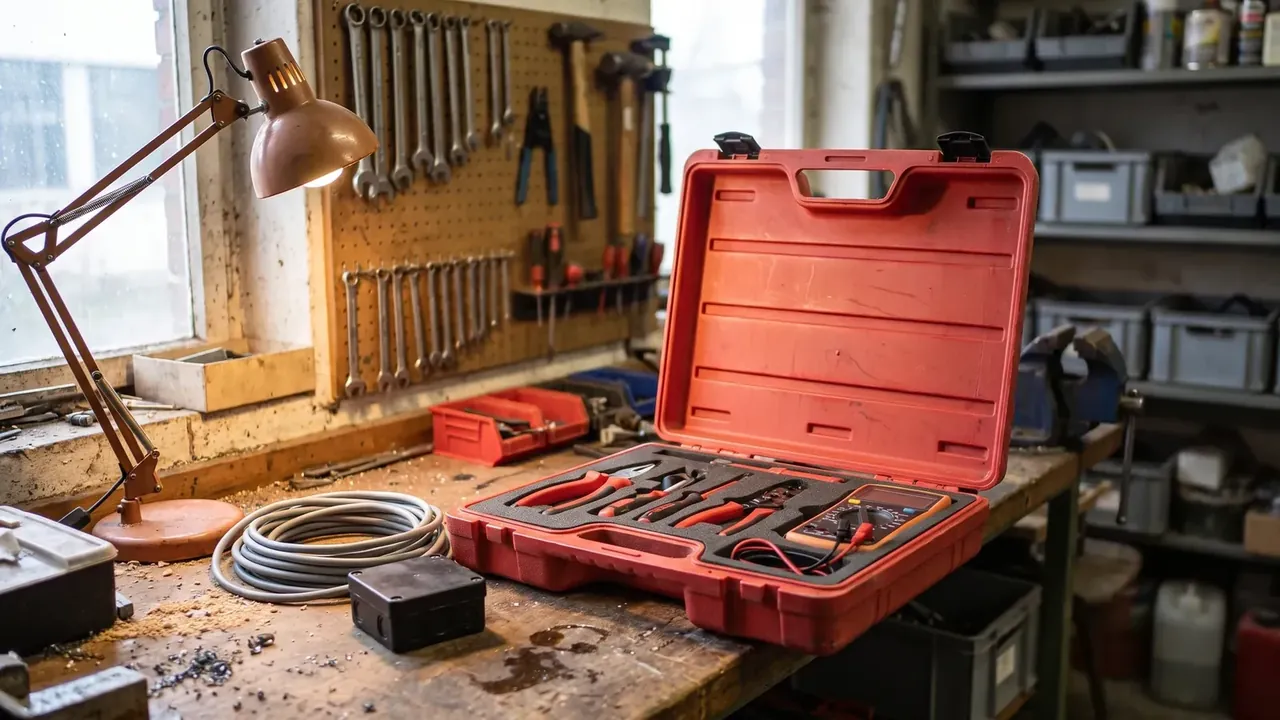
Quick answer: Maintenance on a tool satchel is not cleaning. It is three places on a cycle: strap and stitching, buckles and zipper, shell and coating. Each has an observation line and a replacement line — cross the first, look more often; cross the second, stop using the bag.
Table of contents
- How to Set the Inspection Cycle for a Tool Satchel
- Strap and Stitch Wear Limits
- Buckle and Zipper Service Actions
- Cleaning and Drying: Fabric Before Coating
- The Condemn Line: When Repair Stops
- FAQ
1. How to Set the Inspection Cycle for a Tool Satchel
Cycle follows consequence, not the calendar. A strap that fails drops tools, so it gets 30 seconds before each shift. Stitching fails gradually, so it gets 5 minutes a week. Buckles and zippers decide access, so they get a 10-minute test monthly, and the coating gets a 30-minute look each quarter.
| Frequency | Time | Check | Action |
|---|---|---|---|
| Before shift | 30 s | strap roots, buckles | swap the bag |
| Weekly | 5 min | stitching, webbing edges | log it |
| Monthly | 10 min | buckle force, zipper drag | correct it |
| Quarterly | 30 min | coating, shell | repair or replace |
Duty shifts it: at 200 closures a day, cut the weekly check to every 3 days. Rate life at 500 closures or 3 years.
2. Strap and Stitch Wear Limits
On 40 mm webbing, fuzz wider than 8 mm starts the observation line and halves the interval; white fibre past 1.5 mm means the load-bearing section has thinned.
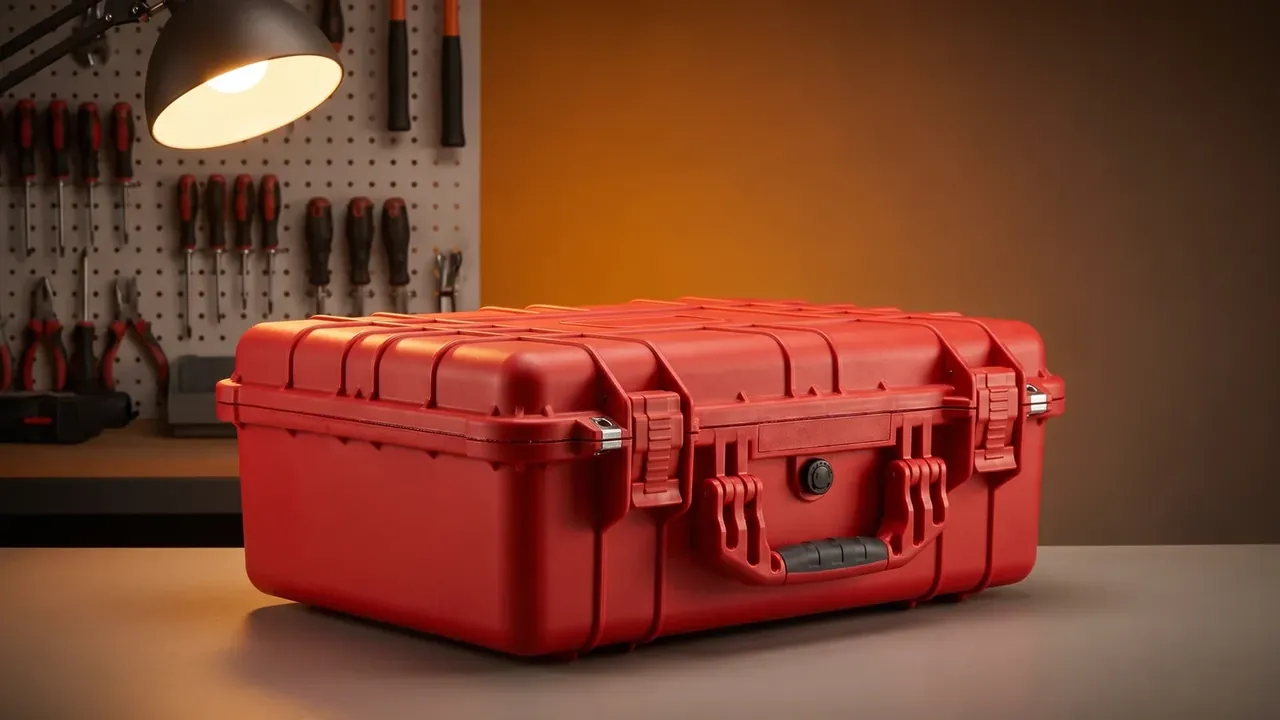
Stitching is judged by pitch and breaks. Five stitches per 25 mm is correct; a 7 mm pitch means the thread has crept. Three broken stitches is an observation, six — about 20 mm — means a new strap. Frayed ends mean abrasion, clean ends mean a cut: check the shell too.
The strap joint is the second line: with two rows of stitching, one row peeling leaves the other carrying everything.
3. Buckle and Zipper Service Actions
Buckle service on a Tool Satchel is insertion force: 30–80 N when new, under 20 N for worn claws, over 100 N for a distorted shell. Replace either, and never bend the claws back with pliers — a bent buckle turns brittle in the cold.
| Point | Measure | Observe | Replace |
|---|---|---|---|
| Buckle | force | under 30 N or over 90 N | under 20 N or over 100 N |
| Zipper | drag | over 20 N | over 25 N cleaned |
| Slider | gap | over 0.6 mm | over 0.8 mm |
| Webbing loop | whitening | first mark | deformed |
Brush grit from the zipper teeth quarterly, then add thin silicone grease. Drag above 20 N needs attention, and 25 N after cleaning means a new zipper. Hardware gets a rust pass yearly: 48 hours of neutral salt spray without red rust is the floor.
4. Cleaning and Drying: Fabric Before Coating
Never use alkaline detergent on a Tool Satchel. Polyurethane coatings hydrolyse above pH 9 and go tacky, so use a neutral cleaner at pH 6–8, water under 40 °C, a soak of 10 minutes at most, and a soft brush along the weave.
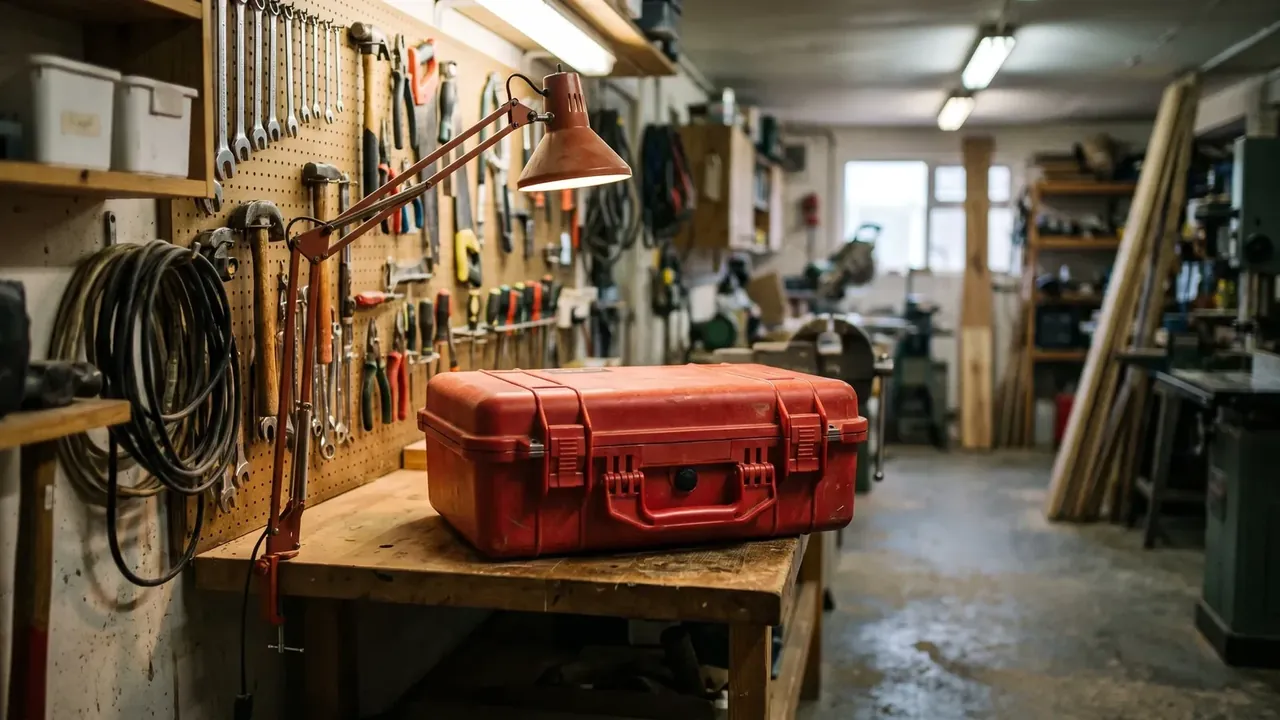
Drying fails more often than washing: a spin pulls stitching loose, 24 hours in moving air dries the bag through, and heat above 60 °C softens the coating while 80 °C blisters it. Wash oil monthly and cement slurry the same day.
5. The Condemn Line: When Repair Stops
Write the condemn line down, or every bag gets one more repair. Two broken strands in a load-bearing strap, a hole over 20 mm, or a crack at the buckle root: any one of them ends load-bearing service.
| Defect | Repairable | Action |
|---|---|---|
| Missing 3 teeth or fewer | yes | new zipper |
| One strap worn locally | yes | new strap, derate |
| Pocket unstitched | yes | restitch |
| Two broken strands | no | condemn |
| Hole over 20 mm | no | condemn |
Three soft lines can be repaired with a derating: after a new zipper or strap the bag drops to 5 kg and stops going up ladders. There is an economic line too: past 40% of a new bag, or 72 on a 180 unit, replace it.
Conclusion
Maintenance lives on three lines: observation sets how often you look, replacement sets when the bag stops working, condemnation sets when repair stops paying. On the sheet, the condition of a Tool Satchel stops being a matter of feel.
This article discusses only the container (case body) side of specifications and design intent, and does not cover any handling, loading or use of the contents.
Related Reading
- Tool satchel configurations for three jobs
- Tool bag material comparison
- Maintaining a metal tool chest
- Maintenance points for rotomolded cases
Related Products
- 8 Series — Gun Cases; Military Equipment Cases; Camera Equipment Cases; Drone Cases; Watch Cases; Knife Cases; First Aid Cases; Electronics Equipment Cases
- WL8-2812 PP Gun Case — model WL8-2812
- All protective cases and toolboxes: 7 series, 158 models