

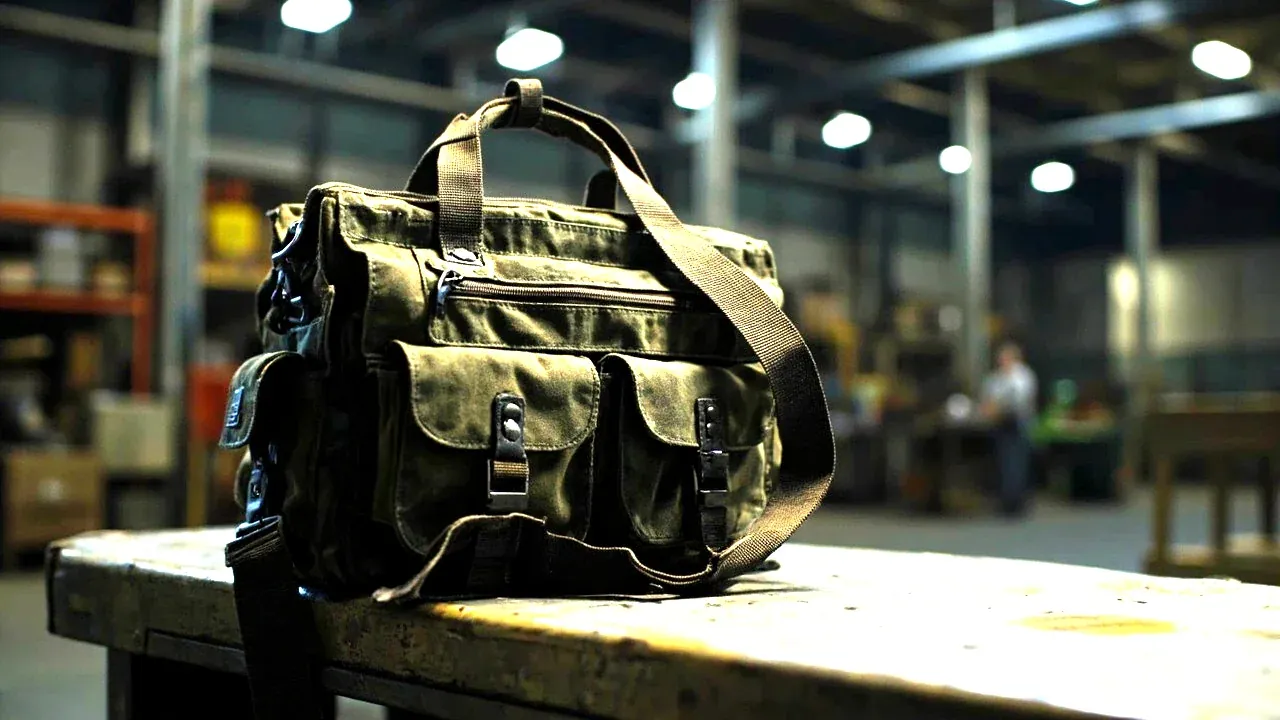
Quick answer: Choose a tool satchel by working back from the work, not from product pages. Set the carry style first; it caps the load and shapes the strap. Then set pockets against tool access order. Last check strap fixing and balance. A waist belt stays optional until height work or long hauls.
Table of contents
- Tool satchel selection: carry style before pockets
- Carry styles: one shoulder, crossbody, backpack
- Pockets: access order sets the layout
- Straps and balance: does it pull down
- Waist belt: add it or skip it
- FAQ
1. Tool satchel selection: carry style before pockets
Two ways to pick a tool satchel: shortlist what looks well specified, or settle the work pattern first and check parameters against it. The second gives every parameter a source; the first pays later.
- Carry style sets who carries this tool satchel and how far, capping the load and shaping the strap;
- Pocket layout sets how often each tool is reached for, dividing outer, main and inner pockets;
- Strap fixing and balance decide whether the loaded bag pulls the shoulder down.
The waist belt stays optional until work at height or long hauls. Settle all three and the selection holds; miss one and the price gap shows later.
2. Carry styles: one shoulder, crossbody, backpack
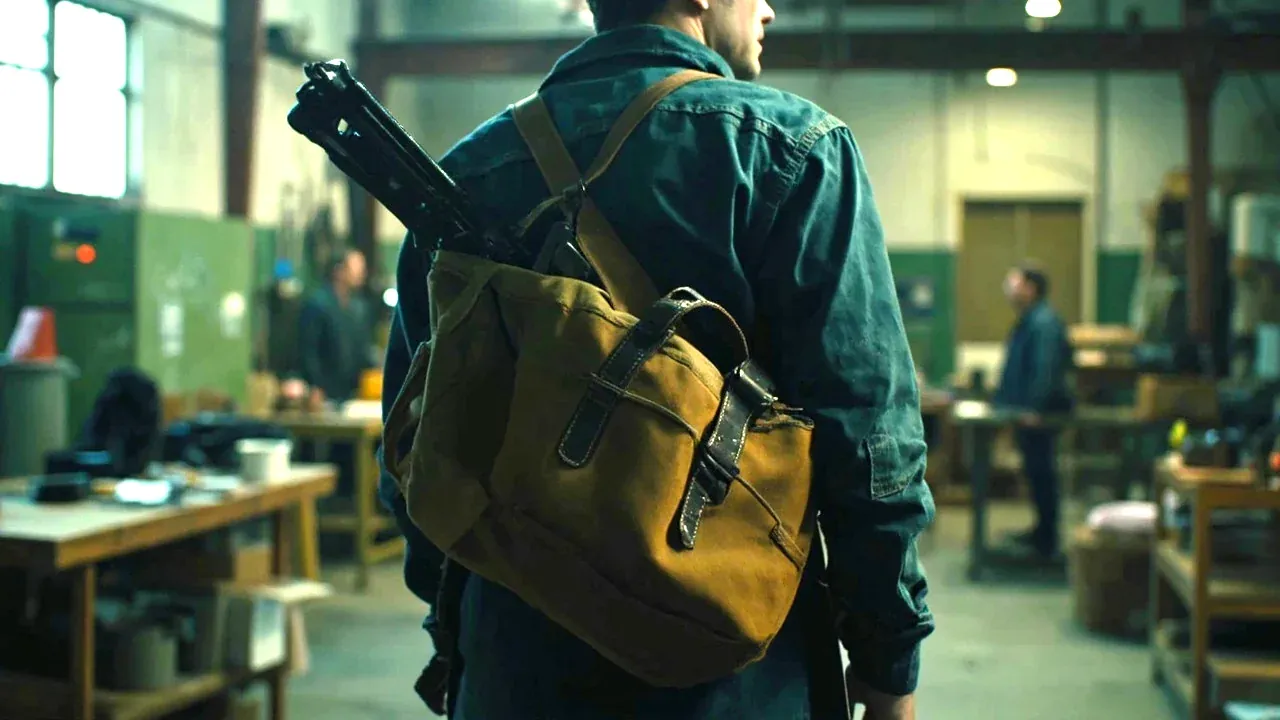
One shoulder rides the hip and accesses fastest, but beyond three kilograms pressure and tilt show. Crossbody spreads the load diagonally and stays put when bending or running, at the cost of sorting the chest strap first. A backpack suits heavy long hauls, but a tool satchel built that way must come off for access.
| Carry style | Loaded weight | Access | Suits |
|---|---|---|---|
| One shoulder | Under 3 kg | Fastest | Fixed station, frequent |
| Crossbody | 3 to 6 kg | Quick | Walking, bending, running |
| Backpack | Over 6 kg | Slow | Heavy load, long haul |
The line is drawn by the person, not the bag: the same three kilograms suits crossbody for walkers, one shoulder for fixed stations.
3. Pockets: access order sets the layout
Pockets follow access order, not the bag. Rank the tools first: several reaches a shift go outside, once a shift to the main pocket, once in days to the inner pocket.
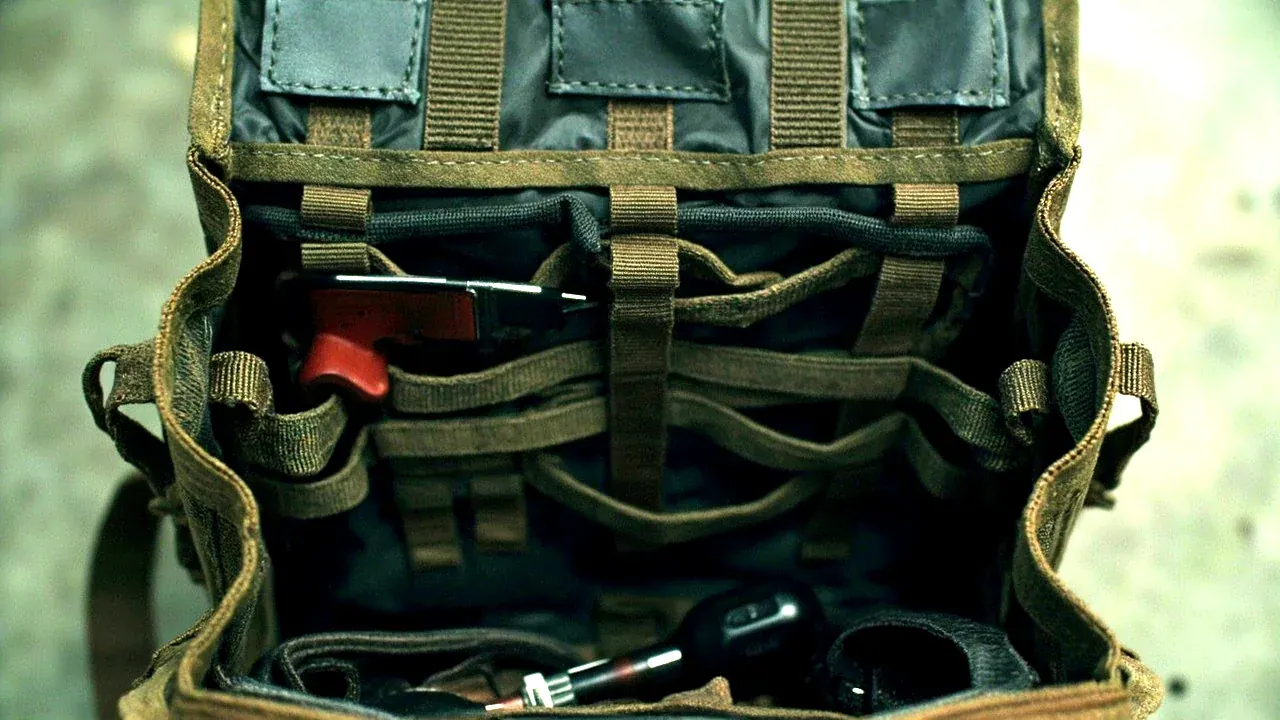
- Outer pocket for high-frequency items: screwdrivers, pliers and markers, one-handed;
- Main pocket with item positions: elastic loops and slots hold wrenches and meters;
- Inner pocket for spares: fuses, bolts and consumables, zipped shut.
Judge the split after a week: the longer the opening route, the worse the layout. The usual fault is a stuffed outer pocket with an empty inner one.
4. Straps and balance: does it pull down
The strap touches the user directly and fails first. Narrow straps bite, wide ones spread the pressure: two and a half centimetres under three kilograms, four to six, padded five above. Attachment matters: a strap sewn to the body panel outlasts one sewn to a side gusset.
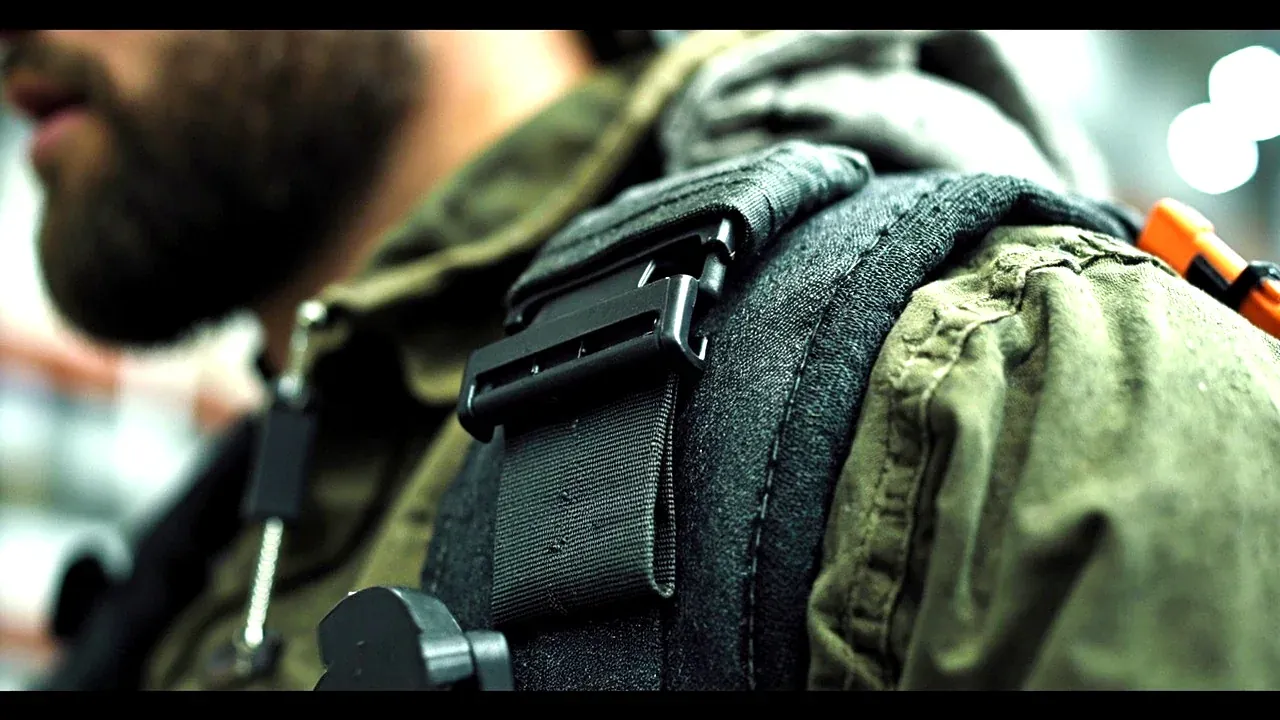
Balance is easier to miss. Loaded, the body should ride the hip or chest without swinging out; a sagging base that taps the leg means heavy items ride low.
5. Waist belt: add it or skip it
A waist belt moves part of the load onto the hips. It helps at height and on long hauls; at a fixed station it adds two straps and two steps.
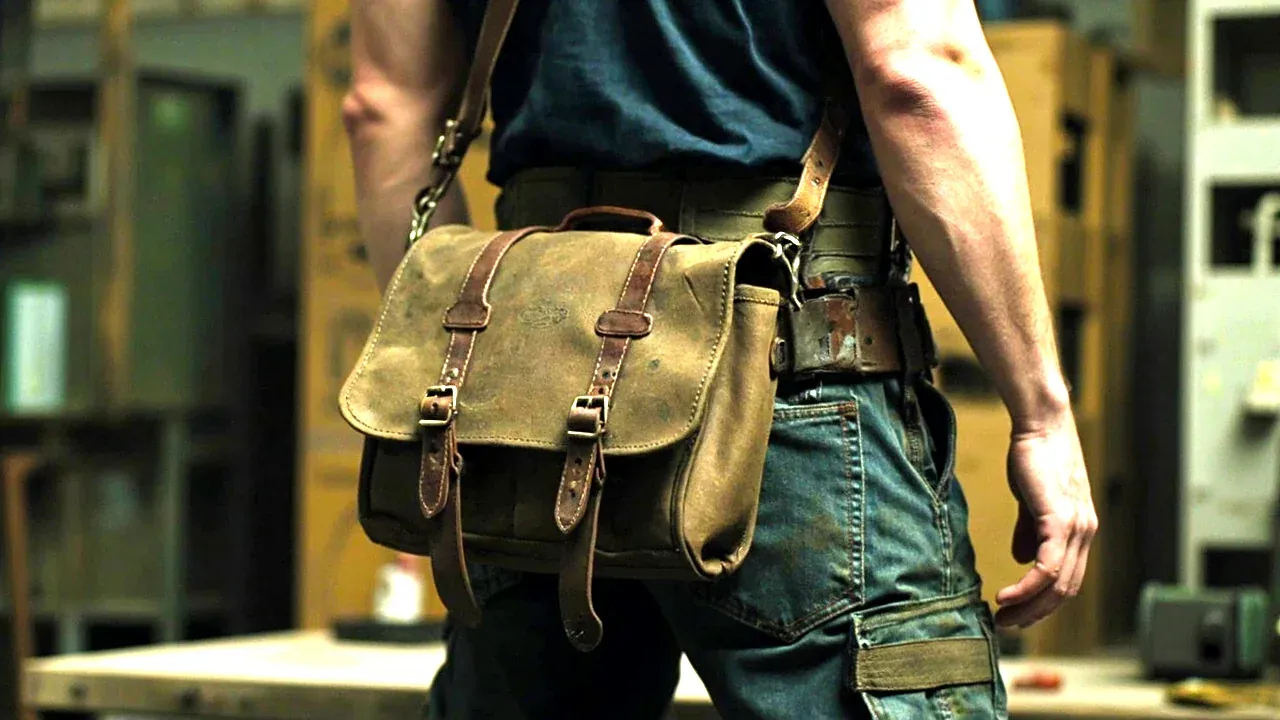
- Work at height: add it. The bag must not swing while climbing; the belt locks the tool satchel to the torso;
- Long hauls: add it. Past half an hour and four kilograms, weight moved to the hips becomes endurance;
- Fixed station: skip it. Under ten unbuckles a shift, the belt only adds friction.
When you add one, quick-release beats thread-through with gloves on, and the anchor belongs high; a low anchor gives away the relief.
Conclusion
The order for a tool satchel is carry style first, pocket access order second, strap fixing and balance third, with the belt reserved for height work and long hauls. Every parameter has a source, so comparisons hold. Choosing a tool satchel this way stops being guesswork.
The scope here is the container (bag body) alone: its geometry, structure and configuration. Nothing about how items inside are handled, loaded or used falls within it.
Related Reading
- Portable tool box buying basics
- Toolbox internal compartment design
- Four parameters for toolbox selection
- Hard case versus soft tool bag
Related Products
- 8 Series — Gun Cases; Military Equipment Cases; Camera Equipment Cases; Drone Cases; Watch Cases; Knife Cases; First Aid Cases; Electronics Equipment Cases
- WL8-2812 PP Gun Case — model WL8-2812
- All protective cases and toolboxes: 7 series, 158 models