

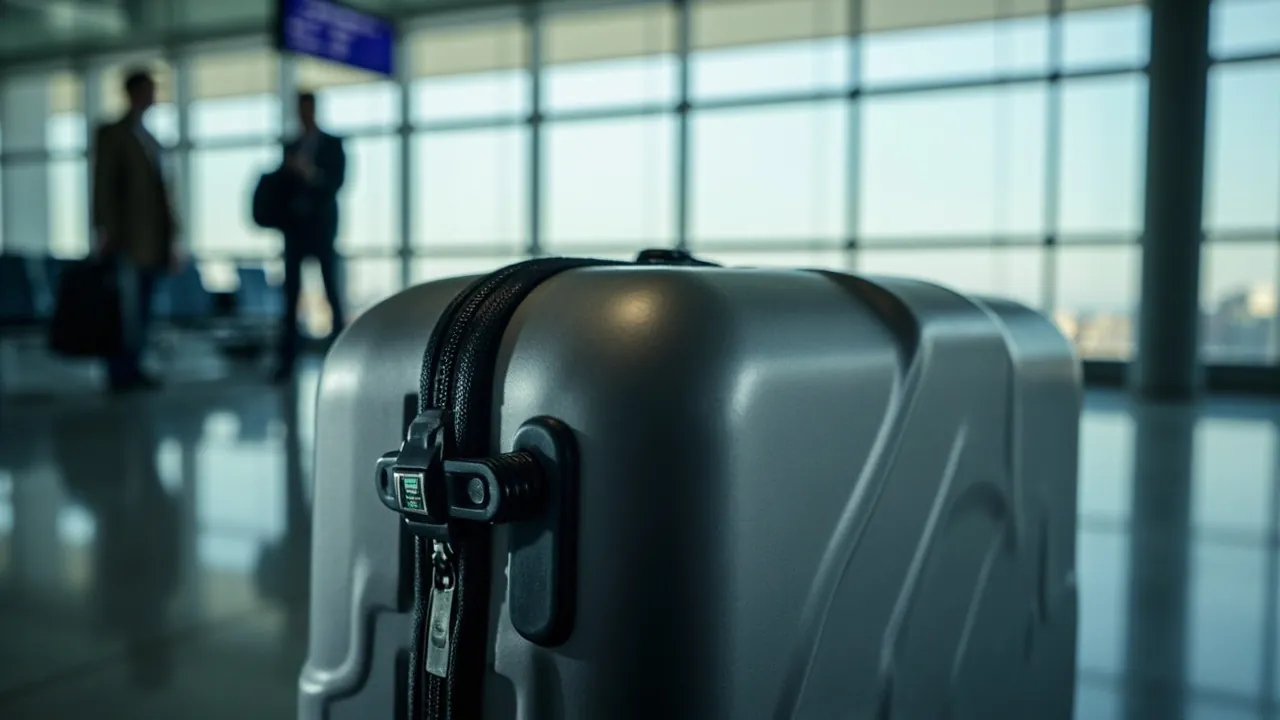
Travel Sentry recognised locks — usually called TSA locks — exist for one reason: to let security authorities open a checked case for inspection using a master tool, rather than cutting the lock off. That is genuinely useful. It is also widely misunderstood as a security feature.
What a TSA Lock Does and Does Not Do
| Does | Does not |
|---|---|
| Allow inspection without destroying the lock | Guarantee high resistance to forced entry |
| Keep the case closed through handling and conveyor systems | Protect against determined theft |
| Deter casual opening | Replace insurance for valuable contents |
| Confirm to you whether the case was opened, if it carries an indicator | Prevent inspection — it exists precisely to permit it |
The practical consequence: do not check items whose loss would be unacceptable. High-value electronics, irreplaceable data media and critical spares belong in carry-on, regardless of how good the case and lock are.
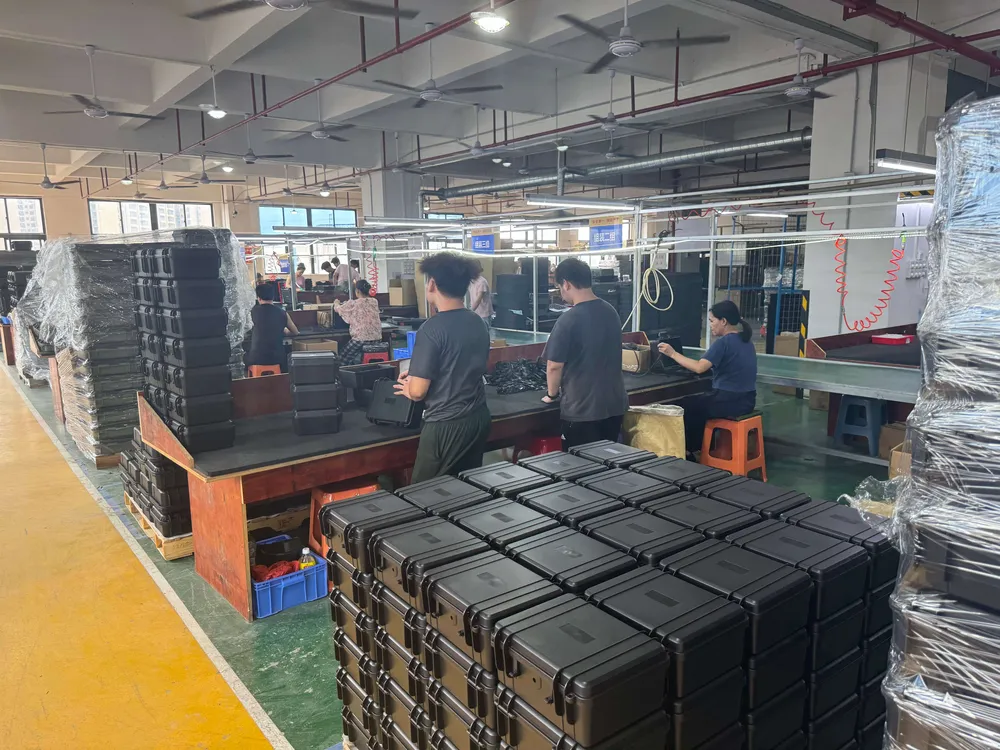
Packing a Case for Checked Travel
- Assume it will be opened. Pack so that an inspection does not scatter contents — restrained cavities, not loose items.
- Assume it will be dropped. Conveyor handling is rough; the interior has to hold everything in place.
- Remove or protect protruding items. Handles, wheels and external fittings take the knocks.
- Carry batteries and power banks as the airline requires, not in the checked case.
- Photograph the packed layout so you can verify nothing is missing on arrival.
- Label inside as well as outside, since external tags are the first thing to be lost.
Choosing Locks and Hasps
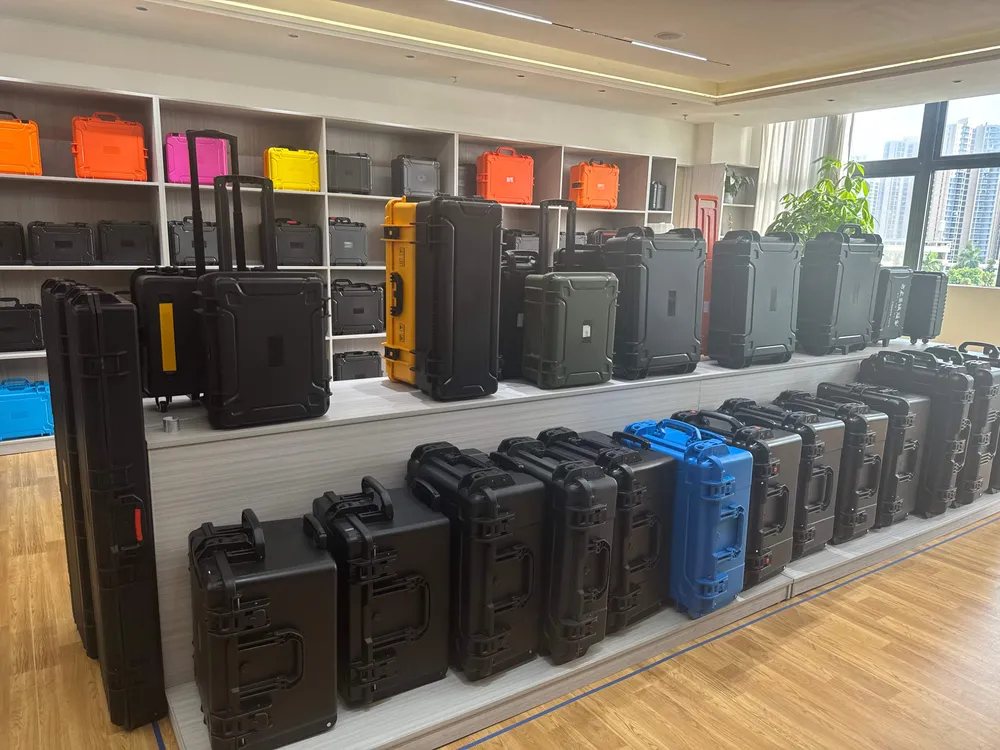
Match the lock to the case. A lock threaded through a small hasp on a large case protects very little, because the hasp or the surrounding shell is the weak point. Look for cases with moulded, reinforced lock points sized for a padlock shackle, and check that the lock body cannot be levered against the shell.
For wheeled and large-format travel cases, our wheeled case buying guide covers airline size and weight limits, and ATA 300 explains the durability categories used for containers that fly regularly.
On Arrival
Inspect the case before leaving the airport. Check the shell, the latches, the wheels and the lock indicator if fitted, and verify the contents against your photograph. Damage and loss reported after leaving the terminal are far harder to claim than those reported at the carousel.