

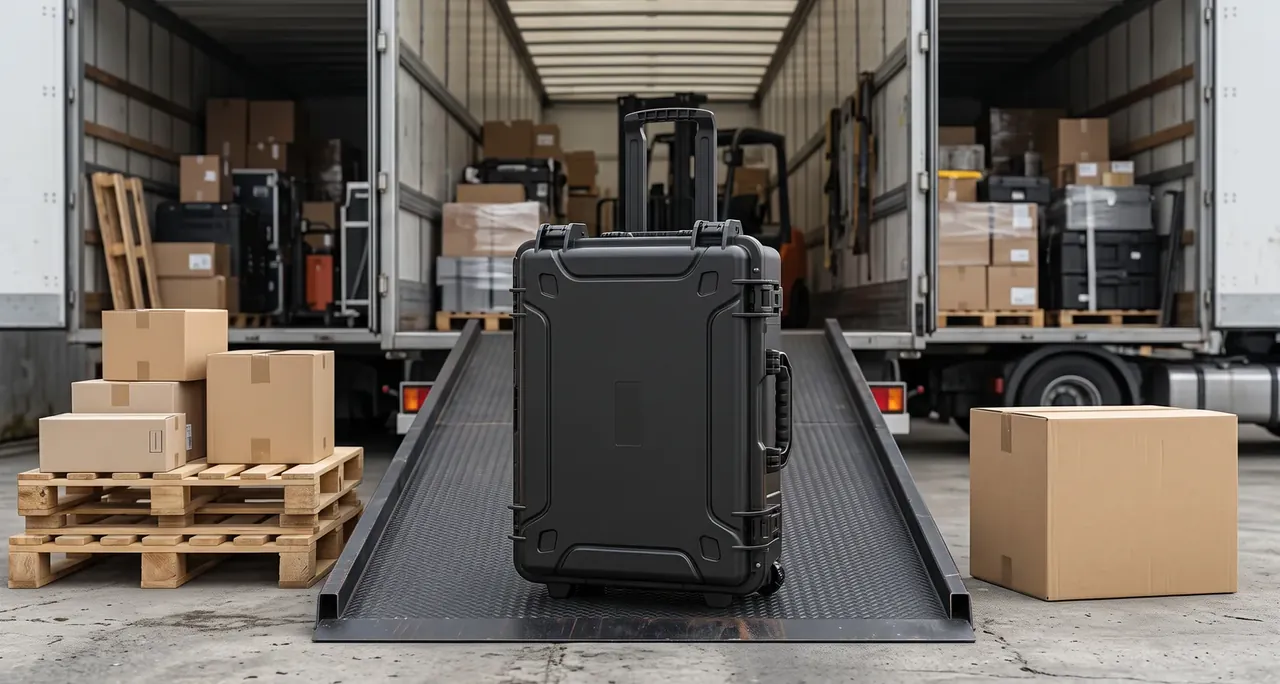
Quick answer: A Veterinary portable diagnostic equipment box needs a wipeable liner above 12 N/25 mm peel strength that survives 300 wipes of 70% ethanol lint-free.
Table of contents
- Divider Layout of a Veterinary Portable Diagnostic Equipment Box
- Peel Strength of the Wipeable Liner
- Linting Assessment After Wipe Cycles
- Measuring Divider Shift After a Drop
- Load Transfer from the Handle to the Case Walls
- FAQ
1. Divider Layout of a Veterinary Portable Diagnostic Equipment Box
Five dividers split the 440×310×170 mm cavity into separate zones, with the case measuring 500×370×230 mm outside and a 3.6 mm wall. A Veterinary portable diagnostic equipment box locates each divider through tongues on the inner wall: one long main panel, then the shorter side and end pieces, all seated to the same depth and held at the top by the lid frame.
The main panel runs the long edge, two side pieces and two end pieces fill the rest. Gaps stay at or below 1 mm, since a loose fit rattles in transit and a tight one crushes the liner. The empty case weighs 4.4 kg and carries 8.5 kg, divider mass already counted, and the panels neither warp nor leave their slots from −10 ℃ to 50 ℃.
| Divider location | Count | Fixing | Clearance |
|---|---|---|---|
| Main panel | 1 piece | Long-edge tongue | ≤1 mm |
| Side panels | 2 pieces | Wall slots | ≤1 mm |
| End panels | 2 pieces | Lid frame | ≤1 mm |
| Total | 5 pieces | Zoned location | ≤1 mm |
2. Peel Strength of the Wipeable Liner
Whether the liner stays bonded is read from peel strength. The wipeable face of a Veterinary portable diagnostic equipment box is set at or above 12 N/25 mm, the force to strip a 25 mm wide sample off the shell; below it, lap seams curl under 70% ethanol wipes and debris sheds.
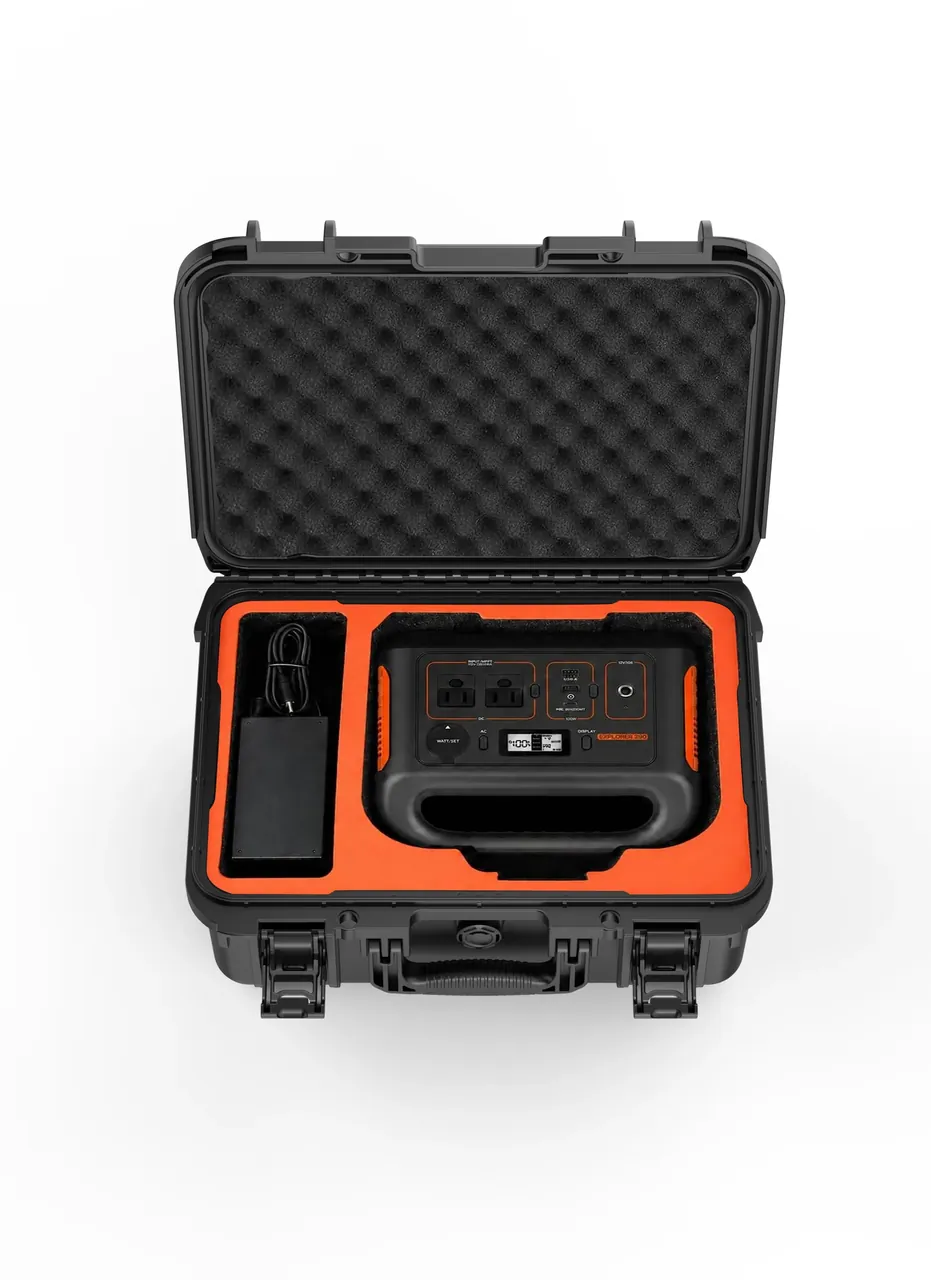
Glue spread and cure set that value. An uneven coat drops peel strength first at the rounded corners; a short cure shows delamination within the earliest wipes. Sampling uses 25 mm strips peeled at the floor, the wall and the lid inner edge, and all three must clear 12 N/25 mm.
The wipe regime runs 300 back-and-forth cycles of 70% ethanol, logged at the start, midway and at the end. The wipeable face and the foam cells are treated apart: one is judged for lint, the other for a loose slot.
| Wipe batch | Cumulative cycles | Lint observation | Peel retest |
|---|---|---|---|
| Start | 0 cycles | Baseline face | ≥12 N/25 mm |
| First stage | 100 cycles | No lint | ≥12 N/25 mm |
| Second stage | 200 cycles | No lint | ≥12 N/25 mm |
| End point | 300 cycles | No lint | ≥12 N/25 mm |
Ingress protection benchmarks against IP65 dust conditions, with the record sheet listing wipe cycles and peel figures as two columns.
3. Linting Assessment After Wipe Cycles
Linting is judged on the liner surface alone; divider slots follow the shift criterion instead. Inspection runs in natural light close to the wall, sweeping the lap seams, the rounded corners and the frame edge where fine debris shows first.
Once 300 cycles finish, no visible lint, no curled edge and no delamination is the pass. A fresh 25 mm strip at the end point must still clear 12 N/25 mm. JUNZHIJIA runs the 300 wipes and 3000 cycles on one sample batch during trials.
4. Measuring Divider Shift After a Drop
A 1.0 m drop is measured as the shift of all five dividers against the assembly baseline, with a pass at or below 1 mm. A Veterinary portable diagnostic equipment box scribes a mark along each divider edge before the drop, then a feeler gauge reads the slot gap piece by piece.
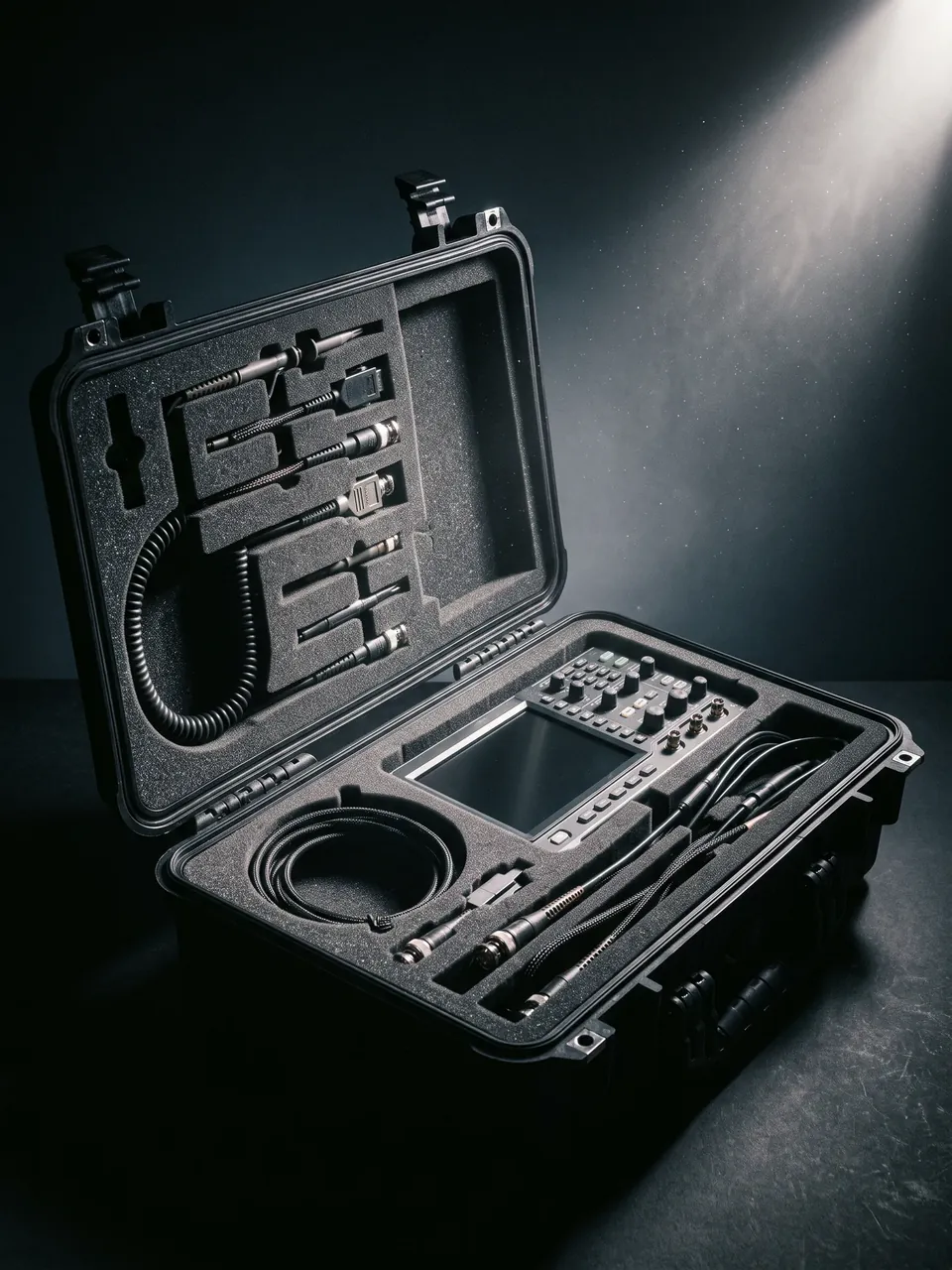
A shell short on stiffness lets the impact push dividers into the lid frame and the shift climbs. A 3.6 mm wall with local ribs keeps the wall from caving inward, since a caved wall throws the tongue location off.
| Shift limit | When measured | Threshold | Record |
|---|---|---|---|
| Assembly baseline | Before drop | 0 mm | Scribed divider edge |
| After drop | Right after 1.0 m | ≤1 mm | Feeler gauge at slot |
| Cycle retest | After 3000 cycles | ≤1 mm | Against baseline line |
| Handle loaded | Under 320 N | ≤1 mm | Sight the divider edge |
A Veterinary portable diagnostic equipment box takes a shift reading on each of the six drop faces.
5. Load Transfer from the Handle to the Case Walls
The handle is loaded at 320 N and two latches at 360 N each lock the lid to the case. Lifting a Veterinary portable diagnostic equipment box at its full 8.5 kg puts a point load on the handle mount, and anchoring that straight into a 3.6 mm wall blanches the surrounding material.
Force travels from handle to mount insert, to wall ribs, to the shell, and is carried by the whole case; after 3000 cycles the latches still hold at the 360 N order.
Assembly records the clearance of all five dividers first. Only a reading inside 1 mm lets the batch move on. The 1.0 m drop stage measures shift on each divider. The 70% ethanol stage runs 300 wipes before a fresh 25 mm peel test. The 3000-cycle stage rechecks latches and the handle mount. Four stages keep separate logs, and a missing one blocks the verdict.
Conclusion
A Veterinary portable diagnostic equipment box splits the job into a wipeable liner and a zoned interior. The liner holds at or above 12 N/25 mm through 300 wipes of 70% ethanol without lint, while five dividers shift no more than 1 mm after a 1.0 m drop; a 320 N handle and two 360 N latches carry load through the walls after 3000 cycles. Log clearance, peel and shift in that order.
Related Reading
- Medical device transport case structure
- Wipeable surfaces on medical-use cases
- Case foam lining selection guide
- Field medical case acceptance criteria
Related Products
- 8 Series — Gun Cases; Military Equipment Cases; Camera Equipment Cases; Drone Cases; Watch Cases; Knife Cases; First Aid Cases; Electronics Equipment Cases
- WL8-2812 PP Gun Case — model WL8-2812
- All protective cases and toolboxes: 7 series, 158 models