

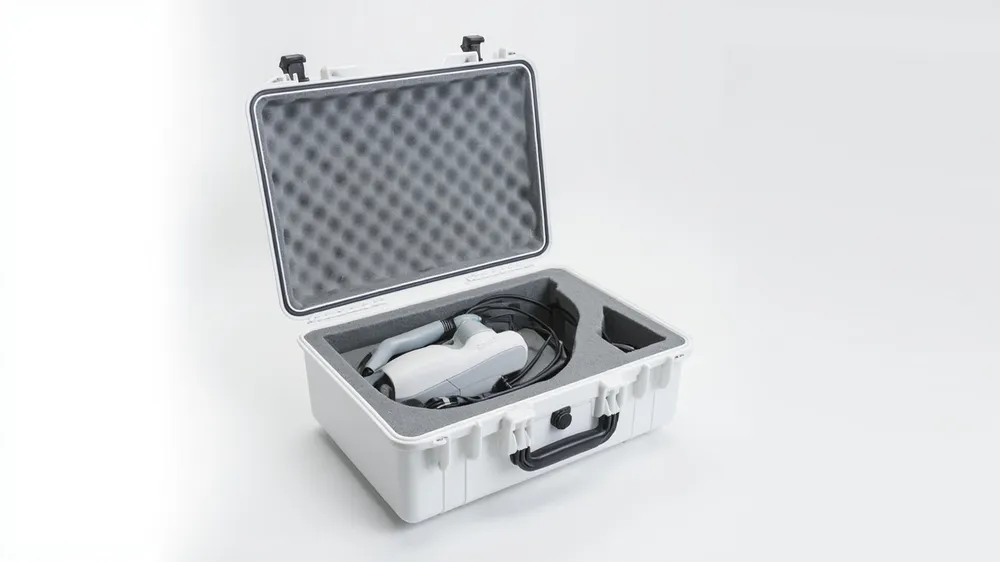
Moving medical equipment differs from moving ordinary instruments: diagnostic, monitoring and portable ultrasound devices are precise and costly, and shuttle between clinics, labs and field sites. They fear three things: shock damage, cable damage, contamination. A qualified medical transport case must isolate shock, manage cables and stay cleanable. This guide covers selection from compliance and field views.
Three Risk Classes
- Shock damage: probes and screens fear drops and vibration.
- Cable damage: cables bend and break, and tangle.
- Contamination: clean-environment transit needs a cleanable box.
Priority: cushion > cable > clean.
Protection Hard Specs
| Spec | Medical delivers | Verify |
|---|---|---|
| Shock isolation | Suspended wrap, separate bays | See liner design |
| Cable channel | Separate route, no bend | Check cavity |
| Clean material | Wipeable, disinfectant-safe | Material confirm |
| Sealing | Dust-proof, optional IP | See IP69K vs IP67 |
| Vibration | No shift long haul | See vibration test |
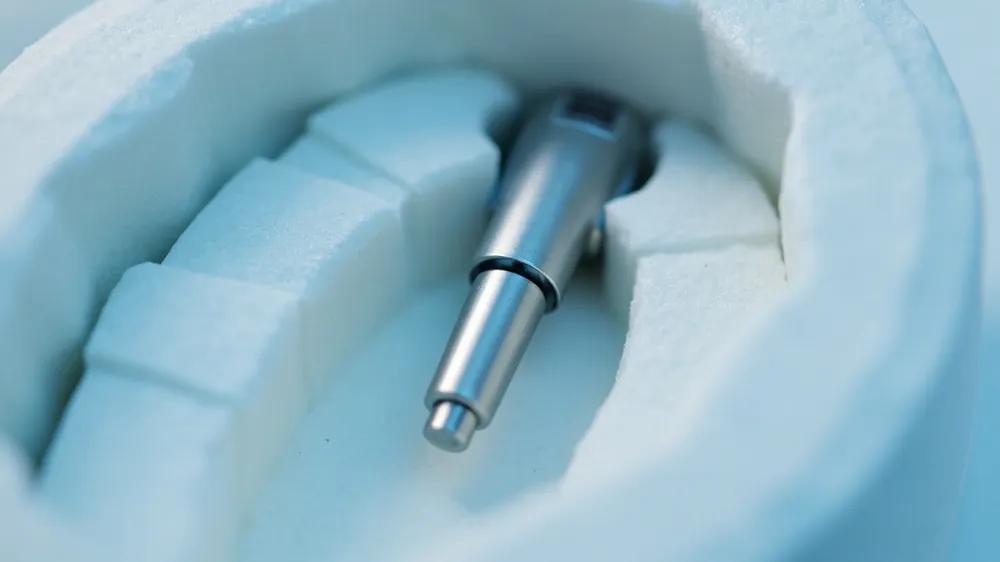
Cushion: Suspend the Precise Part
Probes, screens and connectors should be suspended, the cavity touching only rigid features. Method in drone case foam insert design (suspension idea); process in EVA thermoformed liner. Liner recuttable, see foam relining.
Cable Management
Medical cables are many and costly. The case should:
- Separate channel: not pressed against the main unit.
- Cable clips: fixed, no tangle.
- Length slack: no hard bend that breaks wire.
Same as instrument transit, see laboratory sample transport cases.
Clean and Disinfectable
Medical settings need a cleanable box. Watch:
- Shell: smooth, wipeable, tolerant of common disinfectants.
- Liner: wipeable or replaceable, see recut.
- No dead corners: cavities do not trap dirt.
- Material compliance: see RoHS/REACH.
Transport Compliance
Devices with cells (portable ultrasound) meet transport rules; the UN38.3 logic in drone battery case; cross-border documents in HS code and export documents; vibration in transport vibration testing.
Field Habits
- Open clean: on a clean bench, keep gasket free of dirt.
- Restock: route cables, return to place, colour management in colour visual management.
- Clean: wipe after transit, disinfect if needed.
- Record: which device, which case, for traceability.
Customisation Checklist
| Element | State | If missed |
|---|---|---|
| Device list | Size, fragile point, cables | Liner unfit |
| Clean need | Disinfectant, wipeable | Fails medical |
| Transport | Cell inside? | Compliance gap |
| Cert | RoHS / REACH | Export block |
For requirements and negotiation see how to write a case RFQ and how to negotiate case price; for outgoing check see pre-shipment inspection cases.
Pitfall List
First, ordinary foam — precise parts need suspension. Second, no cable channel — wire breaks. Third, shell not disinfectant-safe — fails medical. Fourth, recycled — see virgin vs recycled. Fifth, no cert — export block. Sixth, not cleaned — cross-contamination.
In Summary
The medical transport case key is "cushion, cable, clean": a suspended contoured cavity protects the precise part, a separate cable channel protects costly wires, and a smooth disinfectant-tolerant shell meets cleanliness. To start, write device list (fragile points and cables), clean requirement, cell-or-not and RoHS/REACH as clauses, then ask the supplier for material and test evidence. With habits of "open on clean bench, route cables, clean after transit, trace the device", instruments stay accurate through many moves. For cushion and cable detail cross-read drone case foam insert design and laboratory sample transport cases.
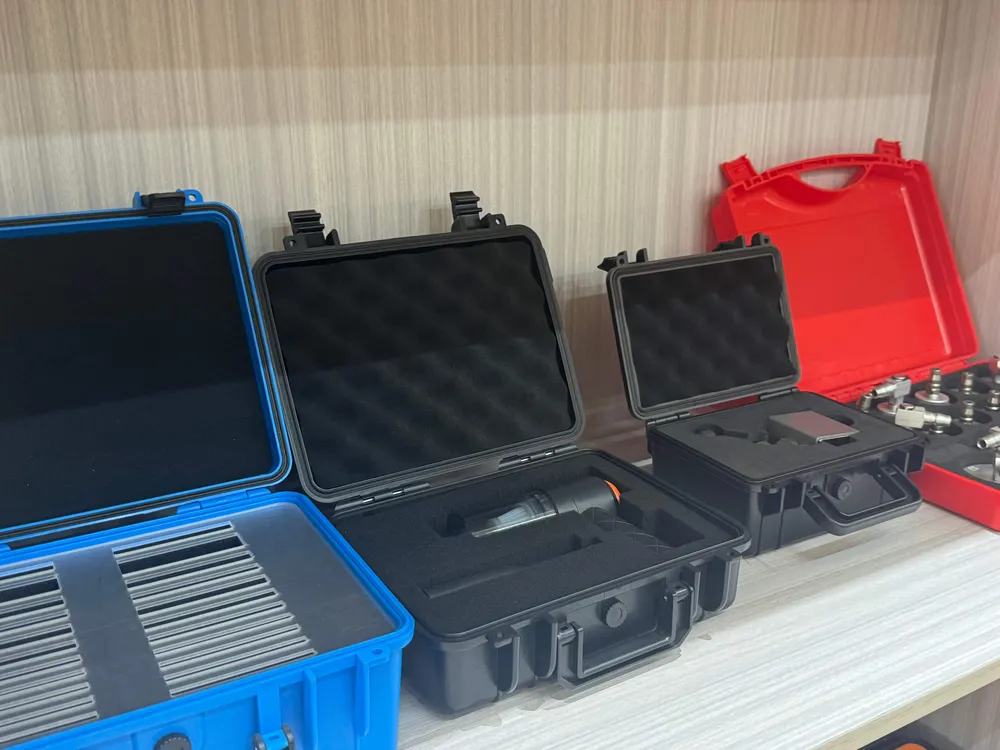
For specific device liners see drone case foam insert design; for material compliance see RoHS/REACH compliance.