

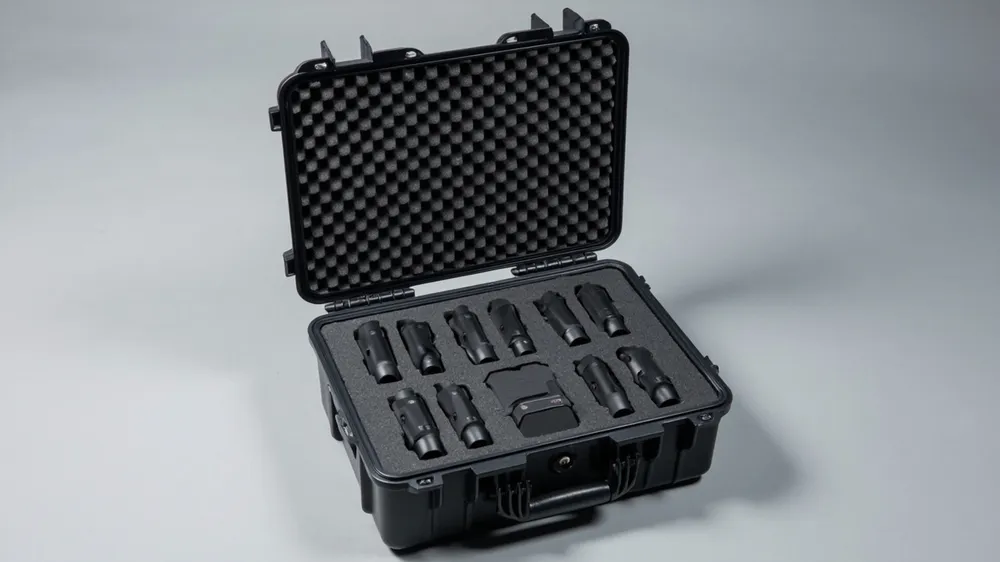
Many pilots drop batteries into a backpack or the thin original pouch until a drop, a hot car cabin or an airport security stop reveals that the container holding the batteries is itself part of the safety chain. Drone LiPo packs are energy dense: they power flights reliably but fear three things — crush or puncture, short circuit, and heating past a threshold. A proper drone battery case has to manage all three and also satisfy transport rules. This guide covers cavity design, thermal and electrical isolation, labelling and the compliance details that keep a battery kit safe from bench to baggage.
Why a Battery Case Is Not a Ordinary Organiser
A normal organiser only cares about fitting and retrieving. A battery case adds a layer of responsibility: it holds a potential hazard. A punctured or severely crushed LiPo cell can go into thermal runaway, which can cascade to neighbouring cells. So the design logic runs opposite to a tool case — instead of compactness, a battery case needs isolation: cell from cell, cell from metal, cell from shell.
Also, batteries are weight-dense. Unsecured, they slide and collide during transit, damaging both the cell and the case. The interior must locate each battery independently and hold the whole set in place, rather than carving one trough where packs touch.
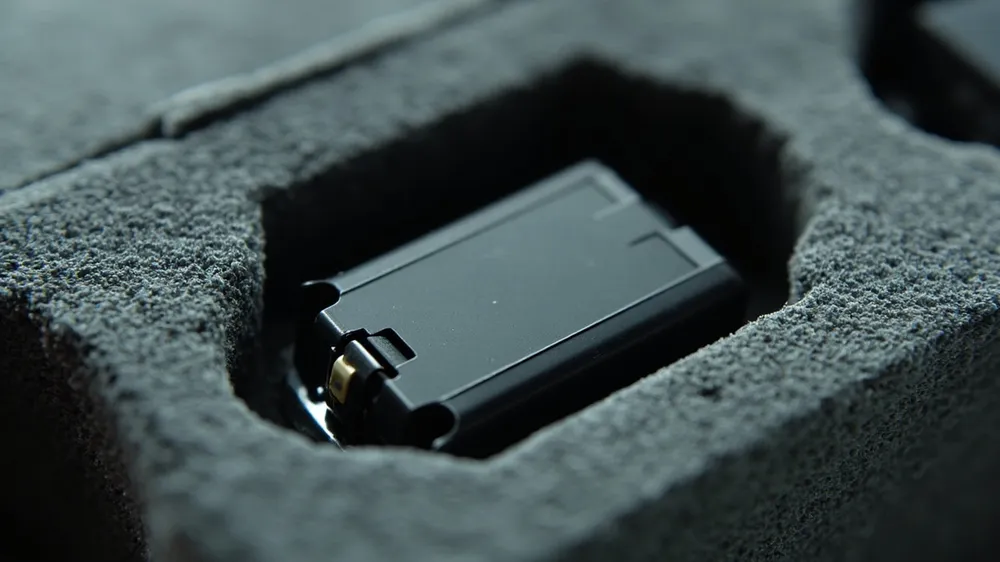
Four Core Risks a Battery Case Must Address
| Risk | Trigger | What the case should do |
|---|---|---|
| Mechanical impact / puncture | Drop, handling knocks, load on top | Independent wrap cavities, rigid impact shell, clearance buffer in walls |
| Short circuit | Terminals touch keys / tools / other terminals | Terminals inward or capped, isolation by cavities, no bare metal liner |
| Heat build-up | Hot car, sun exposure, long sealed storage | Avoid full sealed insulation, allow venting, heat-rated material, no heat source nearby |
| Transport compliance | Air / road with lithium cells | Meet UN38.3 and marking rules, controlled count and watt-hour per box |
Of these, the first three are solved by structure, the fourth by paperwork and quantity control. A case with structure but no compliance can still be stopped at check-in; a case with labels but no isolation still fails on impact. You need both.
Cavity Design: One Bay Per Battery
The liner should not be one block of foam with a row of slots. The correct approach is a contoured cavity per battery so each one:
- Is laterally restrained: no sliding, no collision with neighbours in transit.
- Has protected terminals: the cavity leaves terminals floating or facing inward, away from any conductor.
- Is retrievable one-handed: a finger notch at the base, no scraping that scratches the cell wrap.
- Is weight-supported: heavier packs get a solid base, not a suspension that rattles.
If the battery comes with a charging hub or multi-port module, give it its own cavity rather than crowding it with cells. Mixed packing breaks the most fragile interface first.
Material Choice: Shell and Liner for Different Jobs
| Part | Recommended | Why |
|---|---|---|
| Shell | PP or modified PP | Light, tough, chemical resistant, low-temperature resilient, good for frequent carry |
| Liner | High-density EVA or PU foam | Good rebound, CNC-carvable, contoured cavities, insulation layer at terminals |
| Terminal protection | Insulating foam cap / silicone plug | Blocks terminal-conductor contact, prevents short |
| Marking | Screen print or in-mould label | Li-ion warning, watt-hour, count for transport checks |
For a more systematic material trade-off, see our drone case material selection PP/ABS/PC; for transparent or extreme-cold shells, see polycarbonate case material and cold-temperature brittleness cases.
Thermal Isolation and Venting: Do Not Suffocate the Cells
A common mistake is building the battery case as a sealed "safe". For Li-ion, long sealing, sun exposure or a hot cabin is itself dangerous. The case should:
- Not actively insulate: unless the route clearly involves sustained heat, do not wrap cells in insulation foam.
- Allow venting: in non-water scenarios keep a vent or pressure valve for heat and pressure balance.
- Avoid heat sources: in transit, keep the case off the exhaust side and out of direct sun; park in shade.
If the job needs water resistance (coast, rainy season), see drone case IP67 waterproof, but distinguish "water transport" from "daily storage" — do not keep charged cells sealed long term.
Electrical Isolation: Short Prevention First
Short circuits happen in the most trivial places: terminals touching a key, a screwdriver, or another pack's exposed terminals. Electrical isolation in the case includes:
- Consistent terminal orientation: all terminals face the same way and away from the opening, lowering accidental contact.
- Insulating caps: each battery gets a foam or silicone terminal cap; closing the lid isolates them.
- No bare metal liner: liner and walls expose no metal that could bridge conductors.
- Partitioned bays: solid foam walls between cells prevent both impact and terminal contact.
This differs from a tool case — tools can touch metal, batteries must not. For hardware selection that avoids accidental contact, see hinge and latch durability design.
Storage Logic for Multi-Battery Systems
Industrial drones often rotate several packs. The case should support "grab and go, rotate without mixing".
| Need | Design response | Benefit |
|---|---|---|
| Fast rotation | Numbered bays 1–N, uniform finger notch | Locate by feel, shorter pre-flight time |
| State awareness | Label slot for charge / cycle | Use older or lower cells first, balance wear |
| Accessories together | Small cavity for caps, straps | Nothing lost, grab on demand |
| Capacity growth | Two-layer or slide-out liner | More cells in the same footprint |
For liner precision that holds over time, see drone case foam insert design and EVA thermoformed liner process.
Transport Compliance: UN38.3 and Marking
Transport of LiPo cells is governed by international and local rules; the core is that cells pass UN38.3 and the packing meets isolation and marking requirements. The case, as packing, supports this by:
- Watt-hour ceiling: per-cell Wh decides the transport class; the case should state Wh and count.
- Li-ion warning label: outer box carries the lithium battery handling mark, noting "carry-on only" or "allowed checked" by mode.
- Insulation and short prevention: each terminal insulated — a hard prerequisite for compliance.
- Documents at hand: carry a UN38.3 report copy and MSDS to speed airport checks.
For air carry details see drone case airline travel and TSA lock and airline travel cases; for cross-border documents see HS code and export documents.
Airport and Daily Carry in Practice
Before departure, remove batteries from the airframe and place them in the battery case; at security, present the case and labels proactively; prefer cabin baggage over the uncontrolled hold. For daily storage, reverse it: do not seal charged cells in a closed case long term, keep them at storage charge (about 40%–60%), in a cool dry place, cycled regularly.
These steps look trivial but they are what turn a hazard into managed equipment. No matter how rigid the case, it cannot replace correct habits.
Custom Battery Case Specification Checklist
When briefing a factory, put the following in the spec to cut sampling rounds:
| Element | State clearly | Often missed |
|---|---|---|
| Battery model | Dimensions, weight, Wh, terminal position | Only "drone battery", no parameters |
| Count | How many at once, with hub? | No rotation need stated |
| Isolation | Terminal cap method, partition wall thickness | Short prevention omitted |
| Environment | Water exposure? temperature range? | Sealing vs venting unbalanced |
| Compliance | Target transport mode, marking needs | UN38.3 and labels dropped |
For writing the spec generally, see how to write a case RFQ; for pricing and total cost see total cost of ownership.
Common Mistakes and Pitfalls
First, using a thin pouch instead of a case — no impact resistance, no isolation, dangerous on drop. Second, bare terminals mixed together — the main reason for being stopped and for shorts. Third, sealed long-term storage — cells need air, a closed case accelerates ageing. Fourth, ignoring Wh and labels — compliance is not formality, it is a pass. Fifth, liner downgrade — lower foam density lets cells slide, equal to no isolation.
In Summary
A drone battery case is fundamentally a safety storage system: structurally, each cell independently located, terminals insulated, the set immobile; in materials, a tough shell, a resilient liner, insulated terminals; in use, removed before flight, carried cabin, stored half-charged and vented; in compliance, Wh marked, UN38.3 at hand, lithium labels clear. Do all four and the battery moves from hazard to ready power. To start, compile the real dimensions, Wh and count of your cells into one sheet for the factory, then state isolation method and target transport mode in the spec — get this right and the first sample is close to production standard.
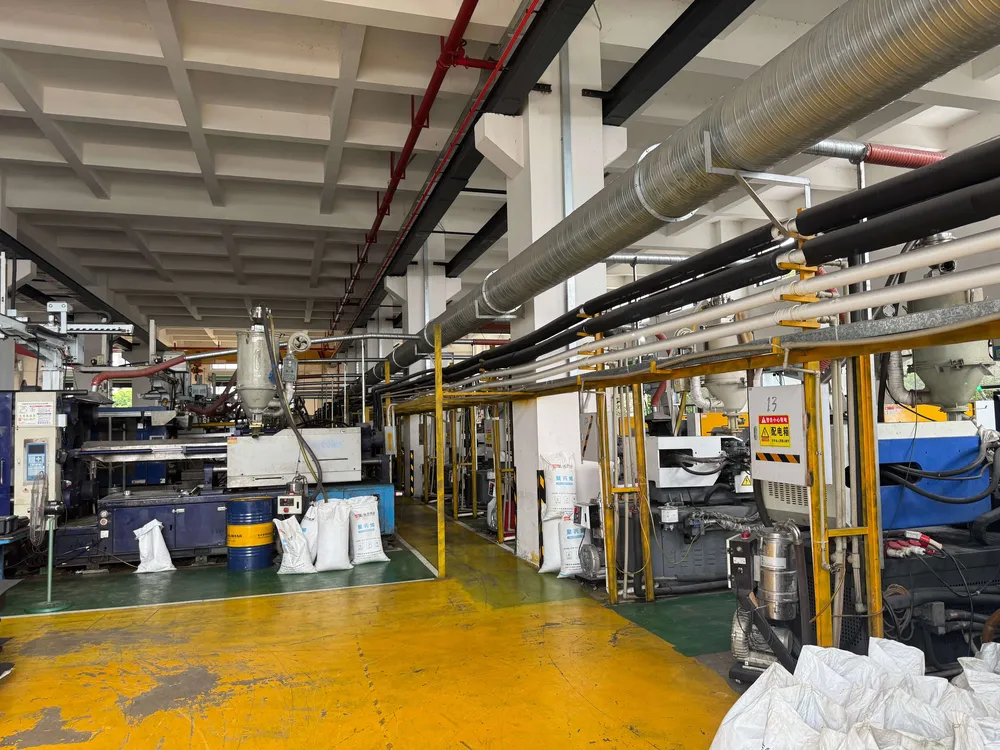
For cell-and-airframe co-storage, cross-read drone case foam insert design and consumer vs commercial drone cases; to evaluate a factory, see drone case manufacturing factory.