

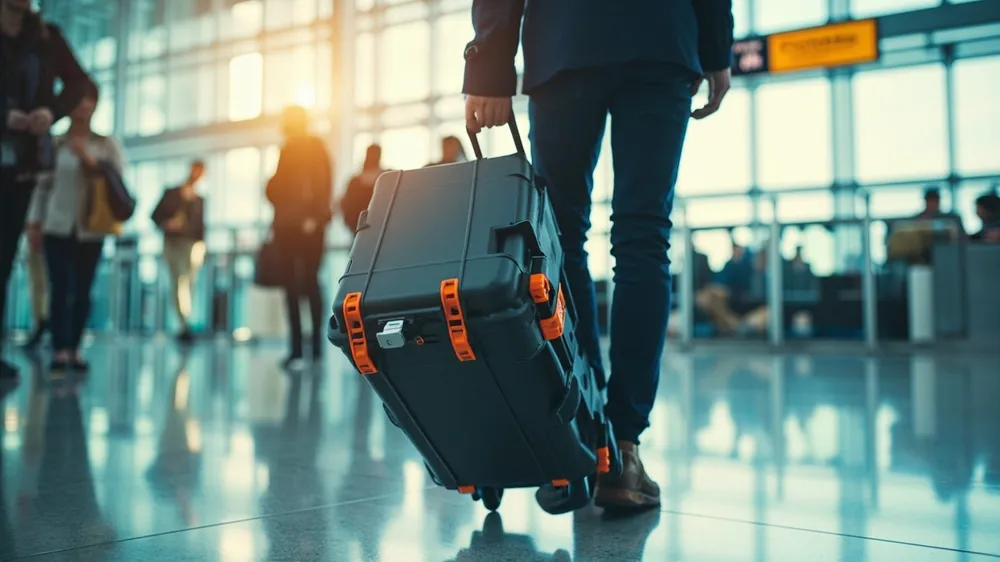
Flying with a drone, the thing that gets stopped is rarely the case — it is the battery. Lithium battery air rules are strict, and the case's role is to keep the kit organised, protected and quickly inspectable. Many buy an expensive case yet get stopped at check-in because batteries were mispacked or unmarked. This guide covers carry-on versus checked, how to carry batteries, and what the case should feature, so you avoid the common stops.
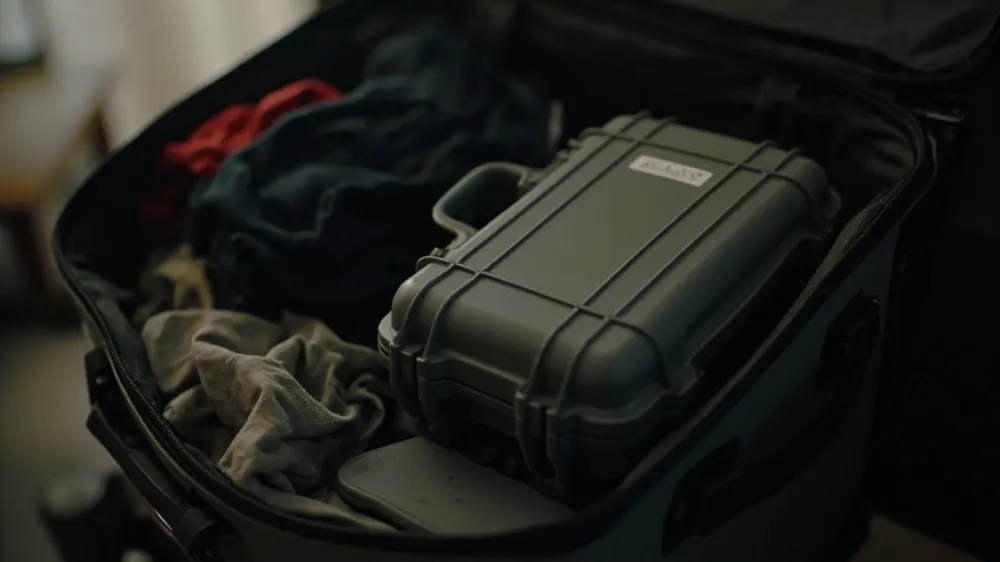
Carry-On or Checked: It Depends on the Battery
The big principle: carry lithium batteries on board, do not check them. A cargo-hold fire is hard to reach; the cabin is watched. So what decides whether your case goes cabin or hold is not the case but whether it holds batteries.
| Method | Use | Note |
|---|---|---|
| Aircraft + case, carry-on | No or small battery | Safest, fast check |
| Batteries, carry-on | All lithium | Mandatory, never checked |
| Empty case, checked | Shell only | Allowed, but heavy |
Battery Transport Rules (The Key Trap)
Most consumer and industry drones use Li-Po or 18650 cells, governed by lithium air transport rules:
- Rated energy: typically under 100Wh needs no declaration; 100–160Wh needs airline approval; above 160Wh banned from carry-on (per airline and destination).
- Quantity limits: spare batteries per passenger are limited and must be individually insulated (original pack or terminal tape).
- Short-circuit prevention: terminals must not touch metal; use original box or insulated bag.
- No checked spares: spare batteries always carry-on.
Industry kits with several large batteries most easily exceed limits — check the specific airline and transit points, not from experience.
The Case's Role in Checked Baggage
If you check the empty shell (batteries carry-on), the case meets cargo crush, stacking and rough handling. It then needs a rigid shell, reliable latches and foam that holds the airframe still. See material selection.
If you carry the whole kit (batteries in the carry-on), the case should be light, fast-opening and inspectable; weight and access beat extreme protection.
TSA Locks and Inspection
To or via the US, checked bags may be opened by TSA. A TSA-approved lock lets customs open with a master key instead of cutting it. Even off-US routes, a TSA lock spares the lock from being destroyed at any inspection. Keep the interior zoned and the aircraft visible so inspection is quick. See TSA locks.
International Differences
Countries differ on drones themselves: some restrict import, some require registration or declaration. The case cannot clear you, but keeping invoice, registration and purpose note with the kit speeds customs. Check both drone and battery rules for the destination.
Loss Prevention and Tracking
- Label the case exterior with contact info and destination (not full home address).
- Place an AirTag-class tracker inside (note its battery is also lithium, carry-on).
- Carry valuable payloads separately; case holds only shell and accessories to cut loss.
Packing and Cushioning
| Item | Action |
|---|---|
| Battery | Insulated bag, separate bay |
| Props | Refit or fix, not loose |
| Gimbal | Guard on, cavity suspended |
| Docs | Invoice/registration with kit |
See foam insert design.
Customs Documents
Carrying several units or for commercial use may be treated as cargo, needing declaration and documents. Case classification detail is in HS codes; bulk shipping touches Incoterms. Personal travel as "own baggage" with purchase proof is usually enough.
Summary
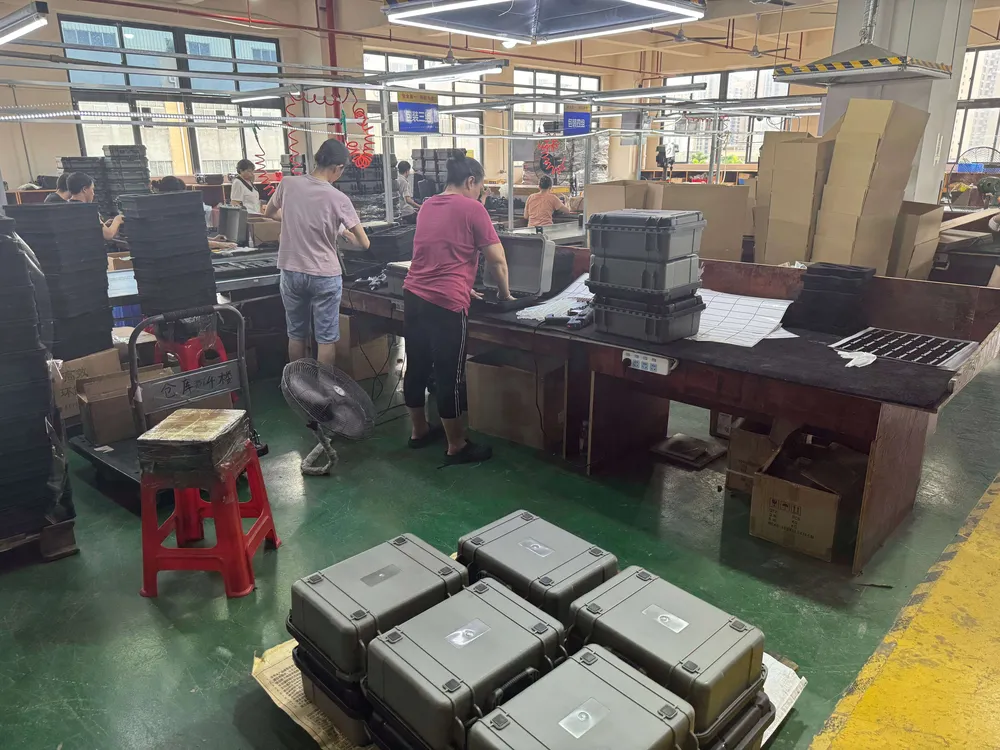
Flying with a drone case: batteries carry-on, individually insulated, check the specific airline. The case keeps the kit organised, inspectable, protected and accessible. Master the battery rules and zone the case, and your drone flies up and lands safe. Do not let a pricey case fall at the most basic battery compliance.
For locks see TSA lock guide; for rating see waterproofing.