

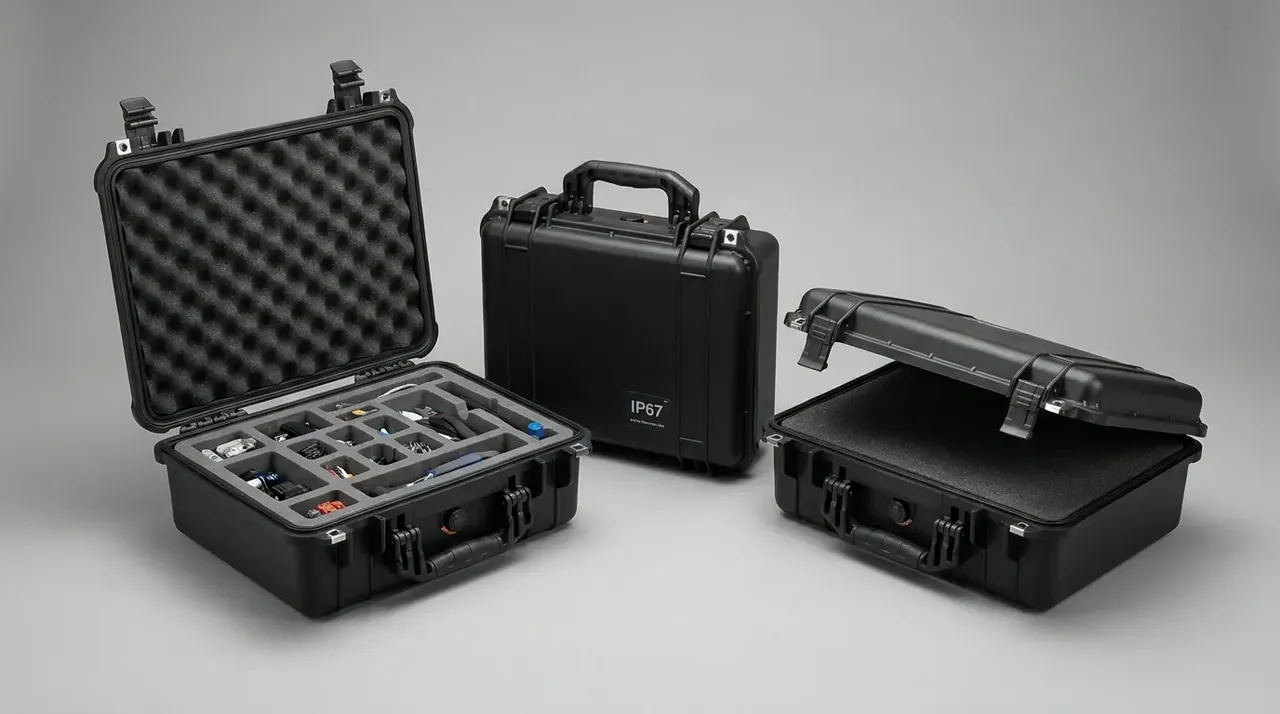
Quick answer: Case vmi leaves stock on the supplier's books until you draw it down, consignment moves title at goods-in, so 600 identical cases sit in different accounts.
Table of contents
- Ownership is where the two models split
- Two water levels and the 48 h trigger
- Reconciliation and payment
- Who pays 3.5 CNY/m³/day of rent
- Three discrepancy bands and the buyback
- FAQ
1. Ownership is where the two models split
The same 600 cases stand on the same floor, yet two contracts book them in two places. Under case vmi the pallets stay in the supplier's inventory account while the buyer draws daily and settles monthly. Under consignment title passes at goods-in, and payment falls due 60 days after the draw.
The difference lands on the write-down first. A landed price of 74.5 CNY makes 600 pieces worth 44,700 CNY, and an 8% market drop is 3,576 CNY that the supplier absorbs in one model and the buyer absorbs in the other. Procurement has to fold that number back into the unit price.
| Item | Case vmi | Consignment |
|---|---|---|
| Title transfer | On draw-down | At goods-in, or on draw-down if agreed |
| Write-down and scrap | Supplier | Buyer |
| Floor rent at 3.5 CNY/m³/day | Supplier | Buyer |
| Invoicing | Drawn quantity, 30-day terms | Received quantity, 60-day terms |
| Contract exit | Buyback is triggered | Buyer keeps the remainder |
Buyers favour case vmi for the cash rather than the price: 44,700 CNY stays off the balance sheet and the floor area does not grow. Suppliers accept it because a 12-month schedule lock and a 48 h replenishment rhythm beat holding stock themselves.
That works both ways. A buyer drawing 300 cases a month leaves three months of value in the supplier's warehouse, which returns as a 4% to 6% rise in year two.
2. Two water levels and the 48 h trigger
Two numbers carry the arrangement: a ceiling of 600 cases and a trigger at 200. The ceiling is 25 pallets at 24 cases each, about 28% of an 180 m³ store; the trigger is 8 pallets, ten days at a 20-case daily draw.
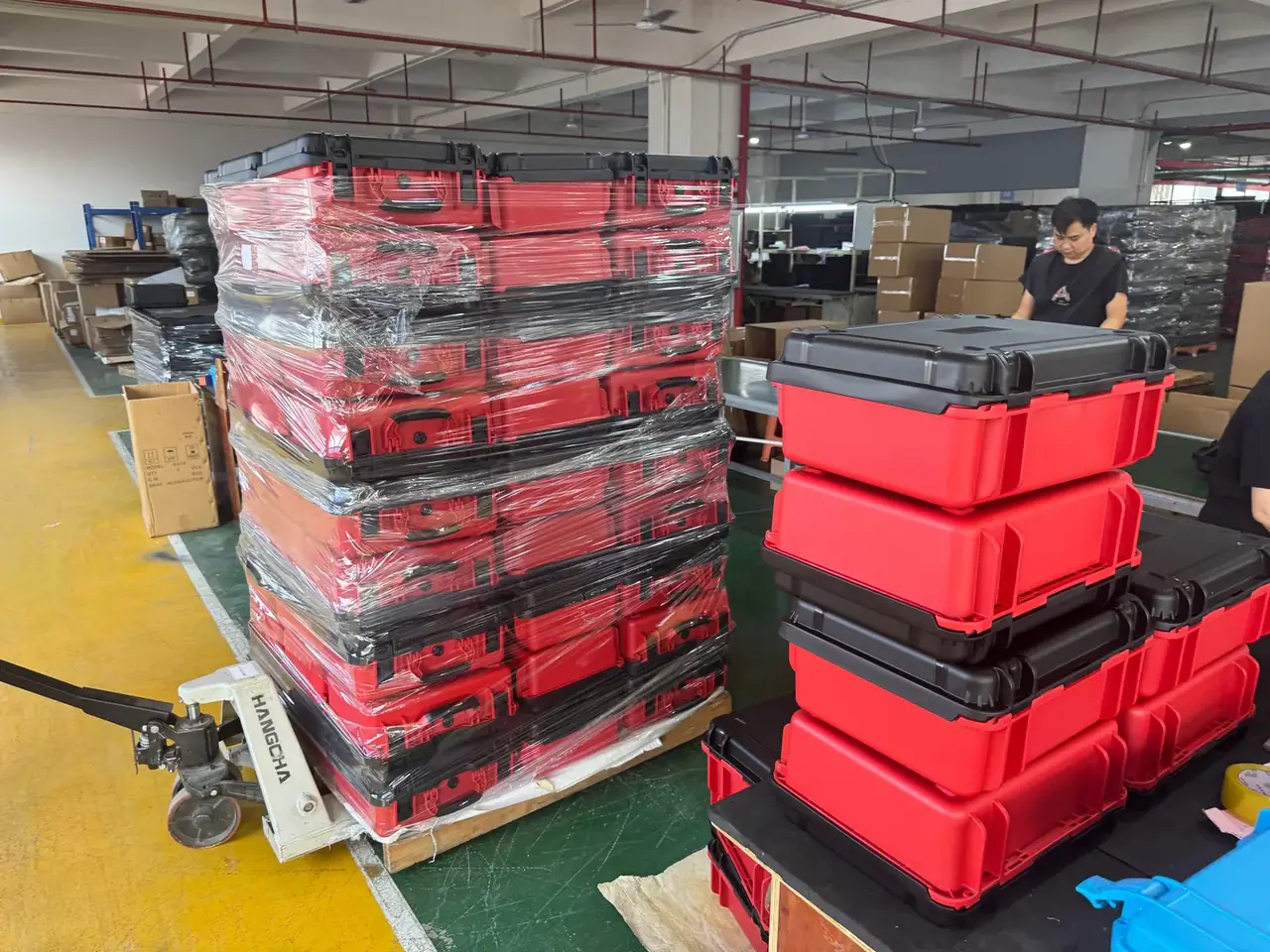
A trigger is not an order. The supplier schedules once the kanban card drops below 200, and the 48 h clock runs to your dock rather than to dispatch; a contract that says dispatch hands the supplier a defence the first time a truck is late.
| Parameter | Value | Set by | Penalty |
|---|---|---|---|
| Ceiling | 600 cases, 25 pallets | Buyer's store capacity | Buyer pays rent above it |
| Trigger | 200 cases, 8 pallets | Calibrated together | 0.5% of invoice per stockout day |
| Replenishment | 48 h to dock | Supplier commitment | 200 CNY per late 24 h |
The 48 h promise lives at scheduling. The shell runs a dedicated colour, a colour change costs 4 h of cleaning, so the supplier keeps 200 finished pieces as a buffer or the trigger waits for the next shift.
A bigger ceiling is not free. Every extra 100 cases adds 8.4 m³, which is 29.4 CNY a day at 3.5 CNY/m³/day and 10,731 CNY a year, and that money returns to the unit price.
3. Reconciliation and payment
The count on the third of each month covers four columns: opening, received, drawn, balance. The ledger and the physical count are produced separately, with a 0.5% tolerance, or 3 pieces out of 600. Anything beyond that goes to the discrepancy process.
Payment terms follow title. Case vmi invoices the drawn quantity on 30-day terms; consignment can invoice the received quantity on 60 days. That gap is 111,750 CNY of working capital at 1,500 cases a month and 74.5 CNY a unit.
Invoicing the wrong basis is the usual rework. In a month that received 400 cases and drew 320, billing receipts charges the buyer for 80 cases, 80 times 74.5 equals 5,960 CNY, and next month's credit note leaves a red entry.
Two signatures belong on the statement, one for quantity and one for value. The ledgers must also share one material code, because once the draw note and the dispatch note fork, 600 cases become two balances nobody can reconcile.
4. Who pays 3.5 CNY/m³/day of rent
Rent is charged by volume, not by piece. At 0.084 m³ each, 600 cases take 50.4 m³, which is 176.4 CNY a day at 3.5 CNY/m³/day, 5,292 CNY a month and 63,504 CNY a year. Spread over 1,500 cases drawn monthly that is 3.53 CNY a unit, or 4.7% of the 74.5 CNY price.
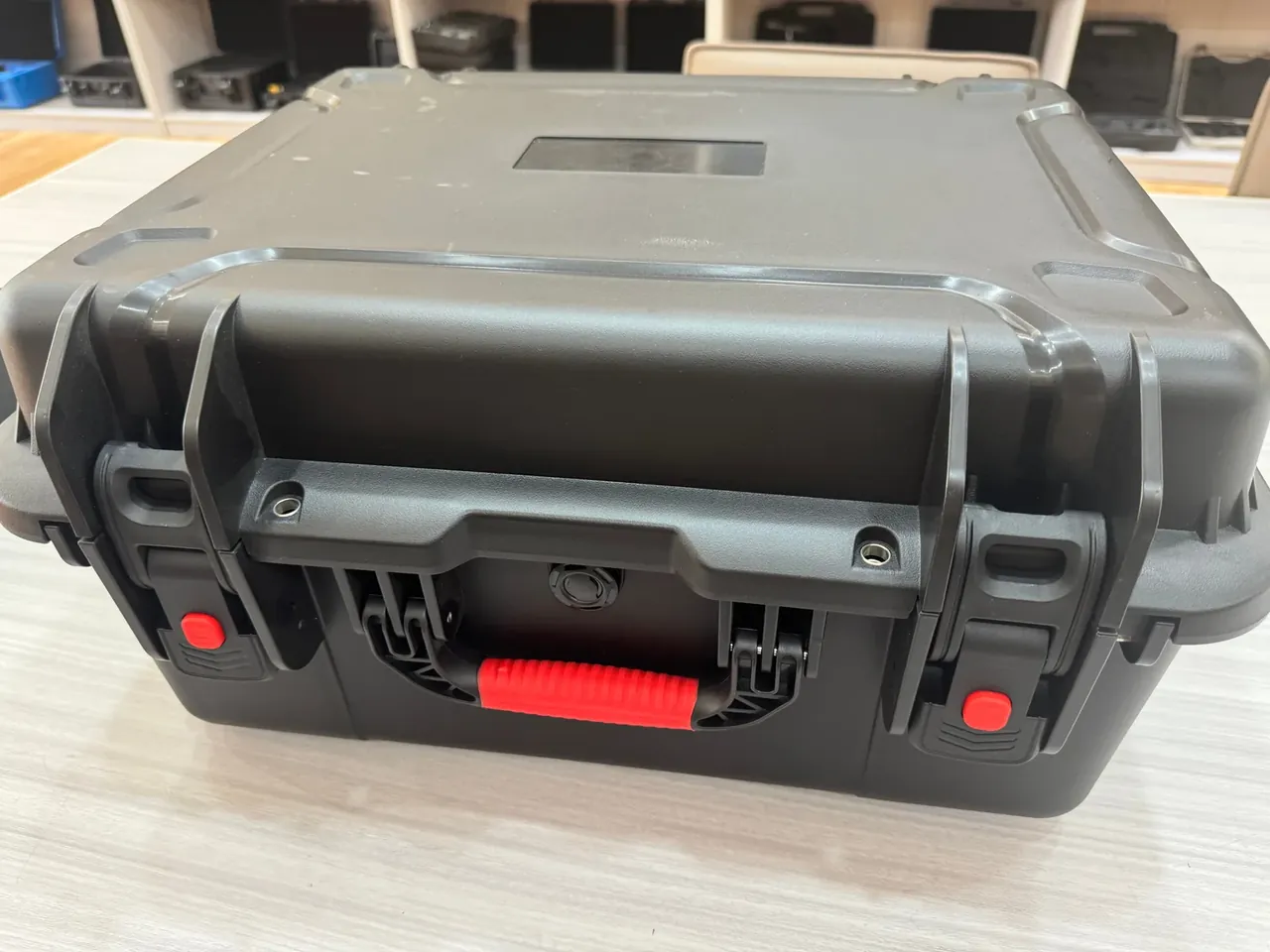
Whoever pays sets the ceiling. In case vmi the supplier pays, so it holds the ceiling at 600 and bills extra pallets at 3.5 CNY/m³/day; in consignment the buyer pays and can trade that 3.53 CNY a unit for a price cut instead.
Pre-season uplifts are normal. Lifting the ceiling from 600 to 750 adds 12.6 m³, or 1,323 CNY over 30 days, carried by whoever asks for it in a written supplement.
The clause needs three items: rate, measured volume and settlement cycle. Volume is measured on the outer envelope, not usable capacity, and the two differ by about 22%.
5. Three discrepancy bands and the buyback
Discrepancies are sorted by size, not by cause. Within 0.5%, or 3 pieces out of 600, the gap is written off as normal loss. Between 0.5% and 2%, 4 to 12 pieces, it is compensated at 74.5 CNY a unit and deducted from the next settlement. Above 2%, 13 pieces or more, replenishment stops and both sides walk the floor within 5 working days.
The walk is about process, not blame. Aligning the three-copy draw note, the scan log and the camera window usually pinpoints a missed scan within 2 h; failing that, the contract split applies at 7:3.
The exit clause deserves an earlier conversation than the price. Remaining stock is bought back at 90% of the lowest price of the last three months, packaging intact at 95%, settled within 45 days, with foam and printed panels excluded at about 18% of value.
Give 90 days of notice, because under 60 the supplier cannot clear work in progress. Repacking costs about 2.2 CNY a case and re-inspection 1.8 CNY, so 4 CNY of the 90% is real cost and the rest is room to negotiate.
Conclusion
Case vmi and consignment come down to five clauses in the annex: the title transfer point, the 200 and 600 case water levels, the 48 h replenishment, the payment terms and who carries 3.5 CNY/m³/day of rent. Title comes first because it decides whose balance sheet takes the write-down. Water levels come second: a 600-case ceiling with a 200-case trigger on a 48 h dock promise holds 28% of an 180 m³ store while keeping eight days of cover. Payment basis comes third, since drawn against received is 111,750 CNY a month apart. Rent comes fourth at 63,504 CNY a year, and the payer sets the ceiling. Exit comes last, where 90% buyback with 45-day settlement turns downtime risk into a budgetable number. Align all five before haggling over unit price.
| Clause | Case vmi | Consignment | What to argue |
|---|---|---|---|
| Title | On draw-down | At goods-in | Decides write-down owner |
| Water level | 600 ceiling, 200 trigger | No stock obligation | Payer of rent sets the ceiling |
| Replenishment | 48 h to dock | Built to order | Write arrival, not dispatch |
| Terms | Drawn, 30 days | Received, 60 days | One month of cash |
| Rent | Supplier | Buyer | Trade 3.53 CNY a unit for it |
| Exit | 90% buyback | Buyer absorbs | Foam and print excluded |
This article discusses container-side specifications and design implications only, and does not cover any handling, loading or use of the contents.
Related Reading
- Case inventory and safety stock levels
- Case warehouse storage rules
- How case warehouse storage works
- Buying case warehouse storage
Related Products
- 8 Series — Gun Cases; Military Equipment Cases; Camera Equipment Cases; Drone Cases; Watch Cases; Knife Cases; First Aid Cases; Electronics Equipment Cases
- WL8-2812 PP Gun Case — model WL8-2812
- All protective cases and toolboxes: 7 series, 158 models