

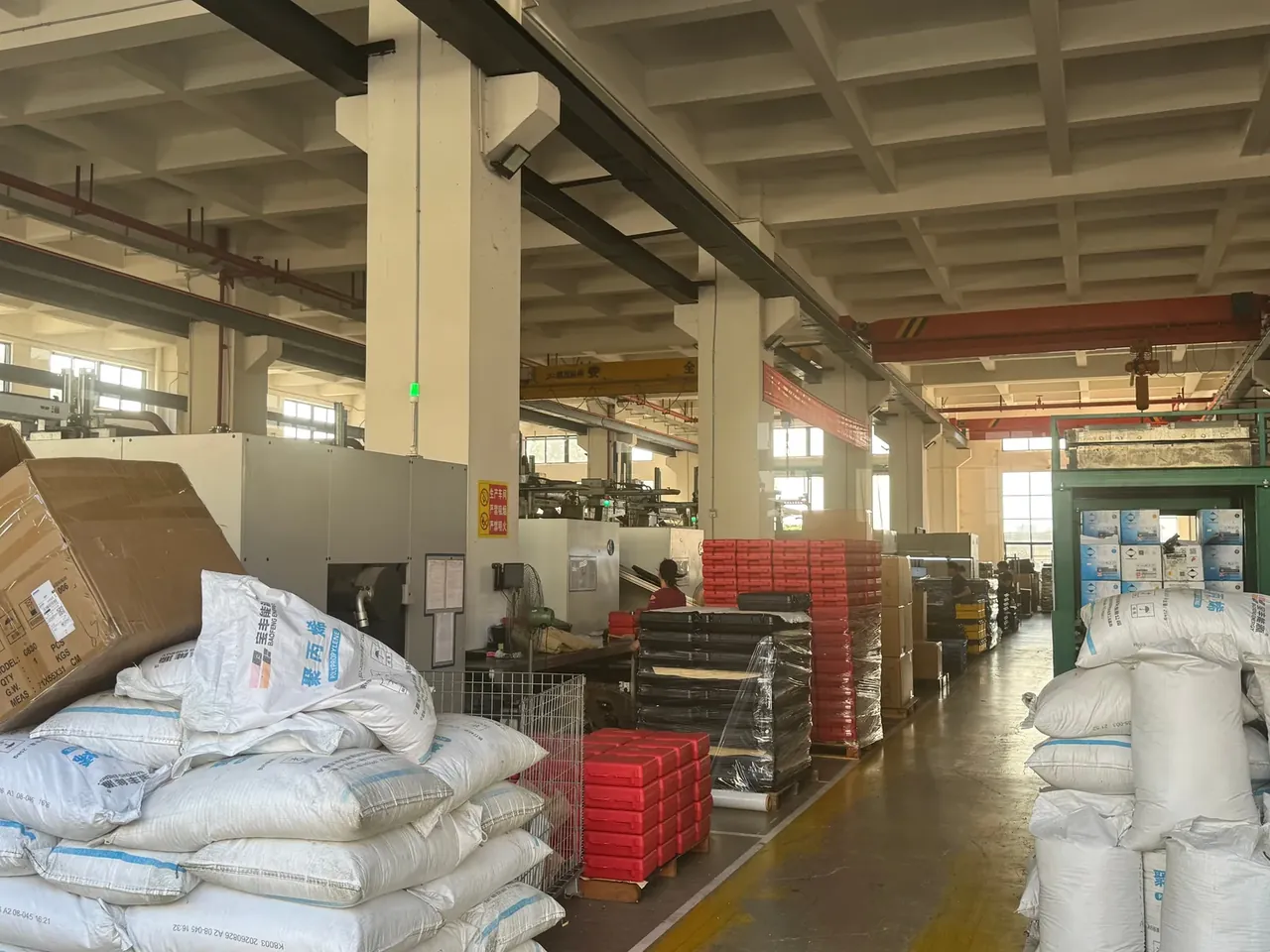
Quick answer: Volume pricing rests on three linked terms: four quantity tiers, a 70% committed annual volume, and an 8% raw-material index trigger.
Table of contents
- What a Volume Contract Pins Down
- Building the Tier Table
- Committed Volume and the Price of Missing It
- The Index Trigger
- Rebates, Terms and the Year-End Reconcile
- FAQ
1. What a Volume Contract Pins Down
A twelve-month framework fixes a conversion rule, not a price. Where the drawdown lands decides which cell of the table applies, and the rest of the document exists to stop that cell being argued later.
Buyers repeat one mistake. They treat the tier sheet as an appendix to a quotation, sign it, and find months later that the committed volume, the index window and the rebate were written independently. Move one and the other two come back to the table.
Three patterns are common. A plain ladder pays as you go. A floor-plus-ladder adds a promise, usually 70% of the nominated band in exchange for the band below. An index-linked ladder lets the unit price follow a published resin series and move one to four times a year.
Each fights about something different: a crossing date, proof of a shortfall, or which series to quote. Judge the choice on three tests. Can demand be forecast inside ±15%? Does resin swing more than 10% in a year? Does the supplier reserve a dedicated line? Pass all three and the index version wins; fail any one and the plain ladder is cleaner.
2. Building the Tier Table
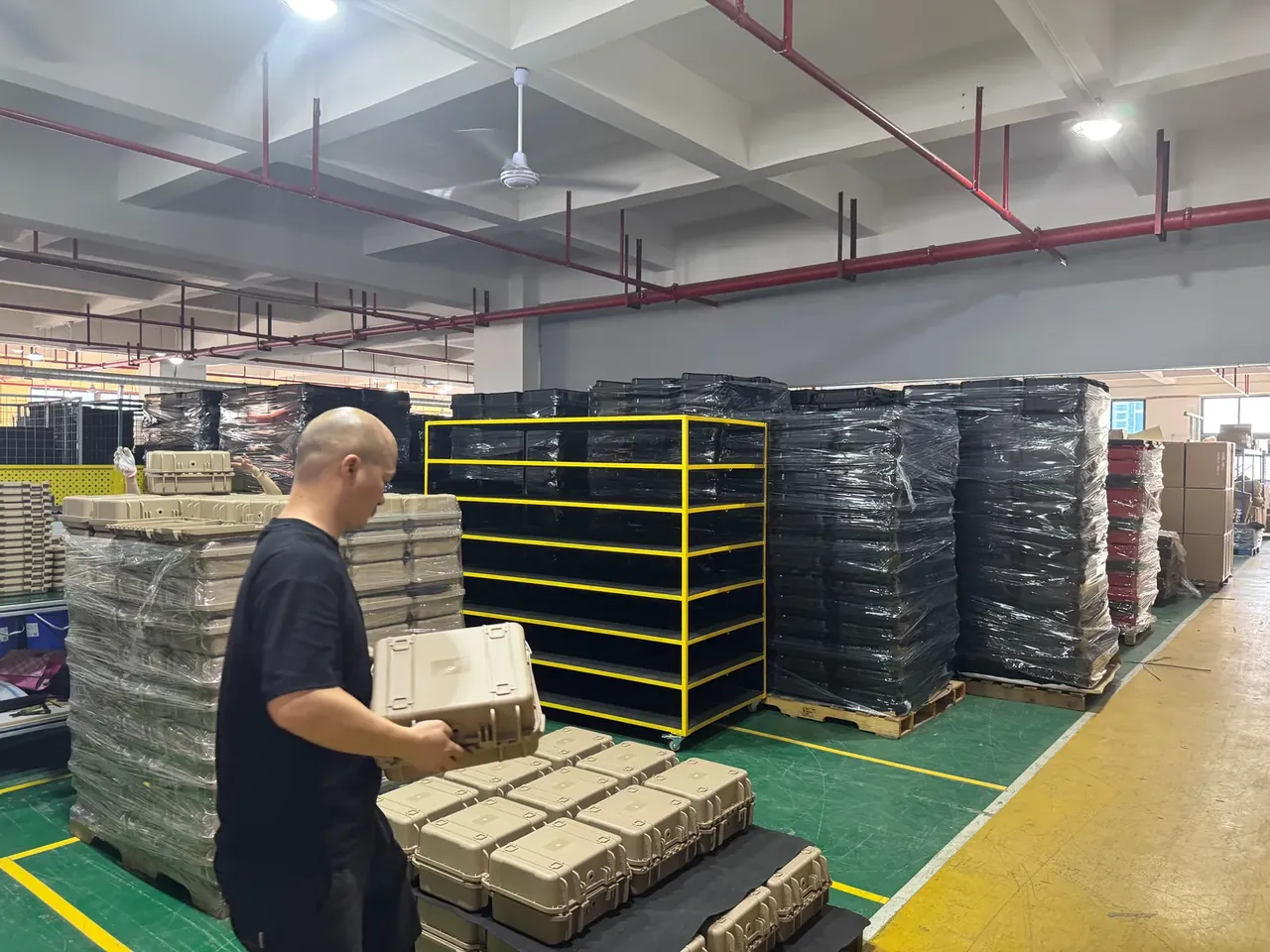
Bands come first, prices second. Four steps at 500, 2000, 5000 and 10000 units cover everything from a project fit-out to an annual brand framework, and the gaps narrow rather than staying flat.
| Annual drawdown | Index against base | Discount from previous step | Typical run size | Changeover hours per unit |
|---|---|---|---|---|
| 500 units | 100 | — | 250 units | 0.014 h |
| 2000 units | 92 | 8% | 600 units | 0.006 h |
| 5000 units | 86.5 | 6% | 1200 units | 0.003 h |
| 10000 units | 82.2 | 5% | 2000 units | 0.002 h |
The first 8% pays for machine starts: a 250-unit run needs two starts, each burning 3.5 hours and about 90 kg of runners, while 600 units need one. The next 6% comes from buying resin by the lot and mixing pallets; by the fourth band only working capital and terms remain, which earns 5 points.
3. Committed Volume and the Price of Missing It
A floor at 70% of the nominated band gives both sides room. The supplier covers the fixed cost of a dedicated line; the buyer keeps 30% of headroom for delayed projects and model changes.
| Year-end position | Units taken | Settlement | Price applied |
|---|---|---|---|
| Half the floor only | 1750 units | 3% shortfall charge | Original band |
| Exactly at the floor | 3500 units | No charge, no rebate | Original band |
| 15% above the floor | 4025 units | Excess at band price | Original band |
| Above 30% over floor | 5200 units | 2% rebate on excess | Next band on request |
Take a case priced at 78 against a nominated band of 5000. The floor is 3500; the buyer takes 2800, leaving 700 units short. At 3% the charge is 700 × 78 × 3% = 1638, deducted from the final payment rather than invoiced.
Retroactive repricing is the alternative: if the drawdown falls into a lower band, shipped orders are recalculated there and the supplier refunds the difference. It favours the buyer, hits supplier cash harder, and is accepted once, claimed within 30 days of expiry. Choose one, not both, or they cancel out.
4. The Index Trigger
A price-adjustment clause needs four answers: which series, which base month, which deviation, and when a change takes effect. Leave one blank and the year ends with two screenshots of two indices.
| Deviation from base | Review triggered | Handling | Cap per adjustment |
|---|---|---|---|
| Below -20% | Yes | Immediate renegotiation | 5% |
| -20% to -8% | Yes | Cut at next quarterly window | 5% |
| -8% to +8% | No | Price unchanged | 0 |
| +8% to +15% | Yes | Rise at next quarterly window | 5% |
| Above +15% | Yes | Ad hoc meeting, may split into 2 steps | 8% |
The base is the published monthly average for injection-grade homopolymer polypropylene, referenced to the month the contract starts. One month's spike does not count; the trigger needs two consecutive averages more than 8% from base.
Pass-through is written at half rate: a 10% index rise moves price 5%. From 7800 per tonne to 8600 is 10.3%, half of that is 5.15%, the 5% cap applies, and 78 becomes 81.9.
Symmetry matters more than the figures. A clause that only moves up is easy to sign and impossible to defend once the index falls. One window a year is typical, and each forces a re-check of the base average and which in-transit orders carry the new figure.
5. Rebates, Terms and the Year-End Reconcile
A volume rebate patches the table: anything above 30% over the floor earns 2%, settled once at year end against goods, without touching the tier discount.
Tying terms to price by 0.5% turns working capital into a number: against 60 days, 30 days or cash earns 0.5%, 90 days adds 0.5%, so 78 becomes 77.61 or 78.39.
Three figures must agree at the reconcile: units taken, rebate earned, shortfall charged. All three come from one shipment record dated at dispatch, not invoice, or the batch crossing New Year is counted twice or not at all. Rebuild the table each year; resin, tooling and line load will have moved, and carrying the old sheet over is a discount by default.
Conclusion
Volume pricing is judged after the last shipment, not on signature day, and the test is whether the arithmetic holds when a band is missed or the index moves. Four tiers put batch size into the unit price, a 70% floor puts forecast error into a settlement, an 8% trigger puts resin movement into a quarterly window. Written into one document with the 12-month term, volume pricing holds quantity and price together.
This article covers case-side specifications only and does not address any handling, loading or use of the contents.
Related Reading
- Which terms are worth trading in a price talk
- How a quotation should be broken down
- Working out total cost of ownership
- Writing an exchange-rate clause into a quote
Related Products
- 8 Series — Gun Cases; Military Equipment Cases; Camera Equipment Cases; Drone Cases; Watch Cases; Knife Cases; First Aid Cases; Electronics Equipment Cases
- WL8-2812 PP Gun Case — model WL8-2812
- All protective cases and toolboxes: 7 series, 158 models