

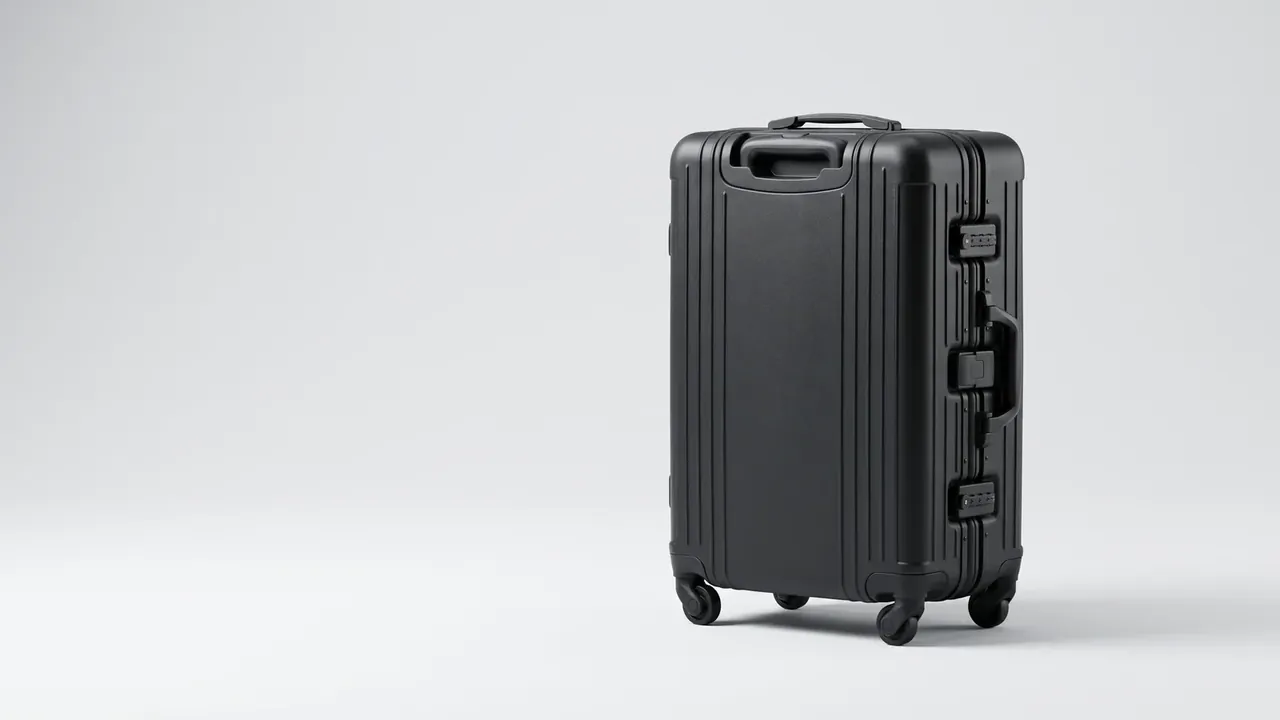
Quick answer: Accepting a waterproof box electrical enclosure means naming clauses, not grades. IEC 60529 clause 14 fixes how IP tests run, MIL-STD-810H 506.6 and 512.6 fix rain and immersion, and latch torque, decay and salt hours belong in the agreement.
Table of contents
- Waterproof box electrical acceptance in four layers
- Reproducing the IEC 60529 IP tests on site
- MIL-STD-810H rain versus immersion
- Clamp torque, pressure drop and salt spray hours
- Disposition and re-inspection after a failed lot
- FAQ
1. Waterproof box electrical acceptance in four layers
A 600 mm × 400 mm × 220 mm waterproof box electrical enclosure weighs 8.6 kg empty and passes four gates before it ships.
They are incoming material, first article, patrol and type test. The first three run every batch, the fourth follows a cycle or a tooling change.
| Layer | Object | Clause basis | Record |
|---|---|---|---|
| Incoming | Steel, gasket, latches | Mill certificate, hardness | Incoming sheet |
| First article | First finished unit | Dimensions, welds, opening force | FAIR |
| Patrol | 3 units per 2 hours | Latch force, gasket groove | Patrol log |
| Type test | Sampled units | IEC 60529 clause 14, MIL-STD-810H 506.6 | Type report |
Type testing is destructive. Immersed units never ship, samples come from a separate run, and any change of steel, gasket compound or latch model re-triggers it.
Most orders say "conforms to IP67" and stop. That is a result, not a method, and results get argued. Put the method number into the agreement.
2. Reproducing the IEC 60529 IP tests on site
The second digit of an IP code points to chapter 14 of IEC 60529, mirrored in GB/T 4208-2017. Reading IP66 off a label hands the test conditions to the supplier.
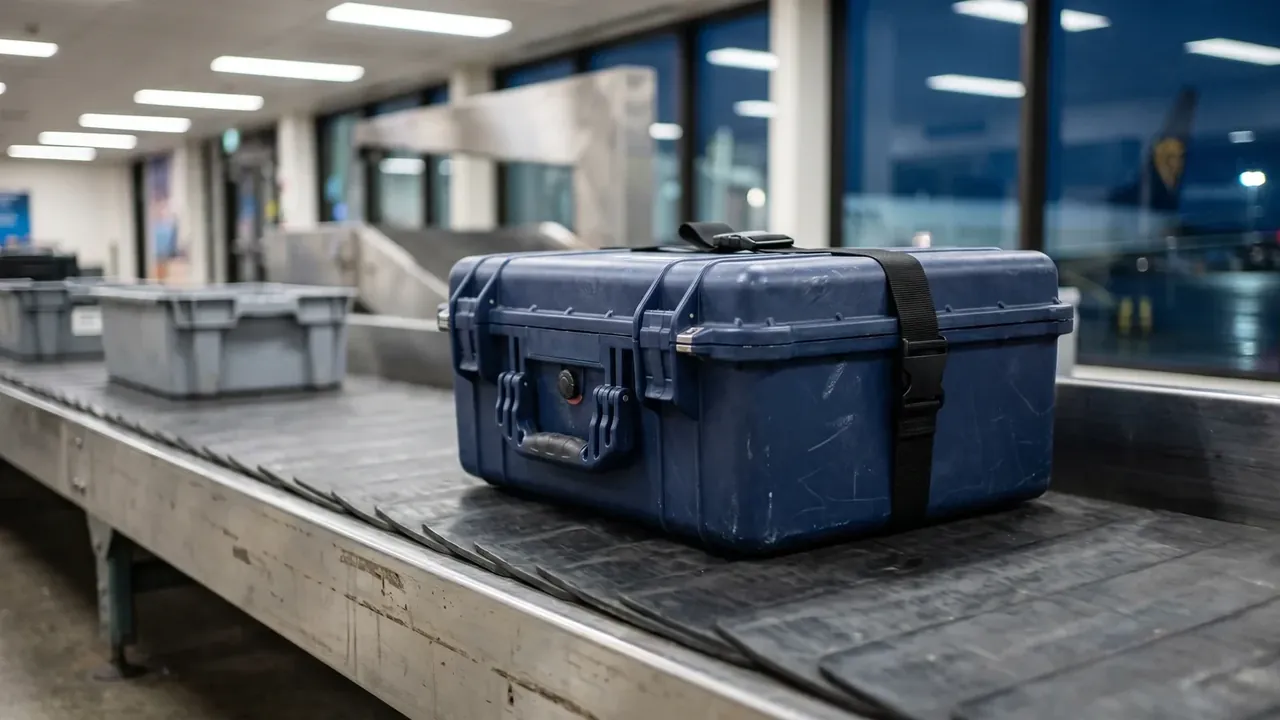
IPX4 uses an oscillating tube sized to the case diagonal. IPX7 uses a tank with the case top 1 m under the surface, dried outside before the lid comes off.
| Rating | Method | Key parameter |
|---|---|---|
| IPX4 | Oscillating tube | 10 L/min, 10 minutes |
| IPX7 | Temporary immersion | 1 m under, 30 minutes |
| IPX8 | Continuous immersion | Agreed, often 2 m for 60 minutes |
An IPX8 claim without metres and minutes is not a claim.
Openings are the blind spot. Glands, breather valves and earth studs are all openings, and one unsealed gland makes the rating a property of the shell.
3. MIL-STD-810H rain versus immersion
MIL-STD-810H carries method 506.6, Rain and Blowing Rain, and method 512.6, Immersion. Both involve water and they measure different things.
Method 506.6 drives 100 mm/h of rain at 18 m/s for 30 minutes, testing dynamic pressure and wicking through seams. Method 512.6 applies static head at 1 m for 30 minutes, testing whether the gasket creeps under sustained load. Nozzle angle, droplet size and wind speed are specified, and the case must sit in its installed attitude, because lid up and lid down behave differently. Method 512.6 is simpler, but water temperature still has to be logged, since cooling contracts trapped air and pulls water inward. Neither test allows immediate teardown: dry the outside, wait 10 minutes, then look for traces. Some plants combine the two to save a fixturing step and lose the ability to separate causes, which is why the report must name the method, the parameters and the judge.
Get that far and there is something to discuss.
Rain failures cluster at door seams, immersion failures at welds and bolt holes. Different fix sites, which is why the methods stay apart.
4. Clamp torque, pressure drop and salt spray hours
Fogging and leaking are separate problems. Pressure decay catches slow seepage, salt spray catches hardware that will not open again.
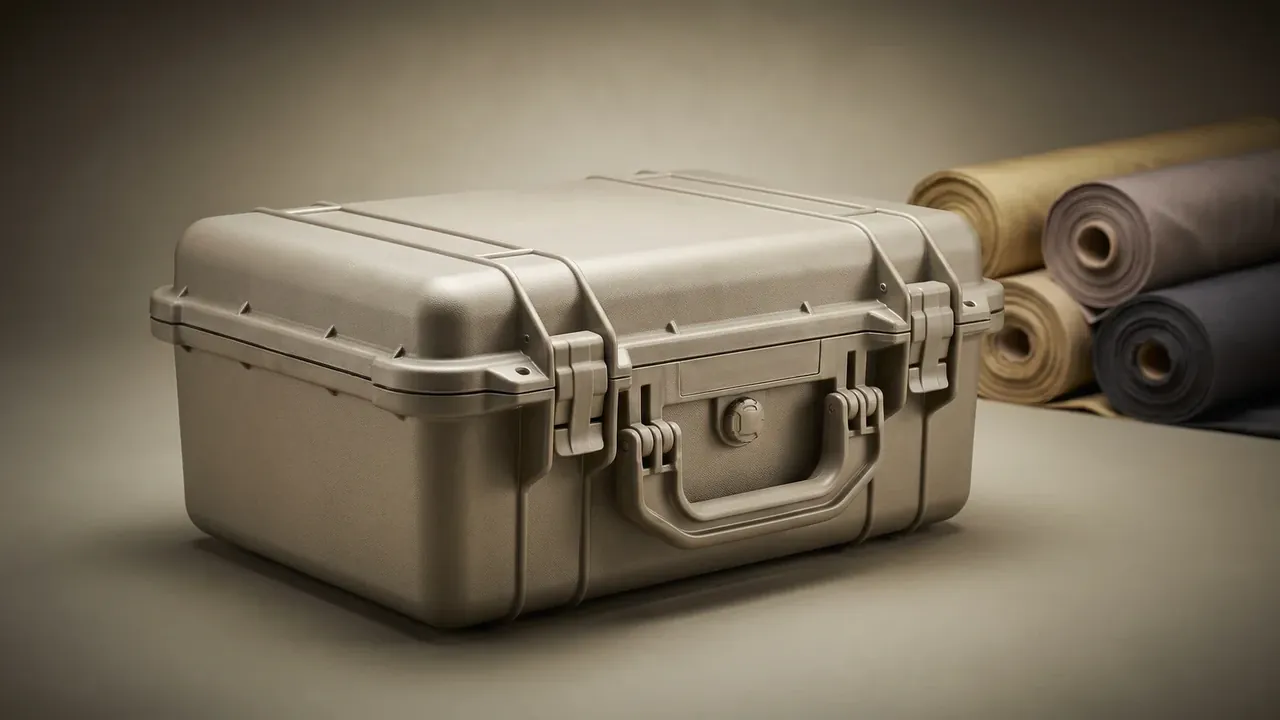
Five values need no third-party lab:
- Latch torque 2.5 N·m, above 2.0 N·m after 200 cycles
- Charge to 20 kPa, hold 60 seconds, decay under 1.5 kPa
- Salt spray 480 hours neutral, GB/T 10125, rating 9 or better
- Gasket compression set within 30% after 72 hours at 70 °C
- Post-vibration retest, 10 to 500 Hz, 30 minutes per axis
Salt spray is the first line cut. An inland warehouse may not need 480 hours, but a coastal yard does, and without it latches seize within a year. Ask where this waterproof box electrical enclosure parks.
Torque needs a direction: cross pattern, two passes to nominal. A latch pulled straight to nominal backs off on the shaker.
5. Disposition and re-inspection after a failed lot
Split the lot before repairing anything. A compressed gasket or loose latch is reworkable; a shell deformed past 2 mm or a porous weld is not.
Reworkable lots are stripped and checked one by one.
Re-inspection doubles the sample and moves the acceptance quality limit from 1.0 to 0.65. A second failure scraps the lot, and the sample joins the archive as reference for the next first article.
One rule is routinely skipped: a reworked waterproof box electrical unit gets a full pressure test, not a patch test at the leak. The second leak sits beside the first.
Conclusion
Clause, method, value, disposition: acceptance closes only when all four are on the table. A contract naming a grade but not a method leaves nobody to referee. Put the IEC 60529 conditions, the method numbers and the five field values into the agreement, and most disputes over a waterproof box electrical order end before shipment.
This article discusses only the container (case body) side of specifications and design intent, and does not cover any handling, loading or use of the contents.
Related Reading
- Inspection items and limits for waterproof hard cases
- Acceptance rules for pallet and case marking
- Process checkpoints in a case production SOP
- Standard clauses for artillery shell boxes
Related Products
- 8 Series — Gun Cases; Military Equipment Cases; Camera Equipment Cases; Drone Cases; Watch Cases; Knife Cases; First Aid Cases; Electronics Equipment Cases
- WL8-2812 PP Gun Case — model WL8-2812
- All protective cases and toolboxes: 7 series, 158 models