

Beyond the Limit: Outside Normal Use
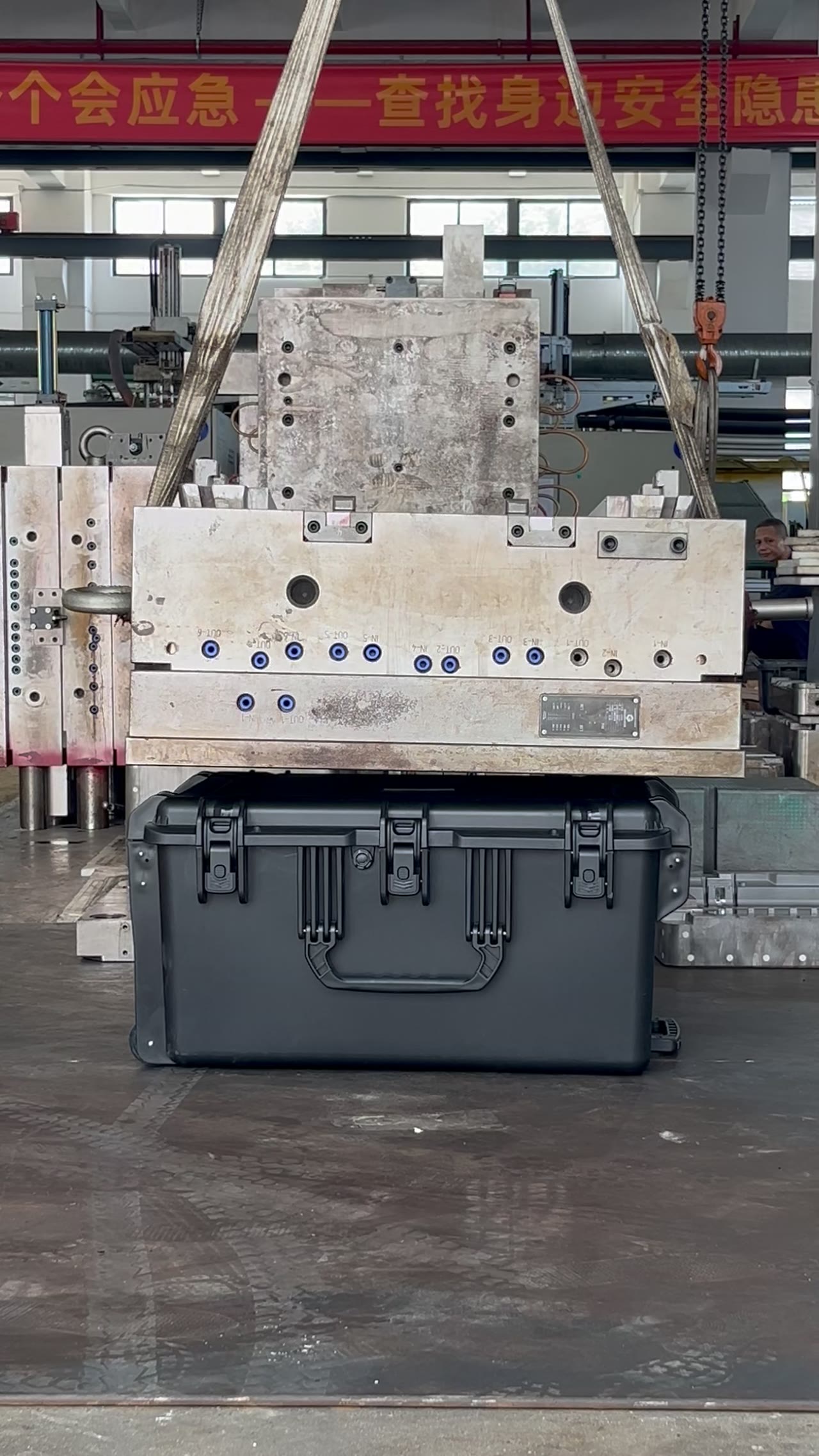
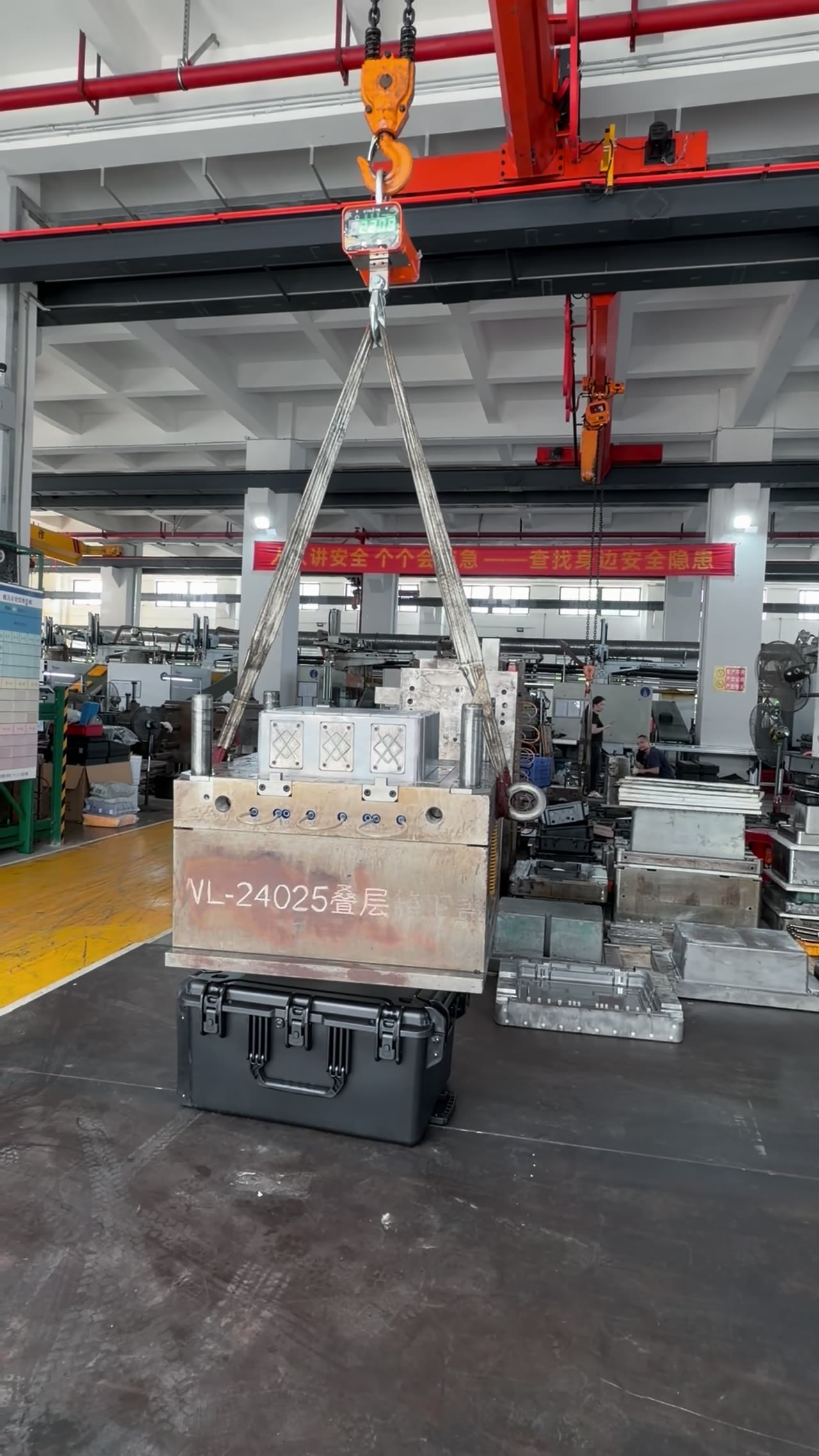
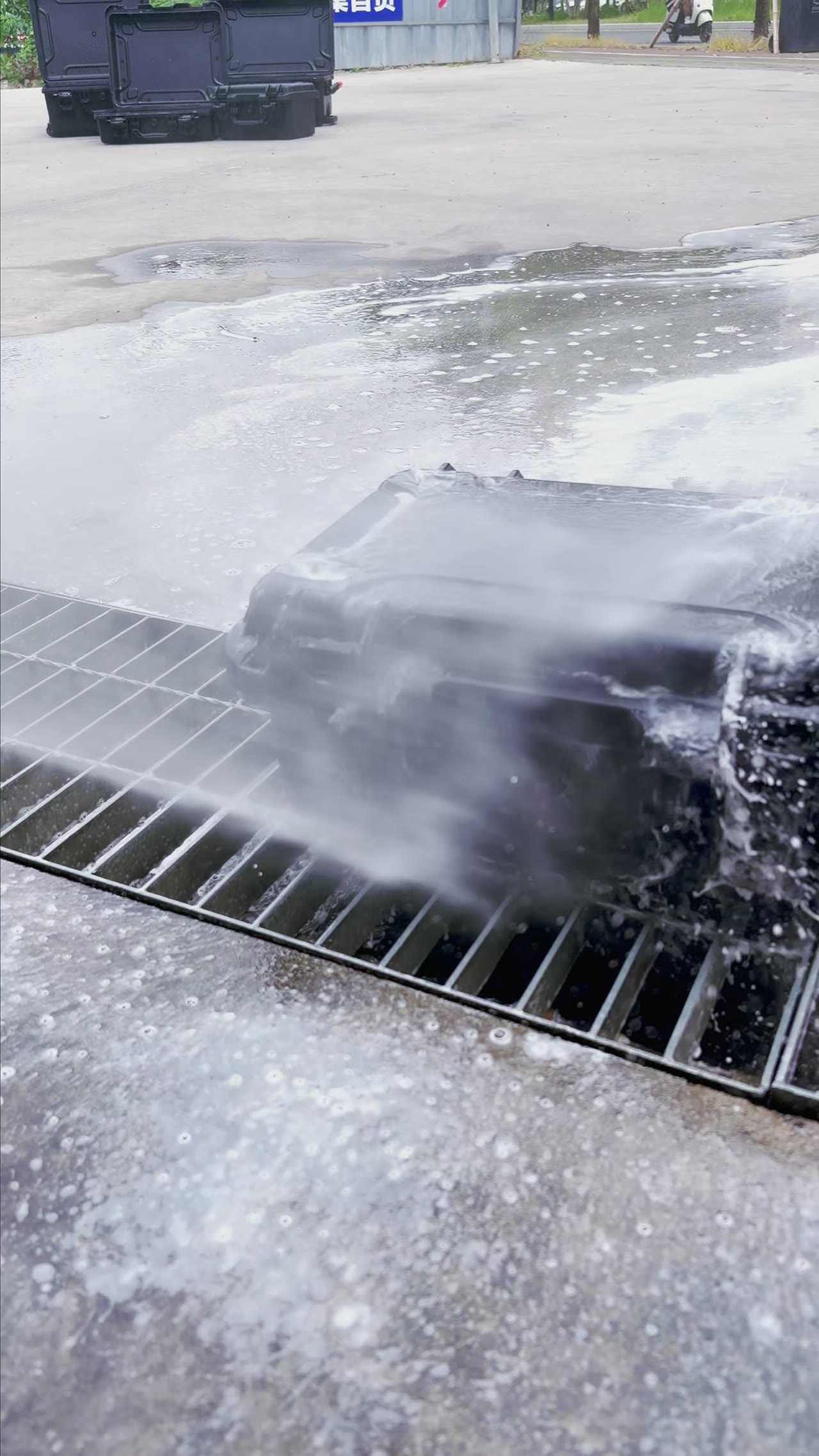
Four axes define the edge of normal use: load, temperature, time and chemical contact. Crossing one is usually explainable. Crossing two at once is what outside the design envelope actually means, and it is the combination, not the single axis, that catches people out. The clip shows the crossing; this page covers the margin that existed before it and the strength that remains after. Design margin is taken at 1.5–2.0×, residual strength lands between 60 and 85 percent, and the gap between those two figures is the whole basis for a keep-or-retire call.
01The Envelope Is Four Axes, Not One Number
Treating a limit as a single figure is where most misjudgement starts. Load, temperature, time and chemical contact are 4 separate axes, and a case behaves differently on each: overload bends it, heat softens it, cold embrittles it, sustained load creeps it, a solvent eats the surface first. Each axis fails in its own way, so an overload result tells you nothing useful about heat resistance.
Combinations are the real hazard. Overload at 1.5–3.0× stacked on 70 ℃ meets a material whose load capacity has already been trimmed by temperature, so the same force produces far more deflection than at room temperature. At the other end, overload at −40 ℃ does not bend the case, it cracks it. The useful question is where each of the 4 axes sits, not how far past one of them you went.
02Load: Between 1.5–3.0×, the Lid Centre Moves First
At 1.5× overload most cases still deflect elastically and come back once the load is off. At 3.0× the lid centre starts keeping part of the deflection and recovery stops being complete. A design margin of 1.5–2.0× means working load multiplied by that factor should still sit inside the elastic range, which makes 1.5× the bottom of the margin rather than the limit itself.
Three signs appear early after an excursion: the lid centre feels soft under a thumb, the latches need more force than they used to, and the case rocks slightly on a flat surface. Any one of them means part of the margin is gone. The wrong next move is to keep loading until something gives; the right one is to unload, let it rest, and re-measure.
03Temperature: −40 ℃ Embrittles, 70 ℃ Softens
At −40 ℃ the problem is not lost strength but lost toughness. Polyolefins go from bending without breaking to cracking on contact, and the crack starts at a landing point, a notch or a step in wall thickness. Static capacity may still read well in that range, which is exactly why the criterion has to become whether a crack exists, not how far the wall bent.
At 70 ℃ the behaviour inverts. The material softens, deflection grows under the same load, and recovery after unloading slows down. That upper figure is not arbitrary: it is set by the hottest condition a sealed transport environment reaches after a day of summer sun. Beyond it the creep rate climbs, and the damage takes days to become visible.
04Time and Chemicals: 24–720 h Against 10–120 s
Time is the most underrated of the four. The same load held once and held for 24–720 h are different tests: the first measures strength, the second measures creep. Under sustained load the polymer slowly flows; deformation inside the first 24 h mostly recovers, and past that window the recovery fraction starts to fall. How much and for how long have to be asked together.
Chemical exposure runs on the opposite clock. Ten to 120 seconds is enough to change the outcome. Most solvents attack a polyolefin from the surface inward: the skin goes dull, then tacky, then soft enough to scrape with a fingernail. A 10 s splash may leave only a stain; 120 s of contact can soften the top layer. Wipe it off, then check hardness rather than colour.
05Residual Strength of 60–85% and How to Read It
Re-testing after an excursion usually returns residual strength between 60 and 85 percent. The width of that band is the message: a shallow crossing leaves more than eighty, a deep one leaves around sixty. Given a case that has been past the edge, the first question is not whether it can still be used, but how far and for how long it went.
Then match it against the margin. Eighty-five percent against a 1.5–2.0× margin still leaves something in hand; sixty percent has effectively spent the margin and the case should come off load-bearing duty. Footage records the crossing. The verdict rests on the formal record of load, temperature, duration and re-test, and the images stand in for no rating on any axis.
| Overload multiple | 1.5–3.0 × |
|---|---|
| Lower temperature limit | −40 ℃ |
| Upper temperature limit | 70 ℃ |
| Continuous exposure | 24–720 h |
| Chemical contact time | 10–120 s |
| Envelope axes | 4 |
| Design margin | 1.5–2.0 × |
| Residual strength after excursion | 60–85 % |
FAQ
It survived double load. Can I run it at double load?
No. Survival is one event. At double load the shell may still be elastic, but repeated cycles or heat on top will accumulate residual set. Usable load is worked backwards from the 1.5–2.0× margin, not from the single test that broke nothing.
Which is worse, −40 ℃ or 70 ℃?
They injure differently. At −40 ℃ toughness is gone, an impact cracks the shell while static readings still look fine. At 70 ℃ the material softens, deflection grows and recovery slows. Cold is judged by cracks, heat by whether deformation returns; the two criteria are not interchangeable.
A solvent splashed on. Wipe it off and forget it?
Duration decides. Ten to 120 seconds is the window that changes the outcome: a 10 s splash may only stain, 120 s can soften the surface layer. After wiping, scratch it with a fingernail. Tacky or soft means it has soaked in, and strength should be read at the low end of 60–85 percent.
Is 60–85 percent residual strength the worst case?
It is a typical re-test band, not a guarantee. Deeper and longer excursions push toward the low end. Compare the figure with the design margin: what is left of the margin decides whether the case keeps load-bearing work or moves to storage.