

Camera Storage Case: Bodies, Lenses and Accessories
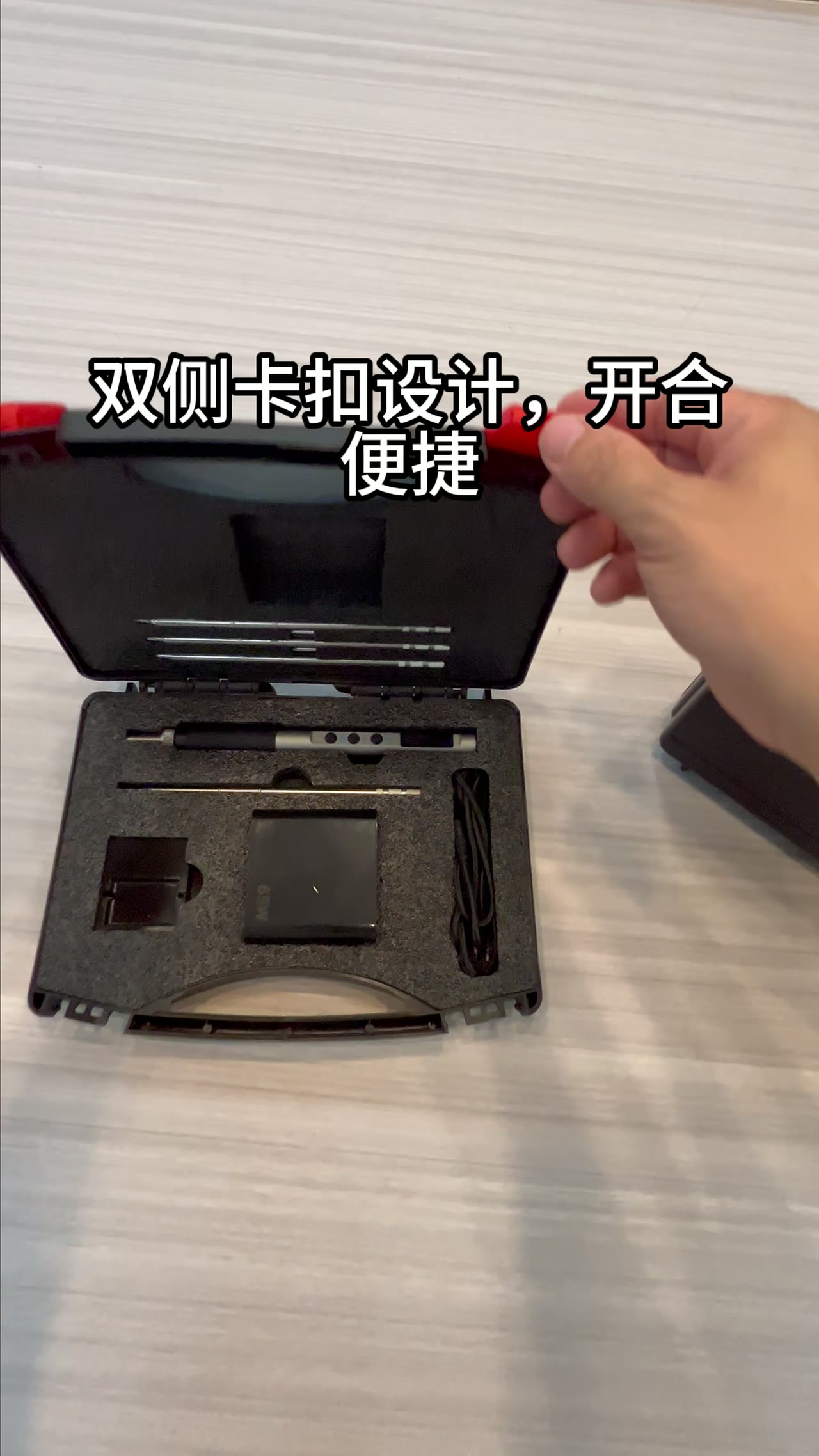
A camera case is not divided by what the gear weighs or how big each item happens to be. It is divided by the order in which a shoot actually happens: body out, lens on, plate checked, spare card where the hand expects it. Sort the compartments by size instead and the case looks tidy in the studio while failing on location, where a single lens change means opening three pockets and shifting two bodies aside. The footage shows the pockets from above. What follows covers compartment count, the route a hand takes, odd-shaped hardware, and the price of density.
01Six to Ten Pockets, or Every One Gets Shallow
This class of case usually ends up with six to ten pockets. Fewer than six and the body crowds the lenses, so pulling one item means moving two; more than ten and the usable depth thins out until the dividers occupy more area than the contents. The ceiling is set by the thickest item, not by the shell.
Work backwards. Measure the thickest piece, normally a body with a grip fitted, add 15 mm of cushioning travel, and you have the minimum pocket depth. Divide interior depth by that to get the number of layers, then multiply by pockets per layer. The result is usually two pockets below what looks possible, and those two are finger room.
02Three to Five Seconds: Route Beats Pocket Size
A single retrieval should take three to five seconds. Longer means the pocket is in the wrong place: crushed by the lid, blocked by a neighbour, or with nothing for the fingers to grip. Retrieval time is a routing problem, not a feel problem. Entry, what the hand goes around, what it grips, and whether it scrapes on the way out — those four segments are the seconds.
A lens change is always four moves: release the mount, take the lens off, cap the rear, fit the new one. A layout should let all four happen inside one pocket's footprint rather than across three zones. The classic error puts the body pocket dead centre with lenses on both sides, so the hand crosses the body and the elbow finds the half-open lid.
03Grips and Quick Plates Need Their Own Clearance
A body with a vertical grip is not a box. It grows 30 mm to 40 mm at the base, so a pocket cut for a bare body either will not close over it or closes while the base hangs free. Cut a dropped recess for the grip with a ramp at the bottom, so weight lands on the body shell rather than on the grip's mounting screw.
Quick-release plates cause the other problem. One stays bolted to the base and sticks out during handling, so the cut has to account for it. Sink a shallow recess 3 mm to 5 mm deep in the pocket floor, shaped to the plate. Skip it and the body pivots on the plate, loading the pocket wall until the foam shows a crushed channel.
04One More Pocket Costs Cushioning Travel
Density and cushioning compete for the same millimetres. Dividers run 8 mm to 12 mm thick, so each wall takes roughly 10 mm of usable width, and cut clearance runs 1 mm to 2 mm — less will not fit, more lets gear rattle. Interior width is fixed, so every added pocket thins the foam around the others.
Foam density for this work sits between 45 kg/m³ and 60 kg/m³. Denser foam resists compression but cracks at thin edges; softer foam travels further but grips less. The real criterion is at least 15 mm of travel between the gear surface and the shell. Below 15 mm, a one metre drop has too little distance to shed energy.
05Shared Cases Need a Written Layout, Not a Verbal One
When two people share a case, the failures come from assuming the other person put it back, not from the layout. The usual fix: the three most-used pockets are common property and whoever empties one refills it, while the rest are assigned per person. A diagram taped inside the lid works better than a briefing, because it is there when the lid opens.
Write down three things: which pocket holds spare batteries, which holds cards, and who fills the gaps. The first two are consumables and their absence stops a shoot; the gaps are cushioning, and a case packed solid has none left. Some crews add a 20 mm elastic strip inside the lid to hold thin items down, which earns its place faster than two extra pockets.
| Compartment count | 6–10 |
|---|---|
| Single retrieval | 3–5 s |
| Cut clearance | 1–2 mm |
| Divider thickness | 8–12 mm |
| Foam density | 45–60 kg/m³ |
| Minimum cushioning travel | ≥15 mm |
| Body pocket depth basis | item +15 mm |
| Plate recess depth | 3–5 mm |
FAQ
Do more compartments mean better protection?
Past ten it reverses. Dividers eat area, the remaining foam walls thin out, and travel can fall below 15 mm so impact reaches the gear directly. Protection is set by travel, not by the number of pockets you cut.
Must a lens change happen inside the case?
Depends where you are. In sand, spray, or at sea, inside is the only safe option, so the layout has to let four moves finish within one pocket. Indoors you can work outside the case, but keep the body pocket away from dead centre either way.
The cut is too loose and gear rattles — can it be fixed?
One layer yes, more no. Bond in a 2 mm to 3 mm sheet to bring clearance back to 1 mm to 2 mm. Two layers or more will slide against each other and shed foam crumbs. Cutting with a margin beats patching afterwards.
How should two people lay out a shared case?
Make the three most-used pockets common, assign the rest per person, and tape the diagram inside the lid. Also state where spare batteries and cards live and who fills empty gaps — those gaps are cushioning, and a packed-solid case has none.