01Passing alone is a different question from passing in sequence
A standalone run keeps its margin intact: factory state, room air, stop at the end. A stacked run gives none of that. Where one condition ends, the next begins, and part of the margin is spent in between. Counting how many conditions passed therefore says almost nothing about the sequence, because that ratio ignores what happened inside each step.
Order is what actually sets the verdict. Heat then drop is not the same case as drop then heat; the material meets the impact in a different state, one softer and slower to recover, the other still at its original stiffness. Rearrange the sequence and the pass rate moves with it. Change the record's order before changing the conclusion.
02Heat first: residual warmth shifts the force
A 2–6 h soak brings the whole case to temperature, not just the skin. Drop it straight out of the chamber and the shell is still warm, rebound is slower, latches engage more loosely. For the first 10–60 s the panels remain above ambient. The peak may not climb, but residual deformation usually grows, because the walls do not spring back.
That is why a recovery window sits between conditions. Somewhere in 10–60 seconds, surface temperature drifts back toward ambient. Too short and the next test measures leftover heat; too long and the sequence dissolves into separate runs. The pause is not cooling for its own sake — it restores a starting point both conditions can be compared on.
03Water first: two things change at once
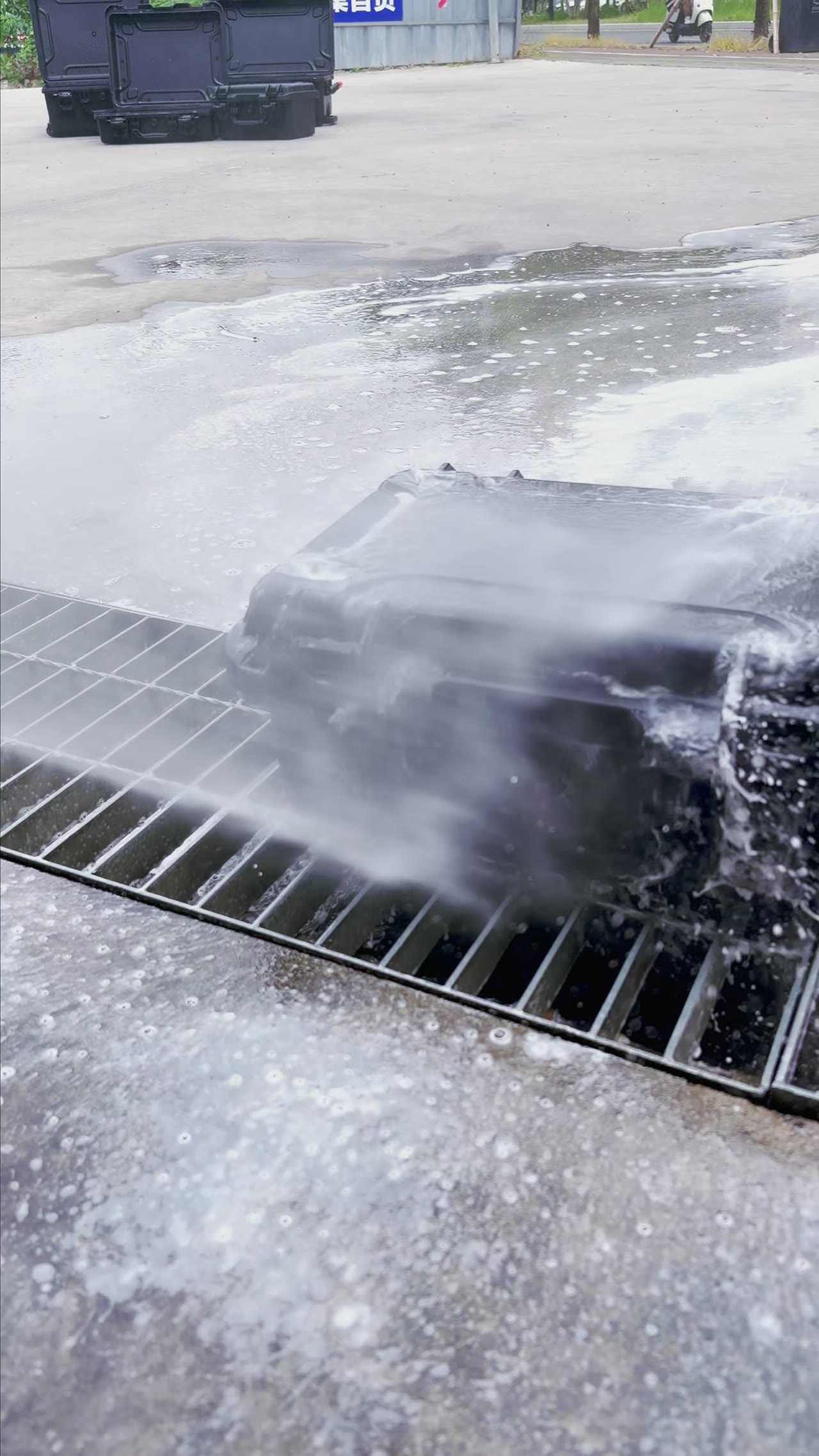
An immersion of 30–300 seconds sounds brief and still reaches the seal groove, the hinge cavities and the ribs along the base. Wipe nothing, drop the case wet: added mass is small, but the water does something else — it lubricates faces that were holding each other by friction, turning grip into sliding and moving the load path to whatever surface is left.
Drainage matters more. Land on an edge and water is pushed to one side; land on a face and it is trapped against the seal line. On the second impact that water has not moved. Read where it gets expelled, not only how far the wall deflected; the exit point is usually the first failure site, and it shows before any deformation figure moves.
04Loaded then dropped: stress does not clear in a minute
Load the case, then drop it, and the impact arrives on a structure already carrying static stress. Unloading does not erase that stress; it stays in panels and corners and adds to the shock. Because the two act on the same section rather than one after the other, the sum can cross the yield point while the peak reading barely moves.
Combined strength lands 15–45% below the single-condition figure. That gap is not scatter. Temperature, moisture and residual stress each take a share of the margin, and what remains is the strength available for this round. The comparison holds only if the reference run used the same batch; when the gap nears 45%, review the sequence and the spacing.
05Three to ten cycles: watch how residual deformation climbs
Combined drops run 0.8–1.2 m, repeated 3–10 times. The first impact mostly springs back; from the third onward a fraction stays put. Log residual deformation after every cycle. Inside a 0.3–2.5 mm band, the rate of climb carries more information than the absolute number: a case holding at 1.0 mm is healthier than one that travelled from 0.3 mm to 2.0 mm in three cycles.
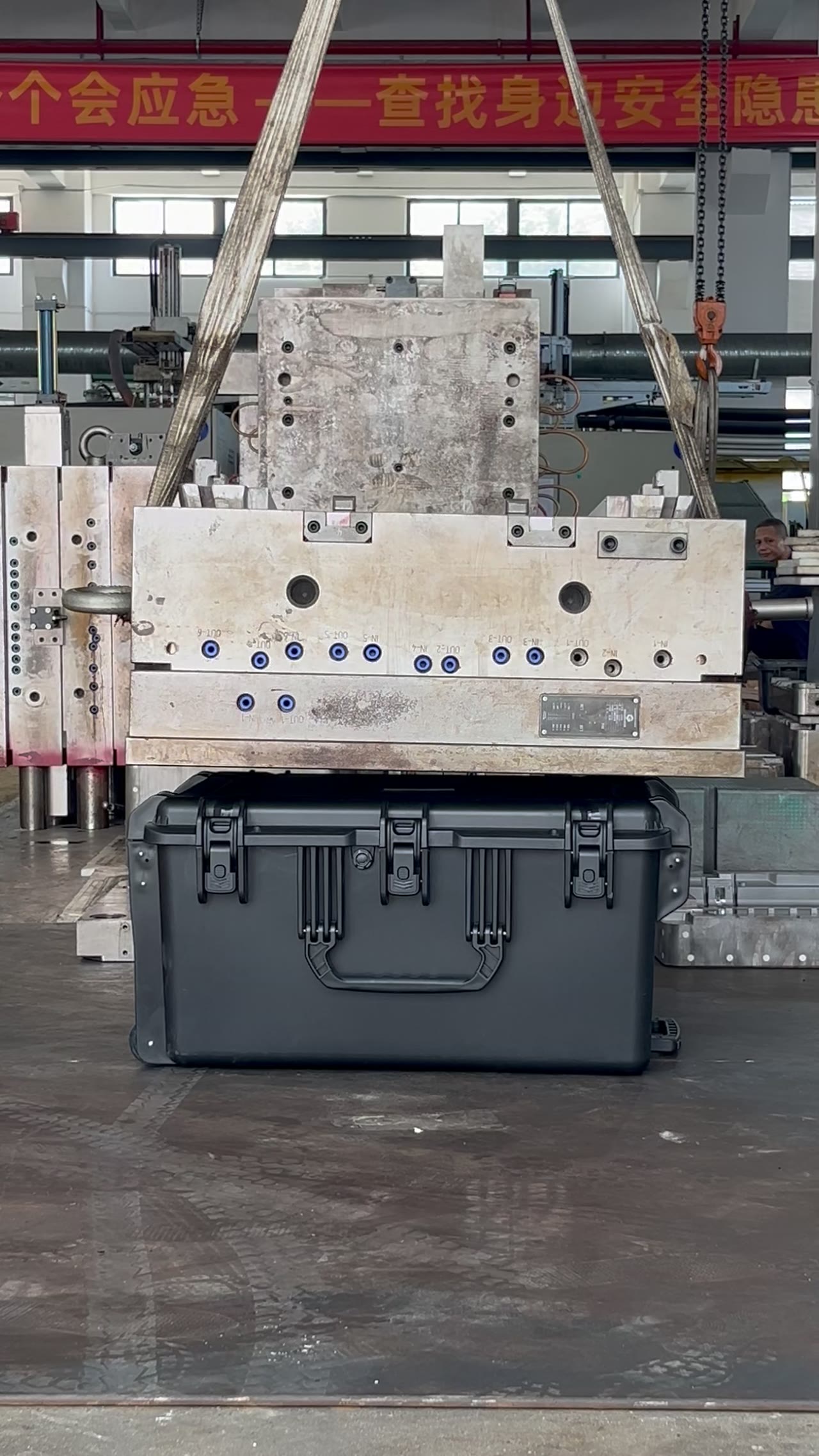
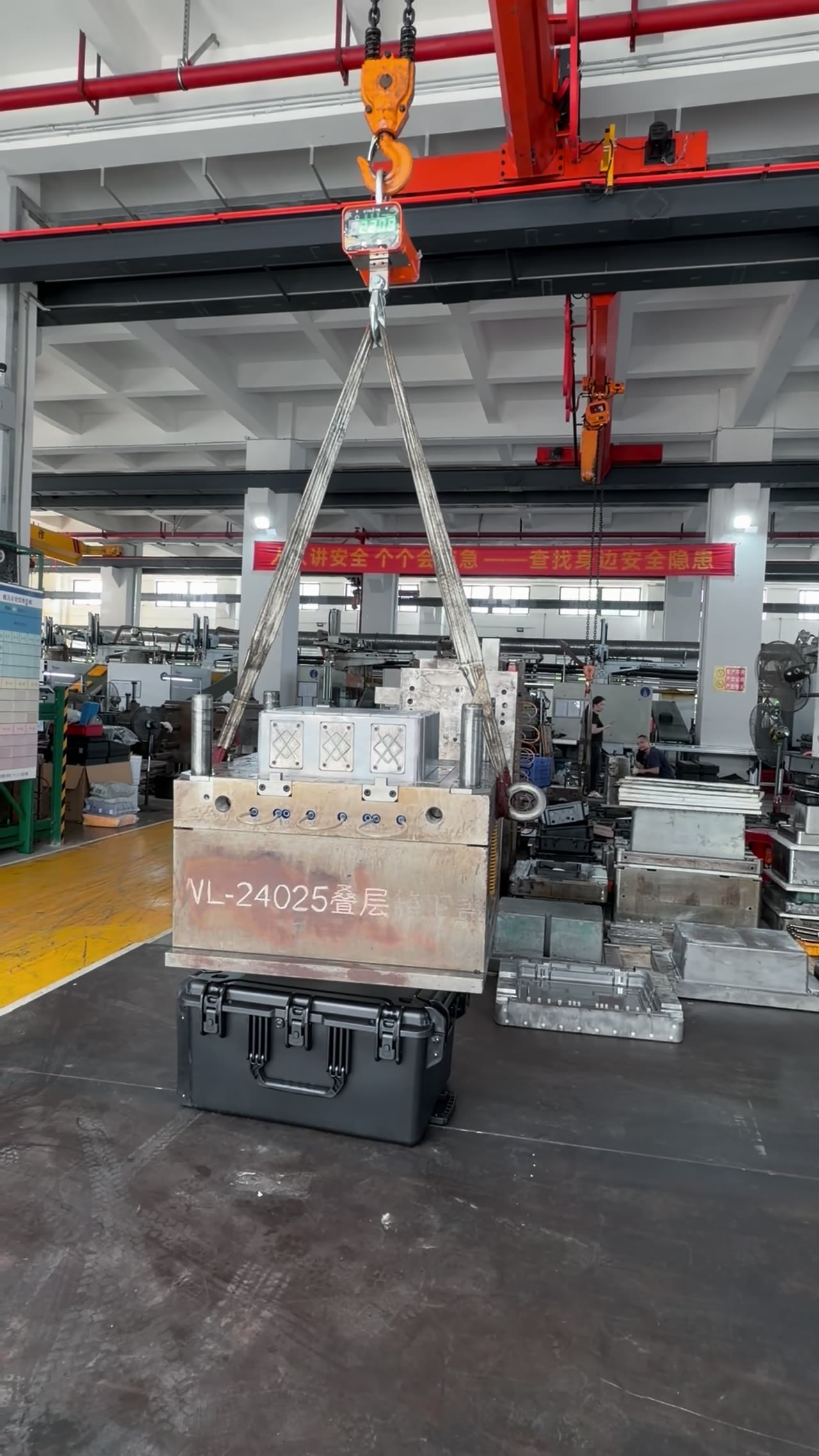
The procedure is fixed. Measure the same set of points after each cycle, and when two consecutive increments exceed half of the previous one, stop and review the sequence instead of running another round. The clip shows the process; the release decision rests on that column in the formal record, alongside the drop height and the condition order.
| Condition count | 3–5, run in sequence |
|---|---|
| Heat soak duration | 2–6 h |
| Water immersion time | 30–300 seconds |
| Combined vs single difference | 15–45% strength reduction |
| Recovery interval | 10–60 seconds |
| Combined drop height | 0.8–1.2 m |
| Cycle count | 3–10 cycles |
| Residual deformation | 0.3–2.5 mm after combination |
FAQ
Every single condition passed — why stack them at all?
Standalone runs each start from a fresh sample at room temperature, so their margins do not interfere. In sequence, the end of one becomes the start of the next and part of that margin is already spent.
Why does order matter so much?
The same set of conditions in a different order delivers the case to the impact in a different state: softer or harder, wet or dry, stress released or still locked in. The conclusion moves, so order belongs in the record.
What are those 10–60 seconds actually for?
Surface temperature drifting back, free water draining, part of the elastic recovery finishing. Shorter and two conditions merge into one; longer and you are back to separate tests. Neither extreme shows coupling.
Is 0.3–2.5 mm of residual deformation acceptable?
The absolute figure alone cannot answer that. Track increments at the same points: converging increments suggest the structure still works elastically, while growing ones point to damage that has started to accumulate.