01Spraying pushes outward; suction pulls inward
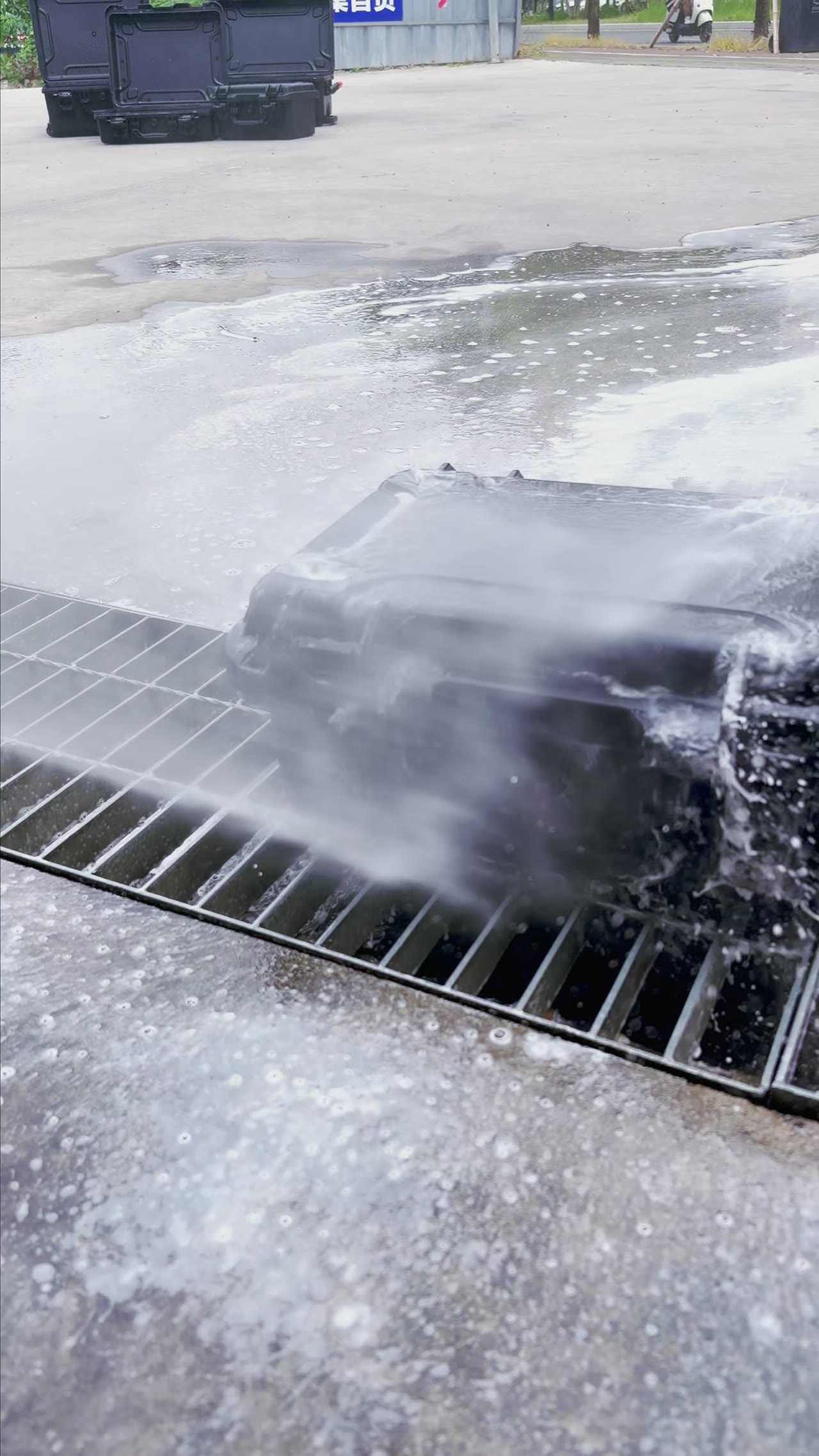
A spray loads the outside face. For water to get through a joint it has to displace the air behind it, and with nowhere to go that air props the film up. The result looks perfect and proves very little: the shell shed the water, but nobody tested the seal while a pressure difference was acting across it.
Pull a vacuum and the seal sees atmosphere on one side and low pressure on the other. Water is drawn along the joint rather than driven through it, so a path too narrow to admit a jet will still pass a film. The first 30 s of pump-down are the noisiest of all, so start counting only after them.
02Hold 30–180 s and read the decay, not the bubbles
Close the valve at the target vacuum and start the clock. Over a hold of 30–180 s the gauge creeps back, and that creep divided by the starting vacuum gives the decay figure. Anything beyond 2–15% means a path has opened somewhere along the seal and outside air is using it. Watch how fast the needle moves; it locates the problem better than watching for bubbles.
Not all creep is a leak. Gasket material outgasses, residual moisture evaporates, and trapped gas expands while temperature settles. All three push the gauge up, and all three sit near the bottom of the decay band. Water temperature matters for the same reason, so keep it between 5 and 30 ℃. Run a dry baseline first, subtract it, and what is left is the leak.
03Six to twelve points, five to fifteen cards, where the shape breaks
Points are not spread evenly. Seals fail where geometry interrupts them: either side of a hinge penetration, beside a latch seat, at the root of a valve, along the inner lip of a drain. Each of those gets at least one dedicated point, which puts the total at 6–12 and pushes it upward as the lid perimeter grows.
Indicator cards sit on the inside face, and the wet boundary they leave shows which way water travelled. Five to fifteen cards have to cover every point, with extras packed into corners. Too far outboard and the card dries before water crosses the seal; too far inboard and the boundary has blurred into one stain before you look.
04Strip-down takes 120–300 s, and order decides what survives
Do not open the lid when the hold ends. Dry the outside, log the decay, then release. After that the sequence is fixed: read the cards, then the inner walls, and only then start removing parts. Break the order and the vacuum dumps the moment the lid lifts, residual water runs back and the boundary on each card washes out.
The 120–300 s is spent mapping boundaries, not unbolting. Sketch every card's wet footprint onto a copy of the case diagram, then mark where it started and how far it spread. The classic mistake here is wiping the interior first; once the trace is gone, decay is the only evidence left, and decay cannot name which location actually gave way.
05Settle 60–300 s; eyes catch roughly four in five
Before any recheck, let the case sit for 60–300 s. Residual water needs that window to migrate somewhere visible, and the temperature needs it to equalise. Settle too briefly and decay reads high, failing a sound case; settle too long and the water evaporates and the cards fade back. Pick one interval and apply it to every round.
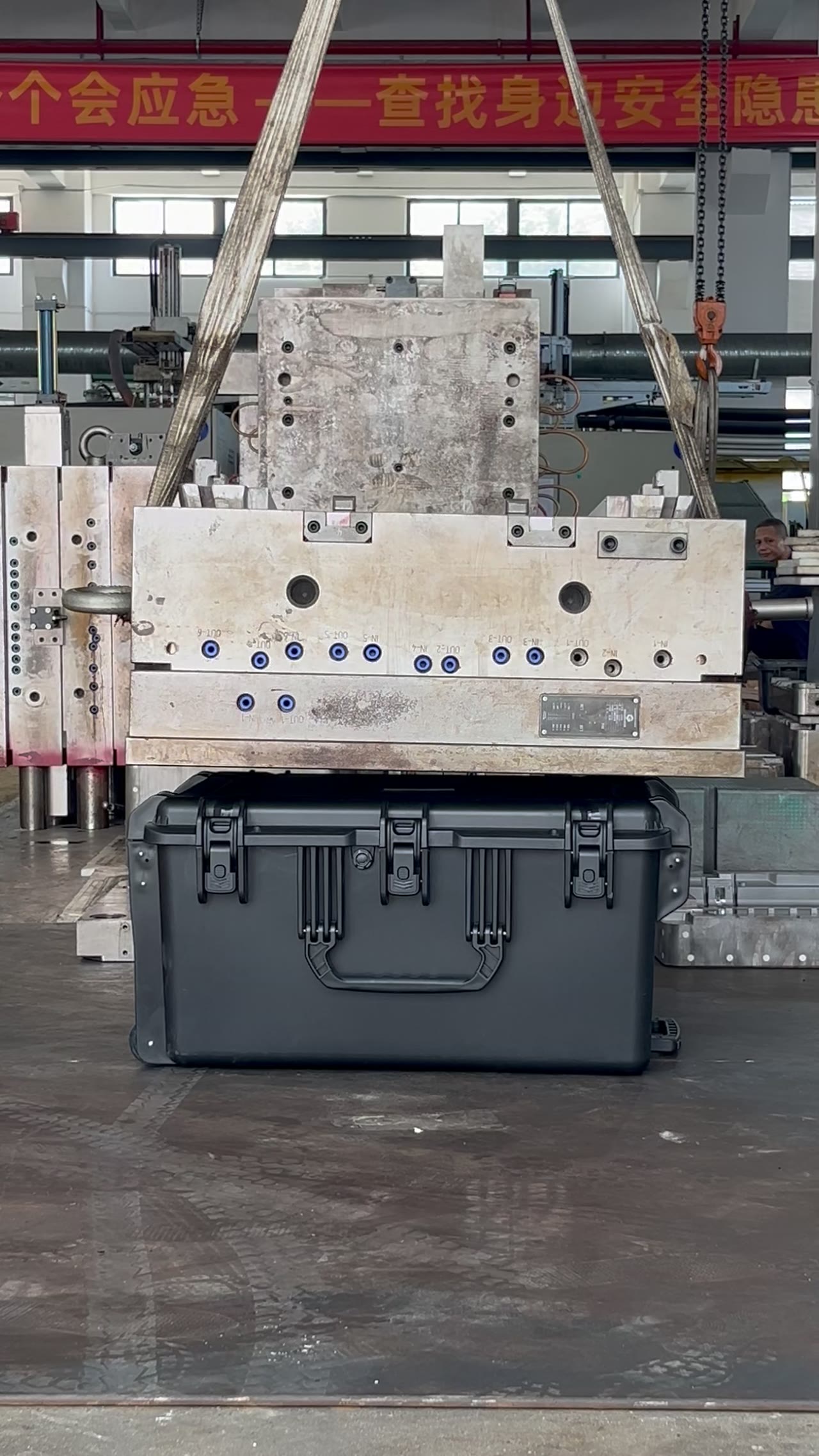
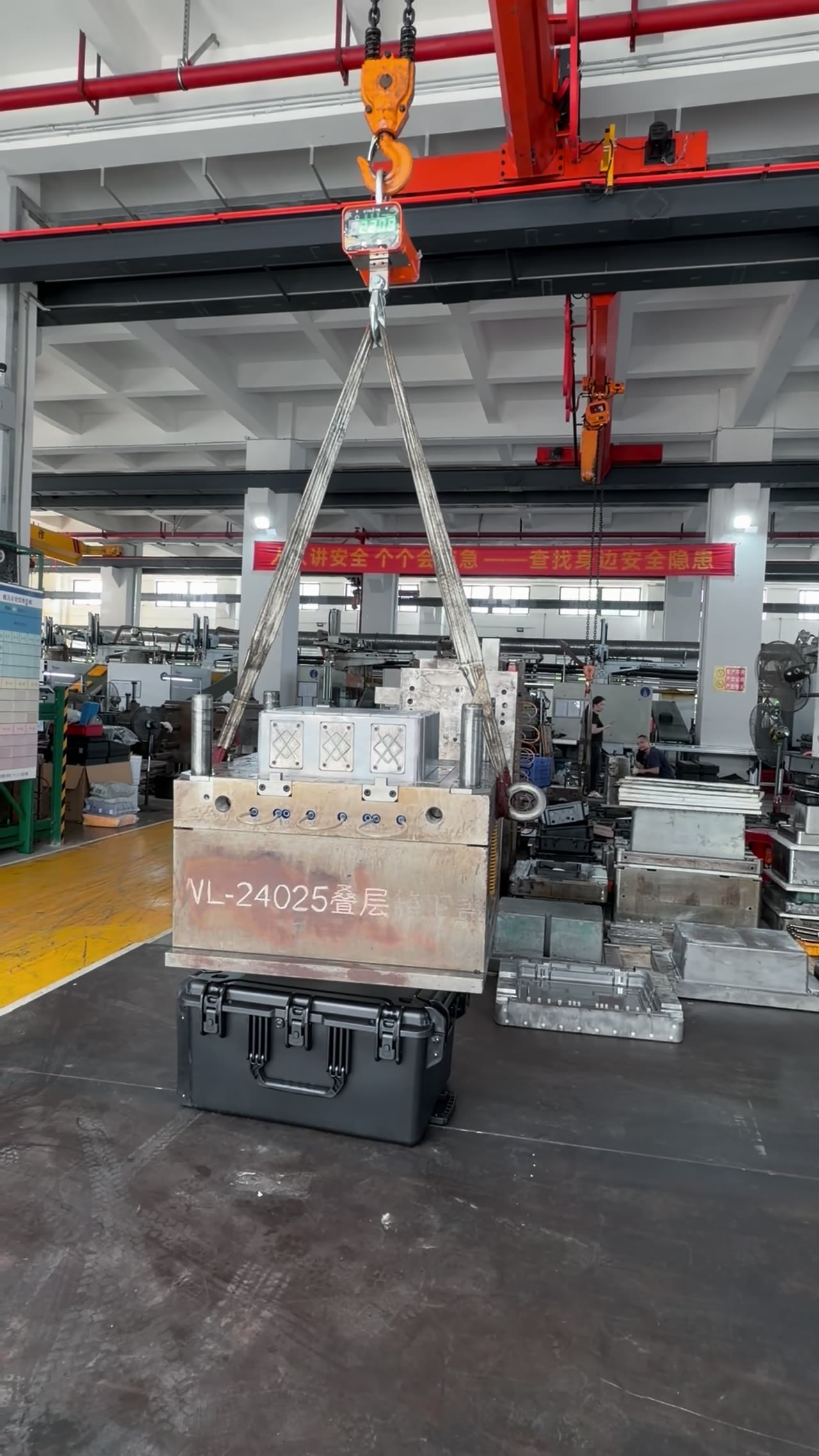
Visual inspection misses 5–20% of what is actually there. The light sits at the wrong angle, the interior is dark, the volume is a few microlitres. Cards and decay carry the verdict; eyes only corroborate. The clip covers pump-down, hold and lid removal, so whether the seal actually held is in the written record, and not on film.
| Detection points | 6–12 |
|---|---|
| Indicator cards | 5–15 |
| Vacuum hold | 30–180 s |
| Permitted decay | 2–15% |
| Strip-down time | 120–300 s |
| Settle before recheck | 60–300 s |
| Water temperature | 5–30 ℃ |
| Missed by eye | 5–20% |
FAQ
Why does suction find more than spraying?
A spray has to displace trapped air before water can pass, and that air has nowhere to go. A vacuum pulls from inside instead, so water travels along the joint rather than through it. Gaps too narrow for a jet still admit a film.
What decay counts as a leak?
Anything above 2–15% over the hold. Creep near the bottom of that band is usually outgassing, evaporation or thermal settling. Run a dry baseline and subtract it, or you will spend the day chasing a leak that is really the case breathing.
Why is the strip-down order fixed?
Releasing the vacuum dumps the pressure that produced the evidence. Dry outside, log decay, read the cards, then open up. Wipe the interior early and the wet boundary is gone, leaving one number that cannot name a location.
Can the video settle it on its own?
No. The clip covers pump-down, hold and lid removal. Decay percentage, card positions and settle time all live in the written record. If those three columns do not line up, clean footage proves nothing.