

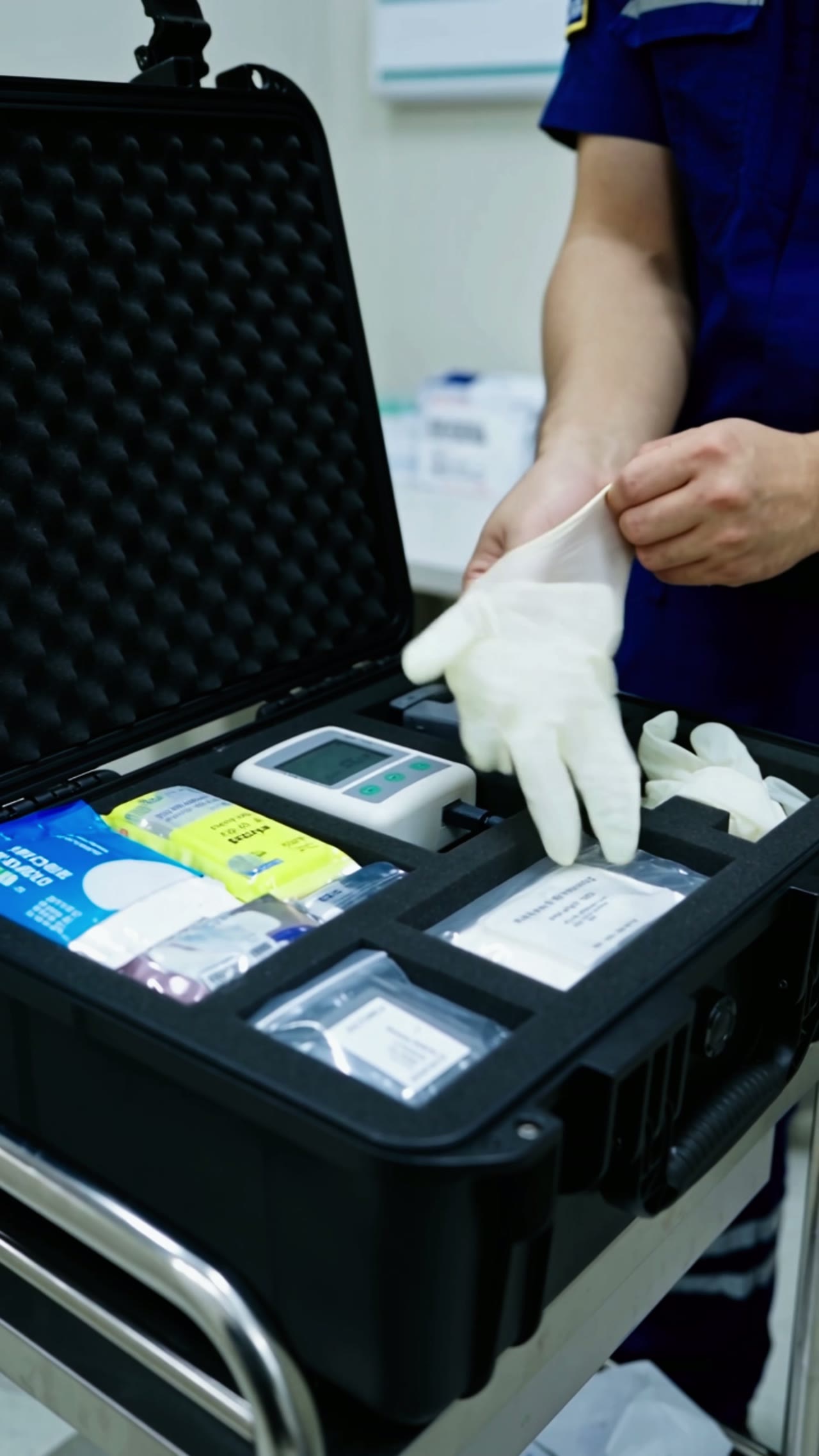
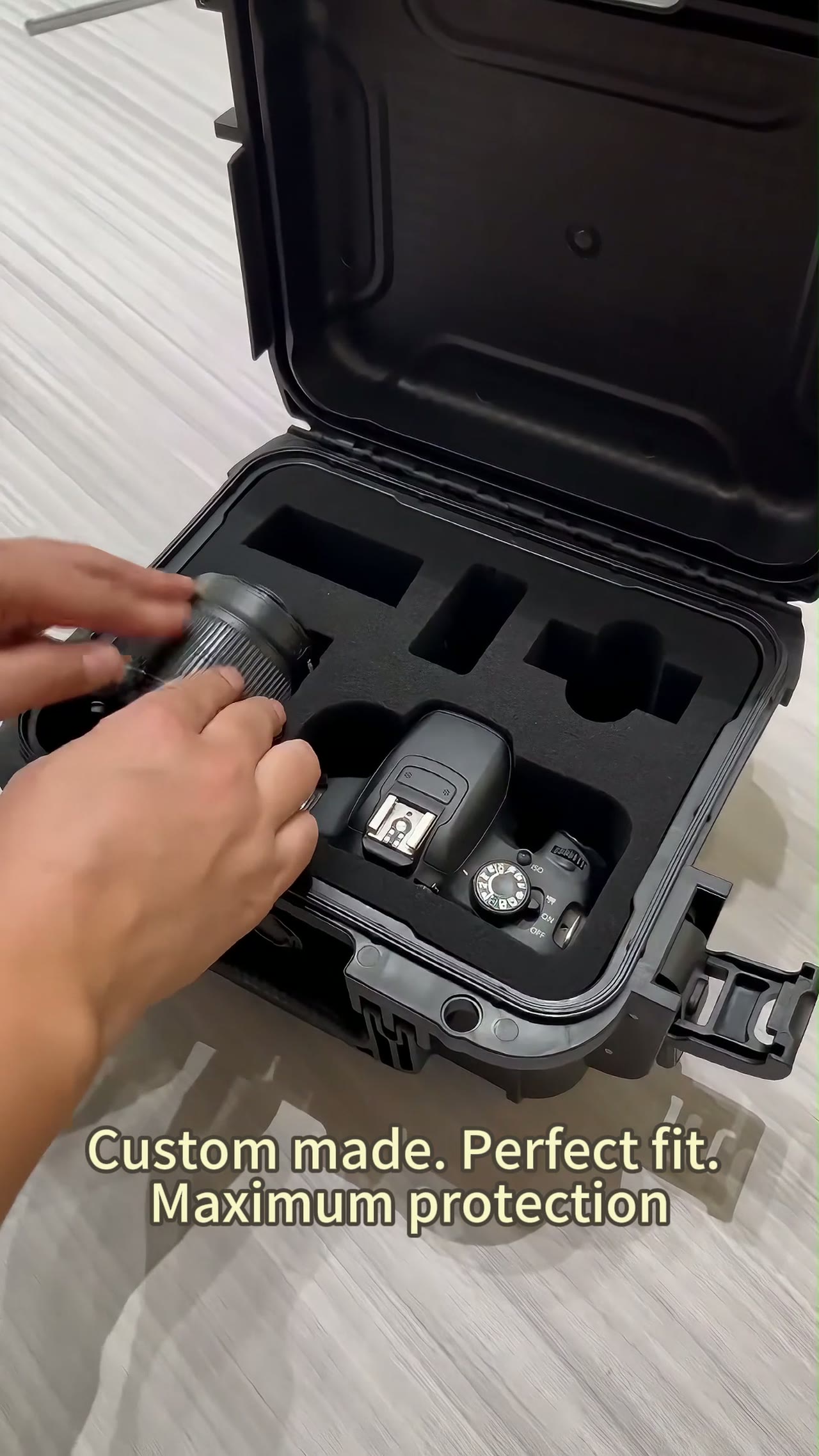
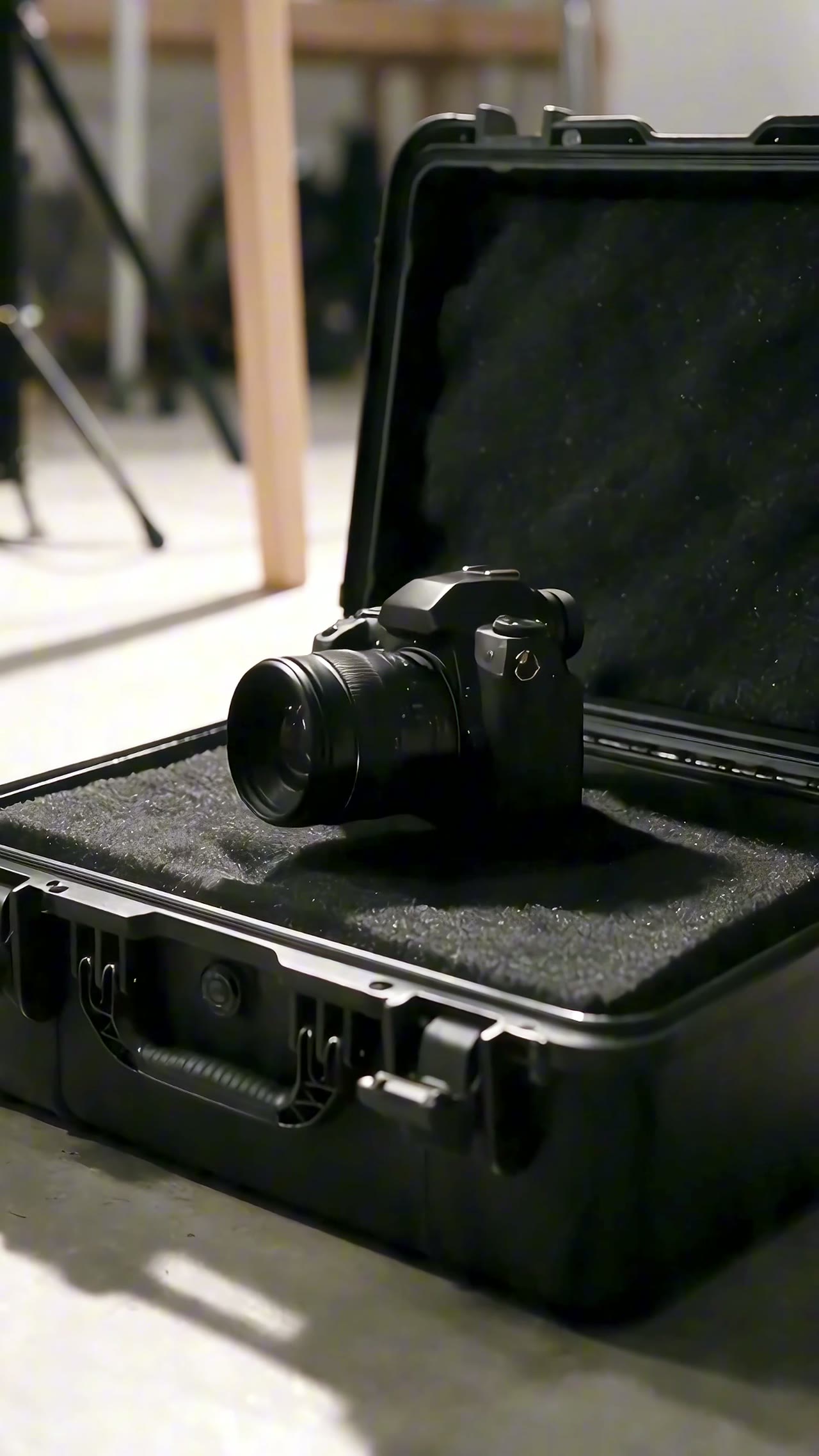
Tool Case Organisation: Layers and Positions
A tool case is a time ledger, not a grid drawing. The screwdriver you reach for 20 times a shift sits on the third tray, so every trip costs a lid lift, two trays shoved aside and a reset. Twenty trips at 15 seconds each totals 300 seconds gone before lunch, repeated every working day. Rank tools by how often your hand goes to them, decide clear height by the tool you touch rather than the tool you own, and the layers mostly arrange themselves.
01Position follows frequency; size comes a distant second
Twenty reaches a shift is ordinary for a driver or a utility knife. From the third layer, each reach runs 8 to 35 seconds once you count lifting trays and closing up. Twenty of those in one shift is 540 seconds gone, and none of it is real work. Move that tool to the top layer and most of the loss disappears.
Ten to sixty tools live in a typical case. Only 15% to 30% of them earn daily use, yet they drive more than 70% of all reaches. That imbalance is the entire argument for layering: give the busy minority the near position, and let the rest sit further back in the 120 mm to 260 mm reserve depth, where the extra travel costs little because it happens twice a year.
02Clear height is set by the tool you touch, not the tool you own
Forty to 120 mm of clear height per layer covers most hand tools. Build every layer around the longest item and you get shelves of dead air; your hand crosses that air before it finds anything, and knuckles catch on dividers on the way in. Empty height is not free, it is travel time.
Give the longest item an angled slot of its own, or strap it inside the lid. A blunt test: if three or more items in a layer stand less than half the clear height, that layer is oversized. Trim it to roughly 60 mm and pass the height to the layer beneath.
03Stop at three layers, because the fourth turns sorting into lifting
Two to four layers is the useful range. Past four, reaching the bottom item means moving three trays first. The action count jumps from two steps to five, lifting eats whatever the layering saved, and on a rushed day the whole system gets abandoned for a single pile in the middle of the box. Three layers at 60 mm each usually beats five at 40 mm.
Expect search time to fall 30% to 55%, not to vanish. Lifting the lid, sliding a tray, checking that it is the right bit, setting it back: none of that responds to layering. Aim at 30% and the rebuild reads as a win; aim at 80% and it reads as a failure, which is why so many reorganised cases get pulled apart within a month.
04Spares belong at the back precisely because nobody wants them
Reserve 120 to 260 mm of depth at the rear for spares. A spare gets pulled once or twice a year. Parking it in the top layer trades a high-traffic slot for one that almost never opens, and it pushes the tool you actually use down a layer to make room.
Depth has a price: you must clear space to reach the spare. The workaround is a single pull-out tray that brings the whole reserve block forward at once instead of fishing piece by piece. If fetching a spare takes more than three actions, the block is divided wrong and should be split by task instead of by size.
05Log one week before you move a single divider
Tape a sheet inside the lid and tick it every time a tool comes out. Counts only, no stopwatch. In a case holding 10 to 60 items, one week separates the top fifth cleanly and also exposes the items nobody touched. Those untouched items are what the rear bay is for, and they rarely number more than a dozen.
Reorder by count: the top 15 to 30 percent to layer one, the middle band to layer two, the untouched to the rear. Log a second week. A search that used to run 8 to 35 seconds now landing under 15 seconds means the change worked. If it does not, the bottleneck is tool count, not layer count.
| Layer count | 2–4 layers |
|---|---|
| Clear height per layer | 40–120 mm |
| Share of frequently used tools | 15%–30% |
| Reaches per shift | 3–20 per tool |
| Time per search | 8–35 seconds |
| Search time reduction after layering | 30%–55% |
| Tools per case | 10–60 items |
| Reserve bay depth | 120–260 mm |
FAQ
Do more layers always make a case easier to search?
No. Two to four layers is where the gain lives. Beyond that, reaching the bottom item means shifting trays, which takes the action count from two steps to five and cancels the saving. Ask whether you must move something to reach the item. If yes, you have too many layers.
How do I choose clear height?
Measure three things: the tallest item, the item you use most, and finger clearance. Set height at the common tool plus 15 to 25 mm, and give the tallest item its own slot. Sizing every layer to the tallest tool is the usual mistake.
Ten tools only. Does layering still apply?
Yes, but two layers is enough. In a ten-tool case, three to five items do most of the work. Put those on top, the rest below, and search time drops by roughly a third. Fewer layers is not the same as no layers.
How do I know the rebuild actually worked?
Keep two logs. One week before the change, recording counts and seconds per search; one week after. If frequent tools now come out in under 15 seconds and total handling time fell by a third, it worked. If not, the dividers are in the wrong places.