

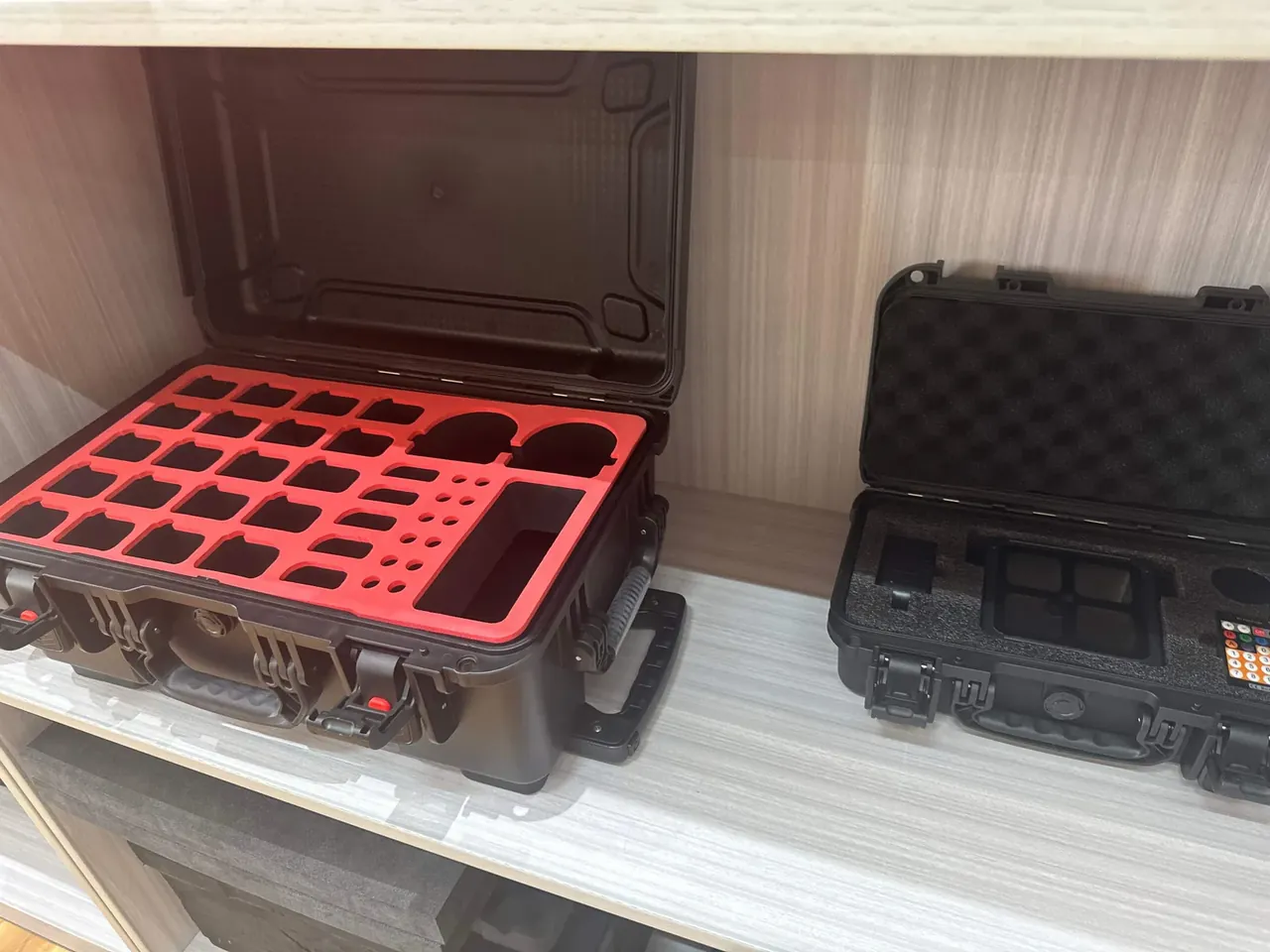
Quick answer: Case after sales sla means a 24-hour first response built on a shift roster, and three photos plus one video decide a seven-day close.
Table of contents
- First Response Starts the Clock
- Three Photos and One Video
- Triage in Three Routes
- 48 Hours to a Plan
- FAQ
1. First Response Starts the Clock
A customer reports a fault at 9 am and hears nothing until 4 pm. Seven hours are gone on day one, and the 24-hour window is already a third spent.
The number is not a promise, it is a roster: who reads the inbox at which hour, who takes the night shift, who is called when a claim arrives on a Sunday.
Fix the start point first. The same email counts from the customer's send time or from the ticket creation time, and the two differ by up to 6 h. Count from the send time, and do not let an automated receipt count as a response, because the customer wants a person.
Time zones drive the roster. Europe sits 7 h behind China and the US west coast 13 h, so one day shift cannot cover the clock. Split 24 h into three 8-hour shifts with one duty officer and one backup each, and have the incoming shift clear overnight tickets within an hour of starting.
| Node | Deadline | Owner | Action | If missed |
|---|---|---|---|---|
| Intake | on arrival | duty officer | open ticket, issue number | counts against rate |
| First response | 24 h | duty officer | confirm and state next step | 2% of contract value |
| Triage | +2 h | technical support | remote, parts or visit | escalated to manager |
| Plan | 48 h | technical support | cause, fix, cost, schedule | clock may be paused |
| Close | 7 days | after-sales desk | part fitted or signed off | monthly review |
The handover between shifts is where rosters fail. Pass a ticket number without the reasoning and the customer gets two different answers on consecutive days. Carry three things: the number, how far the reply went, and who owes the next action.
A 98% response rate is arithmetic, not attitude. With 250 claims a month, 245 answered inside 24 h gives 98%. State whether weekends and public holidays sit in the denominator, because the two readings differ by 4 points.
2. Three Photos and One Video
Photos exist so the second line can decide inside the first hour. Claims without them fall from 62% remote-resolvable to 31%, and the rest turn into a week of questions.
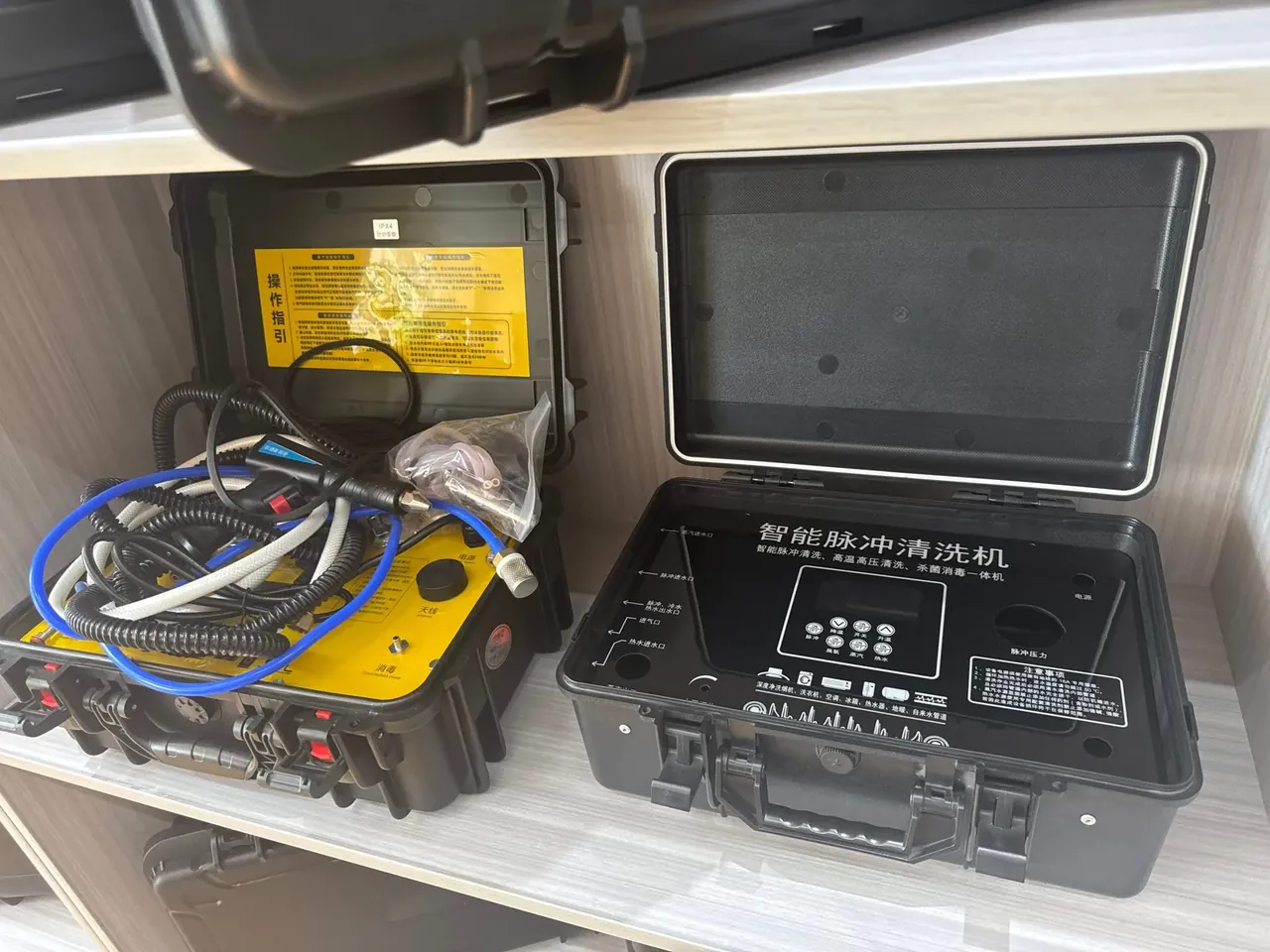
Each of the three covers a different decision, and a missing one removes a whole branch of the diagnosis.
Photo one is a 45-degree shot with model code, batch number and all four corners in frame. A wrong model wastes the entire plan.
Photo two is a close-up within 15 cm of the fault, with a steel rule or a coin beside it for scale. Without scale, nobody can tell a 0.5 mm scuff from a 5 mm split.
Photo three looks straight down into the open case at the gasket line, the latch engagement and the liner edge. Continuous compression marks, single-sided latch load and liner shift all show in that one frame.
The video runs 15 to 30 s and follows an order: close the lid, lock both latches, press the four corners with both hands, then film the latches again. Sound matters more than picture, because a latch that bottoms out thuds while a loose one rings. Handle complaints switch to a lift test: raise the case 10 cm off the bench by one handle and hold 5 s.
Three rules hold: original files, no filters, never a crop of a crop. A compressed photo hides the rust layer and the crack path.
Tell the customer where to point the camera. A sketch with three positions marked beats 10 minutes of phone description, and it attaches to the first reply.
3. Triage in Three Routes
Triage closes within 2 h of the first response and is signed by the technical line, not by the person who answered the email. The first responder reads words; the second line reads photos.
| Symptom | Route | Customer input | Close |
|---|---|---|---|
| Gasket shifted, latch stiff | remote guidance | follow a 90 s clip | 1 day |
| Hinge loose, valve failed | parts by post | delivery address | 3 days |
| Shell cracked or warped | return or hub | original packaging | 7 days |
| 20 or more units, same fault | site visit | downtime window | 5 days |
Remote work is the most underused route: gasket reseating, latch travel, hinge torque and valve replacement cover over half of all claims.
Parts by post suit anything a swap fixes. Five categories cover most claims: gasket, latch, hinge, handle and pressure valve. Send it with the claim number and close on a returned photo.
A site visit pays in only two cases: 20 or more units showing the same fault, or a line where downtime is billed by the hour. A trip costs about 2,000 yuan against under 100 yuan for a bench repair, so below 20 units it rarely balances.
A wrong triage costs more than a slow one: a return case sent down the remote route burns 2 days, and a site case sent by post adds 3 days of downtime.
4. 48 Hours to a Plan
A plan carries four parts: probable cause, remedy, who pays, and dates. Miss one and the plan does not exist, which is also when the customer earns the right to stop the clock.
The 48 h figure only holds when photos are complete and triage is right. Claims missing pictures average 96 h to a plan, which is what the three images in section two are worth.
Time zones stall approvals too. A parts request raised in a European afternoon lands after the China desk closes, and 12 of the 48 h go to a signature. Delegate a parts allowance to the duty supervisor and it drops to 2 h.
Seven days to close has one definition: the part is fitted or the customer signs off in writing. A reply is not a close, because a customer waiting for a gasket keeps the ticket open.
Write the penalty with a start point and an exclusion: beyond 24 h costs 2% of the batch contract value, capped at 10% a month, with missing photos excluded.
Case after sales sla is measured on two numbers only: first-response compliance and seven-day closure. Add more and the duty officer starts picking the easy ones.
Conclusion
Case after sales sla runs on three checkpoints and one shot list. From 0 to 24 h, one job only: a human reply with a ticket number, a named owner and the next step. From 24 to 48 h, a plan with cause, remedy, cost and dates, all four or none. From 48 h to seven days, a close that means a fitted part or a signature. The three photos carry the whole chain: a 45-degree frame for model and batch, a 15 cm close-up with a rule for size, and a top-down frame of gasket and latches, plus 15 to 30 s of lid closing and corner pressing. Roster three 8-hour shifts, keep gasket, latch, hinge, handle and valve on the shelf, and 98% becomes a schedule rather than a slogan.
This article discusses container-side specifications and design implications only, and does not cover any handling, loading or use of the contents.
Related Reading
- Overseas after-sales and repair hubs
- Five spare parts worth stocking
- How to build a spare parts list
- Repair or replace a case
Related Products
- 8 Series — Gun Cases; Military Equipment Cases; Camera Equipment Cases; Drone Cases; Watch Cases; Knife Cases; First Aid Cases; Electronics Equipment Cases
- WL8-2812 PP Gun Case — model WL8-2812
- All protective cases and toolboxes: 7 series, 158 models