


Airport ground-service cases and airport security inspection cases are professional protective containers used on the apron, at jet bridges, and across security checkpoints to store, transport, and protect ground-support tools, instruments, and inspection equipment. The key conclusion up front: the real value of an airport case is not how much it holds, but how reliably it maintains the declared ingress-protection rating, shock resistance, and a traceable sealed state under harsh conditions of high humidity, salt spray, frequent handling, and vibration. A qualified airport case must simultaneously satisfy three requirements: IP protection, impact resistance, and rapid deployment.
For airport procurement teams, ground-handling outsourcers, and security-system integrators, choosing the right case means lower equipment-repair rates and higher checkpoint availability. This article walks through materials, protection standards, selection parameters, custom foam, and bulk-supply considerations for airport ground-service and security inspection cases, giving engineers and buyers a clear basis for specification, acceptance, and stock planning.
Table of Contents
- Definition and scope of airport ground-service cases
- Hard requirements imposed by the airport environment
- Core protection standards and certifications
- Material structure and sealing design
- Protection rating and selection reference
- Foam lining and customization
- Typical use: ground-crew tool transport
- Typical use: jet-bridge and gate equipment
- Typical use: security inspection case transport and deployment
- Size specifications and load parameters
- Stacking, transport, and air-freight adaptation
- OEM/ODM and bulk supply
- Test documentation and quality traceability
- Common selection mistakes
Definition and scope of airport ground-service cases
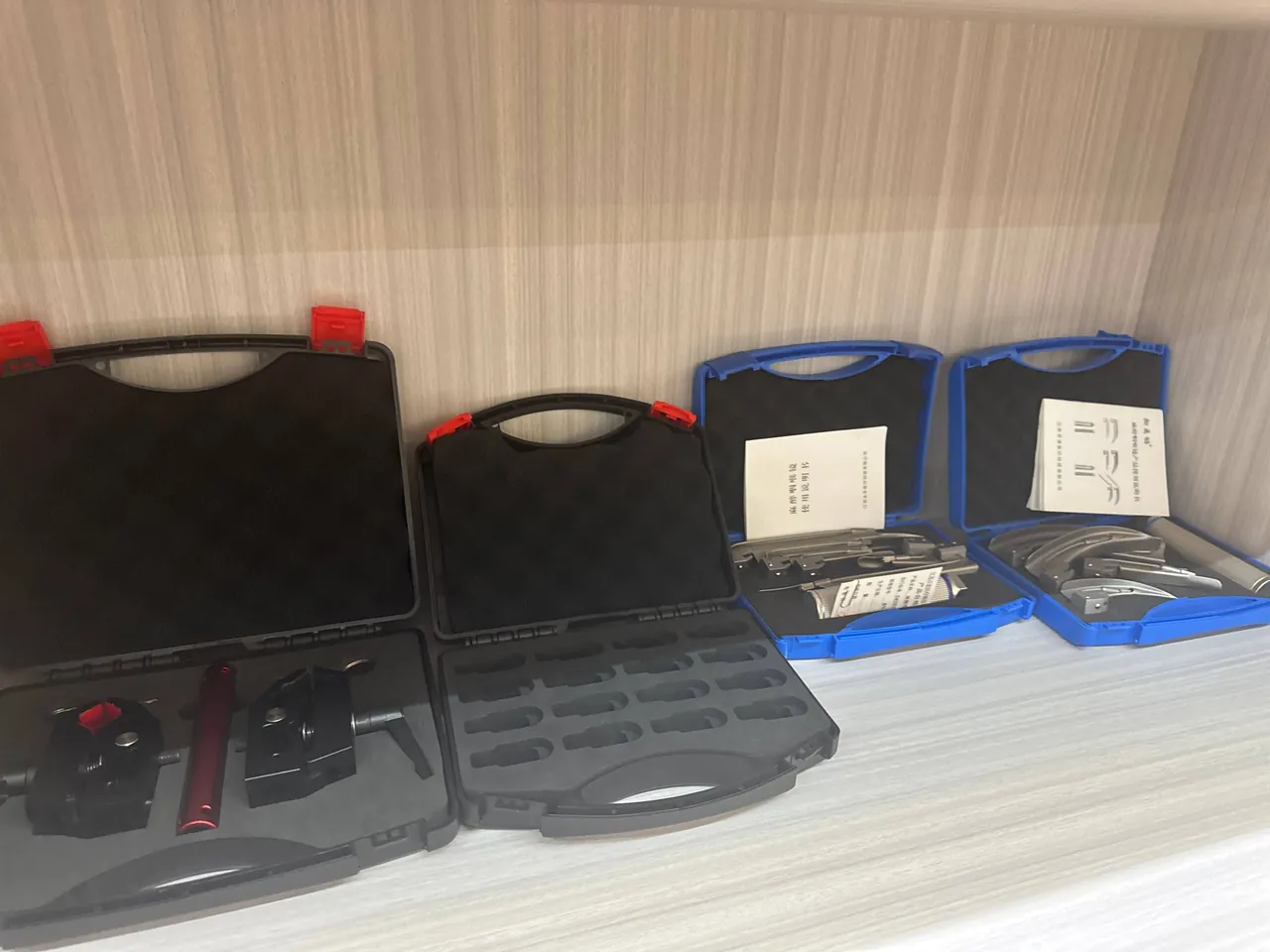
Airport ground-service cases refer broadly to protective containers used in aircraft parking, jet-bridge support, apron maintenance, fuel and special-vehicle operations, and similar ground-support segments to store tools, instruments, spare parts, and small equipment. They range from large wheeled transit cases to small handheld toolboxes; the main differences lie in volume, liner form, and sealing grade. Airport security inspection cases focus more tightly on the carry and deployment of security-channel, explosion-proof inspection, surveillance, and evidence equipment, emphasizing quick opening and tidy equipment positioning.
In terms of scope, ground-service cases cover mechanical maintenance, electrical repair, cabin cleaning, de-icing, and ground-power and air-conditioning cart interfaces across multiple work sections. Security cases serve X-ray machines, metal detection, explosive trace detection, and image-review systems. Although their purposes differ, their environmental-adaptation requirements are highly consistent: both must withstand apron sun, rain, salt spray, and handling drops.
Hard requirements imposed by the airport environment
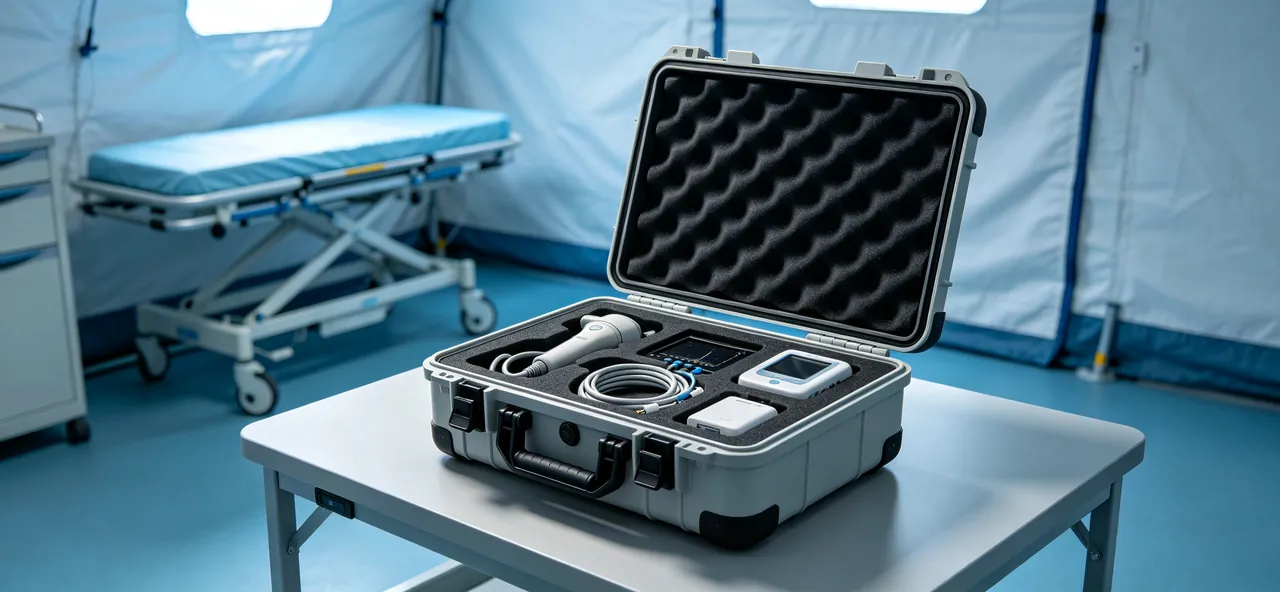
The open airport environment imposes far stricter hard metrics on protective cases than ordinary warehousing. First is dust and water resistance: apron dust, rainfall, and wash-down operations require a closed case to reach IP65 or above, and coastal airports with dense salt spray should target IP67. Second is impact resistance: frequent contact with baggage tugs, passenger stairs, and jet bridges creates knocks, so the case must pass ISTA or equivalent drop testing. Third is temperature tolerance: the wide span between hot apron summers and cold winters must not make the material brittle or soft.
Fourth is quick identification and handover: the case should have a clear label area and a seal slot, making it easy for ground crews to record the sealed state on a handover sheet. Fifth is ESD and EMC protection: some security and communication devices are static-sensitive, so the liner and walls need corresponding treatment. Only when these five points are met can a case be considered usable in airport conditions.
Core protection standards and certifications
The protective performance of airport ground-service and security inspection cases should rest on citable standard clauses. In China, GB/T 4208 (Degrees of protection provided by enclosure, IP code) corresponds to international IEC 60529. Impact and vibration can reference MIL-STD-810H method 516.8 (drop) and method 514.8 (vibration). Transport-packaging integrity can be checked against the ISTA 3 series. Where flame retardancy is required, the case material should meet a UL94 burning rating; common engineering plastics reach HB or V-2.
For security and communication equipment, the structural reliability of the seal strip, latches, and hinges should be accepted based on cycle-opening counts and salt-spray test hours. The procurement document should require the supplier to list the test method behind each declared rating in the contract, avoiding "verbal IP67" with no report support. Note that different standards have different boundaries: the IP rating describes dust and water, MIL-STD describes environmental endurance, and the two cannot substitute for each other.
Material structure and sealing design
Mainstream airport cases use modified PP (polypropylene), ABS, or PC engineering plastics. PP has good toughness, low-temperature resistance, and easy injection molding, suiting large cases. ABS has high rigidity and a good surface finish but needs attention to low-temperature brittleness. PC excels in impact and transparent parts, often used for viewing windows. Walls are mostly double-layer blow-molded or injection-reinforced rib structures, improving bending stiffness while keeping weight low.
Sealing design depends on the IP target: IP65 typically uses a compression gasket with clasp compression; IP67 needs a continuous closed-cell foam gasket and multi-point latches to prevent water ingress when immersed. Hinges should use stainless steel or anti-corrosion alloy; avoid ordinary carbon steel in salt-spray environments. JUNZHJIA typically uses a modified PP one-piece shell with a neoprene foam gasket for airport cases, and can match the seal kit to the device model to reduce later leakage risk.
Protection rating and selection reference
The table below maps common airport scenarios to recommended protection ratings for quick comparison during selection.
| Application scenario | Recommended IP | Impact reference | Typical liner |
|---|---|---|---|
| --- | --- | --- | --- |
| Apron maintenance tool transport | IP65 | ISTA 3A equivalent | Divider tray |
| Coastal-airport ground case | IP67 | MIL-STD-810H 516.8 | CNC-cut EVA |
| Jet-bridge equipment storage | IP54 | 1.2 m drop | Foam divider |
| Security equipment deployment | IP65 | ISTA 3E | Instrument cradle |
| Explosion-proof inspection kit | IP67 | Salt spray 48 h | Anti-static foam |
During selection, do not treat the IP number as "higher is always better"; match it to the device's actual exposure. Indoor jet-bridge equipment at IP54 is sufficient; blindly pursuing IP67 only raises cost and opening resistance. For powered equipment, also confirm the gasket contains no migrating plasticizer that could contaminate electronic connectors.
Foam lining and customization
The liner determines a device's survival rate under linear drop and random vibration. Common solutions include pre-milled divider trays, EVA foam die-cutting, open-lid instrument cradles, and adjustable partitions. For inspection and security equipment, CNC-precision EVA is recommended so the device fits "zero-clearance" in the case, with cable-management channels and document pockets reserved. Custom liners can also integrate multiple devices into one case, reducing handling trips.
JUNZHJIA can die-cut liners from device 3D data, outputting layered foam plans and partition layouts from the airport's equipment list and dimensions, and providing a sample case for sealed-acceptance before mass production. For multi-component security systems, custom liners significantly shorten channel-deployment time, which is a worthwhile capability to prioritize in bulk projects.
Typical use: ground-crew tool transport
Ground maintenance involves pneumatic tools, torque wrenches, lighting, and small motors that fear moisture and knocks. Ground cases typically use medium-to-large volume with divider trays, separating heavy sockets from precision instruments to avoid crushing. Wheeled versions suit long apron transfers; handheld versions suit local work in cabins and electronic bays. The surface should print a tool list and responsible crew for handover checks.
In practical placement, configure by the granularity of "one comprehensive maintenance case per overnight flight," placing commonly consumed items (lamps, fuses, seals) in a quick-access layer to shorten troubleshooting. For night work, add reflective strips or fluorescent label areas to improve low-light visibility.
Typical use: jet-bridge and gate equipment
Jet-bridge and gate equipment include boarding-bridge control interfaces, cabin test instruments, broadcast and intercom terminals, and mobile lighting. The characteristics are fixed placement and frequent access. These cases need not be large, but must open smoothly and label clearly. A handheld case above IP54 with light foam dividers separating cables from hosts is recommended to avoid tangling.
Gate areas have high foot traffic, so the case should lock or accept a seal to prevent unauthorized contact. For broadcast and communication equipment, the liner should provide EMC shielding to reduce mutual interference with other wireless systems. Related categories can reference the selection logic in Electronics Boxes & Component Boxes, which applies equally at airports.
Typical use: security inspection case transport and deployment
Airport security inspection cases carry and deploy X-ray accessories, metal-detection gate modules, explosive trace detectors, and image-review terminals. These devices are high-value and calibration-sensitive, so the case must satisfy three points: fixed equipment position after opening, no calibration drift from transit vibration, and a traceable sealed state visible at a glance during handover.
In deployment, security cases often move from storage to the channel and expand quickly, so the liner should achieve "take on open, stable on return." For consumable-sensitive devices like trace detectors, the case should have an anti-contamination compartment. For a more systematic security plan, combine this with Security Inspection Cases & Explosion-Proof Inspection Toolkits to connect single cases with whole-channel equipment management.
Size specifications and load parameters
The table below lists typical specifications for common airport ground and security cases; specifics depend on actual device dimensions.
| Category | Outline (L×W×H mm) | Tare weight | Rated load | Liner form |
|---|---|---|---|---|
| --- | --- | --- | --- | --- |
| Handheld tool case | 400×300×150 | 1.8 kg | 12 kg | Divider tray |
| Medium transit case | 600×400×250 | 3.5 kg | 30 kg | EVA die-cut |
| Large wheeled case | 900×500×350 | 7.0 kg | 60 kg | Layered cradle |
| Security instrument case | 550×420×220 | 3.0 kg | 25 kg | Instrument cradle |
Leave at least 15% margin in sizing to avoid wall contact that unbalances the seal under pressure. For air-freighted cases, also calculate gross weight and unit-load-device limit dimensions to prevent inability to fix inside the ULD.
Stacking, transport, and air-freight adaptation
Apron and warehouse space is tight, so cases are often stacked. Confirm the lid has anti-slip ribs or limit bosses so stacked cases do not slide laterally, and latches should not self-release under stacking load. In air freight, the case should meet general-cargo or corresponding dangerous-goods packaging requirements, metal parts should be rust-proofed, and markings should follow IATA conventions.
During transport, secure with straps or a container cage to prevent rolling that fatigues latches. For powered-equipment cases, complete battery-device separation or compliant packaging per carrier and destination regulations before air freight; never ship undisclosed lithium batteries with the case.
OEM/ODM and bulk supply
Airport projects are mostly bulk purchases, and case color, labeling, liner, and seal slots often must unify with corporate visual standards. JUNZHJIA offers OEM/ODM service, customizing case color, screen printing, and liner schemes to the airport or integrator brand spec, and supports turnkey whole-case configuration by equipment list to reduce on-site secondary assembly. For security and ground-system integrators, this "device + case + liner" integrated supply can significantly lower project delivery cost.
For bulk projects, accept a small sample batch first, then scale. The contract should define MOQ, lead time, spare ratio, and a five-year seal-kit supply to avoid later maintenance stockouts. For multi-base airport groups, build a unified case library with cross-site interchangeable spares.
Test documentation and quality traceability
As part of equipment assets, cases should enter quality traceability. Require the supplier to provide material description, IP-rating test summary, drop and vibration records, and batch numbers of key parts (gasket, latch, hinge) per case. For sensitive security cases, retain a sealed-record template for audit and handover.
JUNZHJIA can provide a per-batch archived test-document package in bulk orders, covering material flame retardancy, sealing, and drop verification, convenient for supplier review and annual re-inspection. Aligning case testing with device calibration cycles forms a complete support loop.
Common selection mistakes
Mistake one is looking only at price, not rating: low-cost cases often use recycled material and uncertified gaskets that age within a year in salt spray. Mistake two is treating the IP number as a universal indicator, ignoring impact and flame retardancy, so the case keeps water out but cracks on a single drop. Mistake three is compromising on the liner, using foam paper instead of die-cut foam, letting devices shift under transit vibration. Mistake four is ignoring label and seal slots, relying on verbal handover with unclear responsibility.
Mistake five is mixing scenarios, taking an indoor gate case to the rainy apron. The fix is to write five hard indicatorsIP, impact, flame retardancy, liner, and labelinginto the procurement spec, and accept by sample case.
Daily maintenance and care
Daily care extends case life noticeably. After each use, wipe off standing water and salt on the lid; coastal airports should rinse the gasket with fresh water then air-dry. Regularly check latches and hinges for looseness and the gasket for cracking or lost resilience; replace damp liner foam promptly to avoid mildew contaminating equipment. Avoid direct sunlight during long stacked storage to prevent material aging.
For spare management, keep gaskets and latches at about 3% of case count, and keep replacement liners at key bases. For security cases, record sealed state before and after each deployment; stop and inspect immediately if the seal is abnormal.
Procurement and stocking advice
Procurement in three steps: first sort the equipment list and exposure environment to set IP and impact grades; then select two or three suppliers with test documents for sample comparison; finally set color, liner, and spare plans by base distribution before scaling. On budget, do not push cases below 1% of device value, or the savings become higher repair and downtime costs.
On stocking, follow "common cases in safety stock, special cases by project": keep ground comprehensive cases and security instrument cases in safety inventory, customize special device cases on demand. For a wider product matrix, combine Hardware Toolboxes & Power/Manual/Repair Tool Boxes and Military Equipment Boxes & Tactical Gear Boxes as lateral references to build a full-site case system.
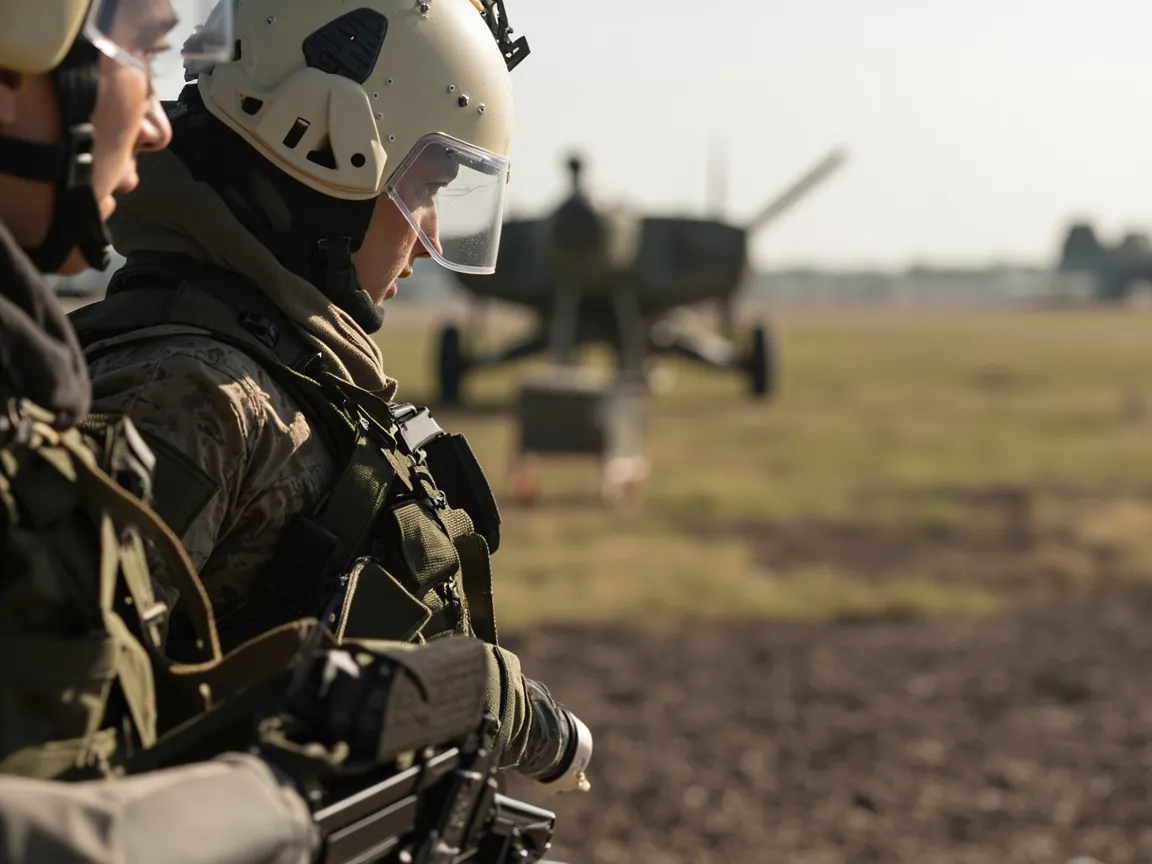
In real-world deployments, selecting Airport Ground-Service Cases & Airport Security Inspection Cases should never reduce to picking a box by its outer dimensions. These units face combined hazards of dust, moisture, vibration and temperature swing, so dust/water protection, shock resistance and foam retention must be specified together to avoid costly rework after delivery.
From a supply-chain perspective, categories like airport ground service cases security inspection protective case custom foam insert are better served by batch customization than scattered purchases. A volume program locks case color, silkscreen identity, custom-cut foam and seal slots, keeping equipment consistent across sites and cutting the cost of non-interchangeable spares.
Standards give the acceptance its backbone. Airport Ground-Service Cases & Airport Security Inspection Cases should map to GB/T 4208 (IEC 60529) for the IP code, MIL-STD-810H for drop and vibration methods, and the ISTA transit series; where flammability matters, add the UL94 rating. Put the standard numbers in the contract so vendors cannot substitute claims for test reports.
On materials, modified PP, ABS and PC each trade off differently. PP brings toughness and low-temperature resistance for large cases; ABS is rigid but brittle when cold; PC excels in impact and clear windows. For airport ground service cases security inspection protective case custom foam insert, a one-piece shell with neoprene or EPDM foam gasket tends to age more predictably under salt spray and UV.
Foam is what turns a generic case into a purpose-built one. CNC-cut EVA, layered foam and adjustable dividers let the device sit with zero clearance, so it cannot shift under shock or drop. For Airport Ground-Service Cases & Airport Security Inspection Cases, custom foam also shortens field setup and re-stow time, and the investment is usually far below a single instrument repair.
Maintenance is routinely overlooked. After each use, wipe standing water and salt from the lid, and on coastal sites rinse the gasket with fresh water then air-dry; periodically check latches and hinges for looseness and the gasket for cracks or loss of spring. Stocking latches and gaskets at about 3% of case count contains sudden failures.
Test documentation is the lever for traceability. Ask the supplier to ship material statements, IP summaries, drop and vibration records, and batch numbers for gasket, latch and hinge. For airport ground service cases security inspection protective case custom foam insert, also keep a seal-status template for handover and audit, closing the loop from order to operation.
The procurement spec should name five hard metrics: target IP grade, the matching shock standard, flammability grade, foam form and the identification/seal position. Make sample-case acceptance a contract milestone, lock process and materials on the sample, then inspect volume lots to the same standard with per-batch files to keep lot-to-lot variance in check.
On site, traceable seal status often matters more than the case itself. Build a one-case-one-record habit listing the device inventory, calibration validity and seal state, checked before every use. This supports availability and gives closed-loop evidence for audits and accountability, especially at scale.
JUNZHJIA typically offers OEM/ODM and device-shaped foam tooling for Airport Ground-Service Cases & Airport Security Inspection Cases, and can deliver per-batch test-file packages covering material flammability, sealing and drop, so buyers can call them up during supplier review and annual re-inspection.
Temperature swing is often underestimated. If Airport Ground-Service Cases & Airport Security Inspection Cases is used in freezing or hot environments, confirm the material brittle-point and heat-deflection temperatures to avoid cold cracking or heat softening. For airport ground service cases security inspection protective case custom foam insert, an insulated wall or phase-change buffer can keep the interior steadier during short transits.
Stacking and transit design affect field efficiency. The lid should carry anti-slip ribs or locating bosses so stacked cases will not slide sideways, and latches must not pop open under stacked load. For Airport Ground-Service Cases & Airport Security Inspection Cases, calculate gross weight against the container limit and secure with straps or a cage to prevent latch fatigue from in-vehicle rolling.
ESD and EMC are implicit requirements for electronic equipment cases. For sensitive devices, use anti-static foam and consider a conductive layer or metallized film in the wall for shielding that lowers cross-talk with other radios. For airport ground service cases security inspection protective case custom foam insert, apply these only as the device manual's ESD/EMC spec demands, avoiding blind over-build.
Cost should not be judged on unit price alone. A case below about 1% of the device value usually means cut materials and seals, and the long-run repair and downtime cost is higher. For Airport Ground-Service Cases & Airport Security Inspection Cases, use a whole-life cost view that counts failure rate, spare availability and seal-verification time to find the option that is truly cheaper.
A smooth customization flow protects the lead time. The ideal path is: provide the device list and 3D data, the supplier returns a foam layout and a sample case, and volume runs start after seal verification. For Airport Ground-Service Cases & Airport Security Inspection Cases, writing the foam tooling and sample milestone into the contract sharply reduces field rework and repeated changes.
A scenario-based grade map cuts selection guesswork. For airport ground service cases security inspection protective case custom foam insert, build a table linking scenario to IP grade and liner form so apron, warehouse and channel environments each map to a case, letting front-line crews pick by the table and lowering the risk of water entry or calibration drift from misuse.
In real-world deployments, selecting Airport Ground-Service Cases & Airport Security Inspection Cases should never reduce to picking a box by its outer dimensions. These units face combined hazards of dust, moisture, vibration and temperature swing, so dust/water protection, shock resistance and foam retention must be specified together to avoid costly rework after delivery.
From a supply-chain perspective, categories like airport ground service cases security inspection protective case custom foam insert are better served by batch customization than scattered purchases. A volume program locks case color, silkscreen identity, custom-cut foam and seal slots, keeping equipment consistent across sites and cutting the cost of non-interchangeable spares.
Standards give the acceptance its backbone. Airport Ground-Service Cases & Airport Security Inspection Cases should map to GB/T 4208 (IEC 60529) for the IP code, MIL-STD-810H for drop and vibration methods, and the ISTA transit series; where flammability matters, add the UL94 rating. Put the standard numbers in the contract so vendors cannot substitute claims for test reports.
On materials, modified PP, ABS and PC each trade off differently. PP brings toughness and low-temperature resistance for large cases; ABS is rigid but brittle when cold; PC excels in impact and clear windows. For airport ground service cases security inspection protective case custom foam insert, a one-piece shell with neoprene or EPDM foam gasket tends to age more predictably under salt spray and UV.
Foam is what turns a generic case into a purpose-built one. CNC-cut EVA, layered foam and adjustable dividers let the device sit with zero clearance, so it cannot shift under shock or drop. For Airport Ground-Service Cases & Airport Security Inspection Cases, custom foam also shortens field setup and re-stow time, and the investment is usually far below a single instrument repair.
Maintenance is routinely overlooked. After each use, wipe standing water and salt from the lid, and on coastal sites rinse the gasket with fresh water then air-dry; periodically check latches and hinges for looseness and the gasket for cracks or loss of spring. Stocking latches and gaskets at about 3% of case count contains sudden failures.
Test documentation is the lever for traceability. Ask the supplier to ship material statements, IP summaries, drop and vibration records, and batch numbers for gasket, latch and hinge. For airport ground service cases security inspection protective case custom foam insert, also keep a seal-status template for handover and audit, closing the loop from order to operation.
The procurement spec should name five hard metrics: target IP grade, the matching shock standard, flammability grade, foam form and the identification/seal position. Make sample-case acceptance a contract milestone, lock process and materials on the sample, then inspect volume lots to the same standard with per-batch files to keep lot-to-lot variance in check.
On site, traceable seal status often matters more than the case itself. Build a one-case-one-record habit listing the device inventory, calibration validity and seal state, checked before every use. This supports availability and gives closed-loop evidence for audits and accountability, especially at scale.
JUNZHJIA typically offers OEM/ODM and device-shaped foam tooling for Airport Ground-Service Cases & Airport Security Inspection Cases, and can deliver per-batch test-file packages covering material flammability, sealing and drop, so buyers can call them up during supplier review and annual re-inspection.
Temperature swing is often underestimated. If Airport Ground-Service Cases & Airport Security Inspection Cases is used in freezing or hot environments, confirm the material brittle-point and heat-deflection temperatures to avoid cold cracking or heat softening. For airport ground service cases security inspection protective case custom foam insert, an insulated wall or phase-change buffer can keep the interior steadier during short transits.
Stacking and transit design affect field efficiency. The lid should carry anti-slip ribs or locating bosses so stacked cases will not slide sideways, and latches must not pop open under stacked load. For Airport Ground-Service Cases & Airport Security Inspection Cases, calculate gross weight against the container limit and secure with straps or a cage to prevent latch fatigue from in-vehicle rolling.
ESD and EMC are implicit requirements for electronic equipment cases. For sensitive devices, use anti-static foam and consider a conductive layer or metallized film in the wall for shielding that lowers cross-talk with other radios. For airport ground service cases security inspection protective case custom foam insert, apply these only as the device manual's ESD/EMC spec demands, avoiding blind over-build.
Cost should not be judged on unit price alone. A case below about 1% of the device value usually means cut materials and seals, and the long-run repair and downtime cost is higher. For Airport Ground-Service Cases & Airport Security Inspection Cases, use a whole-life cost view that counts failure rate, spare availability and seal-verification time to find the option that is truly cheaper.
Frequently Asked Questions
Q: What is the minimum protection rating an airport case must meet? A: There is no unified mandatory minimum; grade by the device's actual exposure. Indoor jet-bridge and gate equipment at IP54 is usually enough; open apron work and coastal salt spray suggest IP65 as a start, with IP67 for critical powered equipment. The basis is not guesswork but whether the device gets rained on, contacts dust, or is washed down. Write the target IP and the corresponding GB/T 4208 or IEC 60529 test method into the spec, and require a rating-verification summary from the supplier. A case that only says "waterproof" with no rating or report should not be used for critical airport equipment.
Q: Can ground-service cases and security inspection cases be used interchangeably? A: They can partially overlap but should not be mixed indiscriminately. Their materials and structure are similar, but their logic differs: ground cases emphasize multi-compartment tool and spare storage, frequent opening, and long transfers; security cases emphasize zero-clearance fixation of precision instruments, calibration protection, and traceable sealing. Putting security instruments in a normal ground case may cause calibration drift from vibration; putting heavy sockets in a precision instrument case crushes the liner. A safer approach is one case platform with different liners per device, sharing shell cost while meeting each protection need.
Q: Does an IP67 label mean the case can be immersed? A: Not universally. IP67 means no water ingress at 1 meter depth for 30 minutes under lab conditions; it is not a license for long-term submersion or ignoring wear. In real airport scenes, latch fatigue, gasket aging, and trapped debris all reduce sealing. So even at IP67, regularly check gasket resilience and latch closure; do not treat the case as a diving container. Also distinguish "case IP67" from "device IP67"the device's own connectors and vent valves are often the weak points.
Q: Can foam paper replace die-cut EVA liner? A: For temporary transfers yes, for long-term protection no. Foam paper is cheap and wrappable but cannot fix device position; under random transit vibration devices shift and collide, which precision instruments especially hate. Die-cut EVA mills slots from device 3D data for "embed and stay," reserving cable channels and document pocketsthe standard for security and inspection cases. If budget is tight, at least use die-cut liner for high-value devices and divider trays for ordinary consumables. Custom-liner investment is usually far below one device repair.
Q: How to control quality consistency in bulk purchase? A: The key is writing "sample-case acceptance" as a contract milestone. First make a small sample, accept on IP, drop, flame retardancy, and liner fit; after passing, lock the process and materials, inspect mass batches to the same standard, and require per-batch test documents. For multi-base airports, build a unified case and spare library to avoid cross-batch liner incompatibility. The contract should also define a five-year supply of gaskets and latches to prevent later maintenance stockouts.
Q: How to prevent salt-spray corrosion on coastal-airport cases? A: Address material and hardware together. Prefer salt-spray-resistant modified PP or UV-stabilized engineering plastic for the shell; use stainless steel or anti-corrosion alloy for latches, hinges, and rivets, avoiding ordinary carbon steel. Choose ozone- and aging-resistant neoprene or EPDM foam gaskets, and rinse with fresh water regularly in coastal environments then air-dry to slow salt-crystal wear. Write salt-spray test hours (e.g., 48 h, 96 h) into the spec and require the reportmore reliable than just the word "stainless."
Q: Do security cases need anti-static or shielding? A: Most security and communication devices are static- and EMI-sensitive, so corresponding treatment is advised. Liners can use anti-static foam; walls can laminate a conductive layer or metallized film for EMC shielding, reducing mutual interference with other wireless systems. But anti-static and shielding add cost, so configure per the device manual's ESD/EMC requirements rather than blanketing the network. For consumable-sensitive devices like trace detectors, also have an independent anti-contamination compartment to avoid cross-contamination affecting results.
Q: What to note when air-freighting these cases? A: Focus on weight, fixation, and battery compliance. First calculate gross weight and ULD limit dimensions to ensure the case can be strapped fixed without rolling; rust-proof metal parts and follow IATA marking conventions. If the case carries lithium-powered devices or spares, complete declaration, insulation, and independent packaging per carrier and destination regulations; never ship undisclosed cells. For powered-equipment cases, separate or compliantly package devices before transport, and re-check sealed state after arrival before deployment.
Q: How to judge whether a supplier has real test capability? A: Look at three things: can it provide test summaries corresponding to declared ratings, not just brochures; can it archive per-batch material, IP, drop, and flame records; and does it have engineering ability to die-cut liners by device. Suppliers with OEM/ODM and custom-liner experience usually output liner layouts and sample cases to support sealed acceptance. For airport projects, make "provide test-document package" a winning condition and include it in annual supplier re-inspection.
Conclusion and Related Reading
Selecting airport ground-service and security inspection cases is essentially building a traceable, verifiable protective barrier for devices under harsh airport conditions. Writing five hard indicatorsIP rating, impact resistance, flame retardancy, liner, and labelinginto the spec and landing them through sample-case acceptance is the most direct way to avoid low-price traps. JUNZHJIA's capabilities in custom liners, OEM/ODM, and test-document archiving can serve as an optional cooperation path for bulk airport projects.
Related Reading