

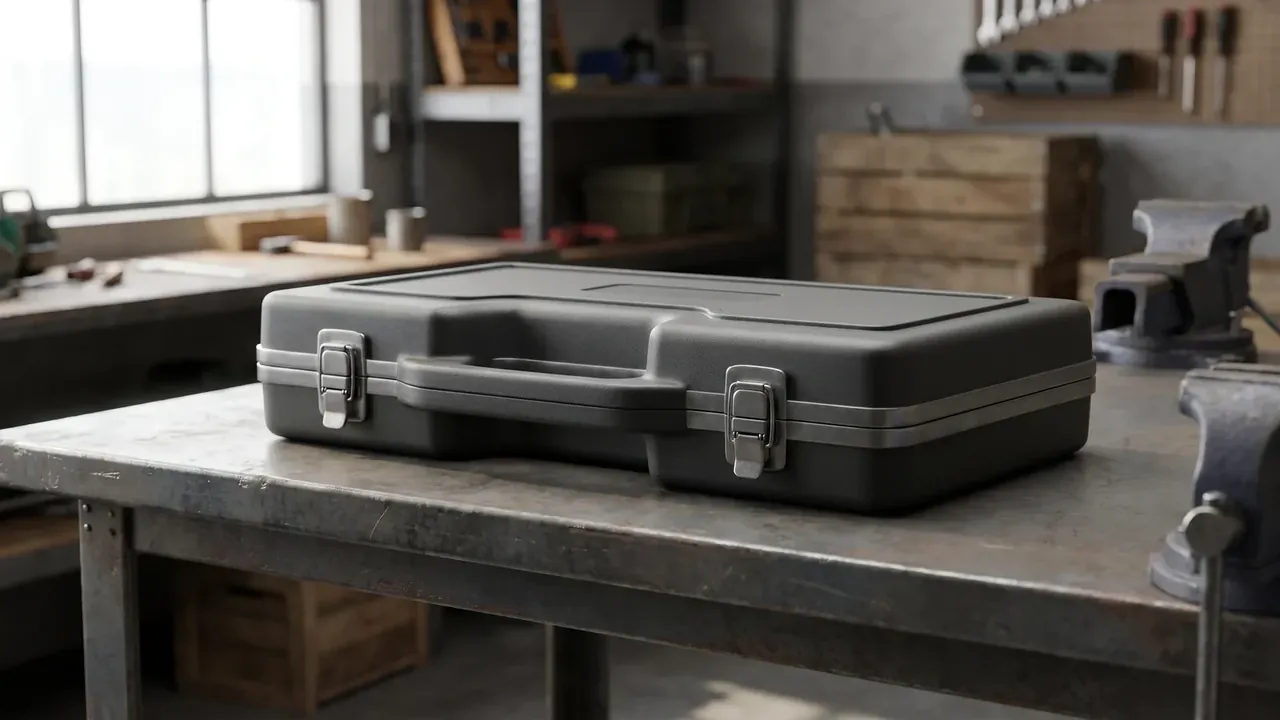
Quick answer: A recheck clause on Ammunition and Nuclear Ordnance Boxes usually says one thing: inspect after 12 months in store. Split it into 30, 90 and 360-day actions with 2 limits each, and the sentence becomes a record anyone can sign.
Table of contents
- What the Recheck Clause Actually Asks For
- Inspection Intervals: 30, 90 and 360 Days
- Cleaning and Gaskets: When Replacement Is Mandatory
- Extension or Downgrade: Repair, Replace, Retire
- FAQ
1. What the Recheck Clause Actually Asks For
Procurement paperwork on Ammunition and Nuclear Ordnance Boxes gives one line: a visual and pressure check after 12 months of storage. It names no inspection points and no pass level. Break it into 4 actions: look, measure, open, record.
Look covers the lid joint, 4 corners, latch seats and handle roots. On Ammunition and Nuclear Ordnance Boxes, measure means 3 numbers: wall above 8 mm, gasket compression above 15%, cavity humidity below 40%. Record means batch, date, inspector and verdict; miss 1 and the check never happened.
The baseline for Ammunition and Nuclear Ordnance Boxes is the factory record: initial pressure drop, 6 wall readings, liner moisture.
2. Inspection Intervals: 30, 90 and 360 Days
The 30-day level on Ammunition and Nuclear Ordnance Boxes is visual, 5 minutes per unit. Note warp above 0.5 mm at the lid seam. A latch that runs loose means a stretched seat.
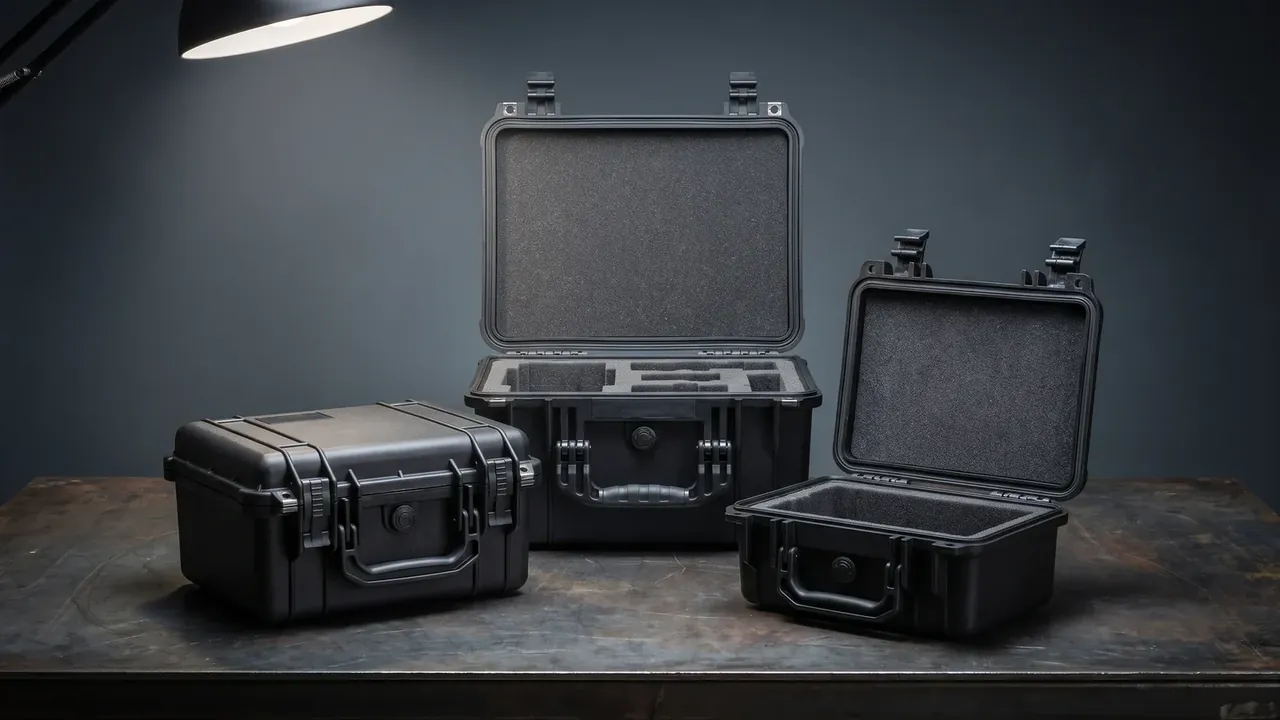
The 90-day level needs the lid open, about 15 minutes. Check the liner back, feel whether the gasket has gone tacky, press the valve. The 360-day recheck on Ammunition and Nuclear Ordnance Boxes uses instruments instead: 6 wall readings, a 30-minute decay, the salt-spray log.
Collapsing 3 levels into 1 is the commonest failure on site; 11 months then pass unobserved.
| Level | Interval | Time | Limit |
|---|---|---|---|
| Visual | 30 days | 5 minutes | Warp > 0.5 mm |
| Functional | 90 days | 15 minutes | Compression < 15% |
| Formal | 360 days | 2 hours | Decay > 2% |
3. Cleaning and Gaskets: When Replacement Is Mandatory
The shell of Ammunition and Nuclear Ordnance Boxes takes water and a neutral detergent, worked along the groove. Solvent cleaners swell EPDM, and 3 days in the sun raise a ridge that leaks.
Gasket life on Ammunition and Nuclear Ordnance Boxes is compression set, not a calendar. Lay it flat for 24 hours; replace it if the recovered height is 20% below original. Cracks 0.2 mm deep or a corner offset above 1 mm count too.
Fitting matters more than the part. Old adhesive must come down to bare groove, because 0.1 mm of residue tilts the seal. A decay test 2 hours after fitting should hold under 2% across 30 minutes. Handle bolts return to 8 N·m.
4. Extension or Downgrade: Repair, Replace, Retire
Repair assumes the shell is intact. Rotomoulded Ammunition and Nuclear Ordnance Boxes take a same-material weld: ground groove, 260 °C air, matching rod, wall no thinner than 8 mm, no second defect within 50 mm. Metal bodies are replace-only.
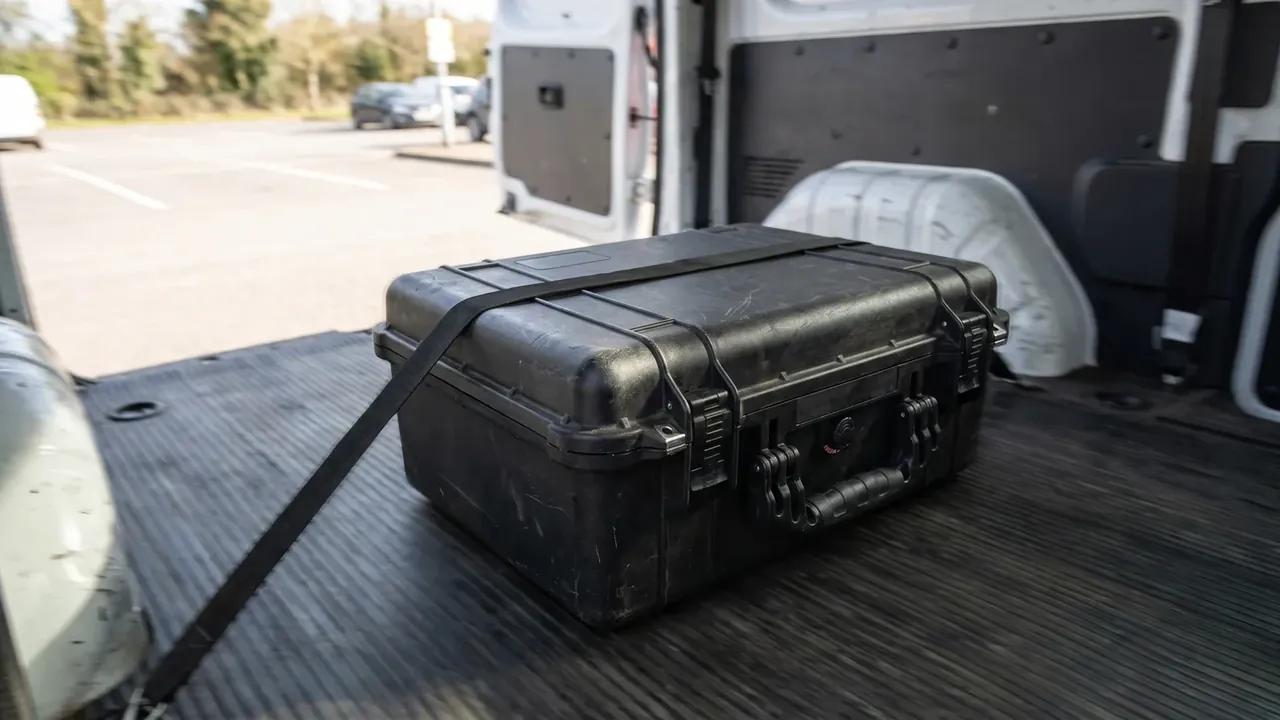
Retirement has 3 triggers: wall below 80% of the 8 mm nominal, that is 6.5 mm; a through crack; a hinge crack over 10 mm. Any one ends sealed storage.
A gasket and latch set costs about 6% of unit price and buys 3 years; a weld plus recheck costs 12% and buys 2 years, 1 grade lower. For stock past 5 years, run the sum on Ammunition and Nuclear Ordnance Boxes first.
| Condition | Action | Evidence |
|---|---|---|
| Recovery < 20% | Replace gasket | 24-hour flat test |
| Wall 6.5 to 8 mm | Weld and recheck | 6-point survey |
| Wall < 6.5 mm | Downgrade or scrap | 80% of nominal |
| Hinge crack > 10 mm | Stop use | Visual plus penetrant |
Conclusion
A recheck clause performs no maintenance by itself; it works split into 3 intervals with 2 limits each. Four actions fix what people do, and 6.5 mm, 20% and 2% fix what they conclude. The life of Ammunition and Nuclear Ordnance Boxes is settled on that sheet.
This article discusses only the container (case body) side of specifications and design intent, and does not cover any handling, loading or use of the contents.
Related Reading
- Recheck and labelling clauses in the military case standard
- How body and lid layers set the inspection points
- Derusting and repainting a steel ammunition box
- Gasket ageing against cavity humidity
Related Products
- 8 Series — Gun Cases; Military Equipment Cases; Camera Equipment Cases; Drone Cases; Watch Cases; Knife Cases; First Aid Cases; Electronics Equipment Cases
- WL8-2812 PP Gun Case — model WL8-2812
- All protective cases and toolboxes: 7 series, 158 models