

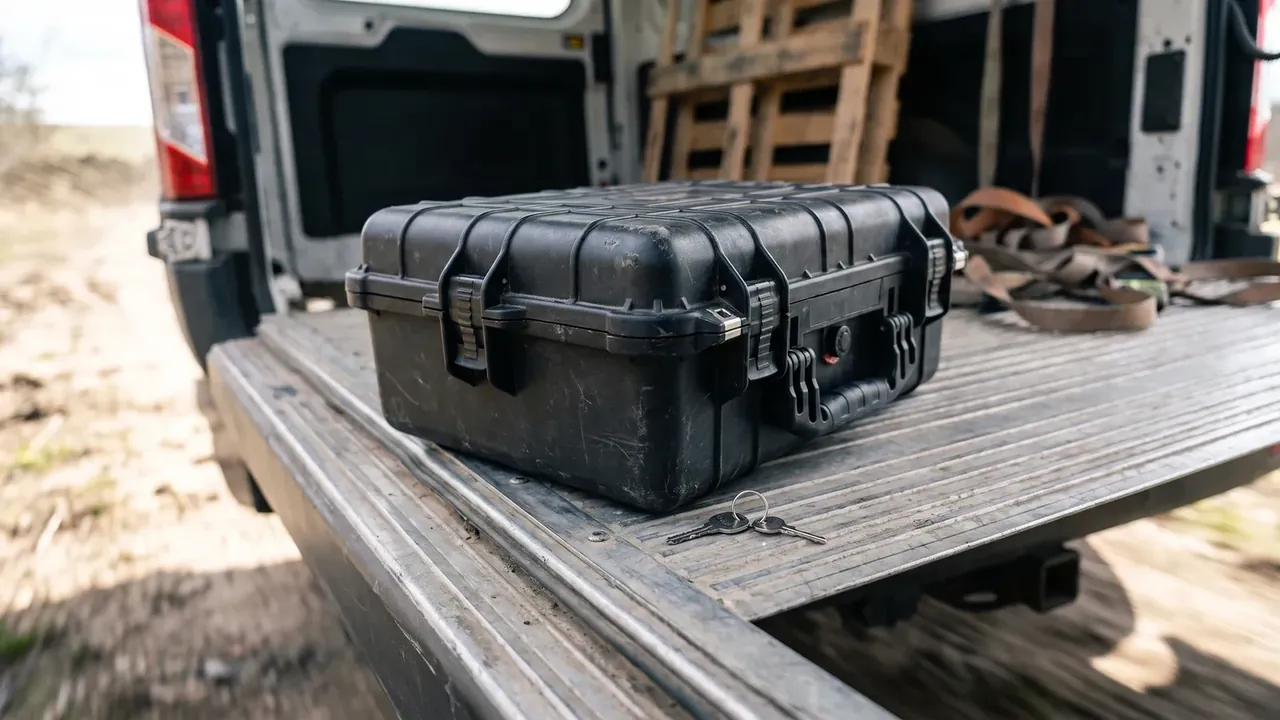
Quick answer: Artillery shell box maintenance needs no teardown, only six checks in a fixed order: gasket, pressure valve, latches, hinges, liner, markings and shell. Each has a measurable condemning line, and the discipline is writing the thresholds down.
Table of contents
- Six Fixed Checks in Artillery Shell Box Maintenance
- Seals: Compression Set and the Replacement Line
- Latches and Hinges: Torque, Gap and Looseness
- Liner and Markings: Rebound, Chalking and Legibility
- Condemning a Case and the Inspection Interval
- FAQ
1. Six Fixed Checks in Artillery Shell Box Maintenance
A check is not a verdict on how dirty a case looks. It is six points in the same order every time: gasket, valve, latches, hinges, liner, markings and shell. Fixed order keeps records comparable, and the change between visits beats any single reading.
| Check | Action | Condemning line |
|---|---|---|
| Gasket | free height, witness mark | rebound under 85% |
| Valve | press disc, listen | opening above 0.35 bar |
| Latches | close, gauge torque | under 3 N·m |
| Hinges | rock the open lid | gap over 0.3 mm |
| Liner | press, check corners | rebound under 85% |
| Markings | read, feel for cracks | under 0.3 mm, crack 5 mm |
Three checks are visual, three manual; a case takes five minutes, and a 200-case store two people a day.
2. Seals: Compression Set and the Replacement Line
Gasket failure is measurable. A new gasket sits at 25% to 30% compression; if free height returns to under 85%, the set has passed 40% and sealing becomes probability.
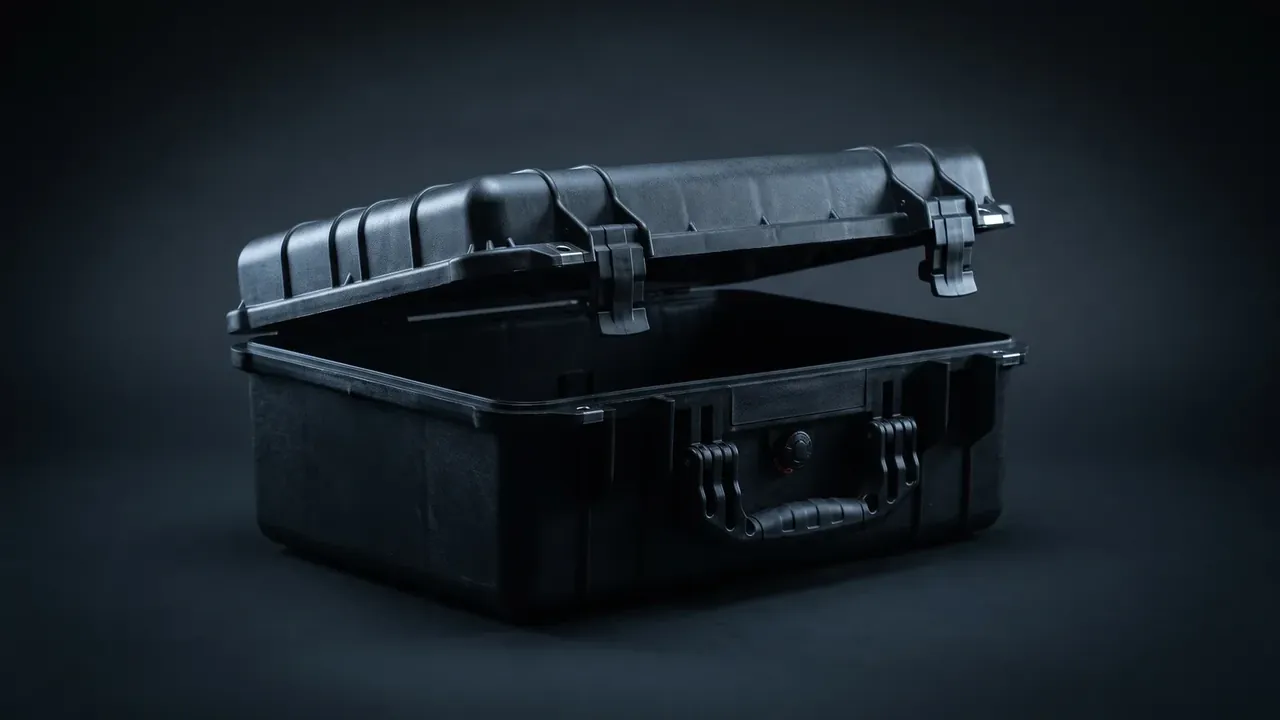
Temperature belongs in the same check: two hours at -25 °C then a 180-degree bend, where a crack means replacement now, since such cracks close at room temperature and hide. Grease in the groove is worse than none, because it swells the rubber until the latch will not close.
The pressure valve is half the seal. Press the disc with a fingertip: a faint hiss on release passes; none, or one delayed past two seconds, means clean or replace.
3. Latches and Hinges: Torque, Gap and Looseness
The classic latch fault closes without compressing. Normal torque is 4 to 6 N·m; below 3 N·m the cam has worn, the latch still holds, the gasket never reaches design compression, and the leak starts at a corner.
| Part | New | Floor | Action |
|---|---|---|---|
| Latch torque | 4 to 6 N·m | 3 N·m | replace latch |
| Hinge gap | 0.1 mm | 0.3 mm | replace pin |
Hinges are judged by feel: open the lid to ninety degrees and rock it; past 0.3 mm a pin is worn, and a new gasket will not fix the uneven witness mark. Stripped bosses are the other blind spot, best fixed with a nylon plug.
4. Liner and Markings: Rebound, Chalking and Legibility
Liner failure in an artillery shell box starts at the corners. Rebound under 85%, or foam that powders under a thumb, means the damping is gone even when the shell is perfect. Fine cracks beside a cut are normal; cracks reaching the next cavity justify a whole new liner.
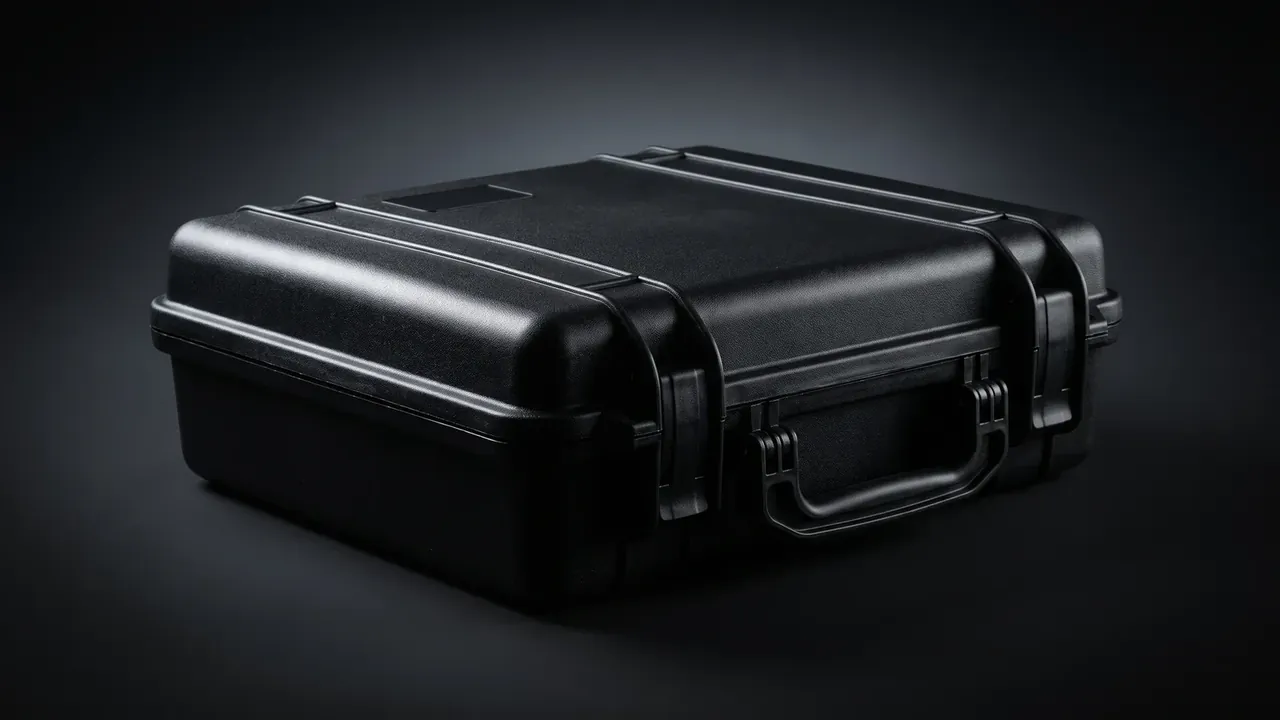
Markings carry a number too: characters worn from 0.6 mm to under 0.3 mm cannot be read at a metre, so remould or apply a label, never spray paint. On the shell, look for parting-line cracks past 5 mm and feet crushed past 2 mm.
5. Condemning a Case and the Inspection Interval
Condemning an artillery shell box is not a matter of looking old. Three conditions define it: a structural crack that will not close, a sealing face no gasket can restore, and a stripped boss beyond repair. Two allow downgrade; all three end the case.
| Interval | Scope | Record |
|---|---|---|
| every issue | latch closure, markings | tick on card |
| monthly | gasket mark, valve hiss | 20% sample |
| quarterly | hinge gap, liner rebound | full check |
| yearly | torque, shell cracks | written verdict |
Intervals follow failure speed: latches and markings are handled daily, gasket and valve drift over months, hinges over quarters, torque and structure over years. Numbers beat ticks, because a gasket at 87% still has two inspections of margin.
Conclusion
Maintenance stops faults before the replacement line: measure gasket rebound, listen to the valve, gauge latch torque, rock the hinge, press the liner, read marking depth. Six thresholds, written down, turn an opinion into a decision. A case kept on those lines reaches eight years, and that is what artillery shell box maintenance buys.
This article discusses only the container (case body) side of specifications and design intent, and does not cover any handling, loading or use of the contents.
Related Reading
- Standards behind an artillery shell box
- Maintenance points for storage
- Maintaining metal ammunition boxes
- Routine care for rotomolded cases
Related Products
- 8 Series — Gun Cases; Military Equipment Cases; Camera Equipment Cases; Drone Cases; Watch Cases; Knife Cases; First Aid Cases; Electronics Equipment Cases
- WL8-2812 PP Gun Case — model WL8-2812
- All protective cases and toolboxes: 7 series, 158 models