

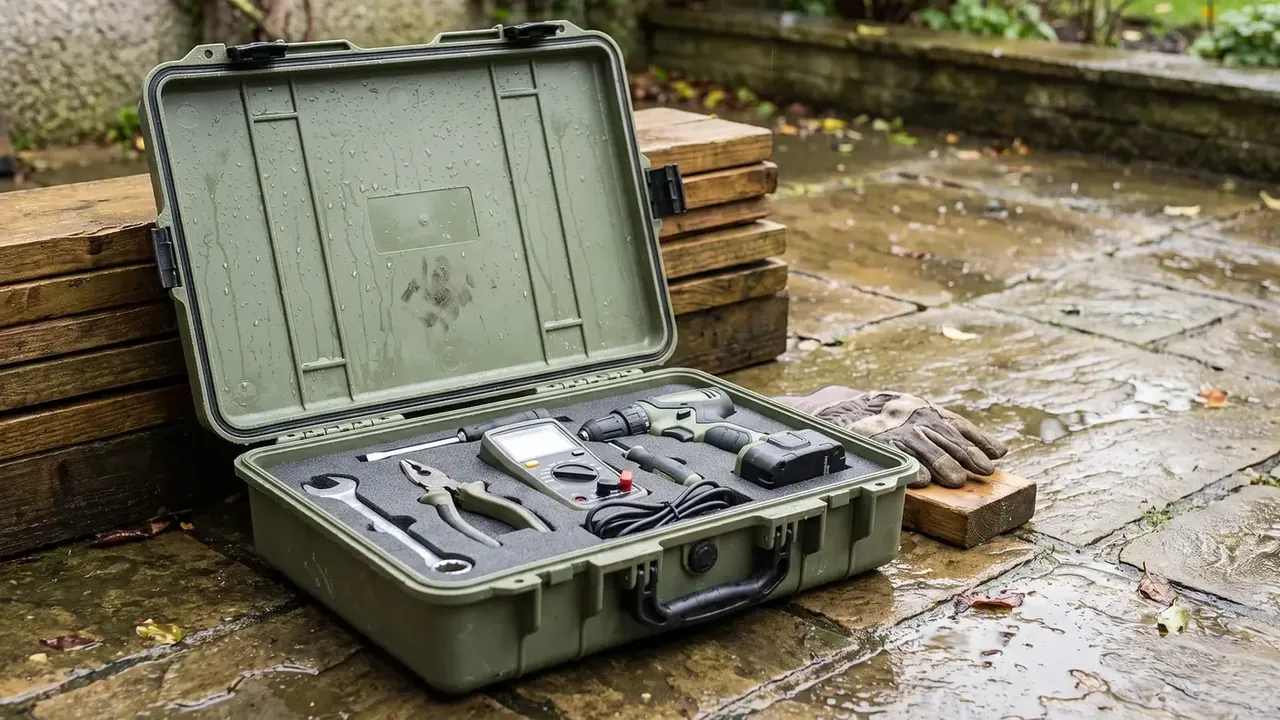
Quick answer: A workable Artillery Shell Storage Container standard replaces adjectives with readings: fixed checks, batch-tied sampling, defect classes with sign-off rights, and a firm retention period.
Table of contents
- What an Artillery Shell Storage Container Standard Must Measure
- Sampling by Batch, Not by Pallet
- Defect Classes and Signing Rights
- Reports and Retention Periods
- Quarantine and Re-inspection
- FAQ
1. What an Artillery Shell Storage Container Standard Must Measure
Acceptance begins by rewriting the specification. “Appearance acceptable” gives two inspectors two verdicts; “no through-crack at 600 mm under D65 light” gives one. Eight check groups follow, and the record column stays: without raw readings nothing was inspected.
| Check | Method | Typical failure |
|---|---|---|
| Cavity size | Tape and caliper, three points per axis | Bulged wall, shifted groove |
| Wall thickness | Ultrasonic, four side points | Thin spot at 3.8 mm |
| Latch retention | Tensile gauge, 50 mm per minute | Slow latch return |
| Sealing | 20 kPa held 5 minutes | Corner leak above 1 kPa |
| Stack load | 800 kg on the lid, 24 hours | Lid sag, side bulge |
| Cold drop | 4 hours at minus 25 C, then 1.2 m | Corner crack, keeper chip |
| Corrosion | Neutral salt spray, 48 hours | Rust over 5 percent |
| Traceability | Mould, batch, resin grade | Missing batch code |
Reading rules belong in the annex: lowest of four side points, a separate 6 mm base, the whole force curve, pressure read when the clock stops. Judge fit assembled, since parts that pass alone can still refuse to close.
2. Sampling by Batch, Not by Pallet
An Artillery Shell Storage Container batch means one mould, one resin grade and one continuous shift. Pallets mix shifts, so split the delivery first.
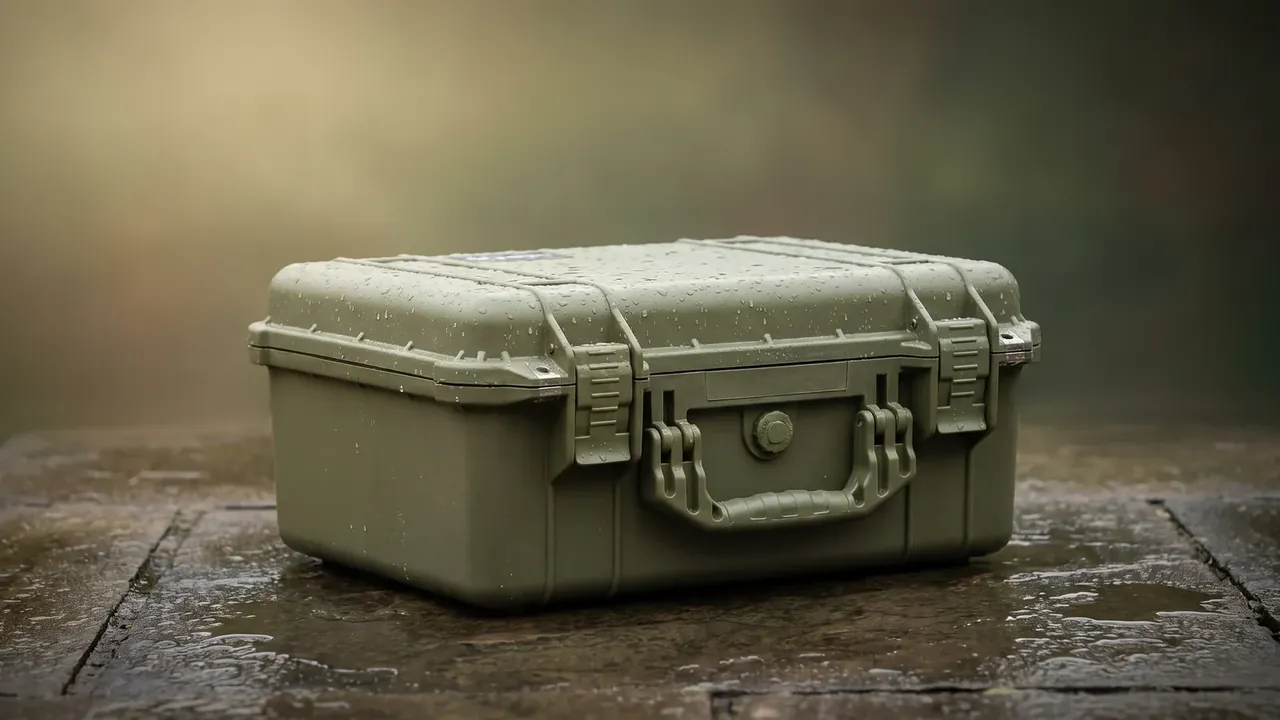
Apply general inspection level II: appearance at AQL 4.0, functional items at zero acceptance, one rejection. Destructive checks sit outside the plan: three cold-drop units and two stack-load units from three cavities.
| Batch size | Sample | Appearance verdict | Functional verdict |
|---|---|---|---|
| 91 to 150 | 20 | accept 2, reject 3 | accept 0, reject 1 |
| 151 to 280 | 32 | accept 3, reject 4 | accept 0, reject 1 |
| 281 to 500 | 50 | accept 5, reject 6 | accept 0, reject 1 |
| 501 to 1200 | 80 | accept 7, reject 8 | accept 0, reject 1 |
The record names sampler, time, pallet and cavity, samples from top, middle and bottom. First-off judgement runs one grade stricter; the spare sample stays sealed 30 days.
3. Defect Classes and Signing Rights
Critical: decay above 1.0 kPa, a broken latch or retention under 450 N, wall under 4.2 mm. Major: cavity deviation within 1.5 mm, stack set of 2 to 4 mm. Minor: colour shift, offset to 2 mm.
| Class | Verdict | Sign-off |
|---|---|---|
| Critical: decay over 1.0 kPa, broken latch, wall under 4.2 mm | Reject | Buyer and quality manager |
| Major: cavity within 1.5 mm, set of 2 to 4 mm | Rework or concession | Quality manager, buyer notified |
| Minor: colour shift, offset to 2 mm | Counted as acceptable | Inspector on the spot |
A concession is written: quantity cap, 30 day window, permitted use. Two in a row on one defect trigger a review. Rejection needs the failed list and raw readings, with five working days to object.
4. Reports and Retention Periods
Each Artillery Shell Storage Container batch deserves a report: a report number, a link between sample and batch, a verdict per item, instrument numbers with calibration dates, two signatures. Third-party reports older than 12 months are repeated.
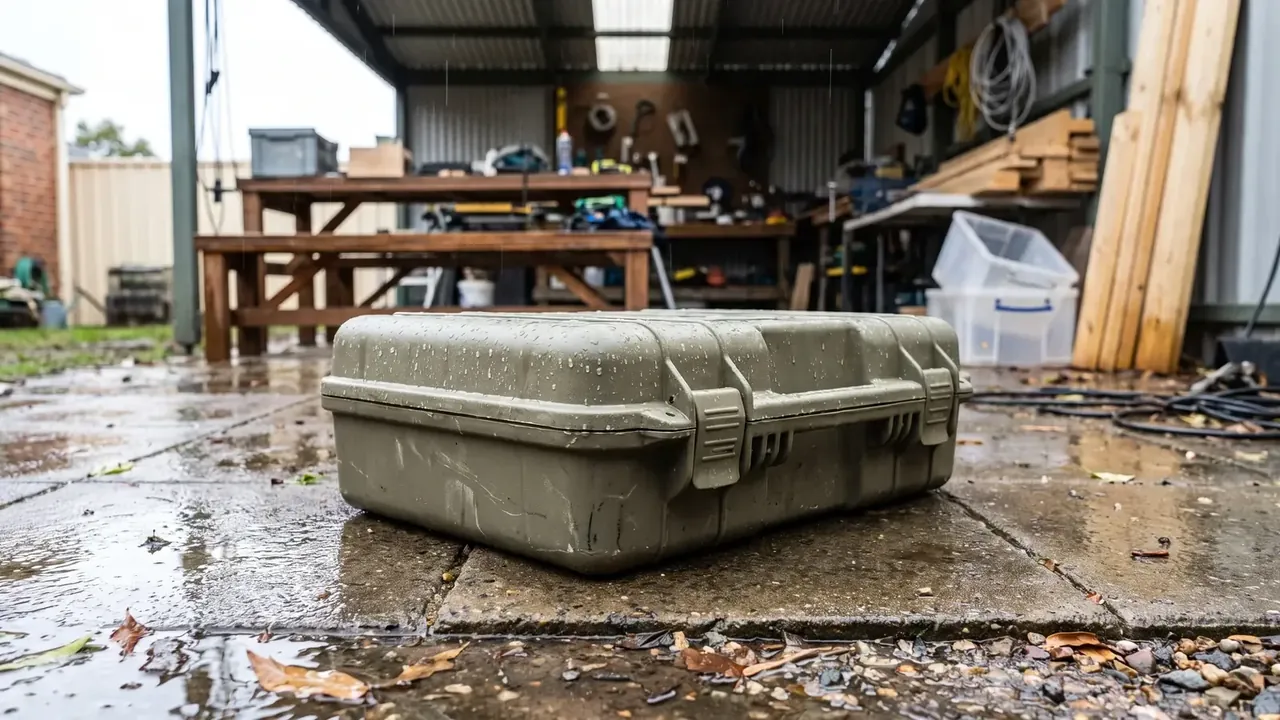
Retention follows use: eight years routine, fifteen for priority and export, paper plus electronic sets indexed by batch. A repaired mould voids the old report; the new one is renumbered and reviewed within 48 hours.
5. Quarantine and Re-inspection
A failed Artillery Shell Storage Container batch is quarantined, red-tagged and stored apart. Re-inspection doubles the sample and covers the failed item plus what it affects: thin walls bring the stack test, pressure failures bring gasket checks.
Two consecutive failures move the supplier into review: cause analysis in seven working days, a verification batch at tightened sampling, three clean batches to restore the plan.
Pass rate, concession rate and re-inspection rate belong on a monthly sheet tied to order allocation, and the three must reconcile.
Conclusion
A standard is measured by how easily a third person reproduces it. Fix the gauge, the sample size, the signing right and the retention period. Do that, and an Artillery Shell Storage Container standard starts deciding shipments instead of describing them.
This article discusses only the container (case body) side of specifications and design intent, and does not cover any handling, loading or use of the contents.
Related Reading
- artillery-shell-storage-container-comparison
- Wall thickness and rib layout in the load path
- Sizing, wall thickness and load ratings
- Moisture control and gasket checks
Related Products
- 8 Series — Gun Cases; Military Equipment Cases; Camera Equipment Cases; Drone Cases; Watch Cases; Knife Cases; First Aid Cases; Electronics Equipment Cases
- WL8-2812 PP Gun Case — model WL8-2812
- All protective cases and toolboxes: 7 series, 158 models